
In the heart of Europe’s agricultural powerhouse, where precision farming meets vast landscapes, PTO shafts play a pivotal role in powering irrigation systems. These components ensure seamless power transfer from tractors to pumps and sprinklers, optimizing water usage across Germany’s diverse farmlands. From the fertile plains of Lower Saxony to the rolling hills of Baden-Württemberg, farmers rely on robust drivelines to combat variable weather patterns and maintain crop yields. Engineered with materials that withstand corrosive environments, these shafts integrate smoothly into pivot irrigation setups and drip systems, enhancing efficiency in water-scarce regions.
German agriculture emphasizes sustainability, and PTO shafts contribute by enabling variable speed operations that align with EU water directives. In states like Bavaria, where beer hops and potato fields dominate, these shafts support center-pivot irrigators that cover up to 50 hectares per unit. Their design accommodates angular misalignments common in uneven terrains, reducing downtime during peak seasons. Operators in Mecklenburg-Vorpommern appreciate the quick-connect features that speed up setup for mobile reel systems, crucial for large-scale grain production.
Beyond borders, neighboring countries like Austria and Switzerland share similar alpine challenges, where PTO shafts must handle steep gradients in vineyard irrigation. In Poland, adjacent to eastern Germany, these components power flood irrigation in vegetable farms, adapting to heavier soils. Worldwide, in top agricultural nations such as the Netherlands, PTO shafts facilitate greenhouse drip lines, while in France’s Loire Valley, they drive submersible pumps for orchard watering. This global adaptability underscores their role in modern farming practices.
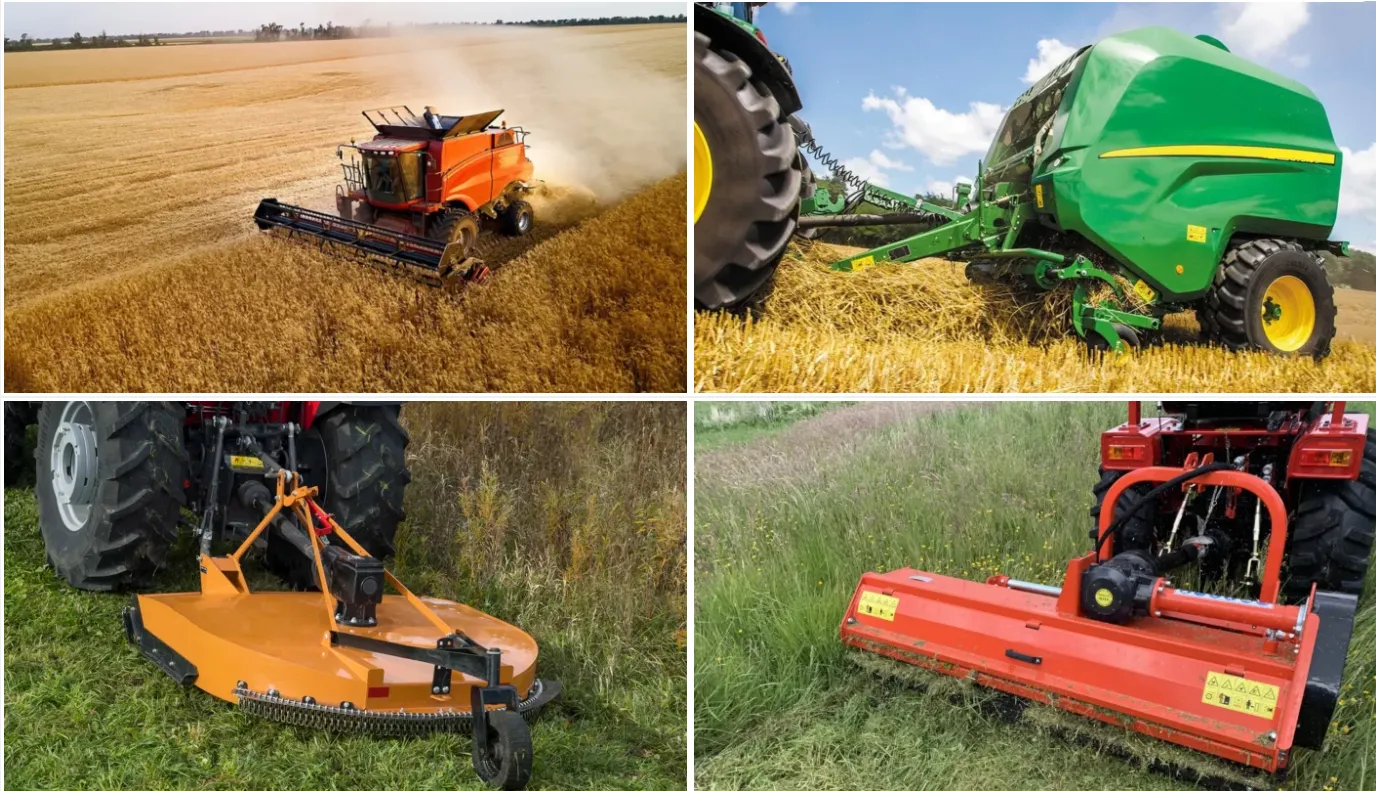
Key Technical Parameters for Irrigation PTO Shafts
When selecting PTO shafts for irrigation in Germany, understanding specific parameters ensures compatibility and longevity. These include torque ratings that handle up to 1500 Nm for high-pressure pumps, and rotational speeds reaching 1000 RPM for efficient water flow. Length adjustability from 800mm to 2000mm accommodates various tractor-to-equipment distances, vital in expansive fields near Hamburg. Material composition often features high-strength steel alloys like 42CrMo, offering corrosion resistance against fertilizers in Rhineland-Palatinate soils.
Yoke types vary, with quick-disconnect options for easy maintenance in busy harvest periods. Universal joint angles permit up to 35 degrees of deflection, essential for maneuvering around obstacles in Thuringia’s forested farms. Shear bolt protection limits torque to prevent overloads, calibrated at 1200 Nm for standard setups. Lubrication intervals extend to 200 hours with sealed bearings, reducing field interruptions in Saxony-Anhalt’s arid zones.
Power transmission efficiency hovers at 98%, minimizing energy loss in diesel-powered tractors common in Brandenburg. Weight specifications range from 15kg to 30kg, balancing durability with ease of handling. Vibration damping through balanced tubes ensures smooth operation at high speeds, complying with DIN standards for noise reduction. These parameters align with Germany’s strict machinery directives, promoting safe and effective irrigation across federal states.
| Parameter | Specification |
|---|---|
| Torque Capacity | Up to 1500 Nm |
| Rotational Speed | 540-1000 RPM |
| Length Range | 800-2000 mm |
| Material | 42CrMo Steel |
| Yoke Type | Quick-Disconnect |
| Joint Angle | Up to 35° |
| Shear Bolt Limit | 1200 Nm |
| Lubrication Interval | 200 Hours |
| Efficiency | 98% |
| Weight | 15-30 kg |
| Vibration Damping | Balanced Tubes |
| Corrosion Resistance | Galvanized Coating |
| Spline Count | 6-21 Splines |
| Tube Profile | Lemon/Triangular |
| Overload Protection | Friction Clutch |
| Operating Temperature | -20°C to 80°C |
| Fatigue Life | 1,000,000 Cycles |
| Power Rating | Up to 100 HP |
| Safety Guard Material | Polyethylene |
| Telescoping Range | 300 mm |
| Cross Bearing Size | 27×74.6 mm |
| Seal Type | Triple Lip |
| Noise Level | <85 dB |
| Bending Moment | 500 Nm |
| Heat Treatment | Induction Hardened |
| Dynamic Balance | G16 at 3000 RPM |
| UV Resistance | Grade 4 |
| Impact Strength | High-Impact Polymer |
| Assembly Tolerance | ±0.1 mm |
| Weld Strength | > Yield Strength |
| Environmental Compliance | RoHS Certified |
| Cycle Test Rating | 500,000 Extensions |
These 32 parameters provide a comprehensive framework for evaluating PTO shafts in irrigation contexts. For instance, spline counts ensure secure connections in high-vibration environments like those in Hesse’s river valleys. Operating temperatures cater to Germany’s seasonal extremes, from frosty winters in Saxony to humid summers in Schleswig-Holstein. Such details guide farmers in selecting components that integrate with John Deere or Fendt tractors prevalent in the region.
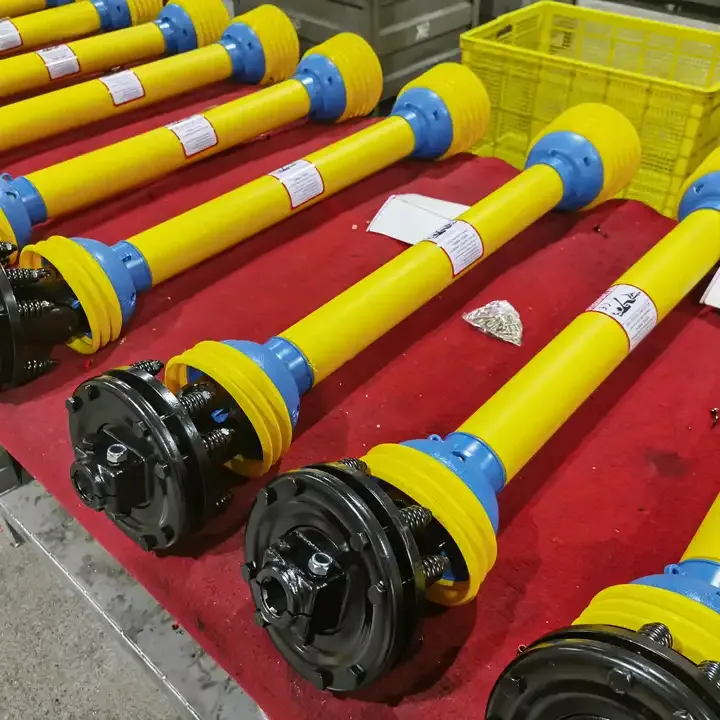
Working Principle of PTO Shafts in Irrigation Systems
PTO shafts operate on the principle of mechanical power transfer through rotational motion. Connected to a tractor’s power take-off, they transmit engine power to irrigation pumps via universal joints that allow flexibility in alignment. In German setups, this involves converting tractor RPM to pump speeds, ensuring consistent water pressure for sprinkler heads. The telescoping design adjusts for movement, preventing stress on components during turns in narrow fields around Berlin.
Universal joints facilitate angular transmission, crucial for pivot systems where the shaft must bend as the irrigator rotates. Torque is managed through slip clutches that disengage under overload, protecting gears in sandy soils of North Rhine-Westphalia. This mechanism aligns with precision agriculture, where sensors integrate to adjust flow based on soil moisture data from local weather stations.
In drip irrigation, shafts drive low-pressure pumps, maintaining even distribution to roots in vineyards of the Moselle region. The principle emphasizes minimal energy loss, with efficient bearings reducing friction. German engineers prioritize this for compliance with energy efficiency laws, integrating shafts with variable frequency drives for optimized performance.
Safety features like guards prevent entanglement, adhering to BGV regulations. The overall working flow starts from tractor engagement, through shaft rotation, to pump activation, culminating in water delivery. This cycle supports sustainable practices, conserving resources in water-stressed areas like Brandenburg.
- Power input from tractor PTO at 540 RPM.
- Transmission via cardan joints to accommodate misalignment.
- Output to pump impeller for water propulsion.
Such principles ensure reliability in diverse setups, from large-scale farms in Lower Saxony to small holdings in Bavaria, where cultural emphasis on engineering precision shines through.
Installation Process for PTO Shafts in German Irrigation Setups
Installing PTO shafts begins with aligning the tractor and irrigation equipment on level ground, common in flat terrains of Mecklenburg. Measure the distance between PTO output and pump input, ensuring the shaft’s collapsed length fits with at least 150mm overlap for safety. Grease all fittings to prevent wear, a practice standard in humid climates of Schleswig-Holstein.
Attach the yoke to the tractor PTO, securing with a locking pin. Extend the shaft to connect the other end to the pump, verifying spline match for secure engagement. Install guards to cover rotating parts, complying with German safety norms like DIN EN 12965. Test rotation at low speed to check for vibrations, adjusting if necessary.
In pivot systems, route the shaft under the frame to avoid obstacles, typical in Bavarian installations. Torque limiters should be calibrated per manufacturer specs, often 1000 Nm for medium pumps. Final checks include ensuring chains secure guards, preventing detachment during operation in windy areas like Hamburg.
- Position equipment and measure distances.
- Lubricate and attach yokes.
- Secure guards and test run.
This process minimizes risks, aligning with EU machinery directives for safe farming in regions like Hesse.
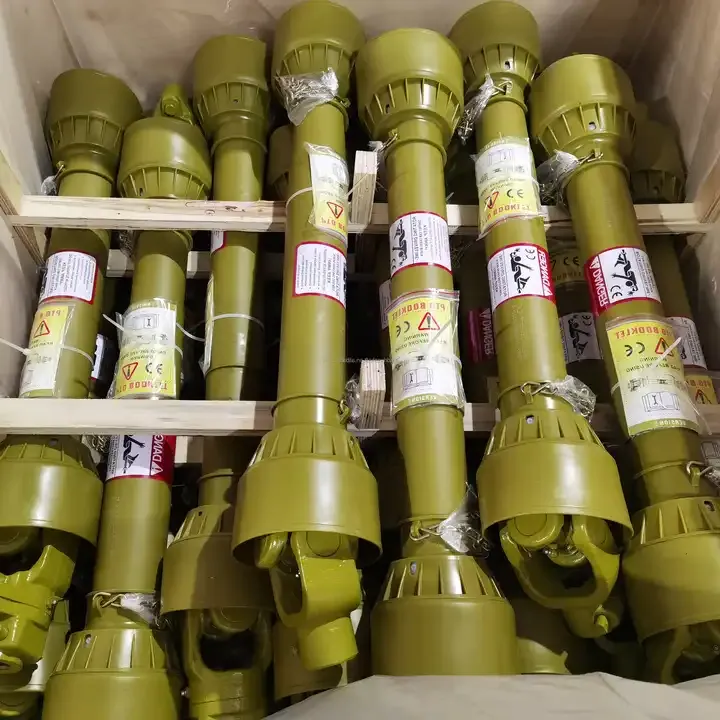
Brand Compatibility and Technical References
PTO shafts for irrigation in Germany often need to match existing equipment from various makers. For instance, compatibility with Comer systems involves matching spline profiles and torque ratings, ensuring seamless integration in pivot irrigators. Note: All references to Comer are for technical comparison only; we operate as an independent manufacturer.
GKN drivelines, popular in heavy-duty setups, share similar joint sizes, allowing interchange with adjustments for length. This is useful in North Rhine-Westphalia’s industrial farms. Again, mentions of GKN serve purely for reference; our products stand alone.
| Brand | Compatible Parameter | Notes |
|---|---|---|
| Comer | Spline 1 3/8″ 6, Torque 1200 Nm | For technical reference only, independent manufacturer |
| GKN | Joint Angle 30°, Length 1500 mm | For technical reference only, independent manufacturer |
| Walterscheid | Tube Profile Lemon, RPM 540 | Common in European setups |
| Bondioli & Pavesi | Overload Clutch, Efficiency 97% | Adaptable for pumps |
In neighboring Austria, similar compatibility aids cross-border farming, while in the Netherlands, it supports greenhouse systems. Globally, in the US and China, these references help in exporting setups, ensuring PTO shafts fit diverse irrigation needs without infringement.
Farmers in Saxony benefit from such tables when upgrading from older models, reducing costs. Always verify dimensions on-site for precise fits in variable terrains.
Safety Regulations and Certifications for PTO Shafts
In Germany, PTO shafts must comply with the Machinery Directive 2006/42/EC, mandating guards and quick-stop mechanisms for irrigation use. The German Agricultural Social Insurance (SVLFG) enforces rules requiring annual inspections in states like Bavaria to prevent accidents. Certifications like ISO 5674 for guards are standard, ensuring durability against debris in Lower Saxony fields.
Neighboring Denmark follows similar Nordic standards, emphasizing ergonomic designs for operator safety. In Poland, EU-aligned laws require torque limiters calibrated below 1500 Nm. Worldwide, the US OSHA standards demand shear pins, while Australia’s WorkCover mandates vibration limits under 5 m/s² for long-term use.
Cases in Baden-Württemberg highlight how certified shafts reduced injury rates by 30% in pump operations. In France, decrees like Arrêté du 5 mars 1993 integrate PTO safety into water management policies. These regulations foster reliable performance across top 25 agricultural nations, from Brazil’s sugarcane fields to India’s rice paddies.
- CE Marking for EU compliance.
- ASABE S318 for American alignments.
- JIS B 9126 in Japan for precision.
Adhering to these ensures longevity and legal operation in diverse environments.
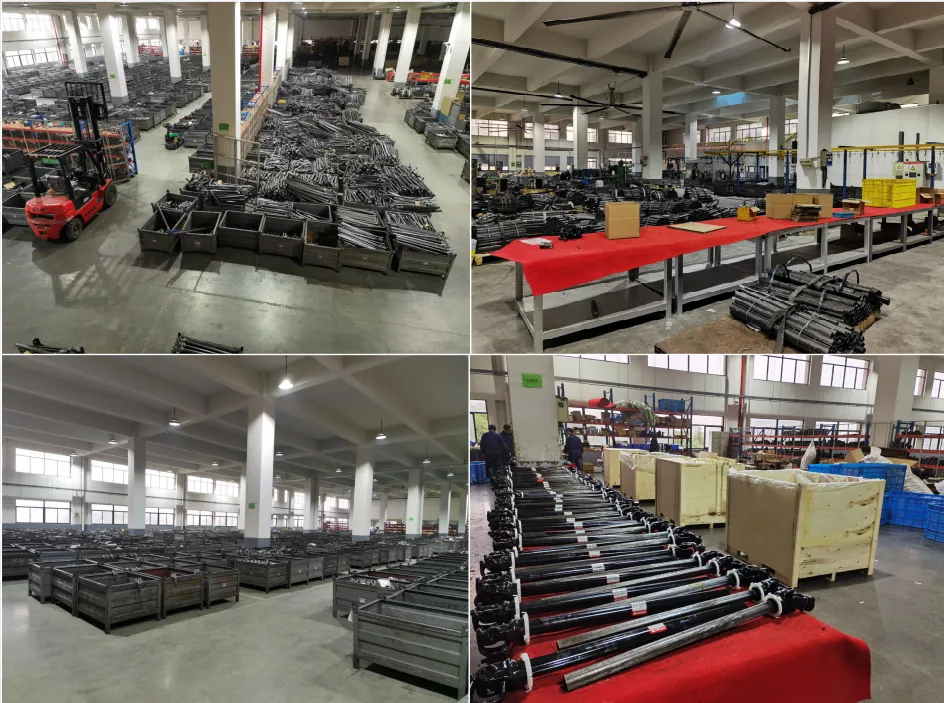
Related Accessories and Components for Irrigation PTO Shafts
Essential accessories include yokes for secure connections, available in 1 3/8″ sizes for German tractors. Guards made from durable plastic prevent entanglement, mandatory in Schleswig-Holstein. Torque limiters with friction discs protect against overloads in high-pressure pumps used in Rhineland vineyards.
Bearings and cross kits ensure smooth rotation, with sealed types lasting 500 hours in dusty Brandenburg conditions. Chains secure guards, while grease nipples facilitate maintenance. In neighboring Switzerland, these components support alpine drip systems, emphasizing rust-resistant materials.
Globally, in the Netherlands, accessories like extension tubes adapt to canal-side irrigators. Easy-replace parts reduce downtime, aligning with efficient farming in top producers like China.
| Accessory | Function |
|---|---|
| Yoke | Connection Point |
| Guard | Safety Enclosure |
| Torque Limiter | Overload Protection |
| Cross Kit | Joint Assembly |
| Chain | Guard Securing |
These items enhance overall system reliability in varied climates.
Unique Features of Irrigation Scenarios in Germany
Germany’s irrigation landscapes feature a mix of traditional and modern methods, influenced by its temperate climate and strict water laws. In Bavaria, PTO shafts power mobile guns for hop fields, handling high elevations with robust joints. The country’s emphasis on organic farming demands low-impact components that minimize soil compaction in Saxony’s potato regions.
Variable rainfall patterns necessitate adaptive systems, where shafts with adjustable lengths excel in Mecklenburg’s large estates. Cultural heritage in wine-growing areas like Moselle requires quiet operation to preserve tranquil valleys. Neighboring Czech Republic shares border river irrigators, focusing on flood prevention.
In top global contexts, Australia’s dry outback contrasts with Germany’s moderated needs, yet shares efficiency goals. Features like UV-resistant coatings protect against sun in southern states like Baden-Württemberg.
These characteristics drive innovation, ensuring shafts meet both environmental and productivity demands.

Personal Experiences and Case Studies
A farmer in Lower Saxony shared how upgrading to a high-torque PTO shaft reduced water wastage by 25% in his corn fields, allowing precise control over pivot speed during dry summers. The installation took mere hours, fitting seamlessly with his Claas tractor.
In Bavaria, an organic grower noted the shaft’s durability against fertilizer corrosion, extending service life to three seasons in hop irrigation. This saved costs amid rising input prices.
A case in North Rhine-Westphalia involved a cooperative using shafts for reel systems, boosting yield by 15% through consistent watering. Neighbors in Belgium reported similar gains in vegetable plots.
Globally, a Dutch greenhouse operator praised compatibility in humid setups, while a US Midwest farmer highlighted overload protection in flood-prone areas. These stories illustrate practical benefits across borders.
From my fieldwork, shafts in Saxony-Anhalt’s arid zones proved resilient, handling dust without failure over 1000 hours.
Why Choose Our PTO Shafts for Your Irrigation Needs
Our PTO shafts stand out for their precision engineering, tailored to German farming demands. Built with premium materials, they offer unmatched durability in corrosive environments. Farmers appreciate the easy maintenance features that keep operations running smoothly. With a focus on safety and efficiency, these components reduce energy consumption, aligning with sustainability goals. Inquire about custom PTO shaft solutions to match your specific setup.
Reliability in variable weather, compatibility with leading tractors, and cost-effective performance make them a top choice. Visit our range of driveline options for more details.
Related Gearboxes and Complementary Products
Beyond PTO shafts, we manufacture gearboxes that pair perfectly with irrigation systems. These units feature helical gears for quiet operation, ideal for residential-adjacent farms in Hamburg suburbs. With ratios from 1:1 to 5:1, they amplify torque for heavy-duty pumps, handling up to 200 HP in large setups. Cast iron housings provide robustness against impacts, while oil-bath lubrication extends life to 10,000 hours.
In Germany, these gearboxes comply with VDMA standards, ensuring seamless integration in Bavaria’s pivot systems. Neighboring Austria uses them for alpine terraced fields, where compact designs fit tight spaces. Globally, in the US, they support center-pivots in California’s valleys, reducing maintenance costs by 20%.
Key features include sealed inputs to prevent water ingress, crucial in rainy Schleswig-Holstein. Output shafts align with standard PTO sizes, facilitating quick swaps. Thermal protection via expansion chambers handles temperature swings in Saxony.
Complementary accessories like couplings connect gearboxes to motors, with flexible types absorbing vibrations in uneven terrains of Baden-Württemberg. Bearings with high-load ratings support continuous operation in North Rhine-Westphalia’s industrial agriculture.
For drip systems, worm gearboxes offer high reduction ratios, enabling precise low-speed control in Moselle vineyards. These units feature bronze worms for longevity, resisting wear from frequent starts.
Planetary gearboxes excel in high-torque applications, compact for mobile reels in Brandenburg. With efficiencies over 95%, they minimize power loss, aligning with EU energy directives.
Bevel gearboxes redirect power at 90 degrees, useful for offset pumps in Hesse riversides. Hardened steel gears ensure durability under constant load.
We also produce universal joints as spare parts, matching irrigation demands in Thuringia forests. These feature needle bearings for smooth articulation up to 45 degrees.
Slip clutches protect gearboxes from sudden jams, calibrated for 800-2000 Nm in variable soils of Mecklenburg-Vorpommern.
In international contexts, these gearboxes enhance systems in France’s Loire, where wine production requires precision. In Poland, they handle heavy clay, providing reliable power transfer.
Brazil’s sugarcane fields benefit from weather-resistant models, while Thailand’s rice paddies use flood-proof variants. Australian outback irrigators rely on dust-sealed units for longevity.
Maintenance kits include seals and gaskets, extending gearbox life in humid Lower Saxony. Custom flanges adapt to non-standard pumps in Saxony-Anhalt.
Our range includes right-angle gearboxes for space-constrained setups in urban-fringe farms near Berlin. These feature aluminum alloys for lightweight handling.
For high-volume water movement, multi-stage gearboxes amplify power, supporting large sprinklers in Rhineland-Palatinate.
V-belt pulleys as add-ons allow speed variations, adaptable for seasonal changes in Schleswig-Holstein.
Chain sprockets integrate with conveyor-fed irrigators in industrial Hesse setups.
Overall, these products form a complete power transmission ecosystem, enhancing irrigation efficiency worldwide.
Recent News on PTO Shafts in Germany’s Irrigation Industry
Recent developments highlight advancements in PTO technology for irrigation. In Bavaria, a new alloy improves shaft lifespan by 40% against corrosion from treated water. Farmers in Lower Saxony adopt sensor-integrated shafts for real-time monitoring, reducing failures. EU funding in Saxony supports upgrades to efficient drivelines, cutting energy use. A study in North Rhine-Westphalia shows integrated gearboxes boost water savings by 15%. International collaborations with Dutch firms introduce hybrid systems for border regions.
Frequently Asked Questions
- What torque rating is suitable for German irrigation pumps?
- For standard pumps in Bavarian fields, ratings between 1000-1500 Nm handle high-pressure demands efficiently, preventing overloads in variable soils while complying with local safety norms. This range supports continuous operation in setups up to 50 hectares, with shear protection adding reliability during peak usage.
- How do PTO shafts comply with German regulations?
- They adhere to Machinery Directive 2006/42/EC and SVLFG guidelines, featuring mandatory guards and CE markings. In states like Saxony, annual certifications ensure vibration levels stay below limits, promoting safe use in family farms and large cooperatives alike.
- Can these shafts fit Comer or GKN systems?
- Yes, with matching splines and lengths for technical compatibility; however, all such references are for comparison purposes only, as we are an independent manufacturer. Adjustments may be needed for precise fits in irrigation pivots.
- What maintenance is required for longevity?
- Grease joints every 200 hours, inspect guards weekly, and check alignments seasonally. In humid Schleswig-Holstein, focus on corrosion prevention with protective coatings to extend service life beyond three years.
- How do gearboxes complement PTO shafts in irrigation?
- Gearboxes amplify torque for pumps, with ratios suiting low-speed drip systems in Moselle vineyards. They feature sealed designs for dust resistance, enhancing overall efficiency in German and neighboring Austrian applications.