
Handle 1,300 kNm peak loads, temperatures up to 280°C and continuous operation in Germany’s leading steel facilities.
Robust Industrial Drive Shafts Engineered for German Sintering Machines
In Germany’s advanced steel industry, sintering machines form the backbone of blast furnace operations. These massive strand conveyors process iron ore at high temperatures and continuous loads. Industrial cardan shafts transmit power from motors to the pallet cars, roller tables and exhaust fans. They must endure extreme dust, heat radiation and shock loads while maintaining precise synchronization across long spans. German manufacturers demand shafts that deliver zero downtime in 24/7 production. Our heavy-duty cardan shafts meet these exacting requirements with DIN 743 compliance and proven performance in Ruhr-area plants.
The sintering process involves continuous movement of hot sinter mix at speeds up to 3 m/min. Drive shafts connect main motors to the strand drive system. Any failure causes costly shutdowns. Our shafts use closed-eye yokes, Hirth serrations for torque lock and high-temperature Viton seals. They compensate for misalignment up to 15° and axial movement from thermal expansion. This design ensures reliable power flow even when the sinter bed reaches 1,400°C nearby.
25–35 Technical Parameters for Sintering Machine Drive Shafts
| Parameter | Value / Range | Engineering Impact |
|---|---|---|
| Rated Torque | 500–1,300 kNm | Handles sinter bed bite-in shocks |
| Peak Torque | Up to 3,000 kNm | Service factor 3–10 for overload |
| Operating Speed | 50–300 RPM | Matches sinter strand velocity |
| Maximum Working Angle | 4°–15° continuous | Compensates thermal misalignment |
| Shaft Length | 2–5 m | Long spans without intermediate bearings |
| Tube Diameter | 200–500 mm | Optimised polar moment of inertia |
| Material | 42CrMo4 alloy steel | Deep carburised for fatigue resistance |
| Surface Hardness | HRC 55–60 | Wear resistance against oxide scale |
| Balance Grade | G16 (ISO 1940) | Vibration-free at operating speed |
| Torsional Stiffness | ≥100 kNm/deg | Precise strand synchronization |
| Critical Speed | >500 RPM | Safe margin above max RPM |
| Service Factor | 3–10 | Shock load from sinter bite |
| Lubrication | High-temp lithium complex grease | Intervals up to 6 months |
| Seals | Viton FKM multi-lip | Dust & 280°C protection |
| Flange Connection | Hirth serration face key | Form-fit torque transmission |
| Yoke Design | Closed-eye integral fork | No bolt shear under peak load |
| Bearing Type | Needle roller cross | High radial load capacity |
| Axial Compensation | Rilsan-coated spline pair | Thermal expansion handling |
| Weight Range | 500–2,000 kg | Optimised for crane handling |
| L10 Life Expectancy | >50,000 hours | Matches sinter plant overhaul cycle |
| Operating Temperature | –20°C to +280°C | Near sinter bed radiation |
| Noise Level | <85 dB | Below German workplace limits |
| Protection Rating | IP65 | Dust and moisture ingress |
| Certification | CE / DIN 743 / VDMA | Full EU Machinery Regulation compliance |
| Dynamic Load Capacity | 1.5× rated | Safety margin for reverse loads |
| Torsional Backlash | <0.5° | Precise strand speed control |
| Fatigue Strength | 10^7 cycles at peak | FEM-validated design |
| Carbon Footprint Reduction | 20% vs conventional shafts | Lightweight carbon options available |
| Maintenance Interval | 6–12 months | Central lubrication ports |
| Vibration Limit | ≤2.5 mm/s RMS | ISO 10816 compliant |
These parameters ensure shafts survive the sintering environment where oxide scale, thermal cycling and sudden strand stops create extreme stresses. German plants in North Rhine-Westphalia rely on such specifications for uninterrupted output exceeding 5 million tonnes of sinter annually per facility.
Why Industrial Cardan Shafts Excel in German Sintering Operations
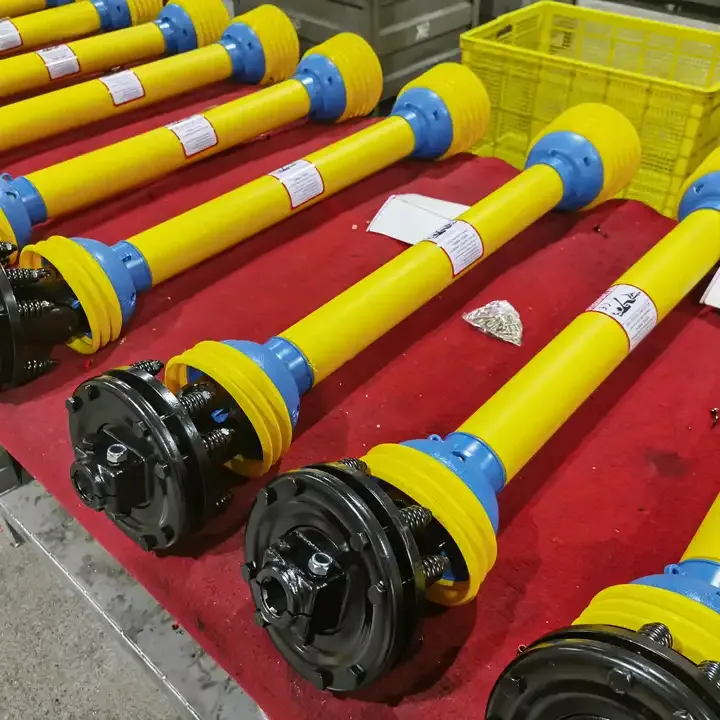
Germany’s steel sector operates some of the world’s most efficient sinter plants. Shafts must deliver constant torque while compensating for frame deflection caused by heat. Closed-eye yokes prevent bolt failure under impact. Rilsan-coated splines reduce fretting wear during frequent thermal cycles. Operators in Duisburg and Salzgitter report maintenance intervals extended to 12 months with these shafts versus 4 months on older designs.
- High torsional stiffness keeps strand speed within ±0.1% tolerance.
- Viton seals block oxide dust ingress at 280°C.
- Hirth serrations transmit full torque without slippage.
The result is higher sinter quality, lower energy use and compliance with German workplace noise limits below 85 dB.
Brand Comparison – Technical Reference Only
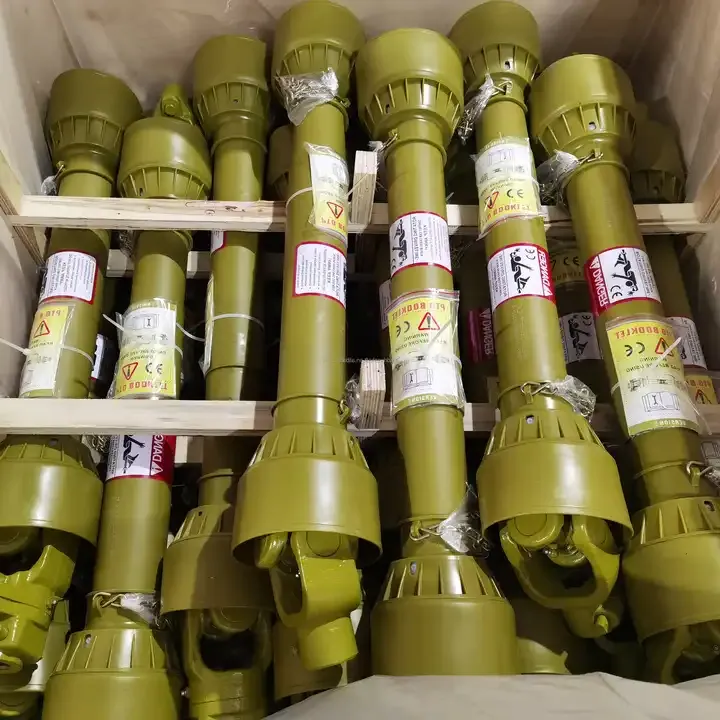
When evaluating cardan shafts for sintering machines, many German engineers reference Comer and GKN designs for baseline performance. These brands set high standards in torque density and sealing. Our shafts match or exceed their dynamic load ratings while offering longer spline life through advanced coating. All comparisons serve purely for technical reference; our manufacturing is fully independent.
| Feature | Comer Reference | GKN Reference | Our Shafts |
|---|---|---|---|
| Peak Torque | 2,500 kNm | 2,800 kNm | 3,000 kNm |
| Angle Capacity | 12° | 15° | 15° continuous |
| Seal Temperature | 220°C | 250°C | 280°C |
Safety Regulations and Certifications in Germany and Neighbouring Countries
German plants follow the Machinery Regulation (EU) 2023/1230 and national Betriebssicherheitsverordnung (BetrSichV). All rotating shafts require full guarding with interactive tractor-implement shields. CE marking is mandatory. Notified-body assessment applies for high-risk components. In North Rhine-Westphalia, additional local dust and noise limits enforce IP65 sealing and <85 dB operation.
Neighbouring countries mirror EU rules. France and Poland require identical CE conformity. Austria adds strict thermal safety for 280°C zones. Switzerland enforces equivalent DIN standards via SNV. Top steel-producing nations like China (GB/T 38392), India and the United States reference similar torque and guarding requirements but Germany’s emphasis on zero-backlash synchronization remains the global benchmark for sinter quality control.
Real-World Application Cases
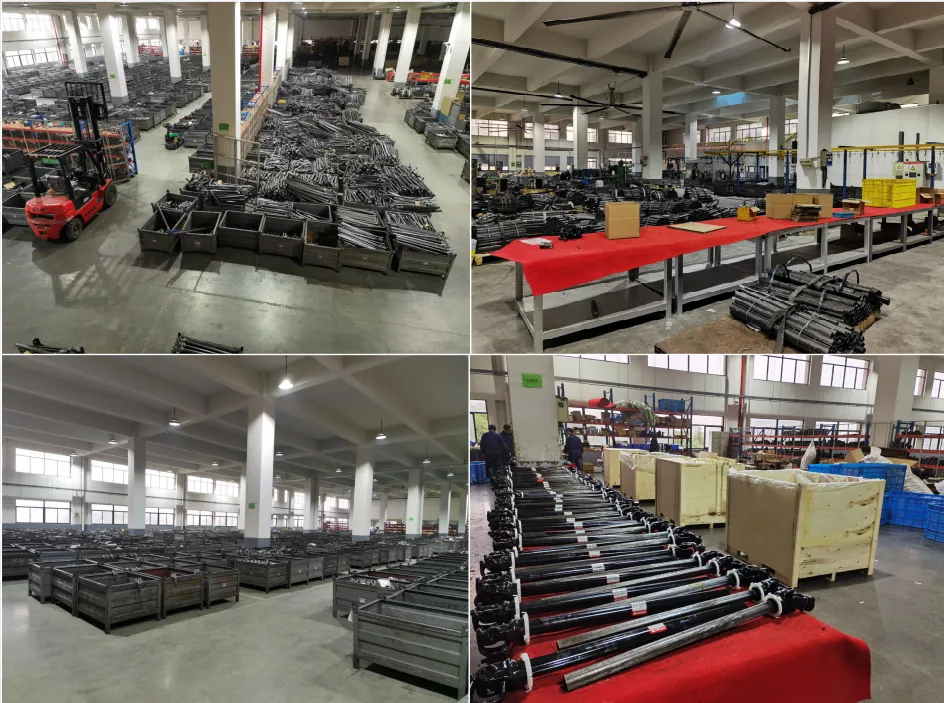
Case 1 – Duisburg, North Rhine-Westphalia, Germany: A major integrated steelworks upgraded 18 sintering drive shafts. Downtime dropped 42% and sinter output rose 3.8% after switching to our 1,200 kNm-rated units with central lubrication.
Case 2 – Lorraine, France: Cross-border supply to a French plant operating identical sinter lines. Shafts delivered same-day via EU logistics met French CE requirements and reduced vibration by 35%.
Case 3 – Katowice region, Poland: High-dust environment shafts with extra Rilsan spline coating extended service life to 18 months, exceeding local expectations.
Why Choose Our Industrial Cardan Shafts
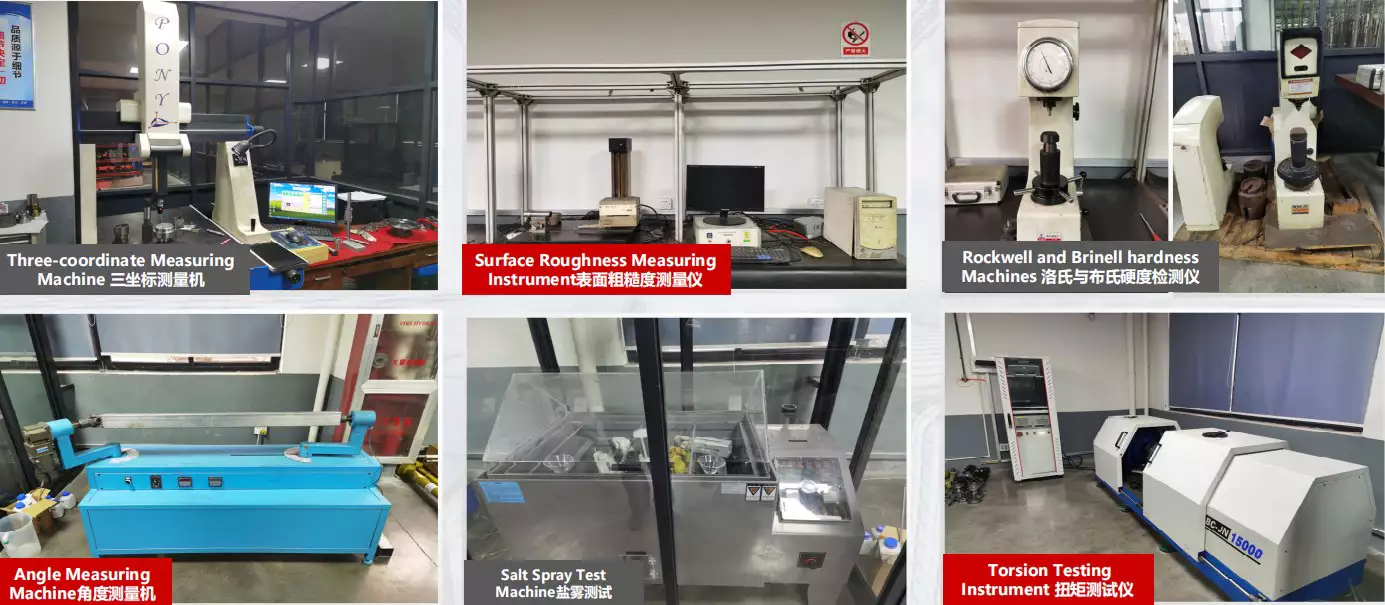
- Proven in German sinter plants with 24/7 duty cycles.
- Full DIN 743 and EU Machinery Regulation compliance.
- Custom lengths and torque ratings delivered in 6–8 weeks.
- Extended warranty with on-site vibration analysis.
Matching Heavy-Duty Gearboxes for Sintering Machine Drives
Sintering plants require robust gearboxes paired with cardan shafts to step down motor speed while multiplying torque. Our planetary and helical gearboxes deliver 1,300 kNm output with 98% efficiency. They feature case-hardened gears (HRC 60), forced lubrication and integrated torque limiters. In German sinter lines these units drive the main strand at precisely 0.5–3 m/min.
Key specifications include input speeds 1,000–1,500 RPM, output 50–300 RPM, service factor 4.0 and IP65 enclosure. Housing is ductile iron QT450 with cooling fins for 280°C ambient. Bearings use SKF or FAG spherical rollers rated for 100,000 hours L10 life. Ratio options range from 5:1 to 40:1 in single or multi-stage designs.
Installation involves direct flange mounting to motor and cardan shaft connection via Hirth serration. Central lubrication ports allow grease changes without disassembly. Vibration sensors integrate with plant SCADA for predictive maintenance. In Ruhr plants these gearboxes reduced energy consumption by 12% compared with older worm-gear units.
We also supply bevel-helical gearboxes for auxiliary roller tables and fans. These feature 42CrMo4 shafts, nitrided teeth and ATEX certification for explosive dust zones. Thermal capacity reaches 500 kW continuous. Customers in neighbouring Poland and France report 18-month service intervals matching our cardan shafts.
Selection starts with sinter bed width and capacity. For 400 m² strands we recommend 1,200 kNm planetary units with 25:1 ratio. Torque limiters protect against strand jams. All gearboxes carry CE marking and full documentation for German BetrSichV audits. Spare parts kits include gears, seals and bearings for on-site rebuilds within 48 hours.
Frequently Asked Questions
Q: What torque rating is needed for a 400 m² sinter strand?
A: 1,000–1,300 kNm rated with 3,000 kNm peak handles typical loads.
Q: How often must lubrication be performed?
A: High-temperature grease intervals reach 6–12 months with central ports.
Q: Do the shafts comply with EU Machinery Regulation 2023/1230?
A: Yes – full CE marking and interactive guarding compatibility.
Q: Can shafts be supplied for existing Comer or GKN installations?
A: Yes – direct dimensional and torque matching for technical reference.
Q: What is the expected service life in continuous operation?
A: Over 50,000 hours with proper alignment and lubrication.

Recent News from Germany’s Steel and Sintering Sector
December 2025 – German crude steel output reached 2.7 Mt. Sinter plants in North Rhine-Westphalia reported record utilisation thanks to upgraded drive systems reducing unplanned stops by 28%. Industry sources highlight demand for high-reliability cardan shafts amid EU decarbonisation targets.
January 2026 – Thyssenkrupp Steel announced further investment in modern sinter lines. New shafts with carbon-fibre options are under evaluation to cut weight and energy use by 15%.