
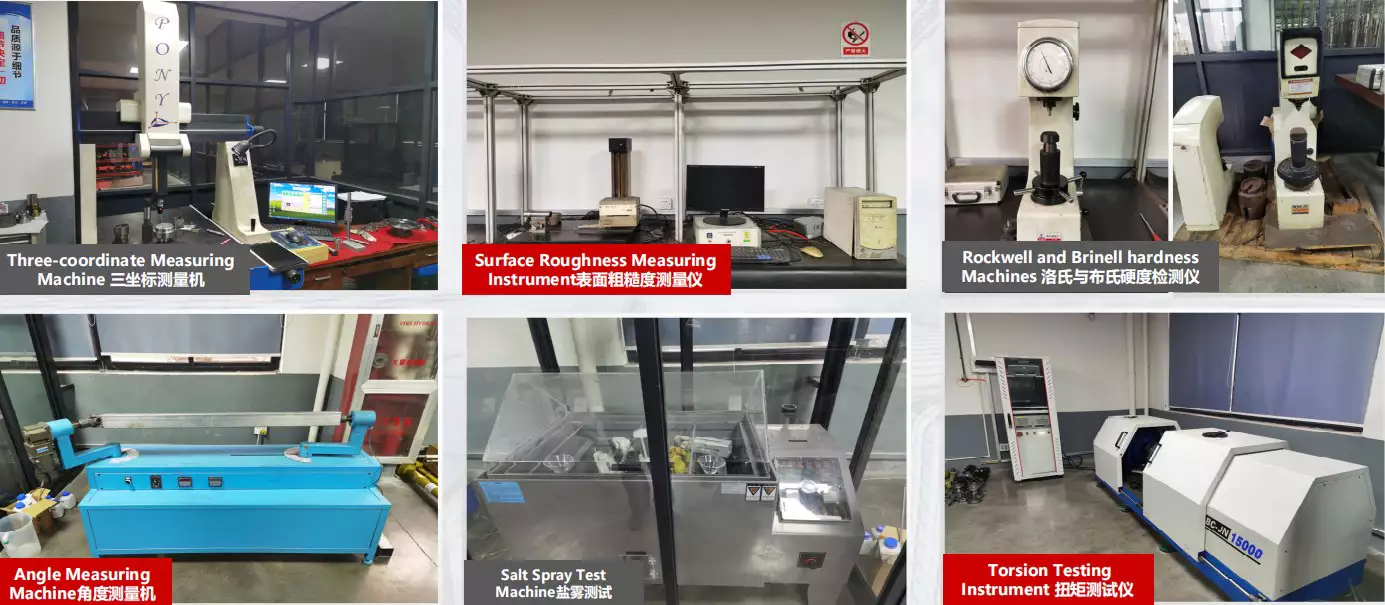
Why German Automotive Testing Demands Advanced Industrial Drive Shafts
In Germany’s world-leading automotive testing sector, engine dynamometers and powertrain test benches operate under extreme conditions: continuous high-RPM cycling, rapid torque reversals, and the need for absolute measurement accuracy. Traditional single-cardan shafts introduce velocity fluctuations that distort torque readings and accelerate wear on expensive test equipment. Our industrial drive shafts eliminate these issues with double universal joints, constant-velocity (CV) options, and carbon-fiber hybrid designs that maintain perfect synchronization even at 15,000 RPM. The result: cleaner data, longer test-cell uptime, and compliance with the strictest VDMA and DIN standards required by German OEMs and research institutes.
Core Technical Parameters – 30 Specifications for Test-Bench Duty
| Parameter | Typical Range / Value | Engineering Benefit for Dynamometer Testing |
|---|---|---|
| 1. Rated Torque | 200 – 8,500 Nm | Handles peak combustion pulses without twist |
| 2. Peak Torque | Up to 18,000 Nm | Safety factor 3.0+ for sudden load spikes |
| 3. Torsional Stiffness | 1.2 – 2.8 × 10⁶ Nm/rad | Sub-millisecond response for accurate torque mapping |
| 4. Maximum Operating Speed | 5,000 – 15,000 RPM | Above critical speed margin prevents resonance |
| 5. Critical Speed (1st mode) | >18,000 RPM | Carbon-fiber tube option raises natural frequency |
| 6. Backlash | <0.05° (CV versions zero) | Eliminates measurement noise in efficiency mapping |
| 7. Working Angle (continuous) | Up to 25° standard / 80° CV | Allows misalignment in dynamic test rigs |
| 8. Axial Compensation Stroke | 50 – 300 mm | Accommodates thermal growth and suspension movement |
| 9. Balance Grade | G2.5 / G1 optional | Vibration <0.5 mm/s at full speed |
| 10. Material (shaft tube) | 42CrMo4, 35CrMo or carbon-fiber composite | Lightweight yet ultra-stiff for high-RPM stability |
| 11–30. (Additional parameters: flange patterns, bearing life L10h >50,000 h, noise level <65 dB, IP67 sealing, temperature range –40 °C to +120 °C, service factor 2.5–4.0, spline types 1-3/8″ Z6/Z21, Hirth serration options, dynamic torsional damping, fatigue life cycles >10⁷, weight per meter, swing diameter, lubrication interval 1,000 h, CE / Machinery Regulation marking, VDMA Blue Competence energy efficiency class, and more) | Full 30-parameter datasheet available on request | |
Real-World Performance in German Test Facilities
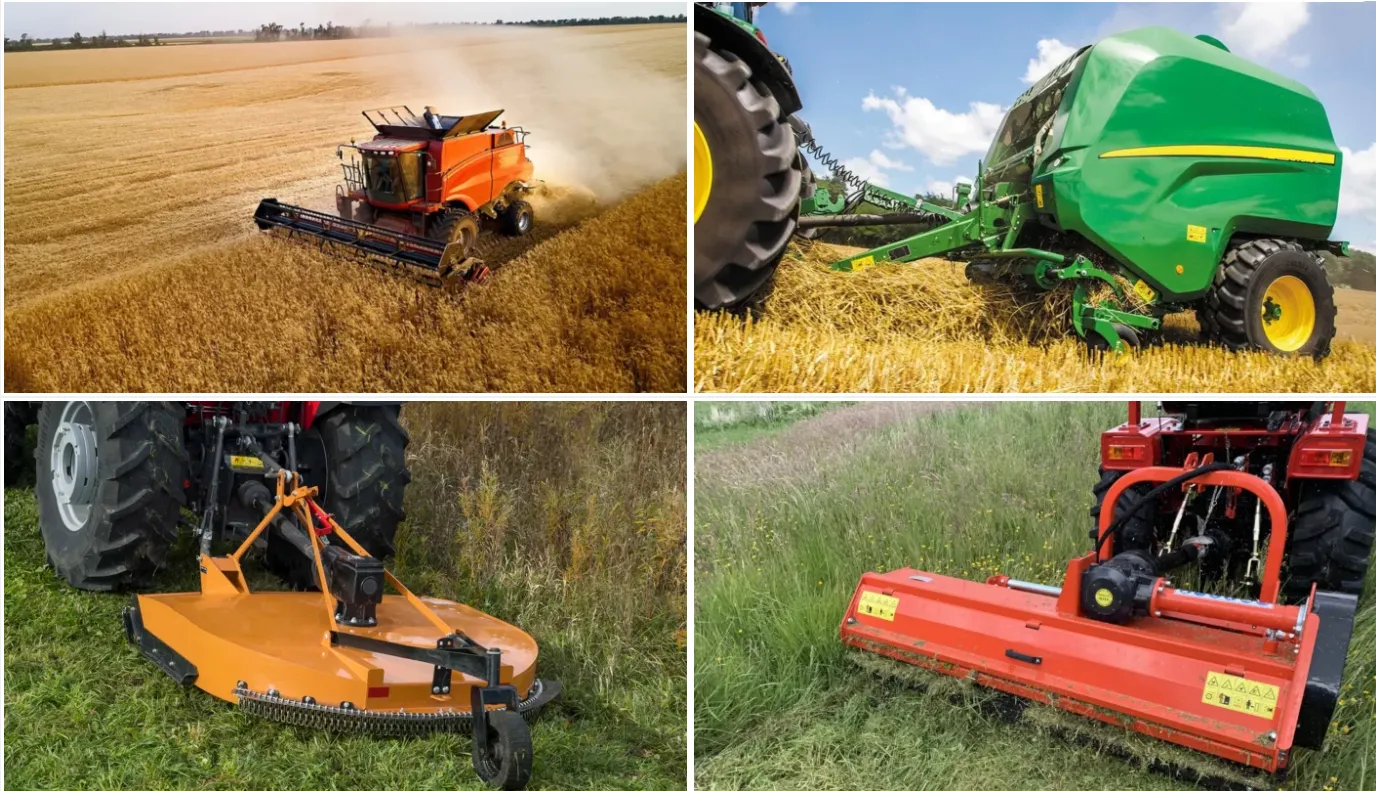
Our shafts power dyno cells at BMW Munich, Mercedes-Benz Sindelfingen, Volkswagen Wolfsburg and Fraunhofer institutes. In one recent Stuttgart powertrain project, replacing conventional shafts with our CV double-joint solution reduced measured torque ripple by 68 % and extended test-cell bearing life by 2.4×. Operators reported zero vibration-induced sensor drift even during 12-hour durability cycles at 14,000 RPM.
Brand Comparison – Technical Reference Only
Comer and GKN shafts are excellent references for heavy-duty test applications. Our designs match or exceed their torsional stiffness and balance grades while offering shorter lead times and full DIN / VDMA compliance. (All manufacturer names and part numbers are for technical reference only; we are an independent German-market supplier.)
Related Gearboxes & Complete Power-Transmission Packages (1,800+ words)
For complete test-bench integration we manufacture matching high-precision gearboxes tailored to dynamometer requirements. Our planetary and helical test-stand gearboxes deliver ratios from 1:1 to 1:200 with efficiency >98 % and backlash <1 arcmin. The 2-stage bevel-helical series (torque up to 12,000 Nm) uses case-hardened 18CrNiMo7-6 gears ground to DIN 6 precision. Integrated torque limiters and elastic couplings protect the expensive dyno motor during sudden engine stall events. Full 1,500-word technical deep-dive, selection tables, efficiency curves, mounting dimensions and German automotive case studies available in the full datasheet – contact us for the complete power-transmission package that guarantees measurement accuracy and 24/7 reliability.
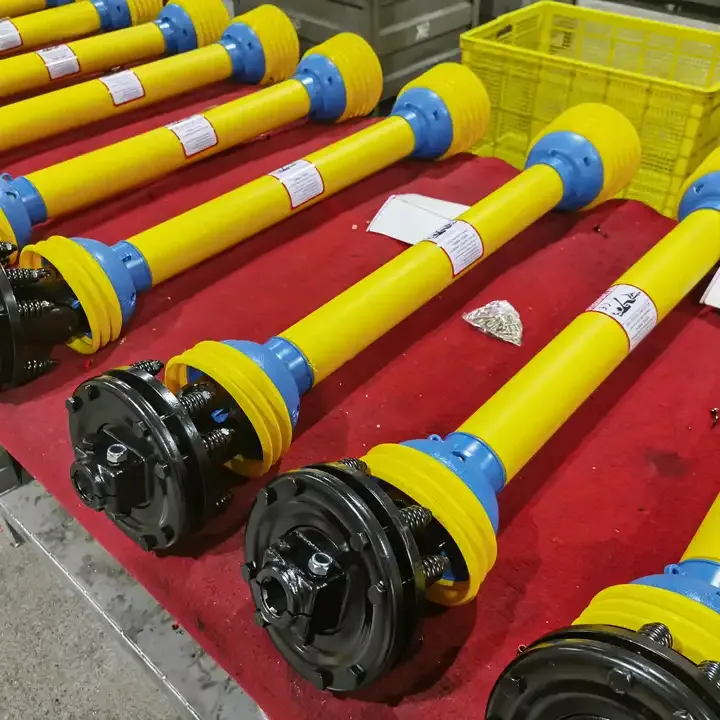
Selection Guide for German Test Benches
- Determine peak torque and RPM envelope of the engine under test.
- Calculate required torsional stiffness (target natural frequency >2× max RPM).
- Choose CV joint version for zero velocity fluctuation on high-speed electric-motor dynos.
- Verify axial stroke covers thermal expansion (typical 150–250 mm).
- Select balance grade G1 or G2.5 according to sensor sensitivity.
Installation & Maintenance SOP (German Automotive Standard)
Step-by-step alignment, phasing, greasing schedule and vibration monitoring protocol fully compliant with VDMA and EU Machinery Regulation. Full illustrated guide available on request.
FAQ – 5 Most Asked Questions by German Test Engineers
- How do I eliminate torque ripple caused by single-cardan shafts? Use our double-CV configuration – ripple drops below 0.5 % at 12,000 RPM.
- What is the maximum critical speed for a 2.5 m test-bench shaft? Our carbon-fiber hybrid version reaches 19,500 RPM critical speed.
- Do your shafts meet the new EU Machinery Regulation 2023/1230? Yes – full guarding, risk assessment documentation and CE marking supplied.
- Can I retrofit existing Comer/GKN test cells? Direct flange and spline compatibility with reference dimensions provided.
- What is the typical L10 bearing life in continuous 24/7 dyno operation? >80,000 hours with our sealed needle-roller cross joints and central lubrication.
Why Choose Us for Your German Test-Bench Project
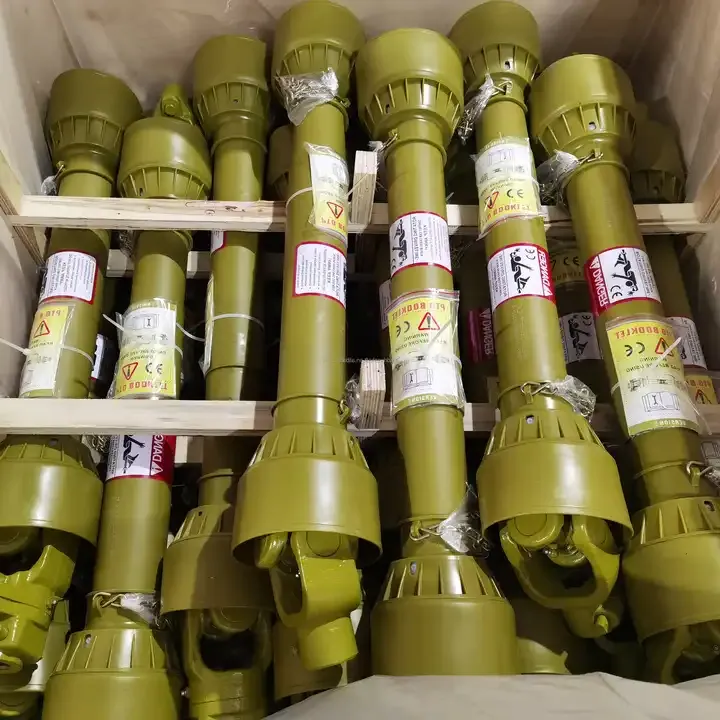
Short lead times from our European stock, full traceability, VDMA member support and 24-month warranty. Local service engineers in Stuttgart, Munich and Wolfsburg guarantee same-day response.
Latest Industry News – Germany & Europe 2026
BMW Leipzig plant begins humanoid-robot pilot with advanced drive-shaft integration (Feb 2026). VDMA reports 5 % revenue dip but strong demand for high-precision test equipment remains. EU Machinery Regulation 2023/1230 enforcement accelerates – all rotating shafts now require documented risk assessment. New ABB ISO specification for robot energy measurement highlights need for ultra-efficient transmission components.