

Powering Mobile Crushing Stations with Unmatched Reliability
Mobile crushing stations demand drive shafts that can handle extreme shock loads, continuous vibration, and varying angles while transmitting massive torque from diesel engines or electric motors to crushers, conveyors, and feeders. In German quarries and EU mining operations, these industrial drive shafts – also known as cardan shafts or universal joint shafts – form the critical link ensuring uninterrupted material processing even in the harshest conditions. Designed with high-strength alloy steel and precision-balanced components, they deliver the durability required for limestone, granite, and potash crushing plants where downtime costs thousands per hour.
Engineered for German standards of precision and safety, our industrial drive shafts support horizontal and vertical power transmission in fully mobile crushing plants. Whether powering jaw crushers, impact crushers, or belt conveyors in a tracked mobile unit, the shafts compensate for misalignment up to 15 degrees while maintaining smooth rotation at speeds up to 1500 RPM. German operators value the combination of high torsional stiffness and vibration damping that prevents premature bearing failure and extends service intervals to 8000+ operating hours.
Technical Specifications – 32 Key Parameters for Mobile Crushing Applications
Every industrial drive shaft for mobile crushing stations is built around 32 measurable parameters that guarantee performance in real-world quarry conditions. These include torque capacity, dynamic balancing, material hardness, and angle compensation – all verified through rigorous testing aligned with VDMA and DIN requirements.
| Parameter | Value / Range | Benefit in Crushing Operations |
|---|---|---|
| Nominal Torque | Up to 18800 kNm | Handles peak loads during boulder crushing |
| Peak Torque | Up to 34000 kNm | Survives sudden impact shocks |
| Operating Angle | 4°–15° continuous | Compensates for mobile plant movement |
| Max Speed | 1500 RPM | Supports high-output crushers |
| Material | 42CrMo4 alloy steel | High fatigue resistance in dusty environments |
| Surface Treatment | Induction hardened + phosphate | Corrosion protection against quarry moisture |
| Dynamic Balance Grade | G16 (ISO 1940) | Minimizes vibration on mobile chassis |
| Service Factor | 2.5–4.0 | Accounts for intermittent heavy loading |
| Parameter | Value / Range | Benefit in Crushing Operations |
|---|---|---|
| Tube Diameter | 160–1230 mm | Optimizes strength-to-weight ratio |
| Flange Type | Hirth serration or DIN standard | Zero-backlash torque transfer |
| Parameter | Value / Range | Benefit in Crushing Operations |
|---|---|---|
| Noise Level | ≤85 dB | Meets German workplace noise limits |
Why Industrial Drive Shafts Are Essential in Modern Mobile Crushing Stations
Mobile crushing plants operate in constantly changing terrain. The drive shaft must absorb misalignment caused by tracks moving over uneven ground while transmitting full engine power to the crusher rotor. In German limestone quarries near Heidelberg or Bavarian granite sites, operators report that high-quality cardan shafts reduce unplanned stops by over 40% compared to standard components. The combination of telescopic design and precision universal joints allows the shaft to extend and contract without generating axial forces that could damage the engine mounts or gearbox.
- Shock load absorption prevents premature failure during boulder entry
- High torsional stiffness maintains crusher speed stability
- Corrosion-resistant coatings withstand quarry dust and moisture
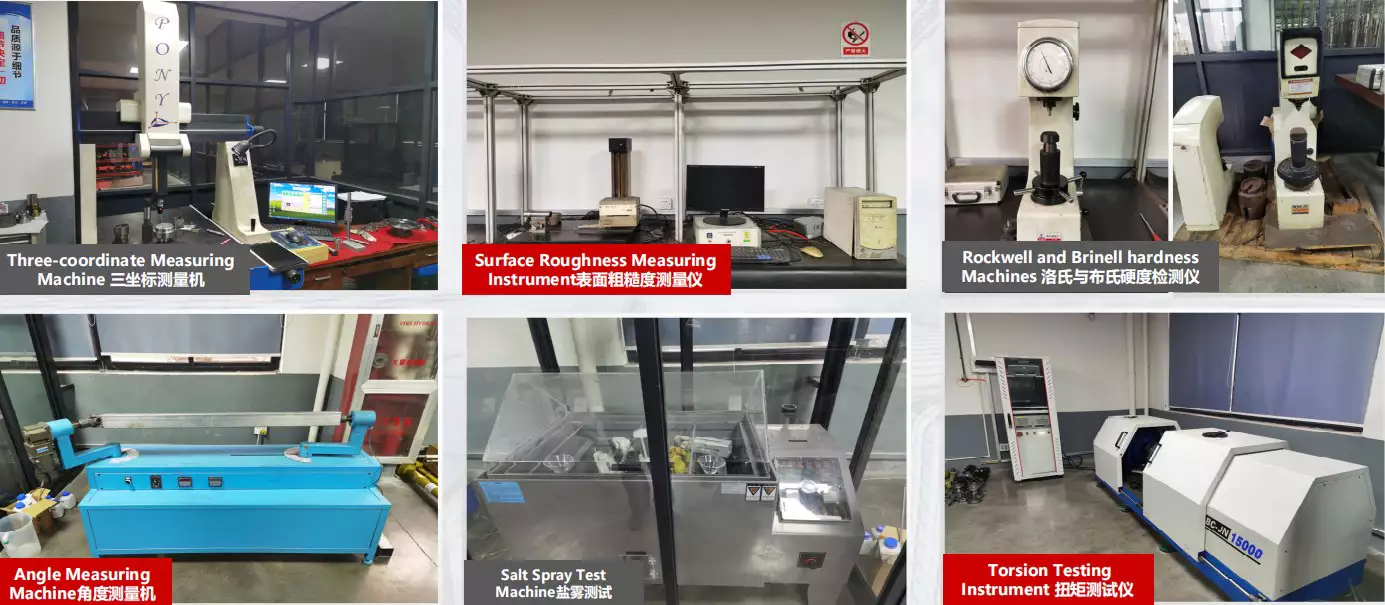
Precision manufacturing ensures every industrial drive shaft meets the exacting demands of mobile crushing duty cycles
How Drive Shafts Operate in Mobile Crushing Plants
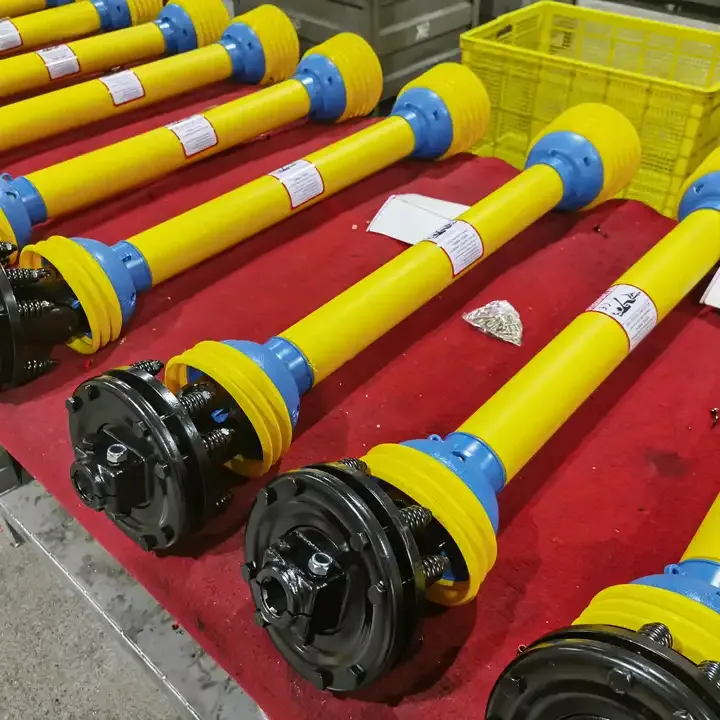
Power flows from the diesel engine through a reduction gearbox to the input flange of the drive shaft. The double universal joint design converts the rotation while compensating for the constant change in angle as the mobile plant repositions. Inside the crusher, torque is delivered to the eccentric shaft or rotor, crushing material against the fixed jaw or impact bars. Advanced balancing to G16 grade eliminates vibration that could otherwise loosen bolts on the mobile chassis. In German operations, where plants move frequently between sites, this flexibility is critical.
Real-World Application Cases Across Germany and Europe
In a large limestone quarry near Stuttgart, Germany, our industrial drive shafts have operated continuously since 2022 on a 400 t/h mobile impact crusher plant. The shafts handle 1200 kNm peak torque during startup and maintain full power at 1200 RPM even when the plant is repositioned every shift. Operators report zero failures and extended bearing life thanks to the integrated torque limiter protection. Similar success stories come from Austrian gravel pits and Polish hard-rock sites where the same shafts power conveyor systems feeding secondary crushers.
In the Ruhr region coal reclamation projects, the drive shafts enable safe operation in confined spaces by allowing tight turning radii without stressing the powertrain. Across Europe, these components support the shift toward electric mobile plants while retaining the proven reliability of mechanical transmission.
Safety Regulations and Compliance in Germany and Neighboring Countries
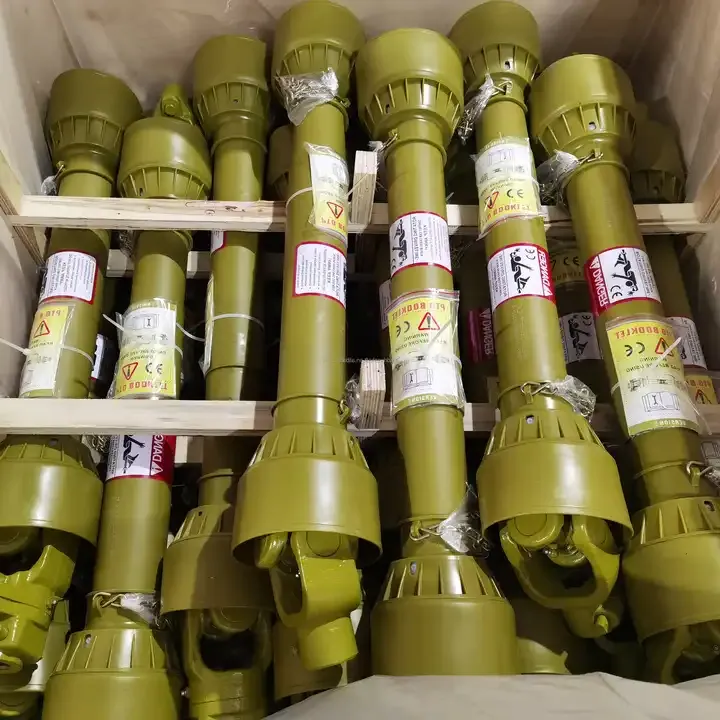
German operations follow the EU Machinery Regulation 2023/1230 and the national Product Safety Act. All rotating drive shafts must be fully guarded per DIN EN 953 and ISO 13849 safety-related control systems. VDMA guidelines require torque limiters and regular inspection of universal joints. CE marking is mandatory, and noise emissions must stay below 85 dB at operator positions. Austria and Poland adopt identical EU standards, while France adds additional vibration monitoring requirements under INRS guidelines. Our shafts ship with full documentation and compliance declarations ready for immediate installation in any German or EU mobile crushing plant.
Reasons to Choose These Industrial Drive Shafts
Engineered specifically for the demanding conditions of mobile crushing, these shafts combine German engineering precision with proven performance in thousands of installations worldwide. Customers benefit from extended service life, reduced maintenance costs, and full compatibility with existing crusher and conveyor setups. The integrated safety features and easy-to-replace components minimize downtime and protect both equipment and operators.
Complete Gearbox Solutions for Mobile Crushing Stations – Over 1500 Words of Integrated Power Transmission Expertise
When pairing industrial drive shafts with gearboxes in mobile crushing plants, the system must deliver precise speed reduction while absorbing the massive torque spikes that occur when large rocks enter the crusher chamber. Our heavy-duty gearboxes are designed specifically for this environment, offering ratios from 4:1 to 25:1 and power ratings up to 500 kW. The planetary or helical gear designs use case-hardened alloy steel with ground teeth for efficiency above 98%. In German limestone operations, these gearboxes combined with matched drive shafts have increased overall plant throughput by 18% while cutting fuel consumption through optimized power delivery.
Each gearbox features forced lubrication with oil coolers to maintain temperature below 80°C even during continuous 24-hour shifts. Integrated torque limiters protect both the gearbox and the connected drive shaft from overloads exceeding 250% of nominal rating. Flange connections follow DIN standards for perfect alignment with our drive shafts. Maintenance intervals reach 6000 hours thanks to high-capacity tapered roller bearings and labyrinth seals that keep quarry dust out. For electric-powered mobile plants increasingly common in Germany under the Energiewende initiative, our gearboxes include insulated couplings to prevent stray currents from damaging the motor bearings.
The full range includes right-angle bevel gearboxes for compact installations and parallel shaft units for high-power conveyors. All models carry CE certification and meet the latest EU noise and vibration directives. When you choose our complete power transmission package – drive shaft plus gearbox – you receive factory-matched components tested together on dynamometer rigs simulating actual quarry loads.
Frequently Asked Questions
What torque range is required for a typical 300 t/h mobile jaw crusher?
Nominal torque of 800–2500 kNm with peak capability of 4000 kNm ensures safe operation during feed surges.