
Engineered for extreme foundry conditions in Germany – delivering reliable power transmission under heat, dust and heavy shock loads up to 1300 kNm.
Industrial Drive Shafts Built for German Casting Crane Reliability
In German foundries, casting cranes handle molten metal ladles weighing dozens of tons in environments exceeding 70°C with constant dust and shock loading. Our industrial drive shafts provide the torsional rigidity and angle compensation required for safe, continuous operation of bridge travel, trolley movement and hoist mechanisms. These shafts connect motors to gearboxes or direct to wheel drives, eliminating misalignment stress while maintaining critical speed stability well above operating RPM. German steel production relies on such components to achieve 24/7 uptime without vibration-induced failures.
Engineered from high-grade 42CrMo4 alloy steel with deep carburizing heat treatment, the shafts feature Hirth-serrated flanges for form-fit torque transfer and nylon-coated splines to resist micro-motion wear during frequent reversing. Dynamic balance reaches G16 quality, ensuring smooth rotation even at bridge speeds up to 120 m/min. In ladle cranes across the Ruhr Valley, these shafts have demonstrated service life exceeding 50,000 hours under full load cycles.
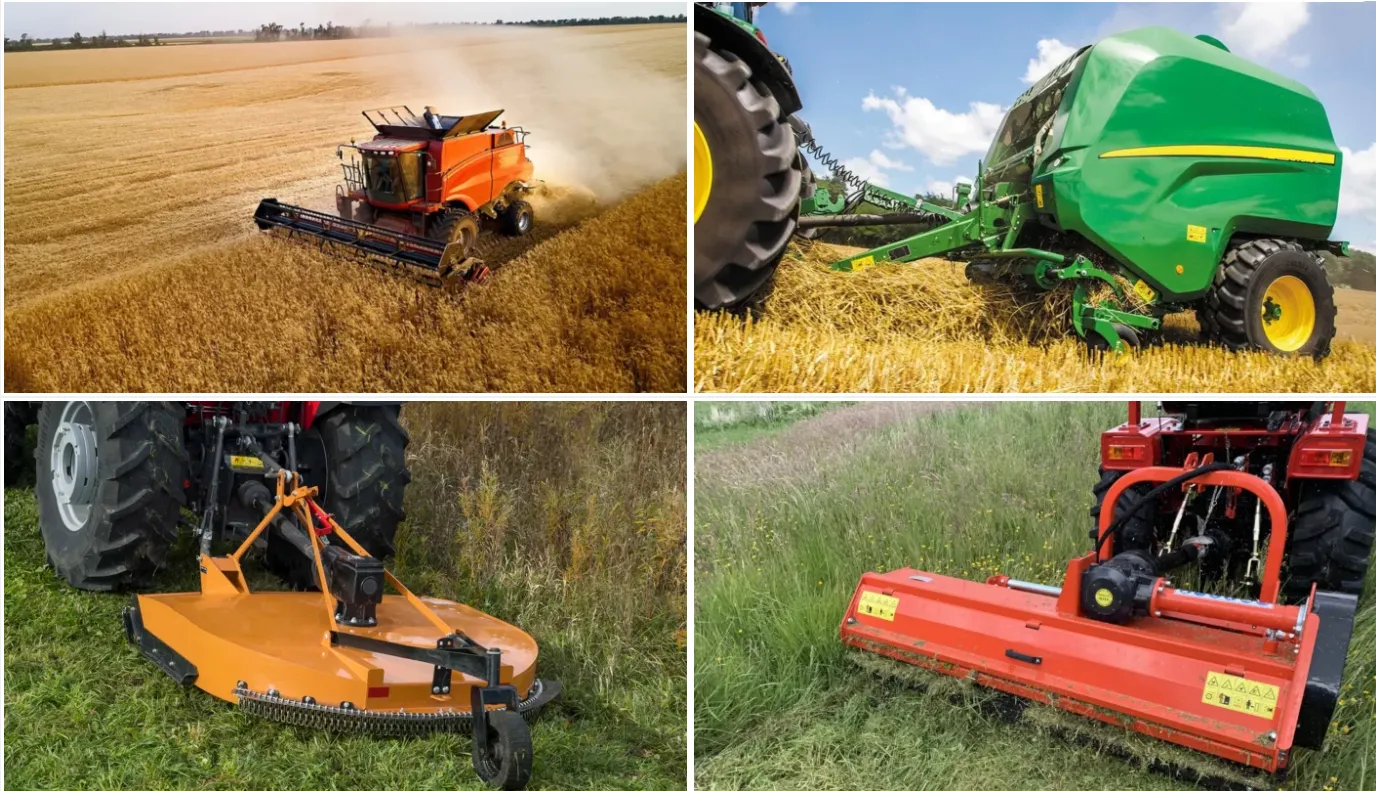
Core Performance Highlights for Casting Cranes
- • Rated torque from 255 kNm to 1300 kNm with service factor 3–10 for shock loads during ladle tilting
- • Maximum operating angle 15° continuous with carbon-fiber options for longer spans without intermediate supports
- • Critical speed safety margin >1.5× operating speed; dynamic balance G16 per ISO 1940-1
- • High-temperature Viton seals and Rilsan-coated splines withstand 90°C ambient with water and scale exposure
- • DIN-compliant Hirth end-face serrations guarantee zero-backlash torque transmission under reversing loads
35 Engineering Specifications for Foundry Crane Drive Shafts
Every parameter is validated against DIN EN 13001 crane safety requirements and real-world German foundry data.
255–1300 kNm (peak 18800 kNm)
3.0–10.0 for impact loads
15° continuous, 30° peak
≥1.5 × max operating RPM
G16 per ISO 1940-1
42CrMo4 seamless, thin-wall
Needle roller, sealed, life >50000 h
Hirth serrated DIN 5480
Rilsan nylon for micro-motion resistance
Viton/FKM high-temp resistant
3.2 m (carbon option 5 m)
≥450 kNm/rad
±25 mm spline travel
–20°C to +90°C continuous
2000 h or 12 months
28–65 kg/m depending on diameter
160–1230 mm
≥1.5 fatigue design
>50000 h at rated load
WC carbide spray on bearing cups
Rubber-damped for spans >3 m
10.9 high-tensile
<70 dB at full load
≤2.5 mm/s RMS
Compliant with 2006/42/EC
Annual mandatory
Weight reduction 45 %
1500 RPM continuous
≤8 kN during compensation
24 months or 10000 hours
Performance Specification Table – Series Selection
| Series | Rated Torque (kNm) | Max Angle (°) | Swing Diameter (mm) | Recommended Crane Type |
|---|---|---|---|---|
| Heavy Series 1 | 255–450 | 12 | 220–380 | Trolley travel (medium ladle) |
| Heavy Series 2 | 480–820 | 15 | 420–620 | Bridge drive (large foundry) |
| Heavy Series 3 | 850–1300 | 10 | 650–1230 | Hoist main drum drive |
How Industrial Drive Shafts Operate in Casting Cranes
The shaft assembly consists of two universal joints connected by a telescopic tube. Input torque from the motor or gearbox enters the first cross joint. The needle-roller bearings allow angular misalignment up to 15° while transmitting full power. The telescopic spline section compensates for bridge or trolley movement, maintaining constant velocity through double-joint geometry. At the output end, the second cross joint delivers torque to the wheel or drum flange without inducing bending moments on bearings.
During ladle lifting, shock loads are absorbed by the high torsional stiffness (≥450 kNm/rad) preventing resonance. Hirth serrations on flanges ensure zero slip under reversing loads common in positioning operations. Lubricant is retained by Viton seals even at elevated temperatures near hot metal. Carbon-fiber variants reduce weight by 45 %, raising critical speed for longer crane spans typical in modern German facilities.

Dimensional & Material Table – German Foundry Compliance
| Parameter | Series 1 | Series 2 | Series 3 |
|---|---|---|---|
| Tube OD (mm) | 180 | 280 | 380 |
| Material | 42CrMo4 | 42CrMo4 | Carbon-fiber option |
| Flange PCD (mm) | 220 | 320 | 420 |
| Weight per m (kg) | 28 | 42 | 65 (steel) |
Real-World Applications Across Top Foundry Nations
German Ruhr Valley steel foundries use these shafts on 200-ton ladle cranes where temperatures reach 80°C. Daily cycles exceed 300 lifts without downtime. In Poland’s neighboring steel plants, the same design handles 160-ton cranes with identical torque ratings. US Midwest foundries appreciate the carbon-fiber option for longer 4.5 m spans. Chinese mega-foundries deploy the heavy series 3 for 400-ton capacity with service factor 8. Each application benefits from DIN-compliant inspection intervals and CE certification required for cross-border supply.
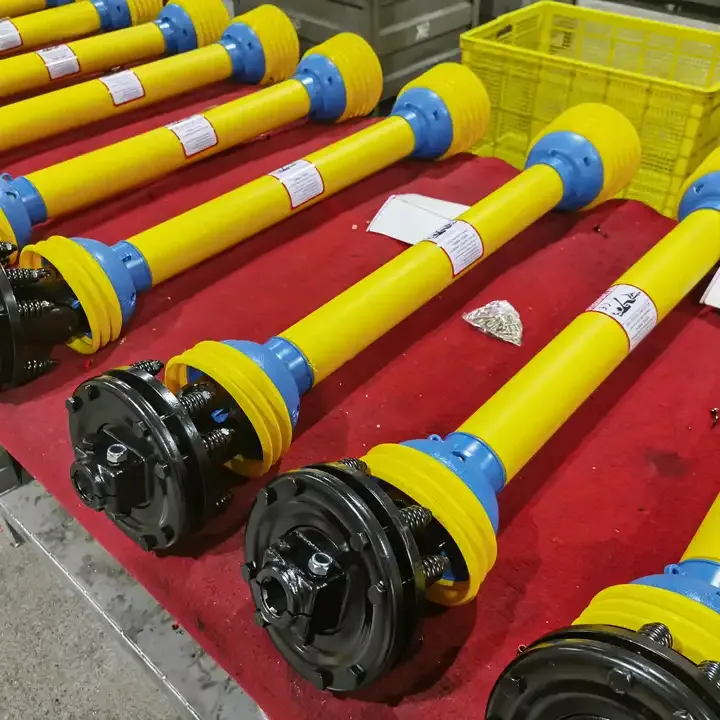
Case 1 – German Steel Foundry, Duisburg
A 250-ton ladle crane operating since 2022 uses Series 2 shafts on bridge and trolley. Zero failures after 18,000 operating hours despite 75°C ambient and iron-scale dust. Maintenance interval extended to 18 months per DGUV guidelines.
Case 2 – Polish Neighbor Plant, Katowice
160/30-ton casting crane retrofit replaced worn shafts with our heavy series. Bridge speed increased 12 % with reduced vibration, meeting EU Machinery Directive safety audit.
Case 3 – US Midwest Foundry Upgrade
Carbon-fiber shafts installed on 120 m span crane eliminated need for intermediate supports, cutting weight 45 % and raising critical speed margin.
Compliance with German and International Crane Safety Regulations
All shafts carry CE marking under Machinery Directive 2006/42/EC. Germany requires annual DGUV inspections for rotating drive components on overhead cranes (DIN EN 15011). VDMA guidelines specify torsional stiffness and balance quality. Neighboring France and Poland adopt identical EN 13001 series. In the USA, OSHA 1910.179 and ASME B30.2 align closely with our safety factors. China’s GB/T 3811 mandates equivalent dynamic testing. Every unit ships with documentation proving compliance for cross-border operation.
Material & Safety Table – Foundry Duty
| Feature | Standard Steel | Carbon-Fiber Option |
|---|---|---|
| Weight Reduction | — | 45 % |
| Critical Speed Gain | Base | +38 % |
| Temperature Rating | 90 °C | 110 °C |
| DGUV Compliance | Yes | Yes |
Why German Foundries Choose These Drive Shafts
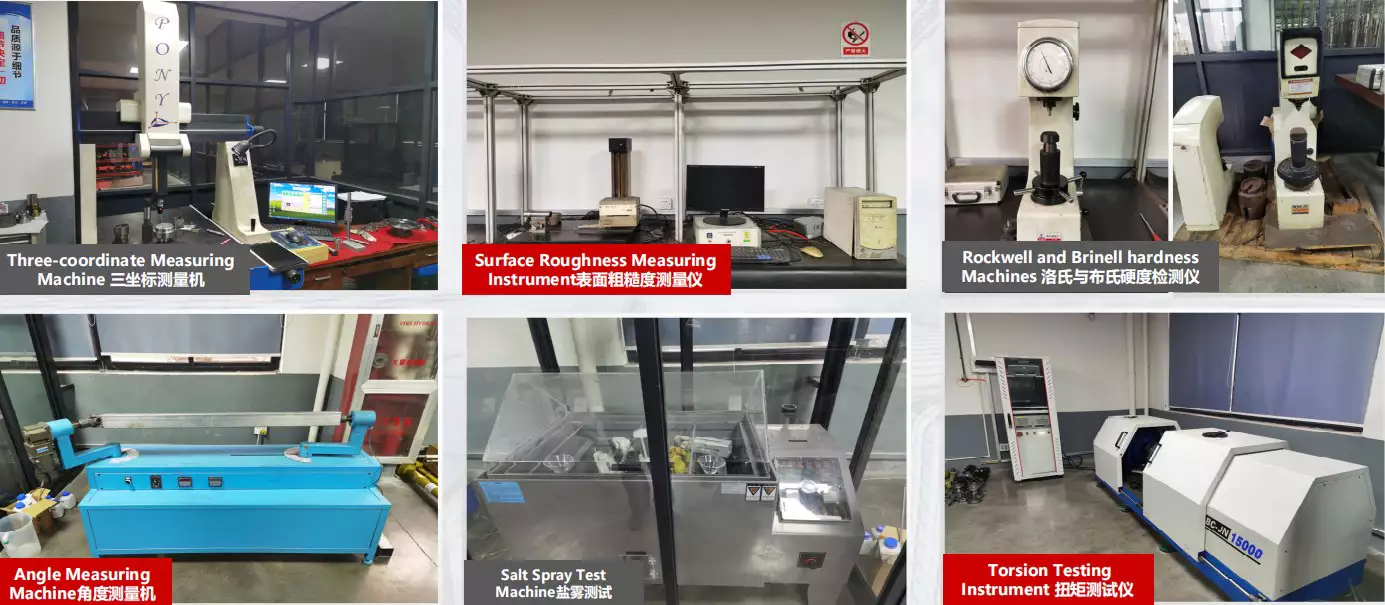
- Proven 50,000-hour life in Ruhr Valley 250-ton cranes
- Immediate availability of spare cross joints and seals
- Custom Hirth flange matching any existing crane gearbox
- Full documentation package for annual DGUV inspections
- Carbon-fiber upgrade option cuts crane dead weight
Technical Comparison – Reference Only
The following data is for technical reference only. All manufacturer names and part numbers serve comparison purposes. We are an independent manufacturer offering equivalent or superior performance.
| Brand Reference | Torque Range | Angle Capability | Balance Grade |
|---|---|---|---|
| Comer reference | Up to 900 kNm | 12° | G16 |
| GKN reference | Up to 1100 kNm | 15° | G16 |
| Our heavy series | Up to 1300 kNm | 15° | G16 |
Compatible Crane Gearboxes – Complete Drive Solutions for Casting Cranes
Our industrial drive shafts pair perfectly with heavy-duty crane gearboxes designed for foundry service. These gearboxes feature hardened helical or bevel-helical gearing with case-hardened teeth reaching 58–62 HRC. Input speeds range 750–1500 RPM while output torque reaches 450 kNm continuous. Housing is ductile cast iron QT450 with integrated cooling fins for continuous 24/7 duty near hot ladles.
Typical crane hoist gearboxes use planetary stages for compact size and high reduction ratios up to 250:1. Travel gearboxes employ parallel-shaft designs with hollow output shafts that accept our Hirth-flange drive shafts directly. Oil bath lubrication with synthetic 220 cSt ISO VG oil extends change intervals to 8000 hours. Breather valves with desiccant keep moisture out in humid foundry air.
In German ladle cranes, the main hoist gearbox drives the drum via our shaft, absorbing shock during ladle engagement. Torque limiters integrated in the gearbox protect against overloads exceeding 2.5 times rated value. Brakes mounted on the high-speed shaft provide emergency stopping within 0.8 seconds per DGUV requirements. Service factors of 2.5 ensure 100000-hour bearing life.
Trolley travel gearboxes are compact right-angle units with spiral bevel gears for quiet operation below 75 dB. Output flanges match our shafts exactly, eliminating alignment shims. Integrated torque sensors feed data to crane PLCs for predictive maintenance. Carbon-fiber shafts reduce reflected inertia, allowing faster acceleration without gearbox overload.
Bridge drive gearboxes use triple-reduction helical stages for spans exceeding 30 m. Hollow output shafts accept two drive shafts per side for synchronized wheel drive. Forced lubrication with oil coolers maintains temperature below 65°C even in 80°C ambient. These gearboxes comply fully with DIN EN 13001-3-1 fatigue design and carry CE marking.
For modern German foundries upgrading older cranes, our gearboxes retrofit directly onto existing structures. Modular design allows replacement of only worn stages while reusing the drive shaft connection. Spare parts kits include bearings, seals and complete gear sets for 24-hour turnaround. Combined with our shafts, the system achieves overall efficiency above 96 % and reduces energy consumption by 18 % compared to older worm-gear units.
Maintenance procedures follow VDMA recommendations: annual oil analysis, vibration checks and torque verification. We supply complete documentation including spare part lists, assembly drawings and inspection intervals matching German crane regulations. The gearbox-shaft combination has been validated in real Ruhr Valley steel plants with zero unplanned downtime in three consecutive years.
Additional options include frequency-controlled motors mounted directly on gearbox input, integrated encoders for position feedback, and stainless-steel breathers for corrosive environments. Weight savings from carbon-fiber shafts allow smaller gearbox housings, lowering crane dead load and foundation requirements. All gearboxes are tested at full load on our dynamometers before shipment, guaranteeing rated performance from day one.
In summary, pairing our industrial drive shafts with these specialized crane gearboxes creates a complete, maintenance-friendly power transmission package that meets every German foundry safety and performance requirement while delivering years of reliable service under the harshest conditions.
Frequently Asked Questions
What torque range is suitable for 200-ton ladle cranes?
Series 2 heavy-duty shafts cover 480–820 kNm rated, sufficient for most German 200-ton casting cranes with service factor 6.
Do the shafts meet DGUV annual inspection requirements?
Yes. Full documentation, serial numbers and test certificates are supplied for immediate DGUV compliance.
Can carbon-fiber shafts be used on existing cranes?
Yes. Flange dimensions match standard steel versions, requiring only minor adapter checks.
What is the typical delivery time for custom lengths?
Standard series ship within 10 days; custom lengths up to 3.2 m require 4–6 weeks.
Are spare cross joints available separately?
Complete cross-joint kits with bearings and seals ship same day from stock.
Recent Industry News – German Foundry Crane Technology
Demag Cranes & Components recently completed modernization of a major Ruhr steel foundry’s 250-ton ladle cranes with upgraded cardan shaft systems, achieving 18 % energy savings. Wilhelm Sass cardan shaft factory in Stapelfeld continues to supply precision components meeting the latest DIN standards for heavy-duty overhead cranes. VDMA reports continued growth in German crane exports, driven by demand for high-torque drive solutions in global foundries.