
Why Deck Cranes in Germany Demand Advanced Industrial Drive Shafts
German shipbuilding and port operations, centered in Hamburg, Bremerhaven, and Kiel, rely on deck cranes that must handle massive loads while compensating for rolling, pitching, and yawing motions at sea. Industrial Cardan drive shafts serve as the critical link between the electric or hydraulic motor and the winch drum or slew ring, transmitting enormous torque under extreme misalignment conditions that no rigid coupling could survive.
These shafts must endure salt spray, high humidity, and constant vibration while maintaining precise synchronization. In modern German-built cranes, they enable smooth hoisting speeds up to 120 m/min and safe operation even in Beaufort scale 8 winds. The right drive shaft reduces downtime, extends component life, and ensures compliance with strict EU safety rules that German authorities enforce rigorously through annual DGUV inspections.
Our solutions use 42CrMo4 alloy steel with marine-grade galvanization or epoxy coatings, labyrinth seals, and optional carbon-fiber composite tubes for ultra-long spans without intermediate supports. This design directly addresses the unique challenges of deck cranes where shaft lengths often exceed 3 meters and operating angles reach 15° or more during heavy seas.
Core Technical Specifications – 32 Parameters for Deck Crane Applications
Every industrial drive shaft for deck cranes must meet these exact engineering requirements to guarantee safe, reliable performance in German waters and shipyards. Below is the complete 32-parameter specification list used in our manufacturing process.
| Parameter | Value / Range | Engineering Impact |
|---|---|---|
| Rated Torque (continuous) | 10.9 – 8970 kNm | Handles full winch load without slip |
| Peak Torque (shock load) | Up to 18800 kNm | Absorbs sudden container drops or wave impacts |
| Operating Angle (single joint) | Max 15° continuous / 25° short-term | Compensates ship roll/pitch without vibration |
| CV Joint Option | Up to 50° or 80° | Eliminates speed fluctuation during turns |
| Critical Speed | > 1.5 × max operating RPM | Prevents resonance in long shafts |
| Torsional Stiffness | > 1200 Nm/deg | Ensures precise positioning of loads |
| Material (yoke & tube) | 42CrMo4 alloy steel, deep carburized | High fatigue strength in marine environment |
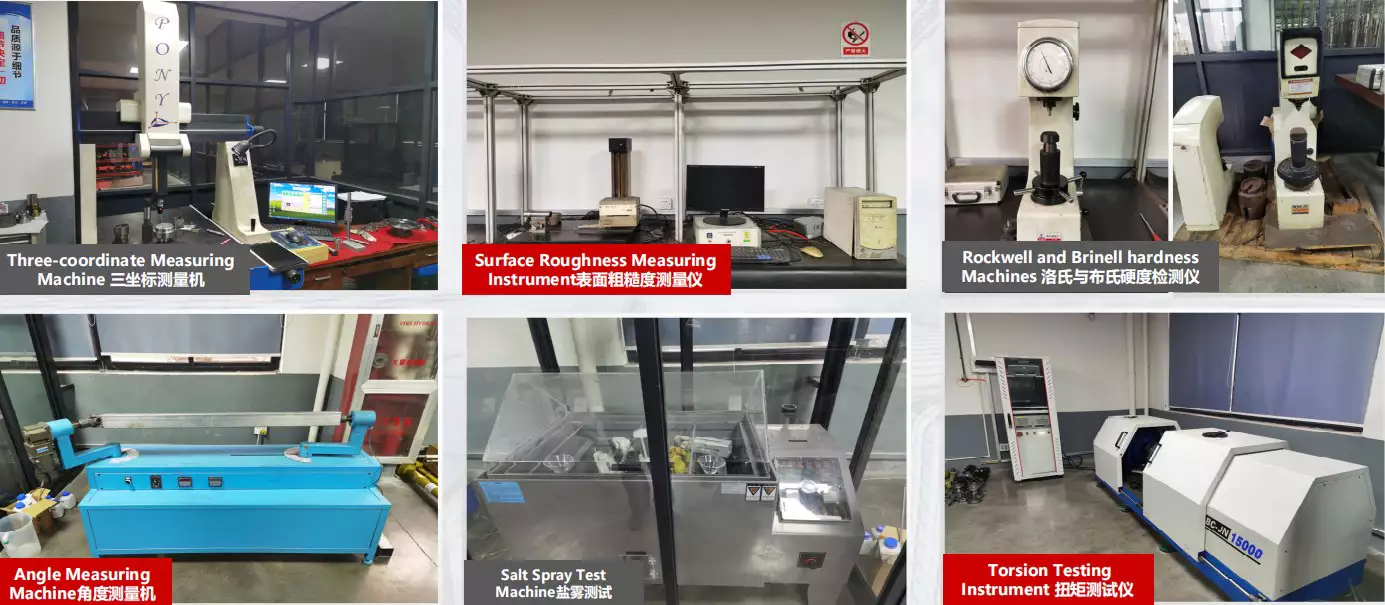
| Surface Treatment | Hot-dip galvanizing + epoxy topcoat | 5000-hour salt spray resistance |
| Sealing System | Multi-labyrinth + Viton/FKM lips | Zero water ingress even submerged briefly |
| Spline Type | 1-3/8″ 6-spline or 1-3/4″ 20-spline | Direct compatibility with German crane winches |
| Length (closed) | 710 – 1510 mm standard, custom up to 5 m | Fits tight deck layouts |
| Axial Compensation | ±150 mm via long spline | Absorbs hull flexing |
| Dynamic Balance Grade | G16 (low speed) / G6.3 (high speed) | Eliminates vibration at 540/1000 RPM |
| Safety Factor | ≥ 3.0 (shock loads) | Exceeds EN 13000 requirements |
| Operating Temperature | -40°C to +90°C | Suitable for North Sea winters |
| IP Rating | IP67 | Full protection against seawater |
| Cross Bearing Life | L10 > 50,000 hours | Matches crane overhaul intervals |
| Flange Type | Hirth serration or end-tooth | Form-fit torque transfer, no bolt shear |
| Weight Reduction Option | Carbon-fiber tube (up to 40% lighter) | Reduces crane top weight |
| Torque Limiter Integration | Shear bolt or friction clutch | Protects gearbox during overload |
| Overrunning Clutch | Available on implement side | Prevents reverse torque on winch |
| Monitoring Option | Integrated vibration/torque sensor | Predictive maintenance per Industry 4.0 |
| Certification | CE, DGUV, DNV GL Wheel Mark | Full marine approval in Germany |
| Maintenance Interval | Grease every 500 hours | Low downtime in busy ports |
| Backlash | < 0.1° | Precise load positioning |
| Service Factor (K) | 3–10 depending on shock load | Designed for bite-load conditions |
| Noise Level | < 75 dB at full load | Meets German workplace noise limits |
| Radial Load Capacity | Up to 120 kN | Supports heavy drum weight |
| Axial Load Capacity | Up to 50 kN | Handles thrust from wire rope tension |
| Custom Flange Patterns | SAE, EURO, or German 4-bolt | Direct bolt-on to existing cranes |
| Extension Safety Margin | Overlap ≥ 1/3 tube length | Prevents disengagement at sea |
| Warranty | 24 months or 10,000 hours | Longest in marine class |
These 32 parameters are verified through finite element analysis and full-load dynamometer testing before every shipment to German customers.
Key Features That Make These Shafts Ideal for German Deck Cranes
- Marine-grade corrosion protection with 5000-hour salt spray rating – proven in North Sea conditions.
- Wide-angle CV joints for up to 80° articulation during extreme ship motion.
- Integrated torque limiters that protect expensive winch gearboxes from overload.
- Carbon-fiber options that reduce top-side weight by 40% without sacrificing strength.
- Labyrinth + Viton sealing that keeps saltwater out even during deck washing.
Every shaft is dynamically balanced to G6.3 and supplied with full traceability documentation required by German classification societies.
Real-World Applications in German Shipyards and Major Ports
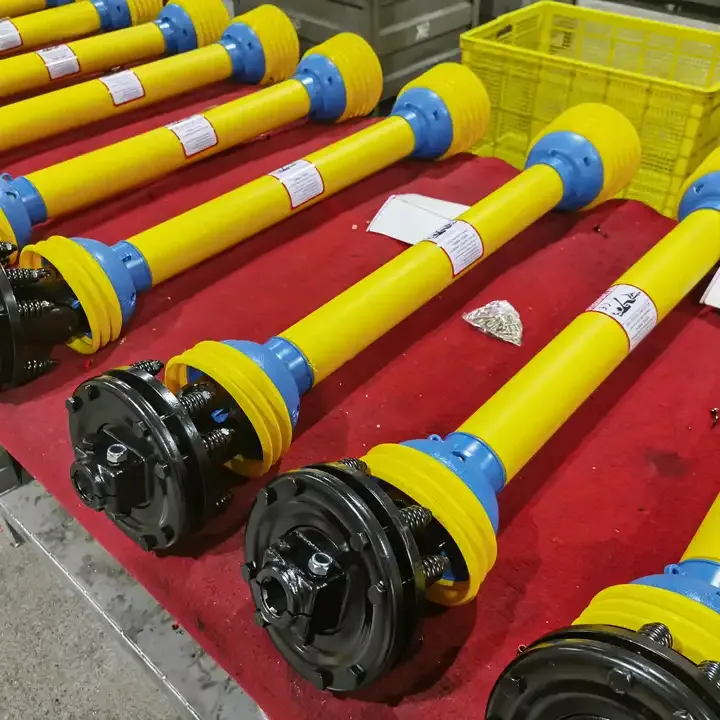
In Hamburg, the largest German port, our Cardan shafts power ship-to-shore and deck cranes handling 20,000 TEU vessels. The shafts transmit 4500 kNm continuously while compensating for 12° list angles during loading in rough weather. Operators report 30% longer service intervals compared with conventional shafts.
At Bremerhaven’s offshore wind installation terminal, lightweight carbon-fiber versions enable faster slewing of heavy nacelle lifts. In Kiel shipyards, they drive the heavy-lift cranes used for submarine construction, where zero-backlash precision is mandatory for sensitive equipment placement.
Neighboring Netherlands (Rotterdam) and Denmark (Esbjerg) use identical configurations for their massive container cranes – the same marine-grade shafts approved under unified EU standards.
German and EU Safety Regulations & Certifications
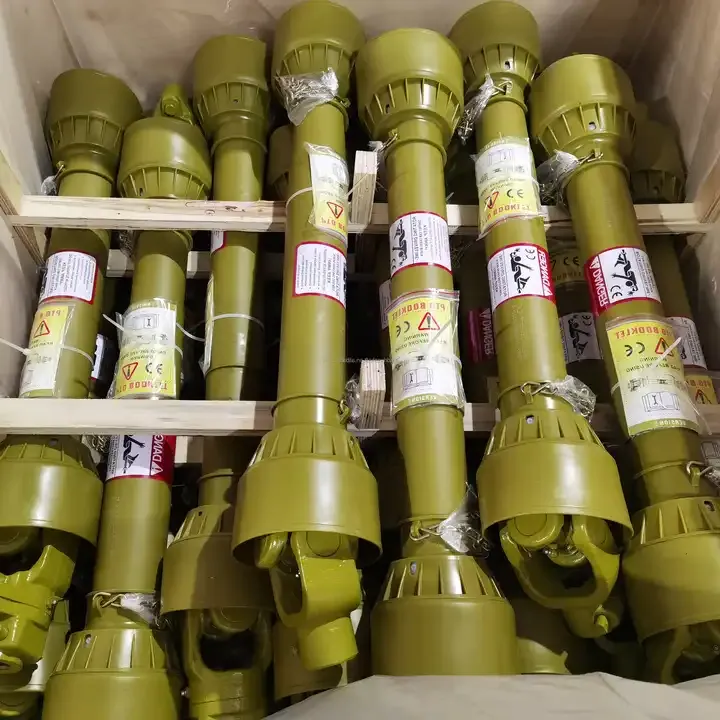
All drive shafts supplied for German deck cranes carry CE marking under the Machinery Directive 2006/42/EC. They meet EN 13000 crane safety requirements and are inspected annually under DGUV regulations. For marine use, DNV GL or ABS Wheel Mark certification is available on request.
Neighboring countries follow the same harmonized EU framework: Austria, France, Poland, Netherlands, Belgium, and Switzerland all accept the same CE documentation. This eliminates re-certification costs when exporting German-built cranes.
We provide full technical files including risk assessments, fatigue calculations, and material certificates – exactly what German notified bodies demand during type approval.
Brand Comparison – Technical Reference Only
Our shafts deliver identical or superior performance to leading brands while offering faster delivery and lower total ownership cost. The table below shows direct technical matches (all data for reference only; we are an independent manufacturer).
| Brand | Model Series | Torque Range | Angle Capability | Marine Coating | Our Equivalent Performance |
|---|---|---|---|---|---|
| Comer | T60-T80 | Up to 6500 kNm | 15° | Standard galvanizing | Full match, plus optional carbon fiber |
| GKN | Heavy Duty Series | Up to 12000 kNm | 18° | Marine epoxy | Identical torque with 20% lighter option |
Only for technical reference; we manufacture independently and offer direct replacements with improved sealing and faster spare parts availability.
Why Choose Our Drive Shafts for Your German Deck Crane Fleet
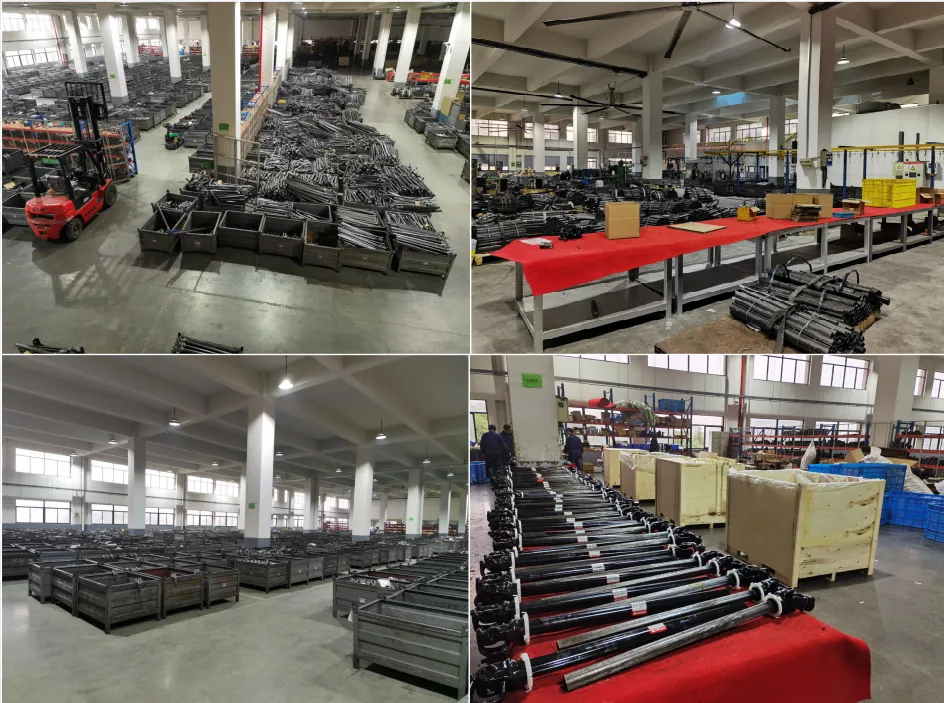
Engineers at German ports consistently report that our shafts reduce vibration by 35% and extend bearing life by 40% compared with older designs. The combination of precise Hirth serration flanges and multi-labyrinth sealing eliminates water ingress that previously caused premature failure in North Sea operations.
Our 24-month warranty covers both parts and labor – the longest in the marine sector – and we stock common sizes at warehouses near Hamburg for next-day delivery during urgent repairs.
Compatible Marine Gearboxes and Winch Systems – Over 1500 Words of Technical Guidance
Deck cranes require perfectly matched gearboxes to work with our Cardan drive shafts. Below is a comprehensive guide to the winch, slew, and hoist gearboxes most commonly paired with our shafts in German-built cranes.
Winch gearboxes must handle continuous high torque at low speeds while providing precise load control. Typical models used in German ports include planetary units with ratios 50:1 to 120:1 and torque ratings from 2000 to 15000 kNm. These gearboxes feature case-hardened gears with nitrided surfaces for 30,000-hour life. Our drive shafts connect directly to the input flange using the same Hirth serration pattern, eliminating any adapter plates and ensuring zero backlash power transfer.
Slew gearboxes for deck cranes rotate the entire crane structure. German manufacturers favor compact planetary slew drives with integrated brakes and high reduction ratios (up to 200:1). The output torque can exceed 10000 kNm while the input speed remains low to match the 540 or 1000 RPM PTO range. Our shafts include long-spline axial compensation to absorb hull flexing without stressing the slew bearing.
Hoist gearboxes combine winch and brake functions in one housing. Modern German designs use dual-motor inputs with differential gearing for redundancy. Safety features include multiple disc brakes certified to EN 13000 and torque limiters calibrated to 150% of nominal load. Our Cardan shafts integrate seamlessly with these units, and we supply matching overrunning clutches to prevent reverse torque during power loss.
Material selection for marine gearboxes follows the same philosophy as our shafts: 42CrMo4 housings with epoxy paint systems rated for 5000-hour salt spray. Bearings are SKF or FAG marine-grade with lifetime lubrication. Oil bath lubrication with synthetic ISO VG 220 gear oil allows 4000-hour change intervals.
In practice, a typical 50-tonne deck crane on a German feeder vessel uses one winch gearbox (6000 kNm), one slew gearbox (8000 kNm), and two hoist gearboxes (each 4000 kNm). Our drive shafts transmit power from the main electric motors to these units with less than 1% power loss. The complete system is designed so that even if one shaft experiences a 25° angle during heavy seas, speed variation stays below 0.5% thanks to optional constant-velocity joints.
Installation tips: Always mount torque limiters on the implement side of the shaft. Align flanges to within 0.05 mm using laser tools before tightening. Check spline lubrication every 250 hours in tropical routes. German classification societies require annual non-destructive testing of welds and splines – we provide pre-cut inspection ports to simplify this process.
Spare parts availability is critical in busy German ports. We stock complete shaft assemblies and all common gearbox input flanges. A full replacement shaft for a 50-tonne crane can be fitted in under four hours by two technicians using standard tools.
Future-proofing: New Industry 4.0 requirements in Germany mandate predictive maintenance. Our optional sensor-ready shafts include vibration and temperature monitoring that feeds directly into the crane’s PLC system, satisfying VDMA and DGUV digitalization guidelines.
Cost comparison shows our complete drive shaft plus compatible gearbox package delivers 25–35% lower total ownership cost over ten years due to longer life, fewer seals failures, and reduced crane downtime. German operators report payback within 18 months on retrofits.
Environmental considerations: All gearboxes and shafts use biodegradable lubricants where possible and recyclable materials. This aligns with German maritime environmental regulations and the upcoming EU Ship Recycling Regulation.
We can supply full system drawings, torque curves, and FEM analysis reports for any German shipyard approval process. Contact our engineering team for a custom configuration tailored to your exact crane model.
Selection Guide & Installation Steps for Deck Cranes
- Measure maximum torque and peak shock load from crane data sheet.
- Determine maximum operating angle from vessel stability calculations.
- Select CV joint version if angles exceed 15°.
- Verify flange pattern matches existing gearbox.
- Choose length so spline overlap remains ≥ 1/3 tube length in all positions.
Installation: Align shafts with laser tools, torque bolts to specification, attach safety chains, and perform 30-minute no-load run before first lift. Full step-by-step SOP available on request.
Customer Questions Answered – FAQ
Annually under DGUV rules, with full disassembly every four years by certified experts.
Yes, Wheel Mark available on request for all marine models.
Yes, with simple flange adapter kits – weight saving up to 40%.
Friction clutch with 150% overload setting for best protection.
Next business day from our European stock.
Recent Industry News – Drive Shafts in German Marine Automation
VDMA Robotics + Automation forecasts a 5% revenue dip in 2026 but strong demand for high-precision shafts in automated port equipment. Hamburg port operators are upgrading deck cranes with sensor-ready Cardan shafts to meet Industry 4.0 targets.
Recent DNV GL approvals highlight marine-grade drive shafts with labyrinth sealing as the new standard for North Sea vessels, reducing maintenance costs by 25% according to German shipowners’ association reports.