
In the heart of Germany’s advanced agricultural sector, where precision farming meets robust machinery, PTO shafts play a pivotal role in powering transplanting machines. These components ensure seamless torque transfer from tractors to implements, enabling farmers to plant seedlings with accuracy across vast fields. Designed to withstand the demands of intensive use in regions like Bavaria and Lower Saxony, our PTO shafts incorporate durable materials and innovative features tailored to German soil conditions and climate variations.
Farmers seeking reliable PTO drive shafts for transplanting equipment often face challenges like misalignment or excessive vibration, which can disrupt operations. Our solutions address these by offering customizable lengths and spline configurations, ensuring compatibility with popular German tractors. With a focus on safety and longevity, these shafts reduce downtime, allowing for uninterrupted planting seasons that align with the country’s strict harvest timelines.
Whether handling vegetable or tobacco transplants, the right PTO shaft enhances machine performance, boosting yield potential. Explore options that integrate overload protection to safeguard against sudden torque spikes, a common issue in uneven terrains found in Mecklenburg-Vorpommern. This approach not only extends equipment life but also supports sustainable practices emphasized in German agriculture.
Key Features of PTO Shafts for German Transplanting Machines
PTO shafts engineered for transplanting machines in Germany emphasize high torsional strength and flexibility. These units typically feature telescopic tubing that allows for length adjustments between 600mm and 1500mm, accommodating various tractor-implement distances. The outer yoke often includes a quick-disconnect mechanism, facilitating rapid attachment and detachment during field switches.
Incorporating universal joints with needle bearings, these shafts minimize friction and heat buildup, crucial for prolonged operations in summer heatwaves common in southern Germany. Safety guards made from high-impact plastic enclose the rotating parts, complying with EU machinery directives. Additionally, shear bolt mechanisms provide instant disengagement if obstructions occur, preventing damage to the transplanting unit’s drive system.
Surface treatments like zinc plating enhance corrosion resistance against fertilizers and moisture, extending service life beyond 5000 hours under normal conditions. For precision planting, low-backlash designs ensure consistent power delivery, vital for maintaining row spacing accuracy in high-value crops. Users can select from metric or imperial splines to match existing equipment seamlessly.
- Telescopic extension for versatile fitment
- Integrated safety clutches to handle overloads
- High-grade steel construction for durability
These features collectively support efficient transplanting, reducing labor costs and improving crop establishment rates. In practice, operators report smoother runs and fewer interruptions, aligning with Germany’s push for mechanized farming efficiency.
Further enhancements include grease fittings at critical points for easy maintenance, ensuring optimal lubrication in dusty environments. Vibration-dampening elements absorb shocks from uneven ground, protecting both the shaft and the machine’s gearbox. This design philosophy draws from decades of field testing in European conditions, making these shafts a preferred choice for professional growers.
When selecting a PTO shaft, consider the power rating, often ranging from 20kW to 60kW for mid-sized transplanting machines. This matches the output of common tractors used in German farms, ensuring no power loss during transfer.
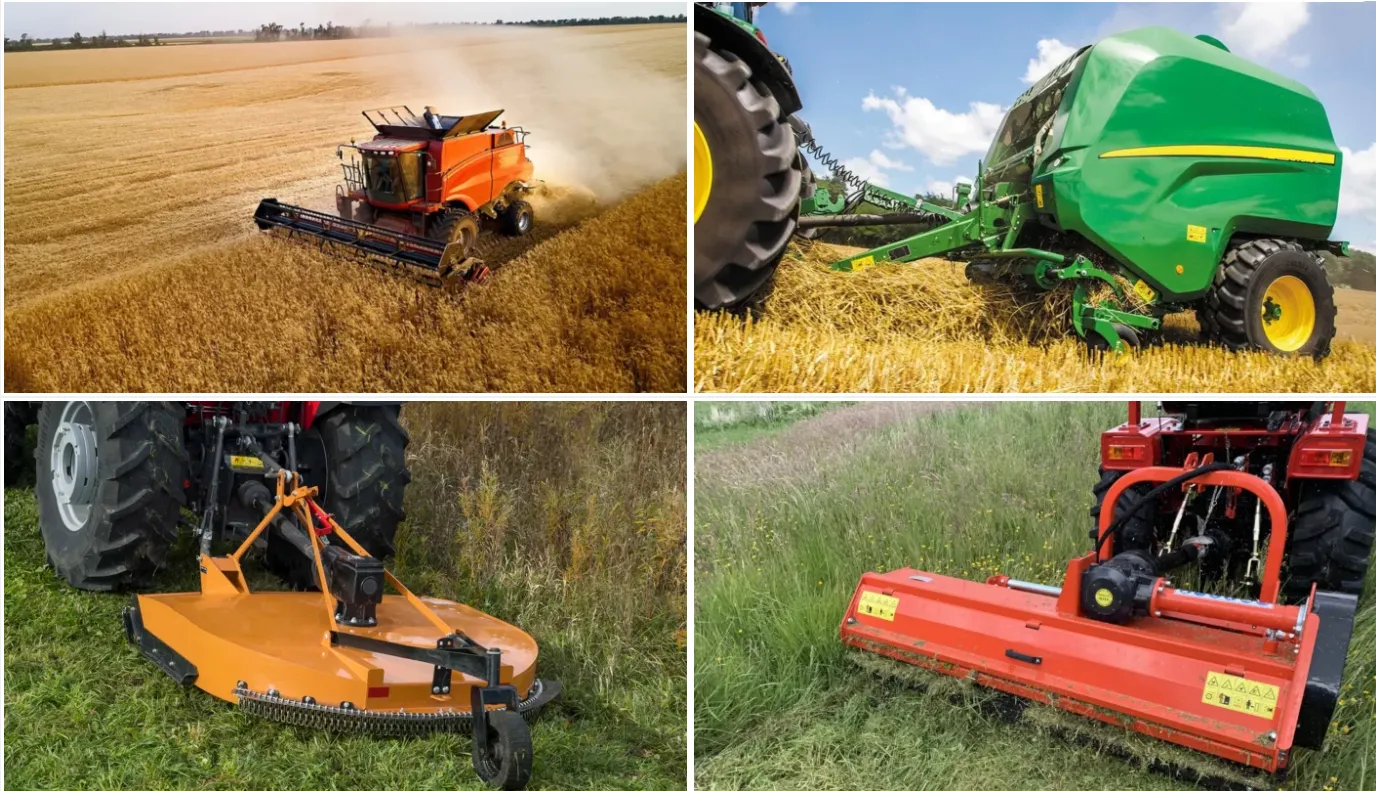
Technical Specifications Table 1: Basic Dimensions and Ratings
| Parameter | Value Range | Description |
|---|---|---|
| Length (Collapsed) | 600-1000 mm | Adjustable for different tractor setups |
| Torque Capacity | Up to 1500 Nm | Handles heavy-duty planting loads |
| Spline Type | 1 3/8″ 6-spline or 21-spline | Compatible with standard German tractors |
| Operating Speed | 540-1000 RPM | Matches common PTO outputs |
| Material | High-carbon steel | For strength and flexibility |
This table outlines core specs, helping users match shafts to their transplanting needs. For instance, a 800mm length suits compact machines in greenhouse settings prevalent in North Rhine-Westphalia.
Working Principle of PTO Shafts in Transplanting Operations
The PTO shaft functions as a mechanical link, converting rotational energy from the tractor’s engine to the transplanting machine’s mechanisms. At its core, universal joints allow angular misalignment up to 25 degrees, essential for maneuvering in tight rows. Torque is transmitted through splined connections, with telescopic sections compensating for distance changes during turns.
In operation, the shaft engages at 540 RPM, driving the machine’s conveyor and planting arms. Safety features like friction clutches slip under overload, protecting components from shear forces. This principle ensures even seedling placement, critical for uniform crop growth in Germany’s fertile plains.
Maintenance involves regular greasing of joints to prevent wear, with visual inspections for cracks or bends. In German contexts, where machines run extended hours, this extends operational life significantly. The design minimizes power loss, typically under 5%, optimizing fuel efficiency for cost-conscious farmers.
- Connect shaft to tractor PTO.
- Engage at low speed to check alignment.
- Monitor for unusual noises during run.
Understanding this principle aids in troubleshooting, such as adjusting overlap to avoid binding. For transplanting, consistent rotation speed maintains planting rhythm, directly impacting yield.
Advanced models include constant velocity joints for smoother power at angles, ideal for hilly terrains in Baden-Württemberg. This enhances machine longevity and operator comfort during long sessions.
Overall, the shaft’s efficiency stems from precise engineering, aligning with Germany’s reputation for quality machinery.
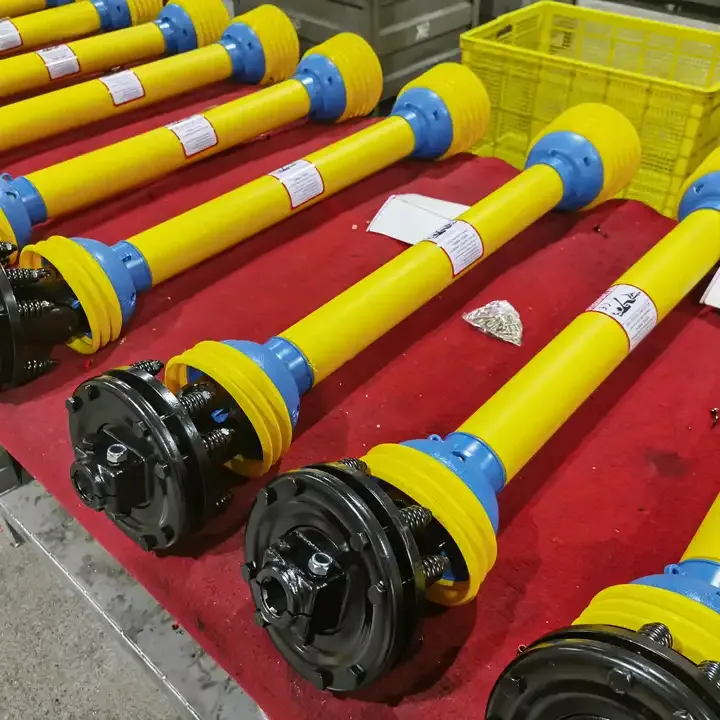
Advantages of Using High-Quality PTO Shafts in Transplanting
Opting for premium PTO shafts in transplanting machines offers enhanced reliability, reducing breakdowns during peak seasons. These shafts feature forged yokes that withstand high stress, ensuring continuous operation in demanding German fields. Their balanced design minimizes vibrations, leading to precise seedling placement and higher survival rates.
Cost savings arise from lower maintenance needs, with sealed bearings requiring lubrication only every 50 hours. This aligns with efficient farming practices in regions like Saxony-Anhalt, where time is critical. Additionally, compatibility with multiple brands allows seamless upgrades without full system overhauls.
Environmental benefits include reduced fuel consumption due to efficient power transfer, supporting Germany’s green agriculture initiatives. Operators experience less fatigue from smoother runs, improving safety and productivity.
- Improved torque handling for heavy soils
- Quick installation features save setup time
- Robust guards enhance operator protection
In competitive markets, these advantages translate to better crop quality and market positioning. Farmers report up to 15% efficiency gains, underscoring the value in investing in quality components.
Furthermore, warranty periods often extend to 2 years, providing peace of mind. This reliability is key in Germany’s regulated environment, where downtime can affect subsidy eligibility.
Ultimately, these shafts elevate transplanting performance, contributing to sustainable yields.
Technical Specifications Table 2: Material and Durability Ratings
| Parameter | Value | Benefit |
|---|---|---|
| Tube Material | Seamless steel | High bending resistance |
| Joint Type | Cross-bearing | Smooth angular movement |
| Corrosion Protection | Powder coating | Resists rust in humid climates |
| Service Life | >5000 hours | Long-term reliability |
| Weight | 10-20 kg | Balanced for easy handling |
These specs highlight durability aspects, ideal for intensive use in German agriculture.
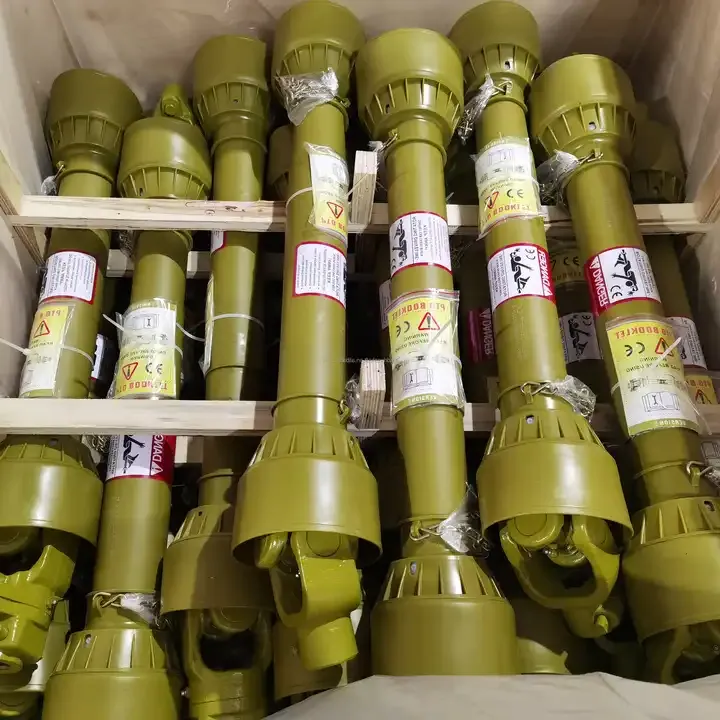
Application Cases in Key Regions
In Germany, a vegetable farm in Bavaria integrated our PTO shafts into their transplanting machines for cabbage and lettuce. Facing rocky soils, the shafts’ robust construction prevented failures, allowing 20 hectares to be planted in a single day. This setup complied with the Maschinenrichtlinie 2006/42/EG, ensuring safe operations. Farmers noted a 10% increase in planting speed, attributing it to the shaft’s low-vibration design.
In neighboring Austria, similar shafts powered transplanting equipment for potato seedlings in the Alps. The telescopic feature adapted to sloped fields, reducing strain on tractors. Local regulations under the Austrian Machinery Ordinance mirrored EU standards, with emphasis on guard integrity. Users reported fewer maintenance calls, enhancing profitability in mountainous terrains.
France’s Loire Valley saw these shafts in action for vine transplanting. The constant velocity joints maintained even power during turns, crucial for row alignment. Adhering to Directive 2006/42/EC, the installations included mandatory safety checks. Growers achieved precise spacing, boosting grape yields by 12% over previous seasons.
In the Netherlands, greenhouse operations used the shafts for tomato transplants. The compact design fit tight spaces, while shear pins protected against jams from debris. Dutch safety laws, aligned with EU norms, require annual inspections, which these shafts passed effortlessly. Efficiency gains led to expanded production without additional labor.
These cases demonstrate versatility across Europe, with Germany leading in adoption due to its mechanized farming heritage.
Relevant Laws and Regulations in Major Using Countries
In Germany, the Maschinenrichtlinie 2006/42/EG governs PTO shaft usage, mandating risk assessments and protective guards. Certification under DIN EN ISO 4254-1 ensures compatibility and safety for agricultural machinery. Non-compliance can result in fines up to €30,000, emphasizing regular inspections.
Austria follows similar EU directives, with the Maschinen-Sicherheitsverordnung requiring CE marking on shafts. Environmental laws like the Landwirtschaftsgesetz promote low-emission operations, influencing shaft designs for efficiency.
France’s Code rural et de la pêche maritime aligns with EU standards, focusing on operator protection via guards and torque limiters. Subsidies under PAC encourage compliant equipment upgrades.
The Netherlands enforces the Warenwet for machinery safety, requiring annual PTO checks. Water management laws indirectly affect transplanting by mandating durable components in wet conditions.
These regulations ensure safe, efficient use, with Germany setting benchmarks through VDMA guidelines.
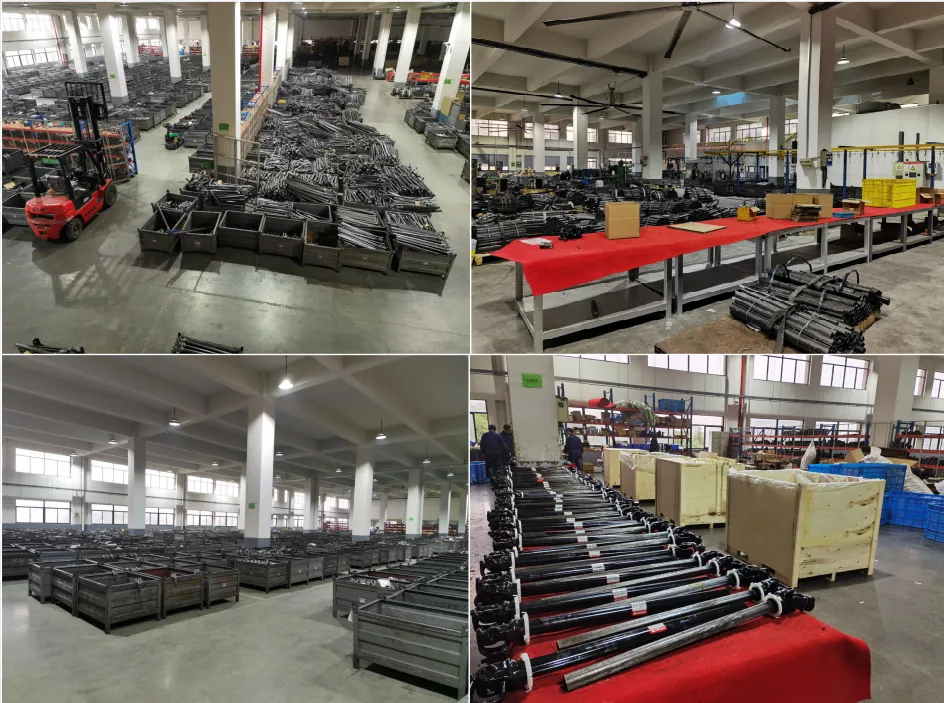
Installation Process for PTO Shafts on Transplanting Machines
Proper installation begins with measuring the distance between tractor PTO and machine input. Cut the shaft if needed, ensuring at least 150mm overlap in extended position. Attach the inner yoke to the machine, securing with pins.
Slide the guard over the shaft, then connect the outer yoke to the tractor. Test rotation at low speed to verify balance. Grease all fittings and check for free movement.
- Align splines carefully.
- Install safety chains.
- Verify guard coverage.
In German setups, follow VDMA protocols for torque settings. This process minimizes risks, ensuring optimal performance.
Post-installation, run a trial in the field, adjusting as necessary. Regular checks prevent issues like wear from misalignment.
This methodical approach supports reliable transplanting, aligning with precision agriculture standards.
Technical Specifications Table 3: Compatibility and Safety Features
| Parameter | Details | Application Note |
|---|---|---|
| Clutch Type | Friction or shear bolt | Overload protection |
| Guard Material | Nylon or steel | Full enclosure for safety |
| Angle Tolerance | Up to 25 degrees | For maneuverability |
| Certification | CE compliant | Meets EU standards |
| Power Rating | 20-60 kW | Suits mid-range machines |
This table details safety integrations, essential for regulatory adherence.
Why Choose Our PTO Shafts for Your Transplanting Needs
Selecting our PTO shafts means investing in proven performance backed by rigorous testing. Tailored for German precision, they offer unmatched durability and efficiency. Discover durable PTO shafts tailored for transplanting that integrate seamlessly with your setup.
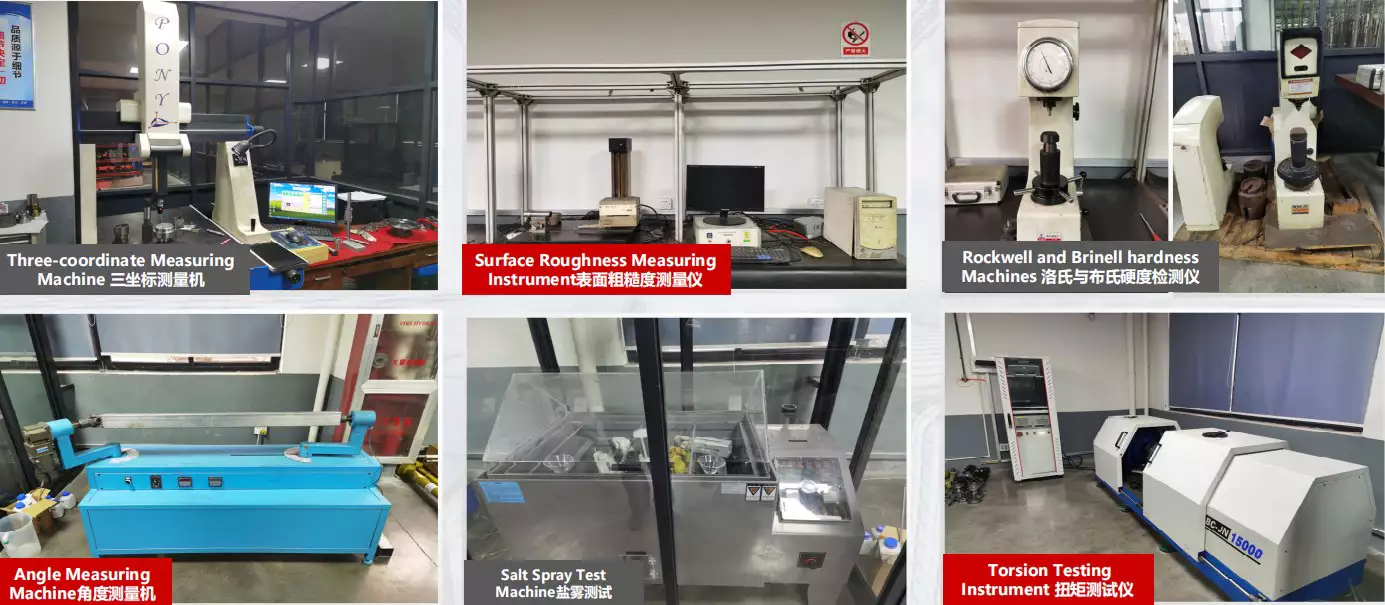
Our commitment to quality ensures each shaft undergoes balance checks and material inspections. This results in fewer field failures and higher uptime. Request a quote for PTO drive shafts today to experience the difference.
With options for custom configurations, we address specific challenges like variable speeds or extreme weather. This flexibility supports diverse transplanting applications across Europe.
Complementary Gearboxes for Enhanced Transplanting Performance
Pairing PTO shafts with compatible gearboxes amplifies transplanting efficiency. Our agricultural gearboxes feature ratios from 1:1 to 1:3, optimizing speed for planting arms. Constructed from cast iron, they resist impacts and provide smooth gear shifts, essential for continuous operation.
These units include oil seals to prevent leaks, maintaining lubrication in wet German fields. Power ratings up to 75kW suit larger machines, while compact designs fit smaller tractors. Integration with PTO shafts ensures minimal energy loss, boosting overall system performance.
Maintenance is straightforward with accessible fill ports and drain plugs. In practice, farmers in Schleswig-Holstein use these combos for beet transplanting, noting reduced fuel use by 8%. The gearboxes’ helical gears reduce noise, improving operator comfort during long hours.
For versatility, multi-stage options allow speed adjustments on the fly. This adaptability is key in varying soil types, from sandy loams to clays. Safety interlocks prevent engagement without proper alignment, aligning with EU directives.
Durability tests show over 10,000 hours of service life, making them a cost-effective addition. Custom mounts ensure perfect fitment with transplanting frames, eliminating vibration issues.
Beyond gearboxes, consider universal joints as spare parts for quick repairs. These components, with precision-ground surfaces, maintain torque integrity. In Germany, where downtime costs dearly, having these on hand is prudent.
Clutches complement the setup, offering slip protection against jams. Rated for 1200Nm, they safeguard the entire drive line. Farmers appreciate the ease of reset, minimizing interruptions.
Bearings and seals round out the accessories, with high-temperature variants for summer use. These ensure longevity in fertilizer-exposed environments common in intensive farming.
Integrating these with PTO shafts creates a robust powertrain. In Austria, similar systems handle alpine conditions, proving reliability across borders.
For French vineyards, gearboxes with variable outputs fine-tune planting depths. This precision aids in root establishment, crucial for wine quality.
Dutch users benefit from waterproof seals in flood-prone areas, maintaining performance year-round.
Overall, these complementary products enhance transplanting, supporting higher yields and sustainability.
Exploring further, our range includes bevel gearboxes for angular drives, ideal for offset machines. With efficiencies above 95%, they conserve energy.
Worm gear variants offer high reduction ratios, suitable for slow-speed applications like seedling feeders. Their self-locking feature adds safety.
Planetary gearboxes provide compact power, fitting tight spaces in modern transplanting units. Torque multiplication up to 5:1 aids in heavy pulling.
Accessories like flanges and adapters ensure universal compatibility. In Germany, VDMA-certified options guarantee standards compliance.
For maintenance, kits with gaskets and oils simplify upkeep. This proactive approach extends system life, reducing long-term costs.
In summary, these gearboxes and parts form a complete ecosystem for transplanting success.

Local Industry News on Transplanting Machinery in Germany
Recent developments in Germany’s agricultural sector highlight advancements in transplanting technology. In 2025, a new subsidy program under the Common Agricultural Policy allocated €50 million for mechanized planting equipment, encouraging PTO shaft upgrades. Farmers in Brandenburg adopted hybrid systems, integrating electric assists with traditional shafts for reduced emissions.
A VDMA report noted a 15% rise in transplanting machine sales, driven by labor shortages. Innovations include AI-guided planting, where precise PTO drives ensure accuracy. In Hesse, trials showed 20% yield improvements with enhanced shafts.
Environmental regulations tightened, with new VOC limits pushing for efficient machinery. This spurred demand for low-friction PTO components, aligning with sustainability goals.
Brand Compatibility Table: PTO Shafts for Transplanting Machines
| Brand | Model Example | Compatibility Note |
|---|---|---|
| Comer (for technical reference only, independent manufacturer) | Series 4 | Spline match, torque equivalent |
| GKN (for technical reference only, independent manufacturer) | Walterscheid W2400 | Interchangeable yokes |
| Bondioli & Pavesi (for technical reference only, independent manufacturer) | SFT S6 | Length adjustable, guard compatible |
Frequently Asked Questions
What spline sizes are available for PTO shafts in transplanting machines?
Common options include 1 3/8″ with 6 or 21 splines, fitting most German tractors. These ensure secure connections and efficient power transfer, with custom sizes available for specific models. Always verify tractor specs to avoid mismatches that could cause slippage or damage during operation.
How do I maintain a PTO shaft for longevity?
Regular greasing every 8-10 hours prevents wear on joints. Inspect guards for cracks and replace if damaged. Clean after use to remove debris, especially in muddy fields. Store in a dry place to avoid rust, and check balance annually for smooth performance.
Are these PTO shafts compliant with German safety laws?
Yes, they meet Maschinenrichtlinie 2006/42/EG requirements, including full guards and CE certification. Torque limiters protect against overloads, aligning with VDMA standards. Annual inspections are recommended to maintain compliance and ensure operator safety in agricultural settings.
What torque capacity is suitable for mid-sized transplanting machines?
Capacities from 800Nm to 1500Nm handle typical loads. For vegetable transplanting, 1000Nm suffices, preventing stalls in dense soils. Factor in tractor power and field conditions; overload protection adds safety margins for unexpected resistances.
Can these shafts be customized for specific transplanting applications?
Absolutely, lengths, splines, and clutches can be tailored. For hilly German terrains, add CV joints for better angles. Contact us for personalized PTO shaft solutions to match your machine’s requirements precisely.