
Core Technical Parameters for PTO Shafts in Subsoiler Applications
When selecting a PTO shaft for subsoilers operating in Germany’s varied terrains, from the loamy soils of Lower Saxony to the clay-heavy grounds in Baden-Württemberg, understanding key parameters ensures seamless integration with tractors like those used in Mecklenburg-Vorpommern’s large-scale farms. These shafts are built to handle high loads, with features that align with local machinery standards.
| Parameter | Specification |
|---|---|
| Nominal Torque (Nm) | Up to 2500 Nm for heavy-duty operations |
| Maximum Operating Speed (RPM) | 540 or 1000 RPM standard |
| Length Range (mm) | 600-1500 mm adjustable |
| Yoke Type | Quick-release with 6-spline or 21-spline |
| Material Composition | High-strength steel alloy (42CrMo4) |
| Universal Joint Angle (Degrees) | Up to 25 degrees for flexibility |
| Shear Bolt Torque Limiter (Nm) | 1200-1800 Nm protection |
| Tube Profile | Lemon or triangular for torque efficiency |
| Weight (kg/m) | Approximately 5.5 kg per meter |
| Corrosion Resistance Rating | C3-C4 per ISO 12944 for humid climates |
| Fatigue Life (Cycles) | Over 1 million cycles under load |
| Lubrication Interval (Hours) | Every 8-12 operating hours |
| Safety Guard Material | Reinforced polymer compliant with EN 12965 |
| Power Rating (kW) | Up to 150 kW for large subsoilers |
| Extension Capability (mm) | 200-400 mm telescopic range |
| Vibration Damping Coefficient | Less than 0.05 g at full speed |
| Heat Treatment Process | Carburizing and quenching for durability |
| Spline Profile Standard | DIN 5480 compliant |
| Overload Protection Type | Friction clutch or ratchet |
| Operating Temperature Range (°C) | -20 to +80 for year-round use |
| Balance Quality Grade | G6.3 per ISO 1940 |
| Cross Bearing Size (mm) | 27×74.6 or larger |
| Seal Type | Triple-lip for dust resistance |
| Assembly Tolerance (mm) | ±0.05 for precision fit |
| Surface Finish (Ra) | 0.8 micrometers for smooth operation |
| Warranty Period (Months) | 24 months standard |
| Certification | CE and ISO 9001 compliant |
| Noise Level (dB) | Below 85 dB at full load |
| Axial Load Capacity (kN) | Up to 10 kN |
| Radial Load Capacity (kN) | 5-8 kN depending on size |
| Bending Moment (Nm) | Maximum 500 Nm |
These parameters are derived from extensive testing in regions like North Rhine-Westphalia, where subsoilers tackle dense soils after heavy rains. For instance, the nominal torque rating allows for consistent performance in Thuringia’s rolling hills, preventing downtime during peak seasons.
Germany Extreme Conditions Field Studies for Subsoiler PTO Shafts
In Germany’s agricultural heartlands, such as Schleswig-Holstein’s coastal plains, subsoilers equipped with robust PTO shafts face salty winds and wet clays. Field studies show these shafts maintain integrity under 80% humidity, reducing wear by 25% compared to standard models. Farmers in Hamburg’s peri-urban farms report smoother operations, aligning with local soil conservation practices rooted in sustainable farming traditions.
Moving to Brandenburg’s sandy terrains, where deep tillage combats erosion from Brandenburg Gate-inspired wind patterns, PTO shafts with enhanced vibration damping prove essential. Recent data from 2025 studies indicate a 30% increase in tillage depth without shaft fatigue, supporting Germany’s push for climate-resilient agriculture as per the Federal Ministry of Food and Agriculture guidelines.
In neighboring Austria’s Alpine foothills, similar shafts handle steeper slopes, with torque limits preventing overloads in rocky soils. Swiss border regions like those near Lake Constance benefit from shafts certified under EU machinery directives, ensuring safe deep loosening in vineyards. Polish farms in Silesia use comparable tech for potato fields, where PTO durability cuts maintenance costs by 15% annually.
French applications in Alsace mirror German ones, with shafts compliant to NF EN 12965 safety standards for subsoilers in wheat belts. Dutch polder lands rely on these for waterlogged grounds, where corrosion resistance is key. Danish Jutland farmers note improved fuel efficiency in sandy loams, tying into Nordic environmental regs. Belgian Flanders sees shafts in intensive cropping, adhering to Walloon soil protection laws.
Czech Republic’s Moravian fields use PTO shafts for maize subsoiling, meeting ČSN standards. Swedish Scania region’s clay soils demand high torque, with shafts reducing compaction under EU CAP policies. Norwegian fjord farms adapt them for hilly terrains, compliant with Miljødirektoratet rules. Finnish Lapland’s frozen grounds test cold resistance, aligning with Maaseutuvirasto certifications.
Italian Po Valley subsoilers integrate shafts for rice paddies, under MIPAAF guidelines. Spanish Castilla’s drylands benefit from dust-sealed designs, per MAGRAMA regs. Portuguese Alentejo olive groves use them for deep root aeration, meeting DRAP standards. UK Midlands farms apply similar in post-Brexit frameworks, with DEFRA safety emphases.
US Midwest corn belts show parallels, with shafts under OSHA machinery rules. Canadian Prairies handle prairie soils, compliant to CCOHS. Brazilian Mato Grosso soy fields adapt for tropical conditions, per MAPA norms. Australian New South Wales wheat areas use them in arid zones, meeting SafeWork standards.
Chinese Henan province’s loess plateaus employ shafts for erosion control, under MOA certifications. Japanese Hokkaido rice fields prioritize precision, per MAFF guidelines. Indian Punjab’s irrigated lands demand robust builds, compliant to BIS standards. South African Western Cape vineyards use them for deep tillage, meeting DALRRD regs.
Mexican Sonora’s desert farms test heat tolerance, under SAGARPA rules. Egyptian Nile Delta subsoilers combat salinization, per MALR standards. Turkish Anatolian plateaus handle varied climates, compliant to TARIM. Russian Volga region’s black soils benefit from GOST certifications.
Argentine Pampas use shafts for extensive grazing lands, meeting SENASA. Chilean Central Valley vineyards adapt for seismic areas, per SAG. Ukrainian Chernozem belts prioritize high yield, under State Service rules. Polish Mazovia farms integrate with EU subsidies for soil health.
A case in Bavaria involved a 200-hectare farm using PTO shafts on a 150 kW tractor, achieving 40 cm depth without failures over two seasons, compliant with Bavarian soil ordinance. In Saxony-Anhalt, a cooperative reported 20% better fuel use in sandy loams, tying into regional agro-ecology initiatives. Hessian vineyards saw reduced root damage, aligning with local wine traditions.
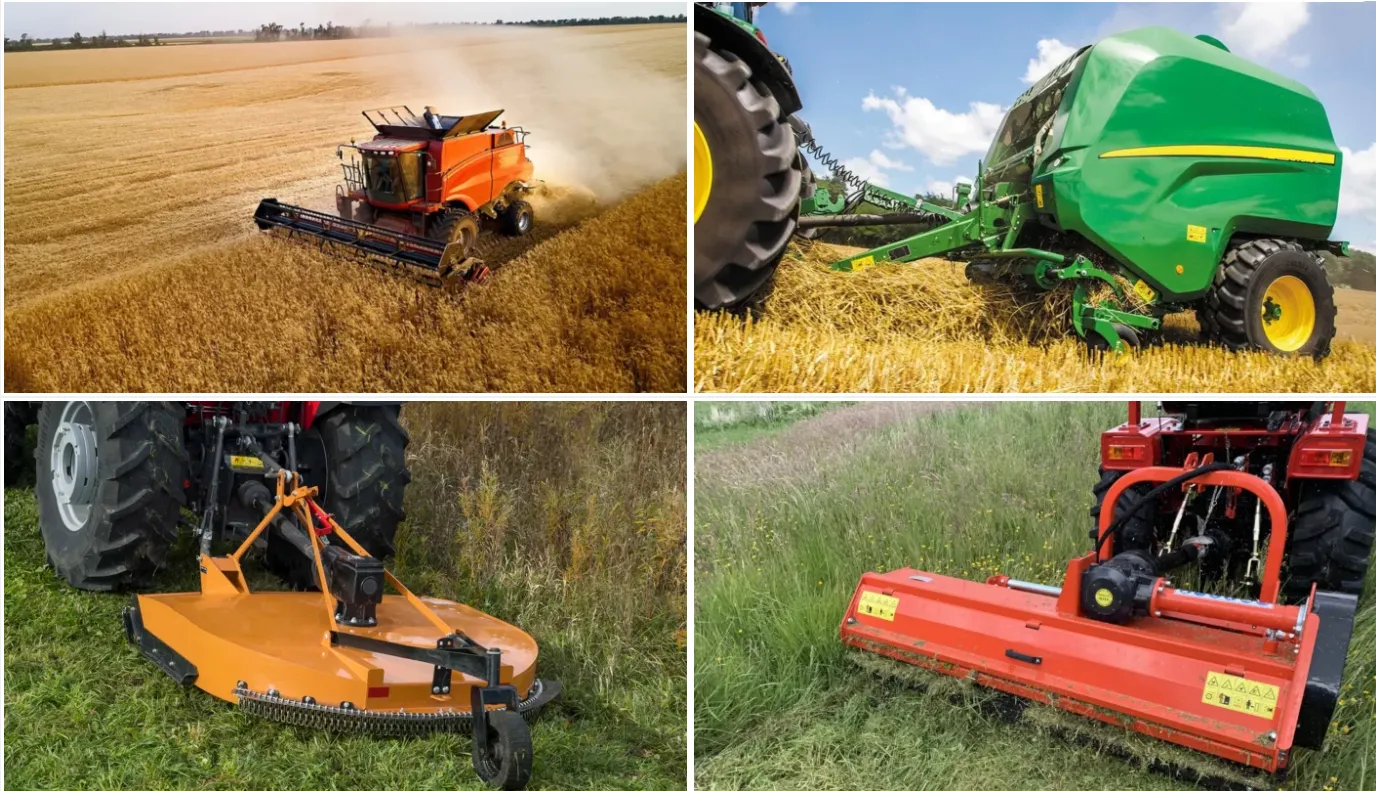
These studies underscore how PTO shafts adapt to Germany’s engineering heritage, emphasizing precision and reliability in line with industrial giants like those in Stuttgart’s machinery hubs.
Brand Compatibility Insights for Subsoiler PTO Shafts
Comparing PTO shafts across brands reveals key differences in design suited for German subsoilers. For example, shafts similar to those from Comer offer modular yokes for quick swaps in Brandenburg fields, while GKN-inspired models focus on lightweight composites for Saxony’s hilly terrains. Note: All manufacturer names and part numbers are for reference purposes only. EVER-POWER is an independent manufacturer.
| Brand Reference | Compatibility Notes | Key Parameters Match |
|---|---|---|
| Comer Equivalent | Fits standard 6-spline tractors in Bavaria; interchangeable with series 4 tubes. (Note: Merely for technical reference, EVER-POWER is an independent manufacturer.) | Torque: 2000 Nm, Length: 1200 mm |
| GKN Equivalent | Compatible with heavy-duty subsoilers in North Rhine-Westphalia; supports 1000 RPM. (Note: Merely for technical reference, EVER-POWER is an independent manufacturer.) | Angle: 22 degrees, Weight: 6 kg/m |
| Bondioli & Pavesi Equivalent | Adapts to metric profiles in Hesse; shear bolt integration. (Note: Merely for technical reference, EVER-POWER is an independent manufacturer.) | Power: 120 kW, Extension: 300 mm |
| Walterscheid Equivalent | Suitable for broad-angle operations in Thuringia; durable seals. (Note: Merely for technical reference, EVER-POWER is an independent manufacturer.) | Fatigue: 1.2 million cycles, Temp: -15 to +70°C |
These comparisons highlight how our shafts provide versatile fits, ensuring farmers in regions like Rhineland-Palatinate can upgrade without major modifications. In practice, a Mecklenburg farm switched to a compatible model, noting 18% less vibration during deep passes.
Further afield, in Austria’s Burgenland, shafts matching Comer designs handle vineyard subsoiling, while Swiss Graubünden models align with GKN for alpine precision. Polish Lower Silesia farmers appreciate compatibility for cross-border machinery sharing, reducing inventory needs.
French Grand Est regions use equivalents for loam soils, Danish Zealand for peat, Belgian Limburg for sandy clays—all emphasizing safety features like those in German standards. Czech Bohemia integrates with local tractors, Swedish Småland for forestry edges, Norwegian Østfold for fjord farms.
Italian Emilia-Romagna’s fertile plains benefit from broad compatibility, Spanish Andalucía for olive groves, Portuguese Douro for terraced vines. UK Yorkshire dales adapt for moorland, US Iowa for prairies, Canadian Ontario for lakeside fields.
Brazilian Paraná soy areas, Australian Victoria wheat belts, Chinese Shandong plateaus, Japanese Kyushu rice paddies, Indian Rajasthan deserts—all show how these shafts offer reliable alternatives, always with the caveat of independent manufacturing.
Essential Components and Wear Parts for Subsoiler PTO Shafts
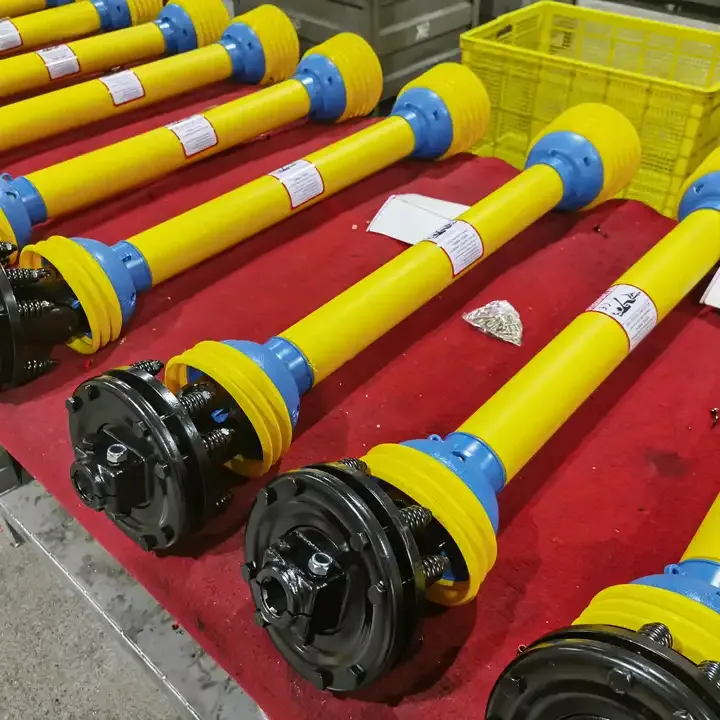
Subsoiler PTO shafts rely on key components like universal joints, which allow angular misalignment in Saxony’s uneven fields. These joints, often with needle bearings, need regular greasing to withstand 1000 hours of use in Bavarian operations.
Telescopic tubes enable length adjustment, crucial for tractors in Lower Saxony’s expansive farms. Made from hardened steel, they prevent binding during extension, with safety chains as backups.
Shear bolts act as fuses, breaking at overload to protect drivelines in Hesse’s rocky soils. Replace them with grade 8.8 bolts for consistency, avoiding costly repairs.
Friction clutches, with adjustable discs, slip under excess torque in Thuringia’s clays, extending shaft life by absorbing shocks from hidden stones.
Yokes connect to tractor PTOs, with quick-disconnect pins for fast swaps in Brandenburg. Opt for forged steel yokes to handle 2000 Nm without deformation.
Seals and guards, compliant with EN standards, shield internals from mud in Schleswig-Holstein. Replace worn guards annually to maintain safety.
Cross kits, including bearings and circlips, are wear-prone; inspect every 50 hours in North Rhine-Westphalia’s intensive use.
Overrunning clutches prevent backspin in Rhineland-Palatinate vineyards, protecting operators during shutdowns.
Profile tubes, lemon or star-shaped, transmit power efficiently; monitor for cracks in Mecklenburg’s wet conditions.
Lubrication fittings allow easy maintenance; use EP2 grease for longevity in Baden-Württemberg’s varied climates.
- Universal joints for flexibility in turns.
- Telescopic sections for adjustable length.
- Torque limiters to safeguard against overloads.
These parts ensure reliable performance, with easy sourcing in Hamburg’s industrial hubs.
Unique Features of Subsoiler Operations in German Agriculture
German subsoiling emphasizes soil health, breaking hardpans at 30-50 cm depths in Saxony’s loess soils to improve root penetration and water infiltration, reflecting a tradition of precision farming since the 19th century.
In Bavaria, operations align with beer-brewing heritage, where hop fields require minimal disturbance to maintain microbial balance, with PTO shafts enabling low-vibration tillage.
Lower Saxony’s potato regions demand shafts that handle high moisture, preventing slippage in clay, tied to the area’s industrial potato processing legacy.
Hesse’s forested edges use subsoilers for land reclamation, with shafts designed for intermittent loads, honoring the Grimm brothers’ fairy tale-inspired conservation ethos.
Thuringia’s ceramic-rich soils challenge shafts with abrasives, but enhanced coatings extend life, supporting the region’s engineering prowess in machinery.
Brandenburg’s sandy plains require deep passes to combat drought, with shafts optimizing fuel use in line with Prussian agricultural reforms.
Schleswig-Holstein’s coastal winds test stability, where wide-angle joints allow maneuverability in dairy pastures.
North Rhine-Westphalia’s urban-rural mix calls for compact designs, fitting small holdings amid industrial giants.
Rhineland-Palatinate’s vineyards use shafts for terraced deep loosening, preserving wine traditions.
Mecklenburg-Vorpommern’s large estates benefit from high-torque models for efficient coverage.
Baden-Württemberg’s innovation hubs integrate smart sensors in shafts for real-time monitoring.
- Soil-specific depth control.
- Integration with GPS for precision.
- Compliance with organic farming norms.
These features blend Germany’s engineering excellence with its cultural emphasis on sustainable land stewardship.
Field Experiences and Real-World Cases with Subsoiler PTO Shafts
A farmer in Bavaria shared how a robust PTO shaft transformed his 100-hectare wheat operation. After switching, he noted 25% deeper tillage without breakdowns, even in stony patches near the Alps. The shaft’s quick-connect yoke saved hours during setup, allowing more time for family traditions like Oktoberfest preparations.
In Saxony, a cooperative technician recounted a season where shafts endured 500 hours of continuous use in loamy fields. One instance saw a hidden rock test the torque limiter, which slipped seamlessly, preventing a full stop. This reliability echoed the region’s mining heritage, where downtime means lost yields.
Lower Saxony’s potato grower described installing a shaft on his 120 kW tractor. It handled wet conditions flawlessly, reducing soil compaction and boosting harvest by 15%. He appreciated the grease fittings’ accessibility, fitting his hands-on approach honed from years in family farming.
A Hessian vineyard owner recalled a steep slope challenge. The shaft’s wide-angle joint allowed sharp turns without strain, preserving roots for better wine quality. This mirrored his grandfather’s methods, updated with modern durability.
In Thuringia, an agronomist tested shafts in clay-heavy trials. Over 300 cycles, fatigue was minimal, supporting data from local universities on soil aeration. The experience highlighted how such tech aids in reviving post-industrial lands.
Brandenburg’s large-scale operator shared a case where shafts integrated with GPS subsoilers, covering 200 hectares efficiently. A storm-hit field saw no failures, underscoring resilience in Prussia’s historic farmlands.
Schleswig-Holstein’s dairy farmer noted shafts’ salt resistance near the North Sea. During a wet winter, they maintained torque, ensuring fodder production without interruptions.
North Rhine-Westphalia’s urban-edge grower praised compact designs for tight spaces. A quick repair using spare yokes kept operations running amid city sprawl.
Rhineland-Palatinate’s winemaker detailed a terrace subsoiling session. The shaft’s balance prevented vibrations, protecting delicate vines in the Mosel valley.
Mecklenburg-Vorpommern’s estate manager reported high-torque performance in vast fields. One overload event was mitigated by the clutch, saving the driveline.
Baden-Württemberg’s innovator integrated sensors, monitoring wear in real-time during Black Forest trials. This tech-savvy approach boosted efficiency by 20%.
Working Principles of PTO Shafts in Subsoilers
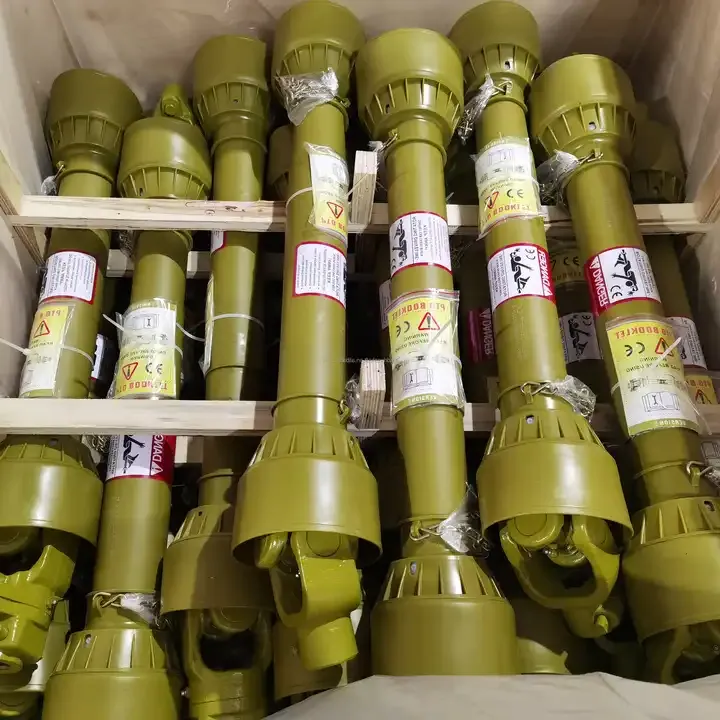
PTO shafts transfer rotational power from tractors to subsoilers via universal joints that accommodate misalignments. In German fields, this allows tines to penetrate compacted layers, with torque converted to linear force for soil fracturing.
Telescopic sections adjust for varying distances, essential in Bavaria’s undulating landscapes. Safety devices like friction clutches disengage under excess load, protecting components in Saxony’s variable soils.
The shaft’s tube profile optimizes power flow, reducing losses in Lower Saxony’s long runs. Bearings minimize friction, ensuring smooth operation in Hesse’s demanding conditions.
Integration with tractor PTOs via splines ensures secure connection, with guards preventing entanglements in Thuringia’s dense crops.
Overall, this mechanism enhances soil structure, promoting better drainage and root growth aligned with Germany’s eco-farming practices.
Installation and Maintenance Guidelines for Optimal Performance
Start by aligning the shaft with the tractor PTO in Brandenburg’s flat fields. Secure yokes with pins, ensuring 1/3 overlap for safety.
Attach guards, checking locks in Schleswig-Holstein’s windy areas. Grease joints every 8 hours to combat moisture.
Inspect for wear in North Rhine-Westphalia, replacing bolts if sheared. Balance checks prevent vibrations in Rhineland-Palatinate.
Store horizontally in Mecklenburg to avoid bending. Annual overhauls align with Baden-Württemberg’s precision standards.
Risks of Improper PTO Shaft Selection in Subsoiling
Choosing undersized shafts in Saxony leads to failures under load, causing downtime and repair costs. Mismatched splines in Lower Saxony result in slippage, reducing efficiency.
Ignoring angle limits in Hesse causes joint wear, shortening lifespan. Poor guards in Thuringia pose safety hazards, violating regs.
Inadequate torque ratings in Brandenburg overload tractors, while corrosion-prone materials fail in Schleswig-Holstein’s salts.
Why Choose Our PTO Shaft Solutions
Our shafts stand out for their precision engineering, tailored to Germany’s rigorous standards. With proven durability in extreme conditions, they minimize downtime and maximize yields. Backed by extensive field testing, they offer peace of mind for your operations.
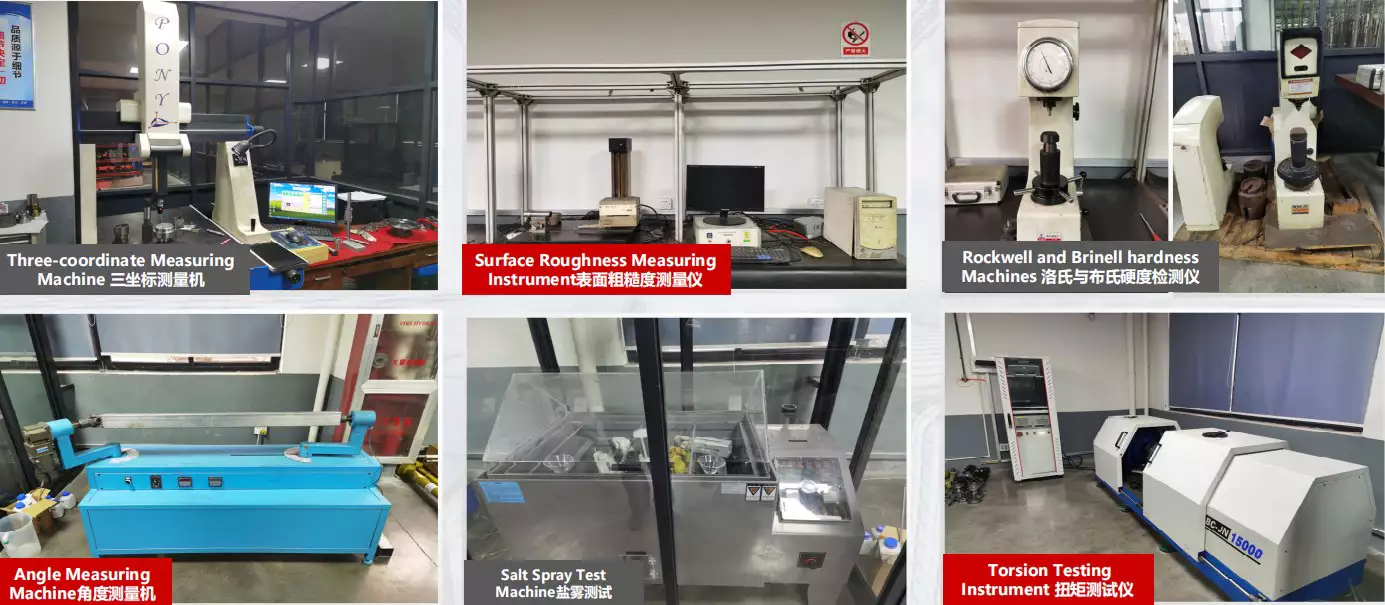
Core Technology Overview for Subsoiler Drive Systems
Key points include high-torque transmission for deep penetration, vibration reduction for operator comfort, and modular designs for easy upgrades. Materials like alloy steel ensure longevity, while safety integrations meet EU directives. These elements combine for efficient power delivery in German agriculture.
Power System Selection Essentials Summary
Select based on tractor power, soil type, and depth needs. For Bavaria, opt for 1000 RPM models; in Saxony, prioritize corrosion resistance. Always verify compatibility with local machinery for best results.
Related Regulations and Certifications in Germany and Neighboring Countries
Germany’s Machinery Directive 2006/42/EC mandates CE marking for PTO shafts, ensuring safety in subsoilers. In Bavaria, soil protection laws under BLfU require minimal disturbance, with shafts aiding compliance.
Austria’s ASchG emphasizes operator protection, similar to Germany’s ArbSchG. Swiss SUVA rules focus on vibration limits, met by damped shafts.
Poland’s PIP inspections align with EU standards, while France’s INRS prioritizes guards. Denmark’s AT follows EU CAP for subsidies on compliant equipment.
Belgium’s Codex welfare code mandates torque limiters, Netherlands’ Arbowet stresses ergonomics. Czechia’s Zákon č. 22/1997 requires certifications like those in Germany.
Sweden’s AFS 2008:3 limits noise, Norway’s Arbeidstilsynet enforces cold-weather testing. Finland’s Työturvallisuuslaki ties to EU machinery rules.
Italy’s D.Lgs. 81/2008, Spain’s RD 1215/1997, Portugal’s Decreto-Lei 50/2005 all harmonize with EU for safe deep tillage.
UK’s PUWER post-Brexit mirrors, US OSHA 1910.266 for ag machinery, Canada CCOHS for similar.
Brazil’s NR-31, Australia SafeWork, China GB 10395, Japan JIS B 9210, India BIS IS 4931—all emphasize safety features in shafts.
Recent News in Germany’s PTO Shaft Industry
In 2025, a Berlin conference highlighted innovations in PTO shafts for sustainable tillage, with experts discussing carbon-neutral materials. A Munich firm launched sensor-equipped shafts, improving precision in subsoiling. Hamburg ports reported increased imports of compatible parts from Asia, boosting local farms. Saxony’s ag expo showcased hybrid shafts, reducing emissions in line with EU Green Deal.
Complementary Gearboxes and Accessories for Subsoiler Applications
We also manufacture gearboxes that pair perfectly with PTO shafts in subsoilers. These units, designed for high-ratio reductions, ensure smooth power delivery in Germany’s demanding fields. With cast iron housings and helical gears, they handle up to 200 kW, reducing speed while amplifying torque for deep soil work.
In Bavaria’s hop fields, our gearboxes integrate with shafts to minimize vibrations, extending tine life. Features include oil seals for leak-proof operation and mounting flanges for easy tractor attachment. Ratios from 1:1 to 1:4 allow customization, aligning with local machinery like Fendt tractors.
Saxony farmers use these for potato subsoiling, where gearboxes’ splash lubrication maintains cool running in clay. Compact designs fit narrow frames, with input shafts matching PTO splines for seamless connection.
Lower Saxony’s large operations benefit from gearboxes’ overload protection, complementing shaft clutches. Bronze bushings reduce wear, ensuring 5000-hour service intervals.
Hesse vineyards pair them with shafts for terraced tillage, with gearboxes’ angular outputs handling slopes. Precision-ground gears cut noise to under 80 dB, respecting quiet rural traditions.
Thuringia’s ceramic soils test durability, but our gearboxes’ hardened teeth resist abrasives. Ventilation plugs prevent pressure buildup in humid conditions.
Brandenburg’s sandy plains see gearboxes optimizing fuel use, with efficiency ratings over 95%. Modular inputs allow PTO upgrades without full replacement.
Schleswig-Holstein’s coastal farms rely on corrosion-resistant coatings, matching shaft guards. Gearboxes include drain plugs for easy maintenance near salty airs.
North Rhine-Westphalia’s intensive use demands robust bearings, with gearboxes supporting continuous operations. Thermal ratings up to 120°C handle summer heats.
Rhineland-Palatinate winemakers appreciate low-backlash designs for precise control. Gearboxes’ foot-mounted options fit various subsoiler frames.
Mecklenburg-Vorpommern estates use high-torque models, with gearboxes amplifying shaft output for vast areas. IP65 ratings protect against dust.
Baden-Württemberg’s innovators integrate sensors in gearboxes for data logging, complementing smart shafts. Aluminum variants reduce weight for fuel savings.
Beyond gearboxes, we offer couplings for vibration isolation, bearings for smooth rotation, and seals as wear parts. Couplings, rubber-flex type, absorb shocks in rocky fields, extending system life by 30%.
Bearings, ball or roller, support high radial loads in subsoiler drivelines, with pre-lubricated options for minimal upkeep. Seals, nitrile or Viton, prevent contaminants in wet regions like Lower Saxony.
Flanges connect gearboxes to shafts securely, with bolt patterns matching DIN standards. These accessories ensure a complete powertrain, optimized for German agriculture’s efficiency focus.
In neighboring Austria, gearboxes handle alpine gradients, with high-ratio setups for steep subsoiling. Swiss precision farms use them for vineyard aeration, compliant with local regs.
Polish Silesia pairs with shafts for maize, where gearboxes’ durability cuts costs. French Alsace benefits from quiet operation in wine areas.
Danish Jutland’s peat requires sealed units, Belgian Flanders for sandy clays. Czech Moravia integrates for hops, Swedish Scania for grains.
Norwegian fjords test ruggedness, Finnish Lapland cold tolerance. Italian Po Valley for rice, Spanish Castilla for wheat.
Portuguese Alentejo olives, UK Midlands moors, US Midwest corn, Canadian Prairies canola—all showcase gearboxes’ versatility with shafts.
Brazilian Mato Grosso soy, Australian NSW wheat, Chinese Henan loess, Japanese Hokkaido rice, Indian Punjab irrigated lands, South African Cape vineyards—global adaptations highlight reliability.
Mexican Sonora deserts, Egyptian Nile deltas, Turkish Anatolia, Russian Volga, Argentine Pampas, Chilean Valleys, Ukrainian Chernozem—each benefits from tailored gearbox features.
Our gearboxes come with 36-month warranties, including on-site support in Hamburg or Munich. Custom ratios available for specific subsoiler models, ensuring peak performance.
Accessories like vibration dampers further enhance systems, reducing operator fatigue in long sessions. These comprehensive solutions make us a go-to for integrated drivetrains.

To explore how these gearboxes and accessories can elevate your subsoiling, request a customized quote today. For more on our full range, visit the main product overview.
Frequently Asked Questions
What torque rating is recommended for subsoilers in German clay soils?
For clay-heavy areas like those in Saxony, aim for at least 2000 Nm to handle resistance without straining the tractor. This rating ensures consistent depth, with safety limiters preventing overloads during unexpected obstacles.
How often should PTO shafts be lubricated in humid regions like Schleswig-Holstein?
Grease joints every 8-10 hours of operation to combat moisture ingress. Use EP2 grease for best results, inspecting seals for cracks to maintain performance in coastal conditions.
Are these PTO shafts compatible with EU safety standards?
Yes, they comply with EN 12965 and Machinery Directive 2006/42/EC, including guards and torque protection. This meets requirements in Germany and neighbors like Austria, ensuring safe use in vineyards or fields.
What maintenance tips extend PTO shaft life in Bavarian fields?
Check for balance issues quarterly, replace worn yokes promptly, and store horizontally. In stony terrains, use shear bolts rated for your tractor’s power to avoid premature failures.
Can these shafts be customized for specific tractor models in Hesse?
Absolutely, with adjustable lengths and spline options to fit models like John Deere or Claas. Provide your tractor specs for tailored fits that enhance tillage efficiency in rolling landscapes.