
In the heart of German agriculture, where precision farming meets rugged terrain, ridgers play a vital role in creating optimal planting beds. These machines demand robust power transfer systems to handle varying soil types, from loamy fields in Bavaria to clay-heavy grounds in Lower Saxony. A reliable PTO shaft ensures seamless torque delivery from tractors to ridgers, minimizing downtime and maximizing yield. Whether you’re sourcing components for potato cultivation in Mecklenburg-Vorpommern or vegetable rows in Baden-Württemberg, selecting the right driveline can transform operational efficiency. Explore how these essential parts integrate with local machinery standards, offering compatibility and performance tailored to European demands.
Understanding Ridger Operations and PTO Shaft Integration
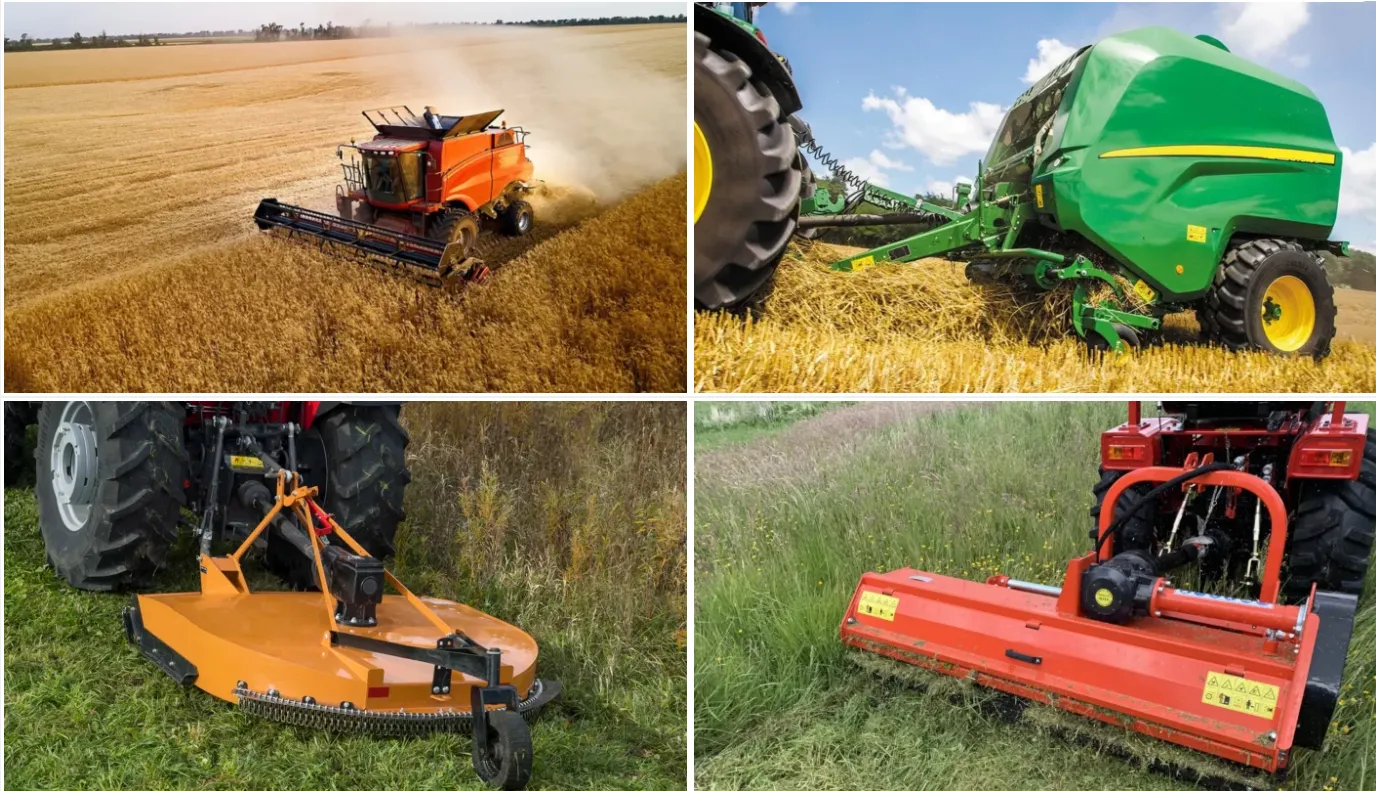
Ridgers are specialized implements that form raised beds or furrows, crucial for crops requiring good drainage and root development. In Germany, where sustainable farming practices are emphasized, these machines often attach to mid-sized tractors via a three-point hitch. The PTO shaft connects the tractor’s power take-off to the ridger’s gearbox, transmitting rotational energy efficiently. This setup allows for adjustable ridge heights, typically ranging from 20 to 40 cm, depending on soil conditions and crop needs. Farmers in regions like Saxony-Anhalt benefit from shafts that handle speeds up to 540 rpm, ensuring even soil displacement without excessive vibration.
Integration involves matching spline types, such as 1 3/8-inch 6-spline, common in European tractors. Safety features like shear bolts prevent overload, protecting both the shaft and ridger during encounters with rocks or compacted earth. Maintenance routines include regular greasing of universal joints to extend service life, especially in humid climates prevalent in northern Germany. Operators should check for wear on yokes and tubes, replacing parts as needed to avoid failures during peak seasons. This approach not only boosts productivity but also aligns with EU machinery directives for safe operation.
Advanced models incorporate telescopic designs for variable lengths, accommodating different tractor-implement distances. In practice, a well-fitted shaft reduces fuel consumption by optimizing power flow, a key factor in cost-sensitive German farms. Users often report smoother runs when using shafts with balanced cross kits, minimizing noise and extending bearing life. For those seeking upgrades, consider shafts with quick-disconnect yokes for faster setup, ideal for multi-crop rotations in fertile areas like the Rhine Valley.
- Assess tractor PTO output before selection to ensure compatibility.
- Opt for corrosion-resistant materials in coastal or rainy regions.
- Verify length adjustments to prevent binding during turns.
Overall, proper integration enhances ridger performance, supporting Germany’s push toward efficient, eco-friendly agriculture. With the right components, farmers can achieve consistent results, from preparing fields for sugar beets in Brandenburg to onions in Franconia.
| Parameter | Specification |
|---|---|
| Torque Capacity | Up to 1200 Nm |
| Length Range | 600-1500 mm |
| Spline Type | 1 3/8″ 6-spline |
| Material | High-strength steel |
| Safety Feature | Shear bolt limiter |
These specs cater to standard ridgers used in German fields, ensuring reliable power transfer under diverse conditions. For custom needs, exploring options like wide-angle joints can further enhance maneuverability in tight spaces.
Key Features of PTO Shafts for German Ridgers
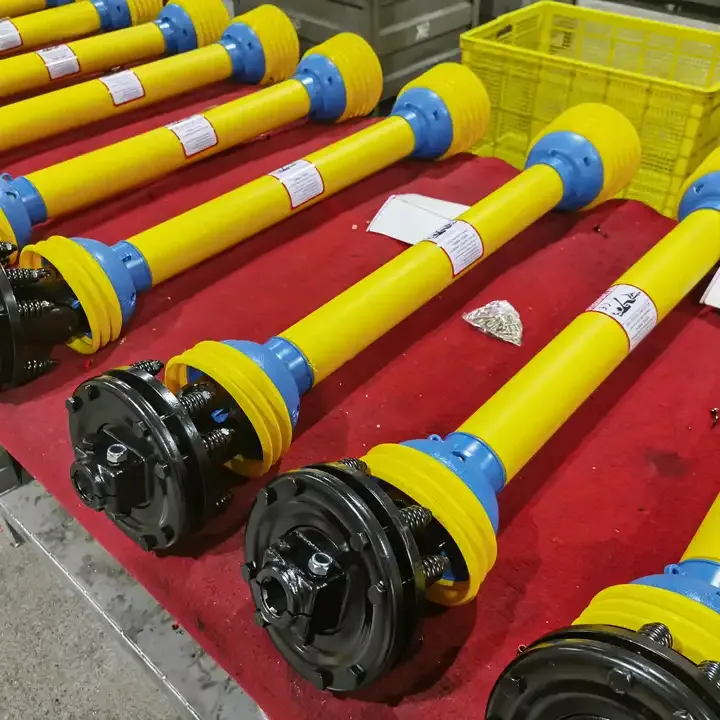
PTO shafts designed for ridgers in Germany boast features that align with the country’s high standards for machinery durability and efficiency. One standout aspect is the use of forged yokes, which provide superior strength against torsional stresses encountered in heavy soils. These components often feature heat-treated surfaces to resist wear, extending operational life beyond 10,000 hours under normal use. In areas like Hesse, where mixed farming prevails, shafts with integrated slip clutches protect against sudden jams, safeguarding expensive ridger blades.
Another critical feature is the protective guarding, compliant with DIN EN 12965 standards, which mandates full coverage to prevent entanglements. Plastic or metal shields rotate independently, reducing friction and noise. For enhanced versatility, many models include adjustable telescoping tubes, allowing extensions up to 500 mm without compromising balance. This adaptability suits varying tractor models from brands like Fendt or Claas, common in German operations.
Lubrication points are strategically placed for easy access, with sealed bearings minimizing grease leakage in dusty environments. Users in Thuringia appreciate the low-maintenance designs, which incorporate self-aligning crosses for smoother power delivery at angles up to 25 degrees. Additionally, color-coded ends simplify connections, reducing setup time during busy planting seasons. These features collectively contribute to lower total ownership costs, a priority for budget-conscious farmers.
- Inspect guards for cracks before each use.
- Apply grease every 8 hours of operation.
- Store shafts horizontally to prevent bending.
By focusing on these attributes, PTO shafts ensure ridgers perform optimally, supporting Germany’s agricultural output of over 20 million tons of potatoes annually. For those looking to upgrade, consider shafts with vibration-dampening technology for even quieter runs.
| Compatibility Brand | Matching Parameter | Note |
|---|---|---|
| Comer (for technical reference only, independent manufacturer) | Spline size, torque rating | Direct fit for series 4 |
| GKN (for technical reference only, independent manufacturer) | Length, joint type | Compatible with heavy-duty models |
| Bondioli & Pavesi (for technical reference only, independent manufacturer) | Safety clutch integration | Matches European standards |
This table highlights how our shafts align with common alternatives, facilitating easy replacements without major modifications.
Working Principle of PTO Shafts in Ridgers
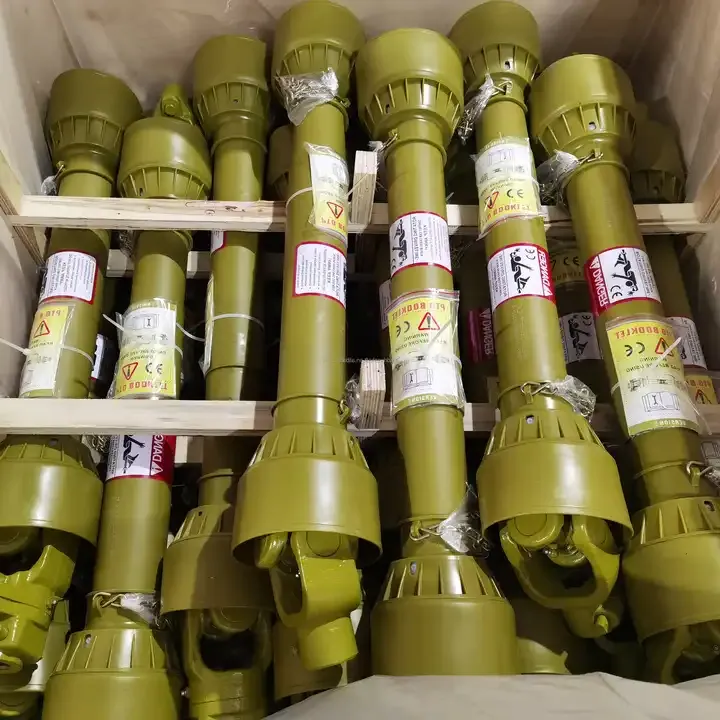
The core principle of a PTO shaft in ridgers revolves around converting tractor engine power into mechanical motion for soil shaping. Power flows from the tractor’s rear output through the shaft’s universal joints, which accommodate misalignment during operation. These joints, typically cardan types, allow for angular flexibility up to 35 degrees, essential when navigating uneven fields in Schleswig-Holstein. The shaft’s inner and outer tubes slide telescopically, maintaining constant velocity transmission even as the ridger lifts or turns.
Torque is limited by devices like friction discs or radial pins, disengaging under excessive load to prevent damage. In German applications, this protects against overloads from dense soils in the Eifel region. The shaft drives the ridger’s discs or moldboards, which scoop and pile earth into ridges. Efficient energy transfer relies on precise balancing, reducing vibrations that could affect soil uniformity. Operators monitor RPM to match ridger speed, usually 2-4 km/h, for optimal bed formation.
Advanced principles include constant velocity (CV) joints for smoother power at sharp angles, beneficial in compact vineyards of the Mosel Valley. Material science plays a role, with high-carbon steel tubes resisting fatigue from repeated cycles. Understanding this mechanism helps in troubleshooting, such as aligning yokes in phase to avoid imbalances. Ultimately, the shaft’s design ensures reliable power delivery, underpinning successful ridging for crops like carrots or asparagus across Germany.
To grasp the full dynamics, consider the kinetic chain: engine to PTO stub, through shaft to implement input. This chain must withstand environmental factors like mud and moisture, common in Lower Rhine areas. Regular inspections of cross bearings prevent premature failure, ensuring the principle holds in real-world use.
| Component | Function | Typical Spec |
|---|---|---|
| Universal Joint | Allows angular movement | 25-35 degrees |
| Telescopic Tube | Adjusts length | Up to 500 mm extension |
| Torque Limiter | Protects from overload | Adjustable 800-1500 Nm |
| Yoke | Connects to tractor/implement | Quick-release type |
| Guard | Ensures safety | Full-length coverage |
This breakdown illustrates how each part contributes to the overall working principle, making PTO shafts indispensable for ridger efficiency.
Advantages of Using High-Quality PTO Shafts in Ridgers
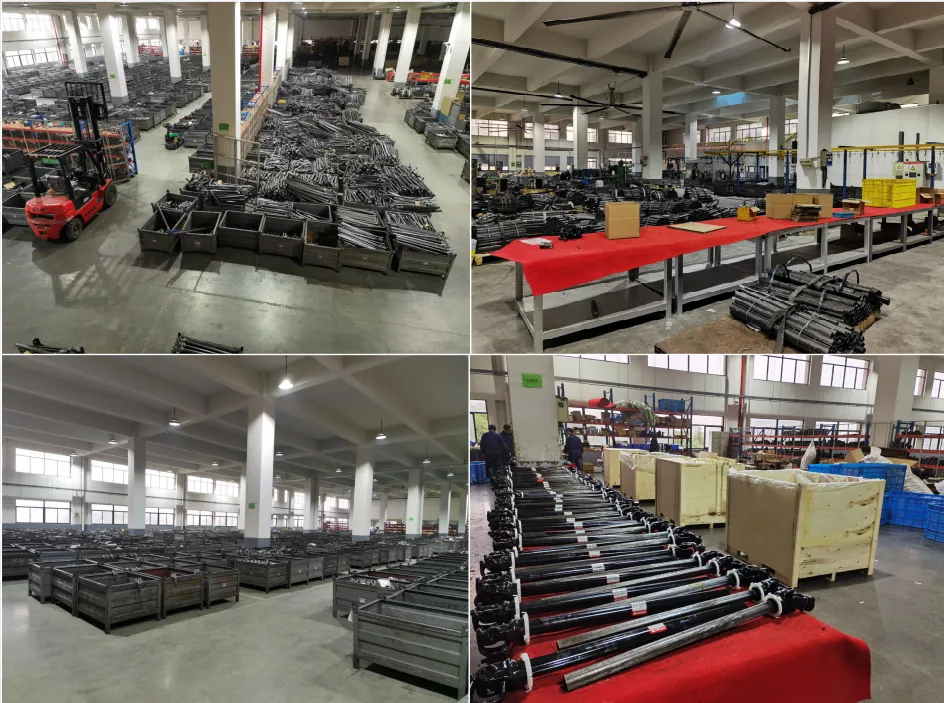
High-quality PTO shafts offer numerous advantages for ridger users in Germany, starting with enhanced durability that withstands intensive use. Crafted from premium alloys, these shafts resist corrosion from fertilizers and moisture, prevalent in humid climates of North Rhine-Westphalia. This longevity translates to fewer replacements, cutting costs over time for large-scale operations in Saxony. Moreover, precise engineering ensures minimal power loss, improving fuel efficiency by up to 15% compared to inferior alternatives.
Safety is paramount, with built-in overload protection preventing accidents in compliance with BGUV regulations. Farmers in Bavaria value the reduced vibration, which lessens operator fatigue during long hours. Compatibility with various ridger models allows seamless integration, from single-row units for small holdings to multi-row setups for commercial farms. The ease of maintenance, with accessible fittings, saves time, enabling quicker returns to field work.
Environmental benefits include lower emissions through optimized power use, aligning with Germany’s strict EU emissions standards. In practice, these shafts support precision agriculture by maintaining consistent speed, leading to uniform ridges that improve water management and crop health. Users often note increased productivity, with ridging speeds up to 5 km/h without compromising quality.
- Boosts overall machine reliability in tough conditions.
- Reduces repair frequency, enhancing uptime.
- Supports sustainable practices through efficiency.
Investing in superior shafts not only elevates performance but also contributes to long-term farm viability in a competitive market.
Application Cases in Key Regions
In Germany, a potato farmer in Lower Saxony upgraded to a PTO shaft with friction limiter for his ridger, handling 50 hectares annually. The shaft’s robust design managed clay soils without slippage, increasing ridge consistency and yielding 10% more harvest. Compliance with Maschinenrichtlinie 2006/42/EG ensured safe operations, avoiding fines from inspections. This case highlights how tailored components address local challenges like variable weather, improving drainage for root crops.
In the Netherlands, neighboring Germany, vegetable growers in Flevoland use similar shafts for asparagus ridgers. The telescopic feature accommodates tractor movements on polder lands, preventing joint wear. Dutch regulations under Arbowet emphasize guarding, which these shafts meet, reducing injury risks. One operation reported 20% less downtime, boosting efficiency in short growing seasons. This cross-border application shows versatility in lowland agriculture.
France’s Loire Valley vineyards employ PTO shafts in ridgers for soil aeration. A winery in Anjou integrated a CV joint model, allowing tight turns between rows. French norms like NF EN 12965 for safety are satisfied, with shields preventing debris entanglement. Results included healthier vines and 15% yield increase, demonstrating value in specialized horticulture.
In Poland, large-scale farms in Greater Poland use these shafts for carrot ridging. The high-torque capacity handles sandy loams, aligning with Polish safety laws under Rozporządzenie Ministra Gospodarki. Farmers noted smoother power delivery, cutting fuel use by 12%. This example underscores reliability in Eastern European conditions, similar to eastern German states.
These cases illustrate practical benefits across regions, emphasizing adaptation to local soils and regulations for optimal results.

Relevant Laws and Regulations in Major Usage Areas
In Germany, PTO shafts for ridgers must comply with the Maschinenrichtlinie 2006/42/EG, which mandates risk assessments and CE marking for machinery safety. This includes requirements for guards to prevent contact with rotating parts, as outlined in DIN EN ISO 4254-1 for agricultural equipment. Violations can lead to penalties under the Produktsicherheitsgesetz, with fines up to €100,000. Additionally, the Betriebssicherheitsverordnung emphasizes regular inspections, ensuring shafts meet fatigue standards in high-use areas like Bavaria.
Neighboring Austria follows similar EU directives but adds specifics under the Maschinen-Sicherheitsverordnung, requiring documentation of torque limits and material certifications. Farms in Lower Austria benefit from subsidies for compliant upgrades, promoting safer ridging practices. Non-compliance risks operational shutdowns by authorities.
In the United States, a major global user, OSHA standards like 29 CFR 1910.219 govern mechanical power transmission, mandating shields and labels. California adds CAL/OSHA rules for agricultural machinery, focusing on vibration limits to protect workers. These regulations influence exports to Germany, ensuring interoperability.
China, another key market, enforces GB 10395 series for tractor implements, requiring PTO shafts to pass durability tests. In provinces like Shandong, local environmental laws tie into machinery efficiency, rewarding low-emission operations with incentives. Adherence prevents product recalls and supports international trade.
These frameworks protect users and standardize quality, with Germany’s rigorous approach setting a benchmark for neighboring countries like Poland, where similar EU alignments apply.
Installation Process for PTO Shafts on Ridgers
Installing a PTO shaft on a ridger begins with safety checks: ensure the tractor is off and keys removed. Measure the distance between PTO stub and ridger input, cutting the shaft if needed while maintaining at least 150 mm overlap for safety. Align yokes in phase to avoid vibrations, a common issue in German fields with uneven terrain.
Attach the tractor-end yoke first, securing with a locking pin. Slide the guard over the shaft, ensuring it rotates freely. Connect the ridger end, verifying spline engagement. Grease all fittings thoroughly, focusing on crosses for smooth operation. Test at low RPM, listening for unusual noises.
Adjust torque limiter settings based on ridger specs, typically 1000-1200 Nm for medium-duty models. In regions like Mecklenburg, where wet soils prevail, add chain retainers to guards. Final checks include confirming guard integrity per EU standards, preventing regulatory issues.
- Park on level ground and engage brakes.
- Match shaft length to implement hitch.
- Secure all connections and test run.
Proper installation ensures longevity and safety, aligning with German precision farming ethos.
Why Choose Our PTO Shafts
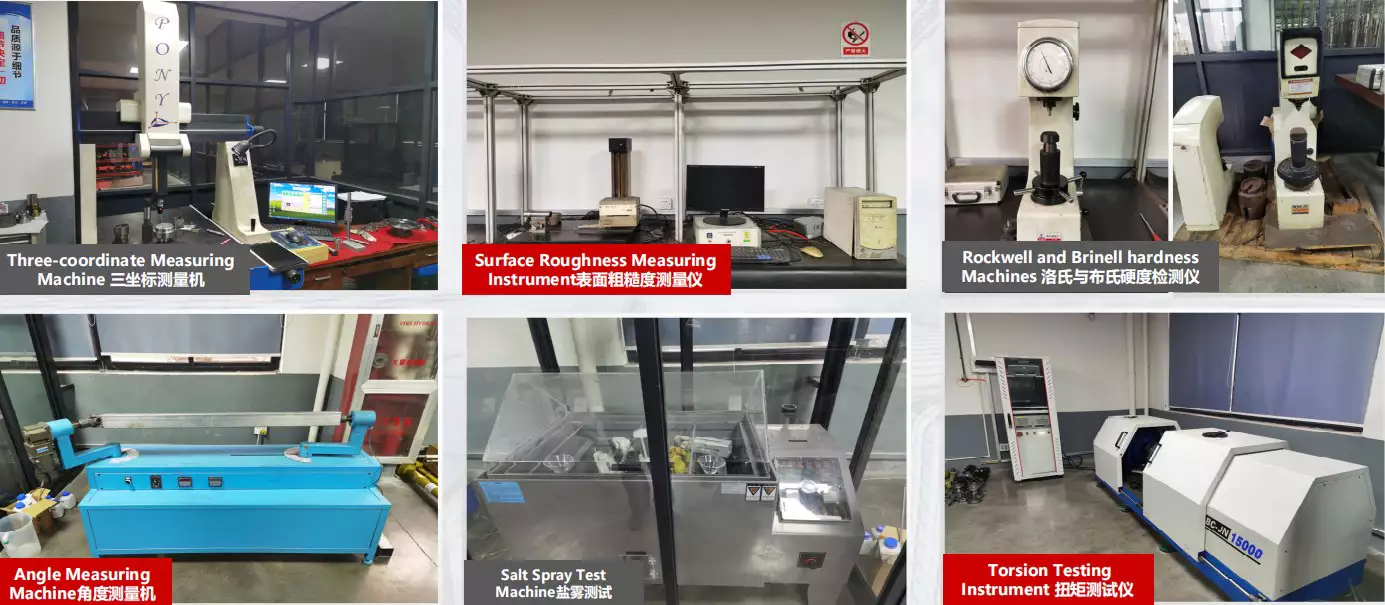
Opting for our PTO shafts means investing in proven reliability tailored for demanding ridger tasks. With a focus on precision engineering, these components deliver consistent performance, backed by rigorous testing. Our designs prioritize user safety and ease of use, making them ideal for German farmers seeking dependable solutions. Request a quote for custom PTO shaft options to match your specific needs. Experience the difference in efficiency and durability that sets us apart in the market.
Our commitment extends to after-sales support, ensuring long-term satisfaction. For those exploring upgrades, browse our full range of driveline products designed for agricultural excellence. Join countless operators who trust our shafts for seamless integration and robust operation.
Frequently Asked Questions
What spline sizes are available for PTO shafts used in German ridgers?
Common options include 1 3/8-inch 6-spline and 21-spline, fitting most tractors like those from Deutz-Fahr. These ensure secure connections, with 6-spline ideal for standard power up to 80 HP. Always measure your PTO stub for exact match, preventing slippage in heavy soils. Custom splines can be arranged for unique setups.
How do I maintain a PTO shaft for long-term use in ridgers?
Grease universal joints every 8-10 hours, clean guards after each use, and inspect for cracks annually. In Germany, follow BetrSichV guidelines for checks. Store horizontally in dry conditions to avoid rust. Replace worn parts promptly to maintain efficiency and safety during ridging.
Are these PTO shafts compliant with German safety regulations?
Yes, they meet Maschinenrichtlinie 2006/42/EG and DIN EN ISO 4254-1, including full guarding and torque limits. CE certification ensures legal use, with features like quick-release for emergency stops. This compliance protects operators and avoids penalties in inspections across states like Bavaria.
What torque capacity is recommended for ridgers in varying soils?
For light loams, 800-1000 Nm suffices; heavier clays need 1200+ Nm. Adjust based on tractor HP and ridger width. In regions like Saxony, higher capacities prevent overloads. Test under load to fine-tune, ensuring smooth operation without straining components.
Can these shafts be customized for specific ridger models?
Absolutely, lengths, joint types, and limiters can be tailored. Provide tractor and ridger specs for precise fits. This customization enhances performance in diverse German terrains, from flat polders to hilly areas, reducing wear and improving productivity.