
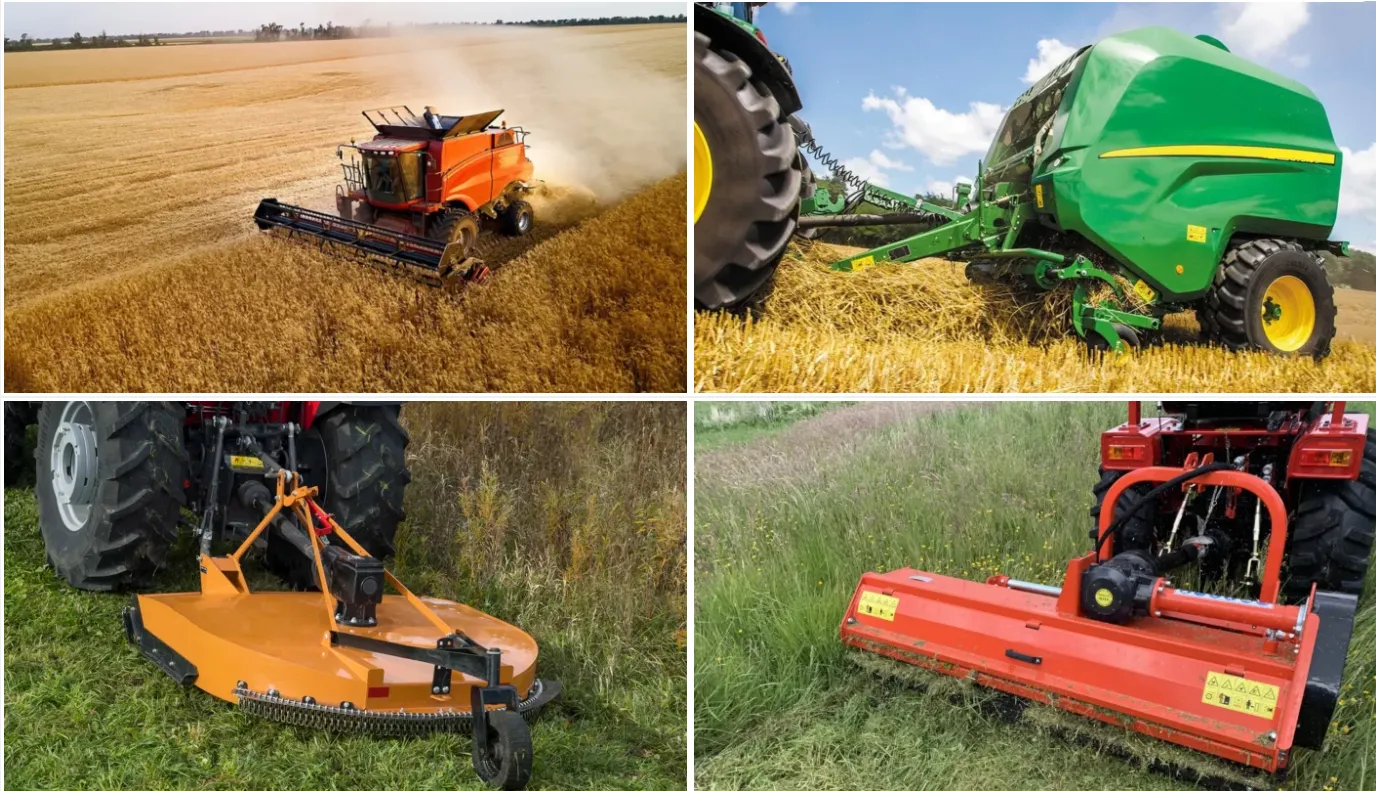
Livestock feeding equipment relies on robust power transmission to handle daily operations smoothly. In Germany, where precision farming drives efficiency, PTO shafts play a vital role in connecting tractors to feeders, mixers, and conveyors. These components ensure consistent torque delivery under varying loads, supporting the country’s strong dairy and meat production sectors. Farmers often seek reliable PTO drive shafts for livestock feeders to minimize downtime and boost productivity. With Germany’s focus on sustainable agriculture, selecting shafts that withstand harsh barn environments becomes essential.
Modern feeding systems incorporate automated augers and blowers, where PTO shafts transmit power from the tractor to the machinery. This setup allows for even distribution of silage or grains, reducing waste. In regions like Bavaria, where large herds are common, durable shafts help maintain feed quality. Operators prioritize shafts with safety features to comply with local standards, ensuring safe handling during connections.
Key Features of PTO Shafts in Livestock Feeding
PTO shafts designed for livestock feeding equipment emphasize strength and flexibility. They often include telescoping tubes to adjust lengths easily, fitting various tractor models. Corrosion-resistant coatings protect against moisture in feed barns, extending service life. Quick-disconnect yokes simplify attachment, saving time during busy feeding schedules.
Torque capacity ranges suit different equipment sizes, from small mixers to large-scale feeders. Integrated shear bolts prevent overload damage, safeguarding both shaft and machinery. In Germany, shafts meeting DIN standards ensure compatibility with European tractors. Farmers appreciate models with low maintenance needs, like sealed bearings that reduce greasing frequency.
- Telescopic design for adjustable length
- High-tensile steel construction for durability
- Safety guards to prevent entanglement
These features align with the demands of intensive livestock operations. For instance, in automated feeding lines, smooth power transfer minimizes vibrations that could affect feed flow. Users report fewer breakdowns when using shafts with balanced components, leading to consistent performance. When considering PTO shafts for German livestock feeders, focus on models that handle up to 1000 RPM for high-speed applications.
Adaptability to different hitch types enhances usability. Three-point hitch compatibility is standard, but some shafts offer spline variations for older equipment. In colder climates like northern Germany, shafts with cold-weather lubricants maintain flexibility. Overall, these attributes make PTO shafts indispensable for efficient feeding routines.
| Parameter | Specification |
|---|---|
| Torque Rating | Up to 1500 Nm |
| Length Range | 600-1500 mm |
| Spline Type | 1 3/8″ 6-spline |
| Material | High-strength steel |
Beyond basic specs, advanced models incorporate vibration dampers for quieter operation. This is crucial in enclosed barns to avoid stressing animals. Compatibility with overload clutches adds another layer of protection. In practice, shafts with these features support daily feeds for herds exceeding 500 heads, optimizing labor efficiency.
Maintenance involves regular inspections for wear on universal joints. Lubrication every 8 hours of use prevents seizing. German users often pair shafts with protective covers to meet safety regs. Investing in quality PTO drive shafts for feeding equipment pays off through reduced repair costs.
Working Principle of PTO Shafts in Feeding Systems
PTO shafts operate by transferring rotational power from the tractor’s engine to the feeding equipment. The shaft connects via splined ends, allowing torque to flow through universal joints that accommodate angles. This flexibility is key in uneven barn terrains.
When engaged, the tractor’s PTO spins the shaft, driving gears or augers in the feeder. Constant velocity joints ensure even speed, preventing jerks that could spill feed. In mixer wagons, this principle enables thorough blending of rations for optimal nutrition.
- Connect shaft to tractor PTO
- Engage power at low RPM
- Monitor for smooth operation
Safety mechanisms like friction clutches disengage under excessive load, protecting components. In Germany, shafts must align with EU machinery directives for safe power transmission. This setup supports continuous feeding in automated systems, enhancing farm output.
The principle extends to conveyor belts, where shafts power rollers for grain transport. Precise alignment minimizes energy loss, crucial for cost control. Farmers in Lower Saxony use this for silage distribution, achieving uniform delivery rates.
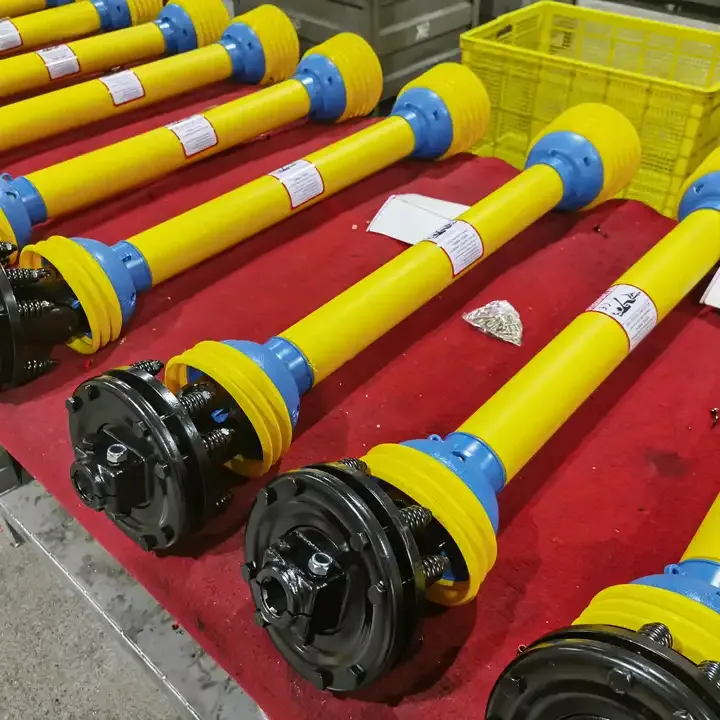
Understanding the mechanics helps in troubleshooting. Loose connections can cause vibrations, leading to wear. Regular torque checks ensure efficient power flow. For livestock operations, this reliability translates to better animal health through consistent feeding.
In high-capacity feeders, shafts handle peaks up to 200 HP. This capacity suits large-scale dairy farms. The working principle remains simple yet effective, making PTO shafts a staple in modern agriculture.
| Component | Function |
|---|---|
| Universal Joint | Allows angular movement |
| Telescopic Tube | Adjusts length |
| Safety Clutch | Prevents overload |
| Guard | Protects operators |
Integration with electronic controls in newer tractors optimizes performance. Sensors monitor RPM, alerting to issues. This tech synergy elevates feeding efficiency in German farms.
Advantages of Using PTO Shafts in German Livestock Operations
PTO shafts offer cost-effective power transmission for feeding equipment. Their versatility fits multiple machines, reducing inventory needs. In Germany, where land costs are high, efficient tools like these maximize space use in barns.
Durability under continuous use stands out. Shafts endure dust and humidity common in livestock settings. This reliability cuts maintenance time, allowing focus on animal care. Farmers note increased uptime with quality shafts.
- Versatile compatibility with tractors
- Reduced operational costs
- Enhanced safety compliance
Energy efficiency is another benefit. Smooth torque delivery minimizes fuel consumption. In regions like Schleswig-Holstein, this supports eco-friendly practices. Shafts with minimal backlash ensure precise control in feeders.
Ease of replacement parts availability in Europe adds value. Quick fixes keep operations running. For large herds, this means uninterrupted feeding schedules, improving milk yields.
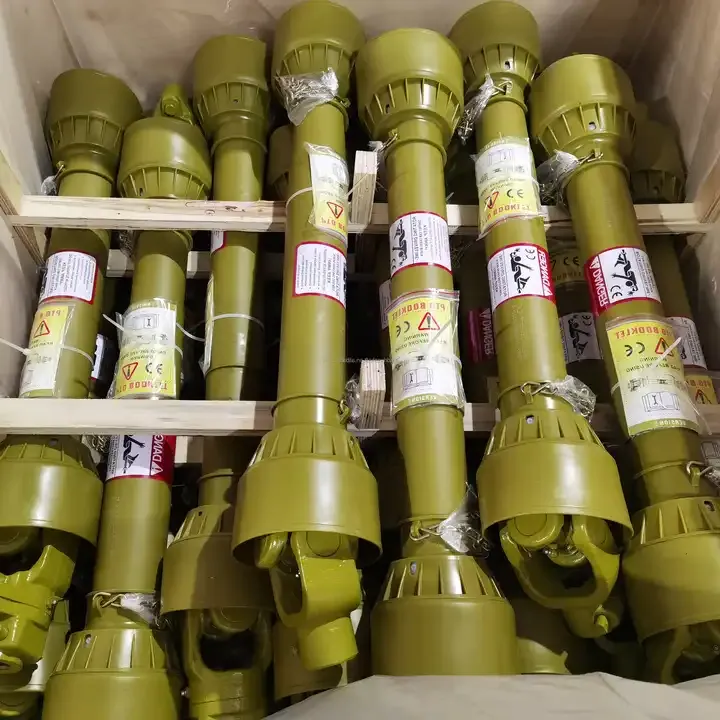
Compared to belt drives, PTO shafts provide direct power, less prone to slippage. This advantage shines in wet conditions. German regulations favor such reliable systems for worker safety.
Scalability suits farms of all sizes. Small operations use basic models, while industrial ones opt for heavy-duty versions. This flexibility aids expansion without major overhauls.
Overall, these advantages position PTO shafts as essential for competitive livestock farming in Germany.
Application Cases in Major Countries
In Germany, PTO shafts power silage feeders on dairy farms in Bavaria. A 200-cow operation uses 1200mm shafts with 800Nm torque to mix and distribute feed daily. This setup handles rough terrain, ensuring even ration delivery. Compliance with EU Directive 2006/42/EC on machinery safety is met through guarded designs. Farmers report 15% less waste, improving profitability.
The United States sees widespread use in Midwest beef feedlots. A Nebraska facility employs shafts in conveyor systems for grain handling. With 1000 HP tractors, shafts rated at 2000Nm manage high-volume feeds. USDA regulations on equipment safety are addressed via shear pin protections. This application supports 5000-head operations, enhancing feed efficiency.
In the Netherlands, known for intensive farming, shafts drive automated feeders in pig barns. A Utrecht farm uses telescopic models for flexibility in tight spaces. Torque limiters prevent jams during high-moisture feed mixing. Dutch environmental laws under the Activities Decree require low-emission equipment, which these shafts facilitate by reducing energy use.
Brazil’s vast ranches utilize PTO shafts in cattle feeding troughs. In Mato Grosso, shafts connect to mobile mixers, handling soy-based feeds. Robust construction withstands tropical humidity. Brazilian norms like NR-12 for worker safety mandate guards, complied with here. This boosts herd growth rates in large-scale beef production.
These cases highlight PTO shafts’ adaptability across diverse climates and regulations, proving their value in global livestock management.
| Safety Feature | Description |
|---|---|
| Shear Bolt | Breaks under overload to protect |
| Friction Clutch | Slips to prevent damage |
| Guard Chain | Secures shielding |
| Overrun Clutch | Allows freewheeling |
Relevant Laws and Regulations in Key Regions
Germany enforces strict machinery safety under the Machinery Directive 2006/42/EC. PTO shafts must include guards and quick-stop mechanisms. The German Agricultural Social Insurance (SVLFG) mandates regular inspections. Non-compliance risks fines up to €30,000. These rules protect operators in feeding tasks.
In the US, OSHA standards (29 CFR 1910.269) require shielding on rotating parts. State laws like California’s vary, but federal guidelines emphasize torque limiter use. Violations can lead to penalties, emphasizing safe PTO drive shaft for livestock equipment handling.
The Netherlands follows the European directive, with additional focus on environmental impact under the Activities Decree. Shafts must minimize noise and vibrations in barns. Inspections by the SZW ensure compliance, promoting sustainable feeding practices.
Brazil’s NR-12 norm details equipment safety, requiring certified guards on shafts. Agricultural ministry oversight ensures worker protection in feed operations. Fines for breaches reach R$50,000, driving adoption of compliant designs.
These regulations underscore the need for quality shafts that meet international standards, ensuring safe and legal use in livestock feeding.
Installation Process for PTO Shafts
Installing PTO shafts in livestock feeding equipment starts with matching spline types. Align the tractor PTO with the feeder’s input. Secure with locking pins to prevent disconnection during use.
Adjust length by telescoping the tubes, ensuring at least 150mm overlap for safety. Attach guards firmly, covering all rotating parts. Test at low speed to check for vibrations.
- Match splines and connect
- Adjust and secure length
- Install guards and test
In German setups, follow manufacturer guidelines for torque settings. Use grease on joints for smooth operation. This process ensures reliable power delivery in feeders.
Common pitfalls include improper alignment, leading to wear. Always verify compatibility before installation. Professional help may be needed for complex systems.
Post-installation, monitor for unusual noises. Regular checks maintain performance. This methodical approach supports efficient livestock feeding.
Why Choose Our PTO Shafts
Our PTO shafts stand out for their precision engineering and reliability in livestock feeding. Built with high-grade materials, they resist corrosion and wear in demanding environments. Farmers in Germany appreciate the seamless fit with local tractors, reducing setup time. To explore more PTO shaft options, check our homepage.
Competitive pricing without compromising quality makes them a smart choice. Custom lengths available for specific feeders. Positive feedback highlights longevity, often exceeding 5 years of heavy use. For a tailored quote on PTO drive shafts for your setup, visit our contact page.
Commitment to safety includes full guarding and compliance certifications. This ensures peace of mind in regulated markets like Germany. Our shafts enhance feeding efficiency, contributing to better farm economics.

Frequently Asked Questions
What torque capacity do PTO shafts for livestock feeders typically handle?
PTO shafts for feeders manage 500 to 2000 Nm, depending on equipment size. Select based on tractor HP and feed load to avoid overload. In Germany, match with DIN 9611 for compatibility. This range supports mixers handling 10-20 tons of feed daily, ensuring steady performance without failures.
How do I maintain PTO shafts in humid barn environments?
Clean shafts after use to remove residue, then apply grease to joints every 8 hours. Inspect guards for cracks weekly. Store in dry areas when not in use. This prevents rust, common in German barns with high humidity, extending life to 5+ years.
Are PTO shafts compatible with older German tractors?
Yes, with standard 1 3/8″ splines fitting most models like Fendt or Deutz. Adapters available for variations. Check shaft length for proper overlap. This compatibility aids farms upgrading feeders without full replacements, saving costs.
What safety features are required by German laws for PTO shafts?
Guards covering all rotating parts, per Machinery Directive 2006/42/EC. Include torque limiters to prevent accidents. Annual inspections by certified bodies. These measures reduce entanglement risks in feeding operations, aligning with SVLFG guidelines.
How to choose the right PTO shaft length for feeding equipment?
Measure from tractor PTO to feeder input at full extension and compression. Ensure 1/3 overlap minimum. Telescopic models adjust easily. In livestock setups, this prevents disengagement during turns, maintaining continuous feed flow.