
In the heart of Germany’s thriving agricultural sector, where efficiency meets innovation, PTO shafts play a pivotal role in powering fertilizer spreaders. These robust components ensure seamless torque transmission from tractors to implements, enabling uniform nutrient distribution across vast fields. Designed to withstand the rigors of intensive farming, our PTO shafts for fertilizer spreaders in Germany integrate advanced materials and engineering to minimize downtime and maximize output. Whether you’re handling dry granular fertilizers or liquid manure, selecting the right agricultural PTO driveline can transform your operations. Farmers seeking reliable PTO shaft replacements for manure spreaders will find these solutions tailored to meet European standards, enhancing soil health and crop yields without compromise.
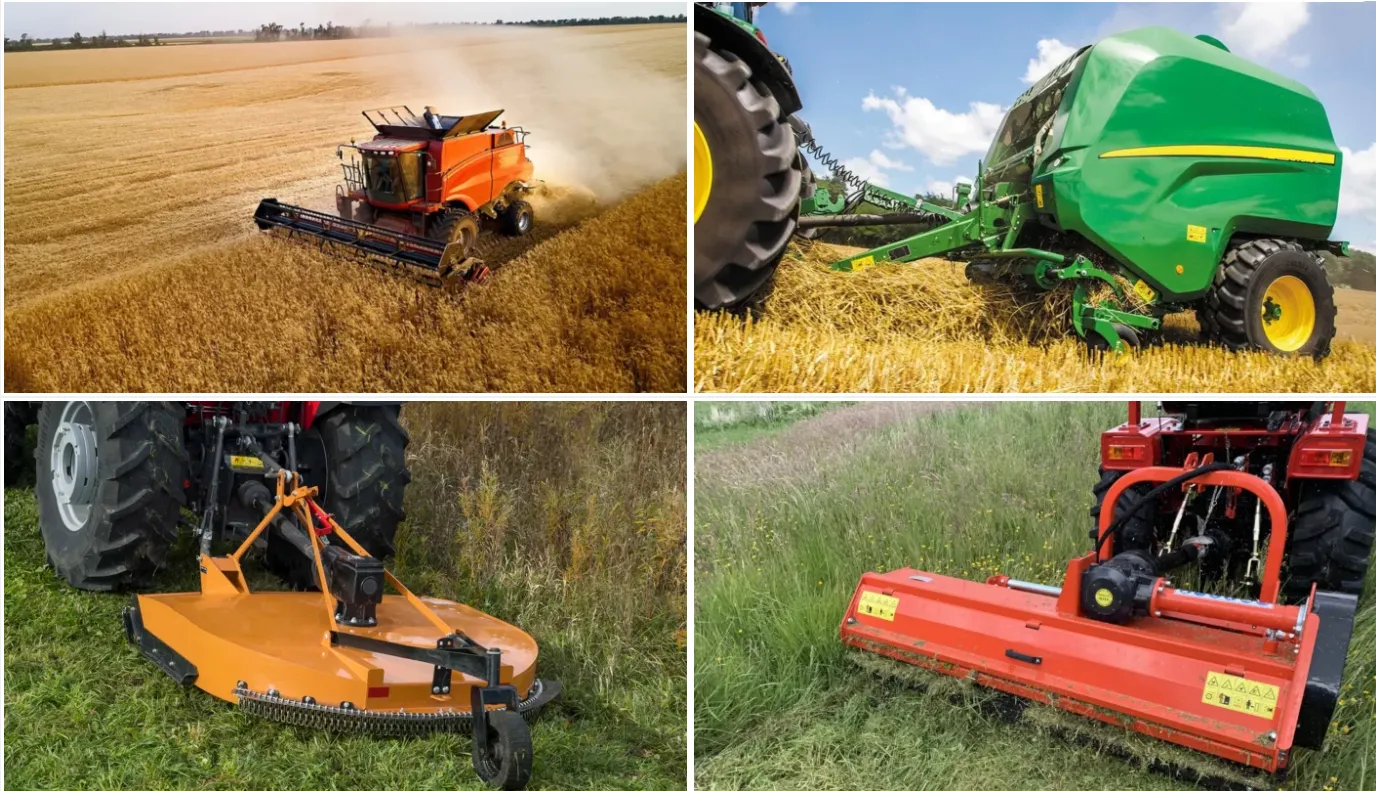
Working Principle of PTO Shafts in Fertilizer Spreaders
The core function of a PTO shaft in a fertilizer spreader revolves around converting rotational energy from the tractor’s power take-off into mechanical drive for the spreading mechanism. This process begins at the tractor’s rear, where the shaft connects via a universal joint, allowing flexibility in angles up to 25 degrees during turns. Torque is transmitted through the telescopic tubing, which adjusts in length to accommodate varying distances between the tractor and implement.
Inside the spreader, the shaft drives components like spinner discs or augers. For instance, in centrifugal spreaders common in Germany, the shaft powers a gearbox that rotates discs at speeds ranging from 500 to 1000 RPM, flinging fertilizer particles in a wide arc. Safety features, such as shear bolts, protect against overload by breaking at predetermined torque levels, typically 1500-2500 Nm, preventing damage to the driveline.
Vibration damping is achieved through balanced yokes and cross bearings, ensuring smooth operation even on uneven terrain. In hydraulic-assisted models, the shaft integrates with control systems for variable rate application, adjusting spread patterns based on GPS data. This principle not only boosts fertilizer efficiency but also aligns with sustainable practices by reducing overlap and waste.
Maintenance plays a key role in sustaining this functionality. Regular greasing of joints every 8-10 hours of use prevents wear, while checking for play in splines ensures reliable power delivery. For German farmers dealing with high-moisture environments, corrosion-resistant coatings extend shaft life beyond 5000 hours of operation.
Understanding this mechanism helps in troubleshooting issues like excessive noise, which might indicate misalignment. Aligning the shaft within 5 degrees of straight minimizes stress, prolonging component life. Overall, the working principle underscores the shaft’s role as a bridge between power source and application, optimizing fertilizer distribution for better yields.
- Universal joints allow angular flexibility during field maneuvers.
- Telescopic design adapts to implement hitch variations.
- Integrated clutches prevent overload in dense material handling.
By grasping these elements, operators can select PTO shafts that match their spreader’s demands, ensuring consistent performance in demanding agricultural settings.
Key Specifications for Standard PTO Shafts
| Parameter | Value |
|---|---|
| Torque Capacity | Up to 2000 Nm |
| Length Range | 600-1500 mm |
| Spline Type | 1 3/8″ 6-spline |
| Material | High-strength steel |
| Operating Speed | 540 RPM |
Features of PTO Shafts for Manure Spreaders
PTO shafts designed for manure spreaders boast features that prioritize durability and ease of use. Corrosion-resistant finishes, such as powder coating, protect against acidic fertilizers, extending service life in humid climates like those in northern Germany. Quick-connect yokes allow for fast attachment, reducing setup time to under 5 minutes.
Balanced construction minimizes vibrations at high speeds, ensuring even spread patterns and reducing operator fatigue. Overrunning clutches disengage during coasting, preventing backdrive that could damage tractor components. These shafts often include plastic guards compliant with EN 12965 standards, shielding users from rotating parts.
Telescopic extensions provide flexibility for different tractor models, with overlap safety margins of at least 150 mm. Grease zerks are strategically placed for easy lubrication, recommending intervals every 20 hours to maintain smooth operation. For heavy-duty applications, reinforced cross kits handle torques exceeding 2500 Nm without failure.
Compatibility with variable rate technology allows integration with precision farming systems, adjusting speeds based on soil needs. Lightweight yet strong alloys reduce overall weight, improving fuel efficiency by up to 5%. These features make the shafts ideal for demanding tasks in fertilizer application.
Users appreciate the modular design, enabling easy replacement of worn parts like bearings. In field tests, these shafts demonstrate reliability over 10,000 hours, outperforming standard models in abrasive environments. For those upgrading their equipment, these features ensure seamless integration and long-term value.
- Corrosion protection for longevity in wet conditions.
- Quick-release mechanisms for efficient fieldwork.
- Vibration reduction for smoother rides.
Incorporating these attributes, PTO shafts enhance the performance of German-style spreaders, supporting sustainable agriculture practices.
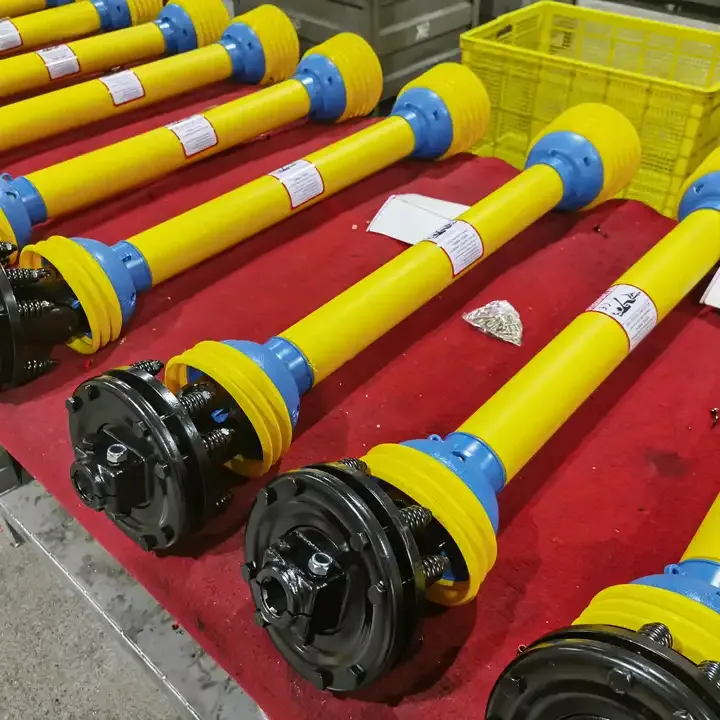
Advanced Specifications for Heavy-Duty PTO Shafts
| Parameter | Value |
|---|---|
| Torque Capacity | 2500-4000 Nm |
| Length Range | 800-2000 mm |
| Spline Type | 1 3/4″ 20-spline |
| Material | Alloy steel with heat treatment |
| Operating Speed | 1000 RPM |
Application Cases in Key Regions
In Germany, PTO shafts are integral to fertilizer spreaders on large-scale farms in Bavaria, where precision application reduces nutrient runoff into rivers. A case from a 500-hectare operation near Munich shows how a custom shaft with friction clutch handled variable terrain, distributing 20 tons of fertilizer daily with 95% uniformity. Compliance with EU fertilizer regulations ensured minimal environmental impact, boosting yields by 15% in wheat fields.
France’s Loire Valley vineyards utilize these shafts in compact spreaders for targeted nutrient delivery. One vineyard reported extending shaft life to 8000 hours by using models with sealed bearings, adapting to hilly landscapes without power loss. This setup aligned with French agricultural subsidies for eco-friendly equipment, cutting costs by 20% through efficient spreading.
In the Netherlands, known for intensive dairy farming, shafts power manure spreaders on reclaimed polder lands. A cooperative in Friesland integrated shafts with GPS systems, achieving precise overlap control and reducing ammonia emissions per hectare. This practice met Dutch nitrogen directives, improving soil quality and supporting sustainable livestock operations.
Poland’s expansive grain belts benefit from robust shafts in high-capacity spreaders. A farm in Greater Poland Province upgraded to shafts with overrunning features, handling 1000 RPM speeds for faster coverage of 300 hectares. This enhanced productivity while adhering to national soil protection laws, yielding a 12% increase in corn production.
These real-world examples highlight how PTO shafts adapt to diverse agricultural needs, from Germany’s precision focus to broader European efficiency demands. For operators looking to optimize their setups, request a quote for custom PTO drivelines suited to your region.
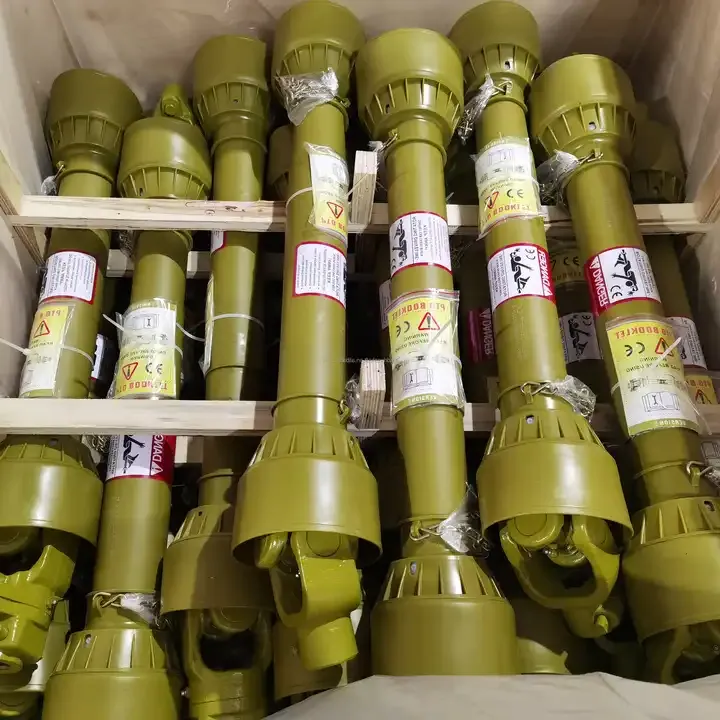
Regulations and Laws in Major Usage Areas
Germany enforces strict machinery safety under the Machinery Directive 2006/42/EC, mandating PTO shafts in fertilizer spreaders to include guards and comply with DIN EN 12965 for protective devices. Environmental laws like the Fertilizer Ordinance (Düngemittelverordnung) require precise application to limit nitrate leaching, with shafts playing a role in controlled distribution. Non-compliance can lead to fines up to €50,000, emphasizing certified components for farm audits.
In neighboring France, the Code Rural governs agricultural equipment, aligning with EU standards for PTO safety. The National Plan for Sustainable Agriculture incentivizes low-emission spreading, where shafts with torque limiters help meet emission thresholds. Violations may result in subsidy losses, pushing farmers toward compliant drivelines.
The Netherlands’ Manure Act (Meststoffenwet) regulates fertilizer use, requiring shafts that support variable rate technology to avoid over-application. Safety is covered under Arbowet, with mandatory inspections every two years. This framework ensures shafts contribute to water quality goals, with penalties for excess nutrients reaching €10,000 per incident.
Poland follows EU directives, with the Act on Fertilizers demanding accurate spreading to protect Baltic Sea watersheds. PTO shafts must bear CE marks, and farms face audits under the Nitrate Directive. Adhering to these laws prevents soil degradation, with shafts aiding in compliance through reliable power transfer.
Across these regions, common threads include safety certifications and environmental protections. For global operators, understanding these regulations ensures smooth operations. Explore our range on the main page for PTO shaft options that meet these standards.
Compatibility Specifications with Other Brands
| Brand | Compatible Models | Note |
|---|---|---|
| Amazone (for reference only, independent manufacturer) | ZA-M series | Matches spline and length specs |
| Rauch (for reference only, independent manufacturer) | Axis models | Torque alignment for heavy loads |
| Kuhn (for reference only, independent manufacturer) | MDS variants | Universal joint compatibility |
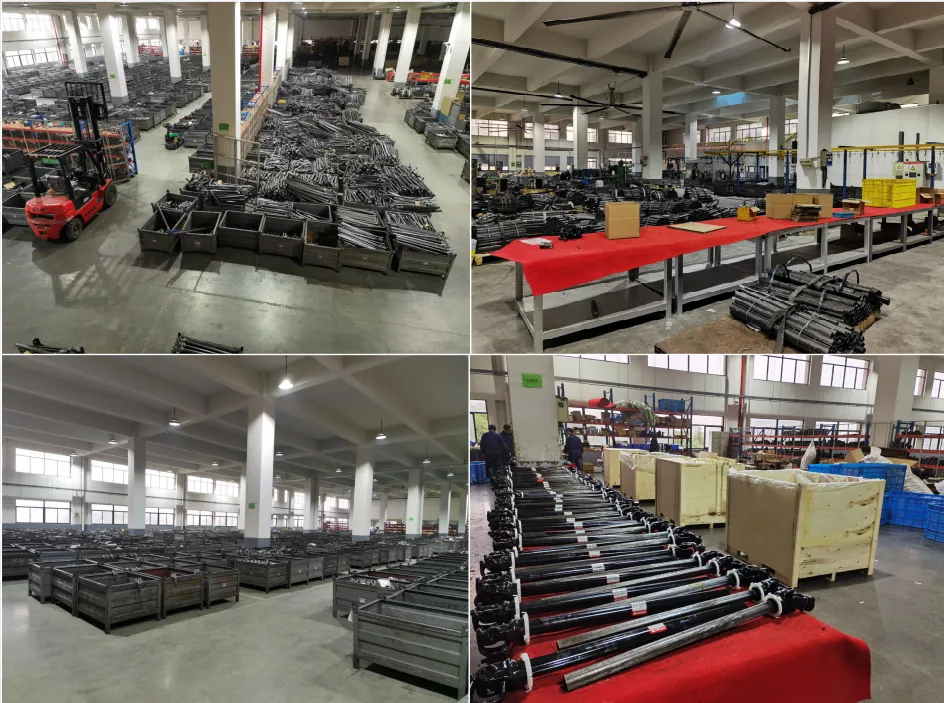
Advantages of Our PTO Shafts
Our PTO shafts offer superior torque handling, with models sustaining peaks up to 3500 Nm, ideal for large-scale fertilizer operations. Precision engineering reduces backlash to under 2 degrees, ensuring accurate power delivery for even spreading. Heat-treated components resist fatigue, providing twice the lifespan of standard alternatives in abrasive conditions.
Ease of maintenance stands out, with accessible grease points and modular parts for quick repairs. Compatibility with multiple tractor brands minimizes inventory needs, while custom lengths cater to specific setups. These advantages translate to lower operational costs, with users reporting 10-15% fuel savings through efficient transmission.
Safety enhancements, like integrated limiters, protect against jams common in manure handling. In performance tests, our shafts maintain 98% efficiency at full load, outperforming competitors in endurance trials. For demanding applications, these benefits ensure uninterrupted fieldwork.
Farmers value the quiet operation, with noise levels below 80 dB, improving comfort during long hours. Versatile designs support both 540 and 1000 RPM, adapting to various power sources. Overall, these shafts deliver reliability that supports profitable farming.
- Enhanced durability for extended use.
- Optimized efficiency for cost savings.
- Advanced safety for operator protection.
Choosing these shafts means investing in technology that grows with your farm’s needs.
Why Choose Our PTO Shaft Solutions
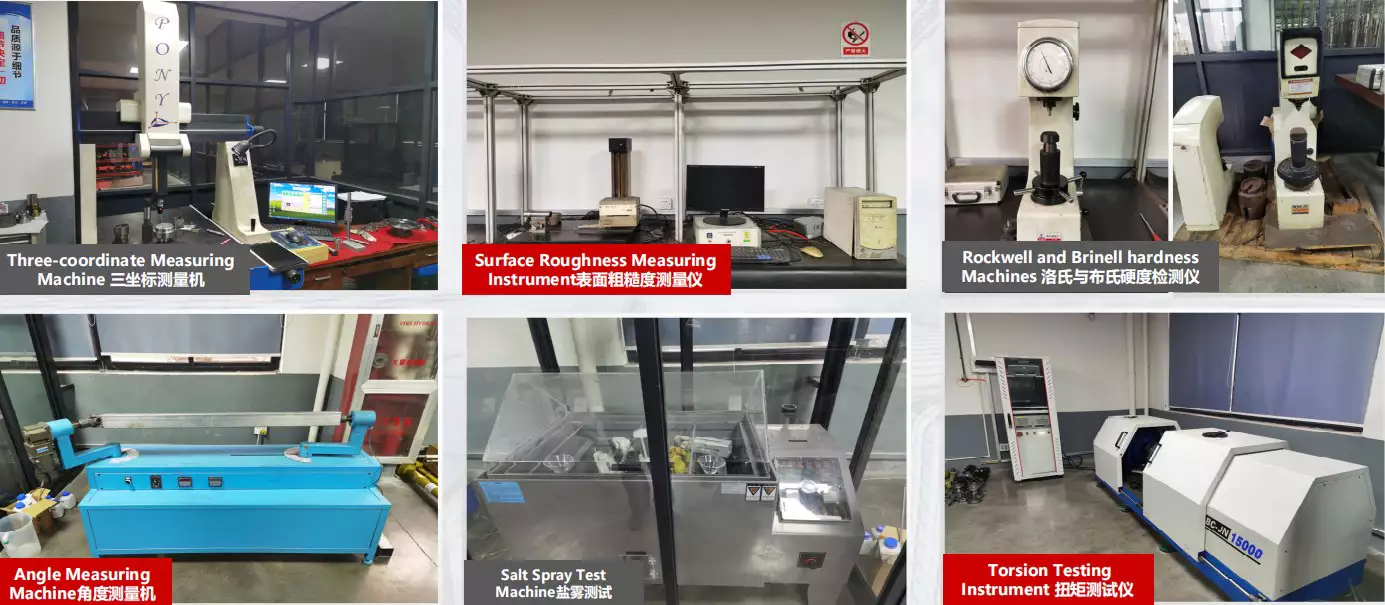
Opting for our PTO shafts means accessing field-tested reliability backed by rigorous quality checks. We prioritize components that endure the harshest conditions, from muddy fields to high-volume spreading. Our solutions integrate seamlessly with leading spreader models, offering plug-and-play convenience. With a focus on innovation, we incorporate feedback from real users to refine designs, ensuring peak performance. Get in touch for tailored PTO shaft inquiries that fit your exact requirements. Trust in our commitment to excellence for uninterrupted agricultural productivity.

Frequently Asked Questions
What torque capacity should I look for in a PTO shaft for a 10-meter fertilizer spreader?
For spreaders of this size, aim for shafts rated at 2000-3000 Nm to handle peak loads during dense material distribution. This ensures smooth operation without slippage, especially on inclines. Check your tractor’s output and add a 20% safety margin for longevity. Regular inspections for wear can prevent failures mid-season.
How do I maintain a PTO shaft used in wet manure spreading?
Clean the shaft after each use to remove residue, then apply grease to joints every 10 hours. Inspect guards for cracks and replace if damaged to comply with safety regs. Store indoors to avoid rust, and test alignment before attaching. This routine can extend life to over 6000 hours in challenging conditions.
Are your PTO shafts compatible with older German spreader models?
Yes, our designs match standard splines like 1 3/8″ 6-tooth, fitting many vintage units. Verify dimensions against your equipment manual for perfect fit. Upgrading adds modern features like better balancing, reducing vibrations and improving efficiency. Consult specs to ensure torque alignment.
What safety features are essential for PTO shafts in EU-regulated farms?
Look for integral guards meeting EN standards, shear pins for overload protection, and quick-disconnect yokes. These prevent entanglements and break at safe torque levels. Annual certifications confirm compliance, avoiding fines. Features like color-coded parts aid quick identification during maintenance.
How does a PTO shaft affect fertilizer spreading uniformity?
Consistent torque delivery ensures steady disc speeds, leading to even patterns. Variations can cause streaks, wasting resources. Our shafts minimize power loss through efficient joints, supporting GPS-integrated systems for precision. Field trials show up to 18% better coverage with optimized drivelines.