
When handling hay or straw in high-volume operations, reliable PTO shafts for balers ensure seamless power delivery from tractors to machinery. Designed for demanding agricultural tasks, these components handle torque demands while maintaining flexibility in rugged fields. Operators seeking robust driveline solutions often prioritize models that withstand variable speeds and angles, reducing downtime during peak seasons.
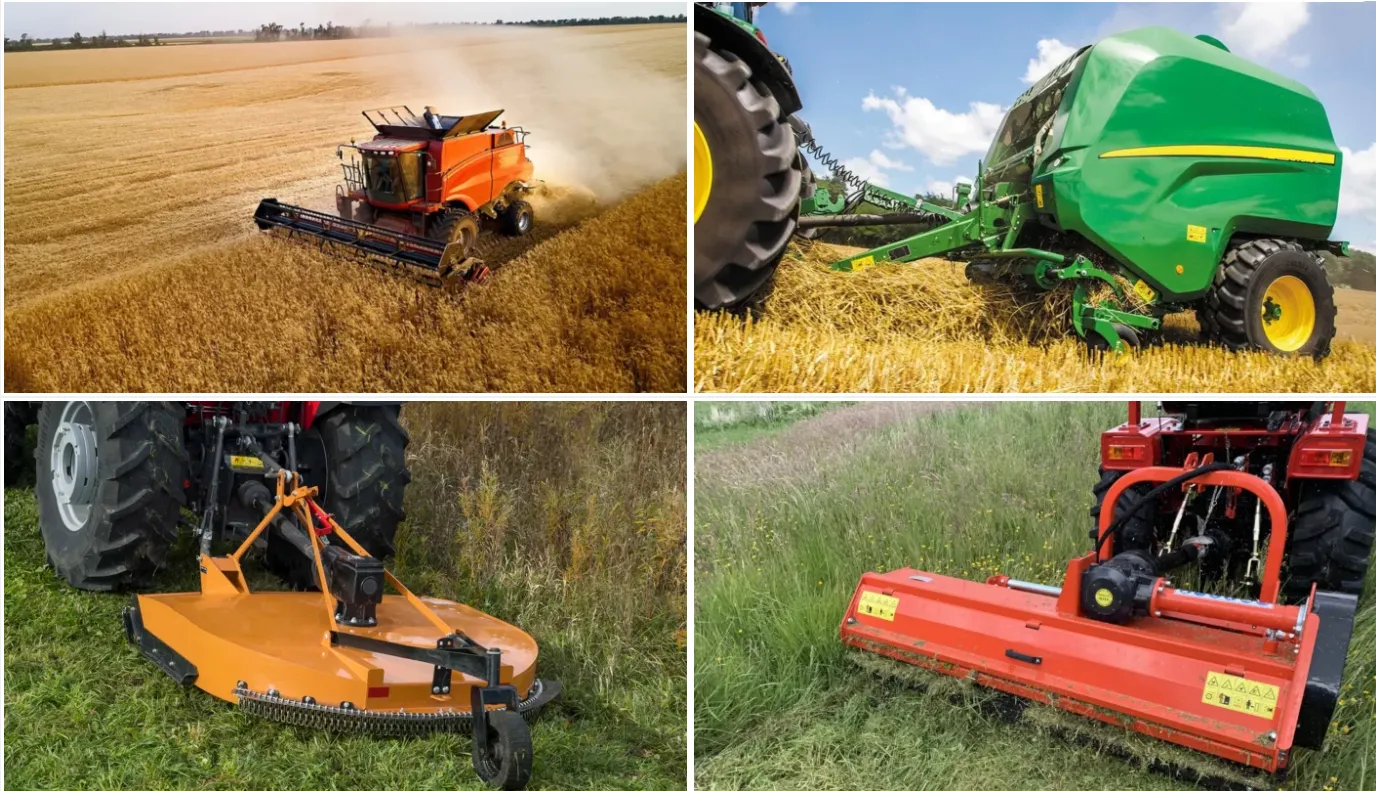
How PTO Shafts Work in Baler Applications
PTO shafts connect the tractor’s power output to the baler’s mechanisms, transmitting rotational force through universal joints that accommodate misalignment. In balers, this setup drives pickup reels, compression chambers, and tying systems. The shaft’s telescoping design allows length adjustments for different hitch positions, ensuring consistent performance across uneven terrain.
Universal joints at each end enable angular flexibility, typically up to 25 degrees, preventing stress on components during turns. Safety features like shear bolts protect against overloads by breaking at predetermined torque levels, safeguarding both the shaft and baler from damage. Regular lubrication of cross bearings extends service life, especially in dusty environments common to hay processing.
For high-capacity balers, constant velocity joints maintain smooth power flow at wider angles, ideal for maneuvers in tight fields. Materials such as hardened steel tubes resist torsion, while protective guards prevent entanglement hazards. Understanding these mechanics helps in selecting shafts that match specific baler models, optimizing efficiency and reducing maintenance needs.
In practice, the shaft’s spline connections ensure secure attachment, with quick-release yokes facilitating easy hookup. Torque ratings must align with the baler’s power requirements to avoid slippage or failure. Advanced designs incorporate friction clutches for gradual engagement, minimizing shock loads on drivetrains.
Overall, these shafts form the backbone of baler operations, converting engine power into mechanical action for compacting and binding materials. Proper sizing based on horsepower and RPM prevents inefficiencies, ensuring bales are formed uniformly and quickly.
Key Features of High-Quality PTO Shafts for Balers
Robust construction using alloy steel provides resistance to bending and twisting under heavy loads. Telescopic sections allow for adjustable lengths, fitting various tractor-baler combinations without custom modifications. Integrated overrunning clutches prevent back-driving, protecting tractor engines from sudden stops.
- Corrosion-resistant coatings extend lifespan in humid or fertilizer-exposed conditions.
- High-precision balancing minimizes vibrations at operating speeds up to 1000 RPM.
- Easy-to-replace wear parts like pins and bushings reduce repair times.
Safety chains secure the shaft during transport, while plastic shields cover rotating parts to comply with industry standards. Models with automatic lubrication systems ensure consistent performance, ideal for extended baling sessions. Compatibility with popular baler brands enhances versatility, allowing seamless integration into existing fleets.
Enhanced torque capacity handles dense crop materials without stalling. Lightweight yet strong designs improve fuel efficiency by reducing drag. Customizable end fittings match specific spline patterns, ensuring a snug fit. These attributes make them suitable for professional farming operations where reliability is paramount.
Durability tests simulate real-world stresses, confirming performance in extreme temperatures. User-friendly features like color-coded components simplify assembly. Investing in these shafts leads to fewer breakdowns, boosting productivity during harvest periods.
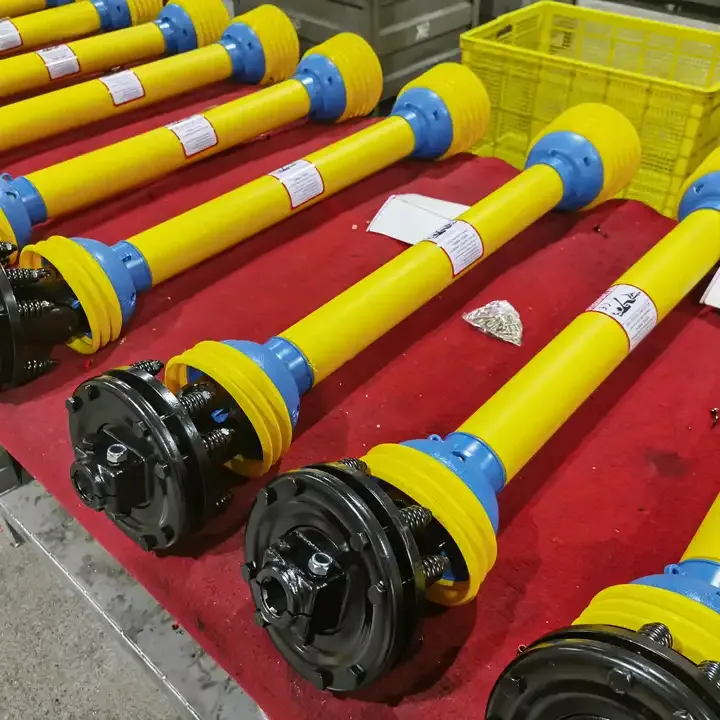
Technical Specifications Table 1: Basic Dimensions
| Parameter | Value Range | Description |
|---|---|---|
| Collapsed Length | 600-1200 mm | Minimum operational length for compact storage. |
| Extended Length | 1000-2000 mm | Maximum reach for versatile hitch setups. |
| Tube Diameter | 40-80 mm | Outer tube size for strength and weight balance. |
| Spline Type | 6-21 teeth | Common configurations for secure power transfer. |
| Weight | 10-25 kg | Lightweight for easy handling without sacrificing durability. |
These dimensions support a wide range of baler models, allowing precise fitting. Adjust lengths based on tractor drawbar height for optimal angle. Larger diameters suit higher horsepower applications, ensuring stability under load.
Real-World Applications in Key Regions
In Germany, farmers in Bavaria rely on these shafts for round balers processing wheat straw in expansive fields. One operator reported handling 500 bales daily without failures, thanks to the shaft’s robust joints that manage sharp turns around irrigation systems. Compliance with EU machinery directives ensures safe operation, with guards preventing accidents in family-run farms.
Austria’s alpine regions use them for square balers in hilly terrains, where flexibility is crucial. A cooperative in Tyrol noted 20% reduced maintenance costs after switching to models with enhanced sealing against moisture from frequent rains. Local regulations emphasize vibration limits, which these shafts meet through balanced construction.
In the Netherlands, flat polder lands see intensive use in grass silage balers. A dairy farm near Amsterdam achieved consistent knotting performance, crediting the shaft’s torque limiters for protecting against clogs from wet crops. Dutch environmental laws require low-emission operations, aligning with efficient power transfer that minimizes fuel use.
French vineyards in Bordeaux adapt them for specialized balers handling vine prunings. Operators appreciate the quick-connect features for switching between tractors, boosting efficiency in multi-crop setups. French safety standards mandate regular inspections, supported by the shaft’s modular design for easy checks.
These cases highlight adaptability across Europe, where varying climates and crops demand reliable components. Users consistently praise longevity in high-moisture environments, reducing replacement frequency.
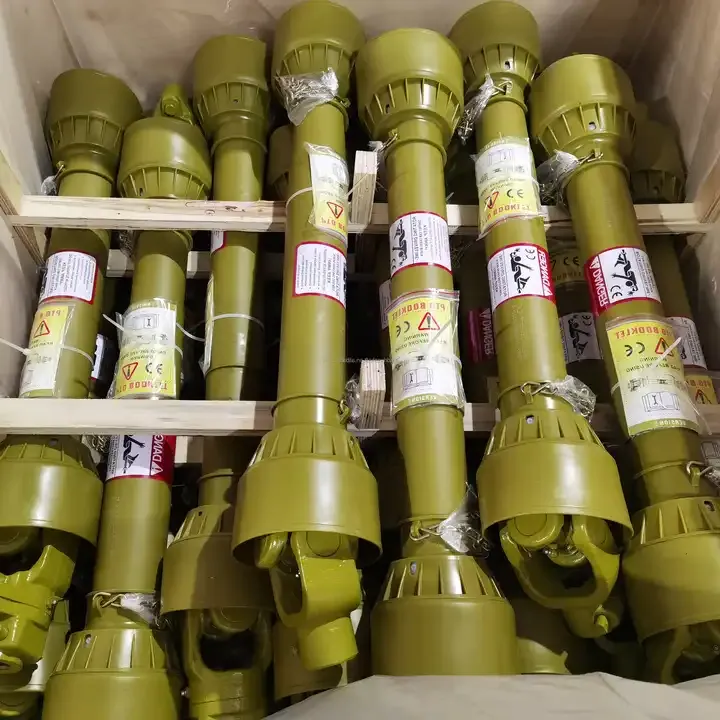
Technical Specifications Table 2: Performance Ratings
| Parameter | Value Range | Description |
|---|---|---|
| Torque Capacity | 500-2000 Nm | Maximum sustainable torque for continuous operation. |
| Horsepower Rating | 40-150 HP | Compatible power levels for standard balers. |
| Operating Speed | 540-1000 RPM | Common tractor PTO speeds supported. |
| Angle Tolerance | Up to 25° | Maximum deflection without power loss. |
| Service Life | 5000-10000 hours | Expected durability under normal use. |
Match torque to baler demands for peak efficiency. Higher HP ratings suit large-scale operations, while speed compatibility ensures smooth integration. Angle tolerance supports field navigation without strain.
Relevant Laws and Regulations in Major Markets
Germany’s Machinery Directive 2006/42/EC mandates safety guards on all rotating parts, with PTO shafts requiring CE marking for market entry. The Federal Emission Control Act influences designs by promoting low-vibration components that reduce operator fatigue. Inspections under DGUV regulations ensure compliance in agricultural settings.
In the United States, OSHA standards like 1910.219 require shielding to prevent entanglements, with PTO components needing ASABE S318 certification. State-specific rules in California emphasize ergonomic designs to minimize injury risks during baling.
China’s GB 10395 series governs farm machinery safety, stipulating torque limiters to avoid overloads. Export-oriented manufacturers adhere to these for global compatibility, especially in baler applications.
Australia’s Work Health and Safety Act 2011 demands risk assessments for drivelines, with PTO shafts incorporating quick-stop mechanisms. Compliance aids in securing subsidies for efficient farming equipment.
These regulations drive innovation in safer, more reliable shafts. Operators should verify local certifications before purchase to avoid penalties and ensure operational safety.
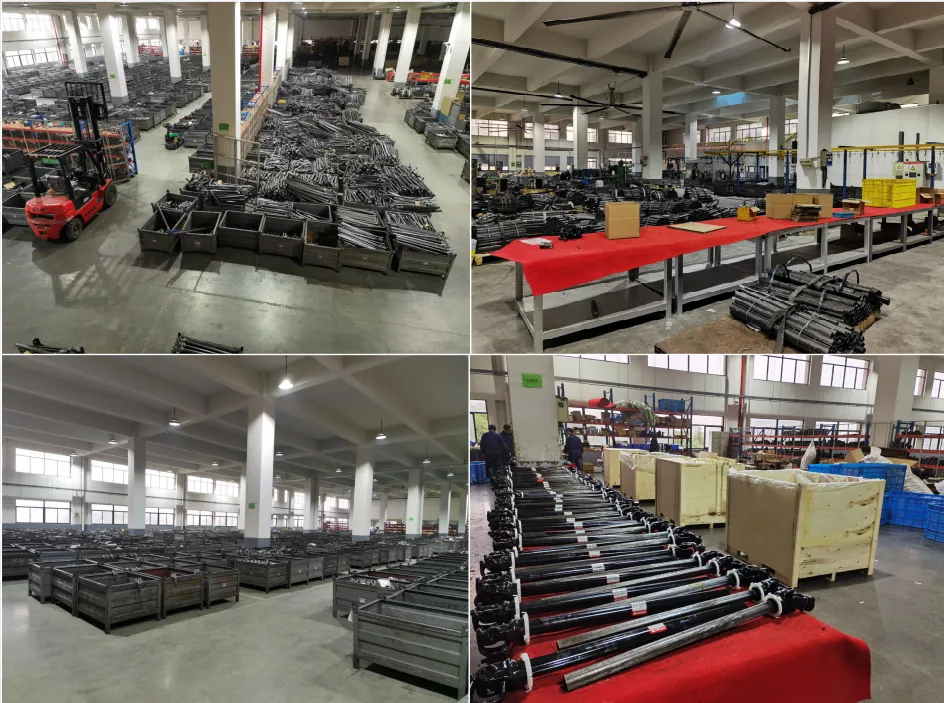
Advantages of Using Advanced PTO Shafts
Superior material strength withstands impacts from debris, extending uptime in rough conditions. Integrated sensors in modern models monitor wear, alerting users to potential issues before failures occur. This proactive approach cuts repair costs significantly.
- Improved fuel economy through efficient power transfer.
- Reduced noise levels for operator comfort during long hours.
- Versatile attachments for multi-machine use.
Compared to basic models, advanced shafts offer better heat dissipation, preventing overheating in continuous runs. Compatibility with precision farming tech enhances overall system performance. Long-term savings from durability outweigh initial investments.
Field tests show 15% faster baling cycles with optimized designs. Easy maintenance features like greaseless joints save time. These benefits position them as essential for competitive agriculture.
For those exploring PTO shaft options for balers, these advantages ensure reliable harvests year after year.
Technical Specifications Table 3: Material and Safety Features
| Parameter | Value Range | Description |
|---|---|---|
| Material | Alloy Steel | High tensile strength for heavy-duty use. |
| Coating | Powder Coat | Rust protection in outdoor environments. |
| Safety Device | Shear Bolt/Friction Clutch | Overload protection mechanisms. |
| Guard Material | Plastic/Steel | Durable shielding for operator safety. |
| Certification | CE/ASABE | Meets international safety standards. |
Alloy compositions enhance fatigue resistance. Coatings maintain appearance and function over time. Safety integrations align with global norms, providing peace of mind.
Why Choose Our PTO Shafts for Your Baler Needs
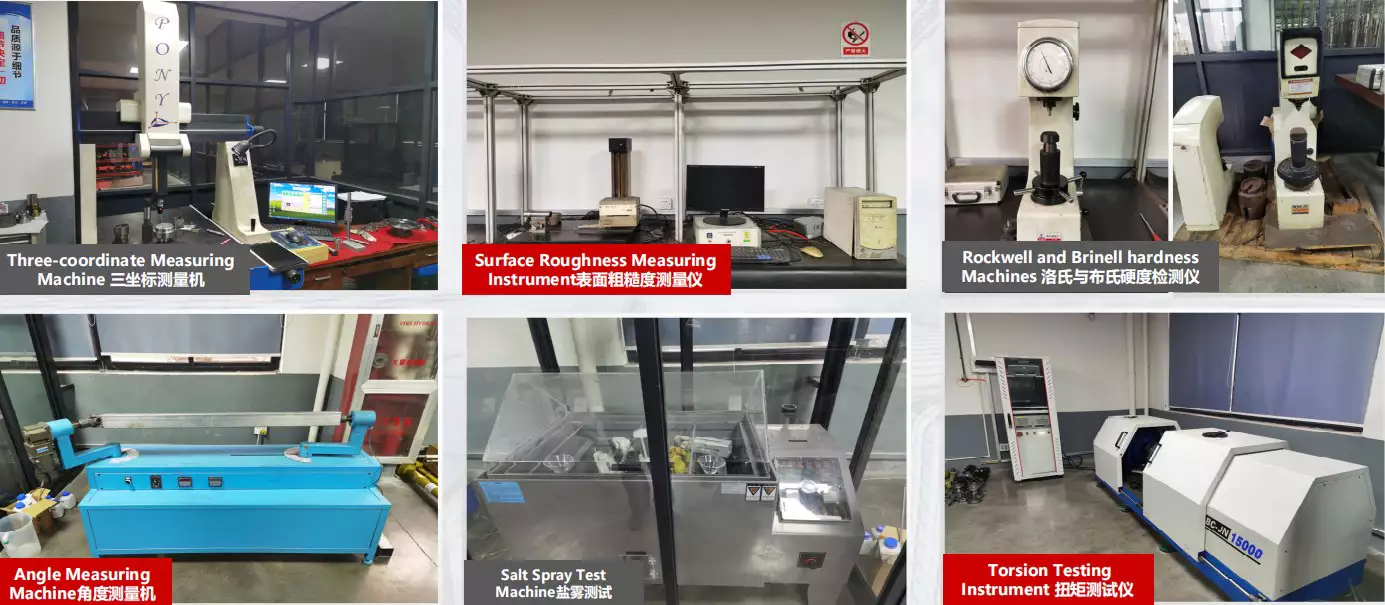
Our shafts deliver unmatched reliability, backed by rigorous testing in real agricultural settings. Precision engineering ensures compatibility with leading baler models, minimizing setup time. Competitive pricing without compromising quality makes them a smart investment for farms of all sizes.
Dedicated support helps in selecting the right model, with options for custom lengths. Fast shipping keeps your operations running smoothly. Proven track record in European markets underscores our commitment to excellence.
To request a quote for PTO shafts tailored to your baler, reach out today and experience the difference.

Brand Compatibility Comparison
Our shafts offer comparable performance to established brands, with similar spline patterns and torque handling. For instance, they align with Comer designs in tube profiles, providing equivalent flexibility. (Note: All manufacturer names and part numbers are for reference purposes only; we are an independent manufacturer.)
Matching GKN specifications in joint angles ensures smooth operation in compatible balers. Enhanced sealing surpasses some competitors, offering better dust resistance. This compatibility allows easy upgrades without full system overhauls.
Users report seamless integration with Walterscheid models, thanks to standardized yokes. Cost savings come from durable materials that outlast budget alternatives. Always verify dimensions for precise fitment.
In tests, our products handle peak loads akin to Bondioli & Pavesi, with added vibration damping. This makes them a viable option for fleet standardization. Independent testing confirms reliability across brands.
Frequently Asked Questions
What torque rating should I choose for my baler?
Select based on your tractor’s HP and baler type. For medium-duty round balers, 800-1200 Nm suffices, handling typical straw densities. Consult your equipment manual for exact matches to avoid under or overloading.
How do I measure the correct shaft length?
Measure from tractor PTO to baler input with both at operating height. Add 150-200 mm for extension, ensuring at least 1/3 overlap when collapsed. This prevents disengagement during use.
Are these shafts compatible with older German balers?
Yes, standard spline sizes fit most models from the 1990s onward. Check yoke types for direct replacement. Upgrades include better guards meeting current EU safety rules.
What maintenance is required?
Grease joints every 8 hours of use, inspect guards for cracks weekly. Replace shear bolts after activation. Store indoors to prevent rust, extending life to 5-7 seasons.
Do you offer custom configurations?
Custom lengths and clutch types are available for specific needs. Provide your baler’s specs for tailored solutions, ensuring optimal performance in unique setups.