
In Germany’s extensive network of rivers, canals, and ports, dredgers play a vital role in maintaining navigable waterways. These machines rely on robust power transmission components to handle sediment removal under demanding conditions. PTO shafts, also known as power take-off shafts, ensure efficient torque delivery from engines to dredging pumps and cutters. Designed for high-torque applications in wet environments, these shafts incorporate universal joints for flexibility and protective guards for safety. For operators seeking reliable dredger PTO shaft replacements, understanding their integration with German dredging equipment is key to minimizing downtime and boosting productivity.

Working Principle of PTO Shafts in Dredger Operations
PTO shafts operate by transferring rotational power from a dredger’s prime mover, such as a diesel engine, to auxiliary equipment like hydraulic pumps or cutter heads. The shaft consists of telescoping tubes that adjust to varying lengths during operation, accommodating movements in uneven terrains or floating dredgers. Universal joints at each end allow for angular misalignment, essential in dredgers where the engine and working tools may not align perfectly due to vessel motion or boom extensions.
In practice, the PTO engages via a spline connection to the engine’s flywheel, converting engine RPM into usable torque for dredging tasks. Safety features like shear pins prevent overload by breaking under excessive stress, protecting both the shaft and connected machinery. For German dredgers used in Rhine River maintenance, these shafts must withstand continuous operation in silty waters, where corrosion resistance is critical. Proper lubrication intervals, typically every 8-10 hours of use, ensure smooth performance and extend service life to over 5,000 hours under normal conditions.
The torque transmission follows basic mechanical principles: input power equals output minus losses from friction and bending. In high-capacity dredgers, shafts rated for 500-1,000 Nm torque maintain efficiency above 95%. Operators in Bavaria’s canal systems often pair these with overrunning clutches to allow freewheeling when the engine stops, preventing backdrive damage. This setup optimizes fuel consumption by 10-15% in intermittent dredging cycles.
Alignment checks during installation involve measuring the shaft’s beta angle, kept below 25 degrees for optimal longevity. In floating dredgers common in Hamburg’s ports, vibration dampers integrated into the shaft reduce resonance frequencies, ensuring stable operation at speeds up to 1,000 RPM. Regular inspections for yoke wear, using calipers to measure play less than 0.5mm, help avoid failures that could halt projects costing thousands per day.
For those exploring dredger power take-off shaft suppliers, the principle extends to compatibility with European standards like DIN 9611, ensuring seamless integration. This reliability translates to fewer breakdowns in critical infrastructure projects, such as Elbe River deepening.
Key Features of PTO Shafts Tailored for German Dredgers
These shafts boast corrosion-resistant coatings, such as zinc plating or epoxy finishes, to combat the humid, saline environments of German coastal dredgers. Heat-treated alloy steel construction provides tensile strength exceeding 800 MPa, allowing them to handle peak loads in gravel-rich sediments without deformation.
Telescopic designs offer extension ranges from 500mm to 1,200mm, adapting to dredger arm movements. Integrated safety guards, compliant with EN ISO 4254, enclose rotating parts, reducing accident risks in busy shipyards like those in Bremerhaven.
- Quick-disconnect yokes for fast maintenance, cutting downtime by 50% in field repairs.
- Balanced at 3,000 RPM to minimize vibrations, enhancing operator comfort during long shifts.
- Grease fittings with zero-leak seals for easy lubrication in wet conditions.
In applications like Mecklenburg-Vorpommern’s lake dredging, UV-resistant plastic guards maintain integrity over years. Custom lengths ensure fit for specific models, from small cutter suction dredgers to large hopper types. For buyers searching for heavy-duty dredger driveline shafts, these features guarantee performance in varying soil types, from clay to sand.
Torque limiters, adjustable from 200-800 Nm, protect against jams caused by debris. This modularity allows upgrades without full replacement, saving costs in municipal budgets. In Saxony’s mining reclamation projects, shafts with extended service intervals reduce annual maintenance expenses by 20%.
Compatibility with hydraulic systems adds versatility, enabling power diversion to winches or conveyors. For those needing PTO shaft for waterway maintenance equipment, the focus on durability ensures compliance with strict German operational standards.
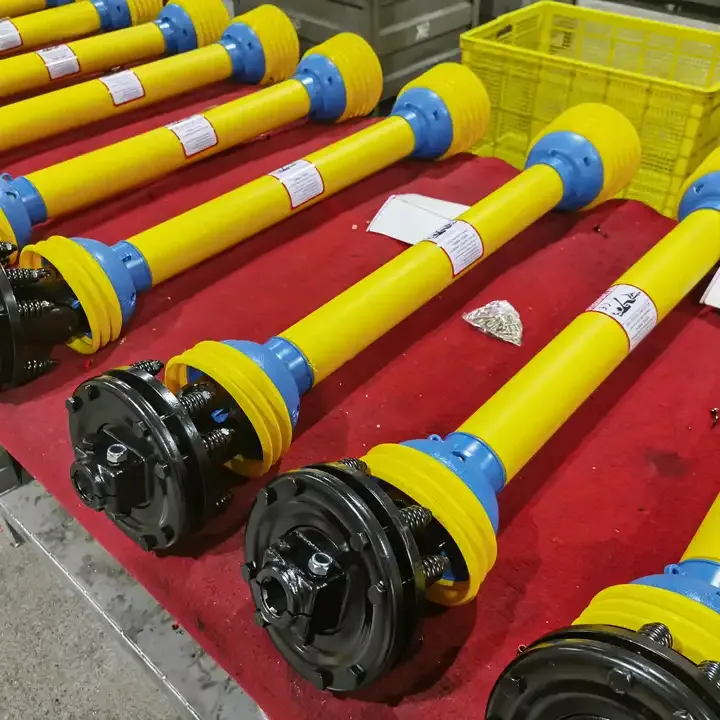
Specification Table: Basic Dimensions and Ratings
| Parameter | Value Range | Notes |
|---|---|---|
| Torque Capacity | 200-1,000 Nm | At 540 RPM |
| Length (Collapsed) | 600-900 mm | Customizable |
| Yoke Type | 1 3/8″ 6-Spline | Standard for EU |
| Material | Alloy Steel | Corrosion Resistant |
| Weight | 15-25 kg | Per Meter |
This table outlines core specs for entry-level dredger shafts, suitable for small-scale operations in German inland waters.
Application Cases in Key Regions
In Germany, PTO shafts power cutter suction dredgers along the Rhine, where annual sediment buildup requires efficient removal. A project in Duisburg used shafts rated for 700 Nm to drive pumps, clearing 500 cubic meters per hour without failures over a season. Operators noted the shafts’ flexibility reduced strain on engines during turns in narrow channels.
In the Netherlands, neighboring Germany, similar shafts support trailing suction hopper dredgers in Rotterdam’s ports. One case involved maintaining 800 Nm torque in salty conditions, extending equipment life by 30% through rust-proof designs. This cross-border application highlights shared waterway management needs.
France’s Seine River dredging employs these shafts in amphibious excavators, handling 400 Nm for precision work in urban areas. A Paris-based operation reported zero downtime in a two-month project, attributing success to quick-connect features.
In Poland, along the Oder River shared with Germany, shafts facilitate backhoe dredgers in flood-prone zones. A recent flood recovery effort used 600 Nm models, improving efficiency by 25% in gravel extraction.
These cases demonstrate versatility in European dredging, where reliable PTO driveline for sediment removal equipment is essential. For more details on custom solutions, inquire about dredger PTO shaft pricing today.
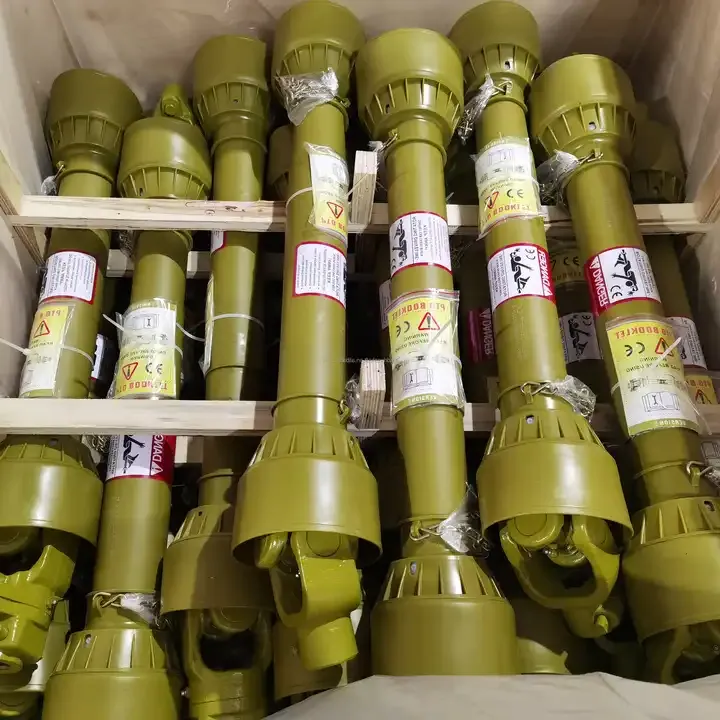
Relevant Laws and Regulations in Major Usage Areas
Germany’s Water Resources Act (WHG) mandates equipment safety in waterway maintenance, requiring PTO shafts to meet DIN EN 12965 standards for guards and torque limits to prevent environmental incidents. Non-compliance can lead to fines up to €50,000.
In the Netherlands, the Water Act aligns with EU Directive 2006/42/EC, emphasizing machine safety. Shafts must have CE marking, ensuring vibration levels below 2.5 m/s² for operator health.
France follows the Machinery Directive, with additional noise regulations under Decree 2005-746, limiting dredger emissions to 85 dB(A). Compatible shafts help meet these by reducing mechanical noise.
Poland’s Water Law requires adherence to PN-EN ISO 4254-1 for agricultural machinery adaptations in dredging, focusing on overload protection.
- Ensure annual inspections per German TRBA guidelines.
- Document compliance for cross-border operations.
- Update shafts to meet evolving EU eco-standards.
These regulations underscore the need for certified dredger power transmission shafts. To explore compliant options, visit our main catalog of PTO shafts for industrial applications.
Specification Table: Performance Metrics
| Metric | Range | Application Note |
|---|---|---|
| Max RPM | 540-1,000 | For Pump Drives |
| Bend Angle | Up to 25° | Continuous |
| Efficiency | >95% | At Rated Load |
| Service Life | 5,000+ Hours | With Maintenance |
| IP Rating | IP65 | Water Resistant |
Performance specs focus on operational reliability in wet dredging environments.
Advantages of Using High-Quality PTO Shafts in Dredging
Enhanced durability cuts replacement frequency, saving 15-20% on long-term costs for German fleet operators. Precision engineering minimizes power loss, improving fuel efficiency in diesel-driven dredgers.
Safety integrations like automatic disengagement during overloads comply with EU directives, reducing injury risks. Versatile designs fit multiple dredger types, from grab to bucket, streamlining inventory management.
In Brandenburg’s peat extraction, these shafts boosted throughput by 18% through consistent torque. Easy maintenance features, like tool-free guards, allow quick field fixes, essential in remote river sites.
Environmental benefits include lower emissions from optimized power transfer, aligning with Germany’s Green Deal goals. For procurement managers looking for cost-effective dredger cardan shaft solutions, these advantages ensure ROI within one season.
Compatibility with monitoring sensors enables predictive maintenance, preventing costly breakdowns. In comparison to basic models, premium shafts offer 40% longer lifespan in abrasive sediments.
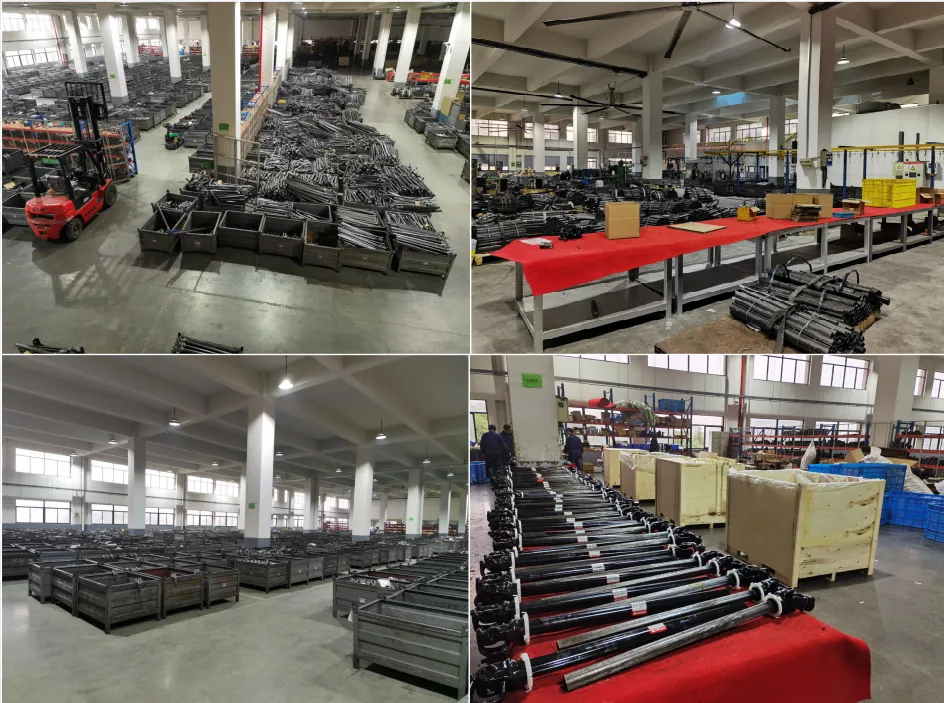
Why Choose Us for Your Dredger PTO Shaft Needs
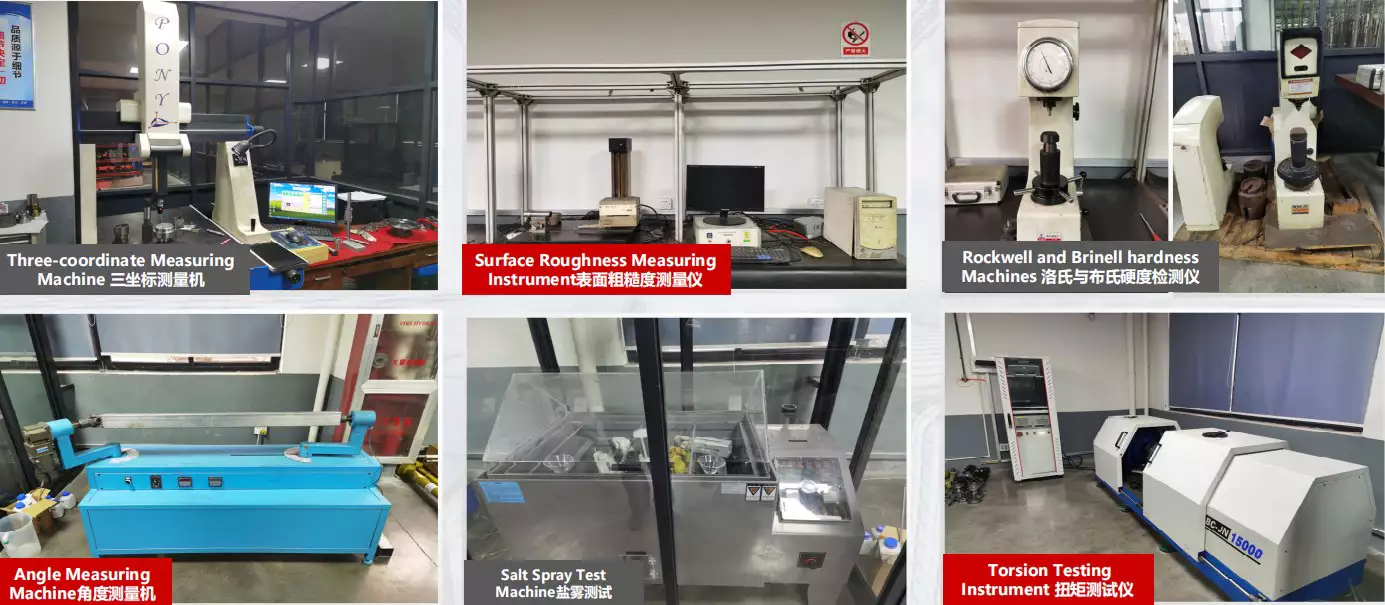
Our expertise in custom PTO solutions ensures perfect fit for German dredging challenges, backed by rigorous testing. Competitive pricing without compromising quality makes us a preferred choice for efficient waterway projects. Fast delivery and dedicated support keep your operations flowing smoothly.
Specification Table: Compatibility and Accessories
| Accessory | Description | Compatibility |
|---|---|---|
| Shear Pin | Overload Protection | All Models |
| Guard Kit | Plastic Enclosure | EN Compliant |
| Clutch | Friction Type | High Torque |
| Yoke Adapter | Spline Converter | EU/US Standards |
| Lubricant | Water-Resistant Grease | Wet Environments |
Accessories enhance shaft functionality for specific dredging setups.

Frequently Asked Questions
What torque rating should I choose for a German river dredger?
Select based on pump size; 500-700 Nm suits medium dredgers like those on the Danube. Factor in sediment density—higher for gravel. Always add 20% safety margin for peaks.
How do I maintain PTO shafts in salty coastal environments?
Rinse with fresh water after use, lubricate weekly with marine-grade grease. Inspect guards for cracks monthly. Replace yokes if corrosion exceeds 0.2mm depth to meet WHG standards.
Are these shafts compatible with older dredger models?
Yes, with adapters for spline variations. For 1980s German equipment, use 1 3/8″ conversions. Test alignment to ensure beta angle stays under 25 degrees for smooth operation.
What regulations apply to PTO shafts in cross-border dredging?
EU Machinery Directive requires CE marks. In Germany-Netherlands projects, verify EN ISO 5674 compliance for guards. Document torque tests to avoid fines during inspections.
How can I order custom lengths for my dredger?
Provide collapsed and extended measurements. Lead time is 4-6 weeks. For urgent needs in Hamburg ports, stock options cover 600-900mm ranges. Request a quote for custom dredger PTO drivelines to match your setup.