
Centrifugal fertilizer spreaders rely on robust power transmission to distribute nutrients evenly across vast fields. In Germany, where precision agriculture drives productivity, selecting the right PTO shaft ensures seamless operation under varying soil conditions. These components connect tractors to spreaders, handling torque demands while maintaining alignment during turns. Farmers often search for durable PTO shafts that withstand high-speed rotations, reducing downtime and boosting efficiency. Understanding key features helps in choosing models that fit specific equipment setups.
Key Features of PTO Shafts for Fertilizer Spreaders
PTO shafts designed for centrifugal spreaders incorporate materials like high-strength steel to resist torsion and bending. They feature telescopic designs allowing length adjustments from 600mm to 1500mm, accommodating different tractor hitches. Safety guards prevent entanglement, complying with European standards. Torque capacities range from 500Nm to 2000Nm, matching spreader disc speeds up to 540rpm or 1000rpm. Quick-connect yokes simplify attachment, saving time during field preparations. These shafts often include shear bolts to protect against overloads, a common issue when encountering clumped fertilizer.
Vibration damping is another critical aspect, achieved through balanced universal joints. This minimizes wear on bearings and extends service life to over 10,000 hours under normal use. Corrosion-resistant coatings guard against fertilizer residues, essential in humid German climates. Users appreciate models with easy lubrication points, reducing maintenance to quarterly checks. When sourcing replacement PTO shafts for fertilizer equipment, consider compatibility with popular spreader brands through cross-reference charts. This ensures smooth integration without modifications.
Advanced options include constant velocity joints for sharper turns, ideal for irregular fields. These maintain even power flow, preventing uneven fertilizer application. Weight considerations matter too, with lighter composite variants reducing fuel consumption. Farmers upgrading their setups often look for PTO shafts with integrated clutches to handle sudden stops. Overall, these features support reliable performance, aligning with demands for high-capacity spreading in intensive farming.
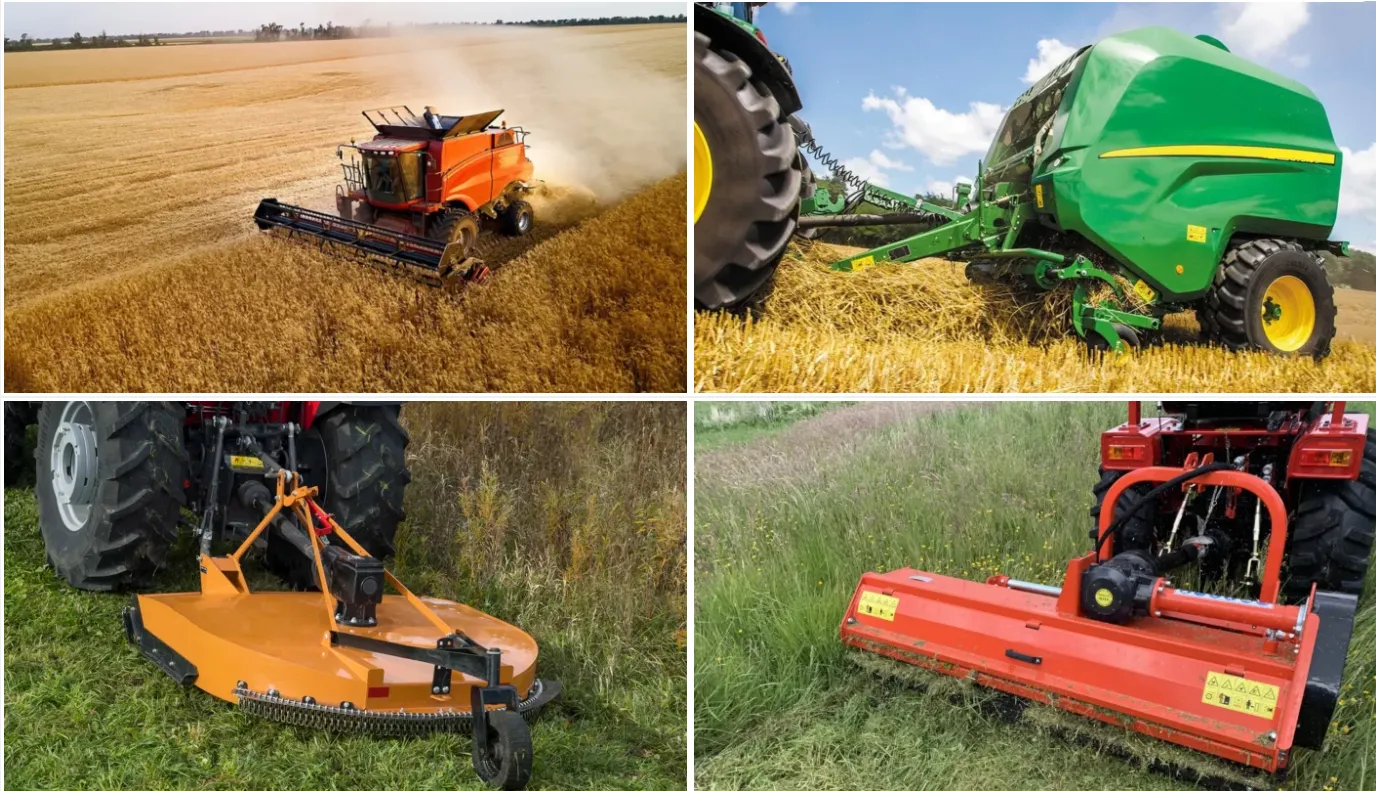
Incorporating overload protection mechanisms like friction discs adds another layer of durability. These absorb shocks from rocky terrain, common in parts of Bavaria. For those seeking PTO drive shafts suited to German agriculture, focusing on these elements leads to better long-term value. Regular inspections for spline wear further enhance reliability, preventing costly breakdowns during peak seasons.
| Parameter | Specification |
|---|---|
| Torque Rating | Up to 1500Nm |
| Length Range | 800mm – 1200mm |
| Yoke Type | Quick Disconnect |
| Material | Alloy Steel |
| RPM Capacity | 540/1000 |
Working Principle and Operation
The PTO shaft transfers rotational power from the tractor’s engine to the spreader’s disc. Universal joints at both ends allow flexibility, compensating for misalignment during movement. As the tractor moves, the shaft extends or contracts via its telescopic sections, maintaining constant drive. Power flows through splined connections, turning the spreader’s gearbox which spins the disc at high speeds. Fertilizer granules are flung outward in a uniform pattern due to centrifugal force.
In operation, engage the PTO at low engine speeds to avoid sudden jolts. Monitor for unusual noises indicating misalignment or wear. Calibration involves adjusting disc speed to match granule size, ensuring coverage from 12 to 24 meters wide. Safety interlocks disengage power if guards are removed. For optimal results, align the shaft horizontally to minimize joint angles below 15 degrees. This principle supports precise nutrient placement, vital for sustainable farming practices.
Maintenance plays a key role in reliable function. Grease joints every 8 hours of use to prevent seizing. Check for cracks in tubing after exposure to harsh weather. When storing, collapse the shaft fully and cover ends to block debris. Operators buying PTO shafts for spreader upgrades should verify spline counts match existing setups. This ensures immediate compatibility and reduces setup time.
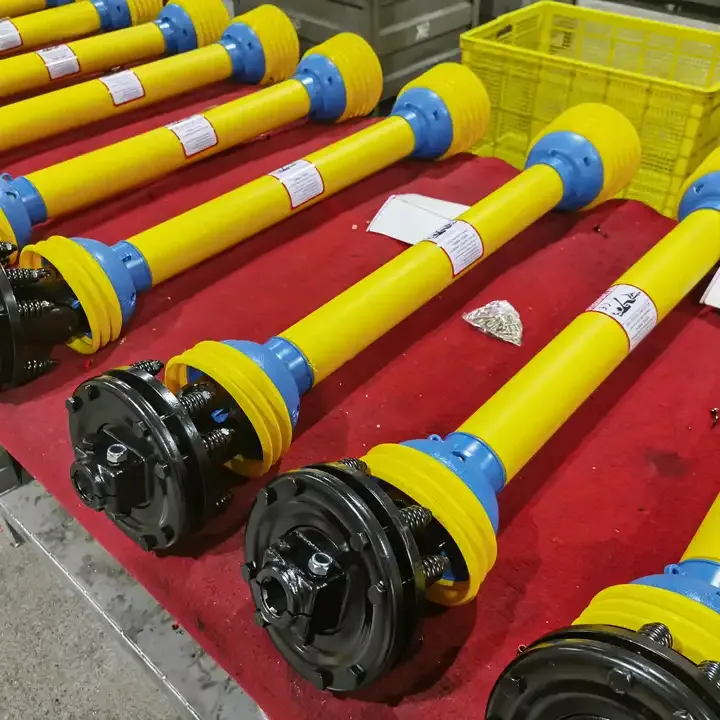
Advanced models integrate sensors for real-time torque monitoring, alerting to potential issues. This tech aligns with Germany’s push toward digital agriculture. Understanding these mechanics aids in selecting shafts that enhance spreader performance without excess strain on tractor components.
- Universal joints enable angular movement up to 25 degrees.
- Telescopic design adjusts for varying distances between tractor and implement.
- Safety clutches protect against overloads during operation.
Application Cases in Key Regions
In Germany, farmers in Lower Saxony use PTO shafts on spreaders for potato fields, achieving even distribution over 20 hectares daily. The shafts handle wet soil without slippage, thanks to robust yokes. Local regulations under the Fertilizer Ordinance require precise application to minimize runoff, and these components support compliance by enabling fine-tuned speeds.
France’s Loire Valley vineyards employ similar shafts for targeted fertilizer spreading, covering narrow rows efficiently. Operators report reduced maintenance due to corrosion-resistant finishes, ideal for humid conditions. EU directives on nutrient management guide usage, ensuring shafts meet safety thresholds for operator protection.
In Poland, large-scale grain farms in Greater Poland Voivodeship integrate these shafts with high-capacity spreaders, boosting yields by 15% through uniform coverage. Harsh winters test durability, but reinforced tubing holds up. National laws aligned with EU standards mandate regular inspections, promoting long-lasting designs.
The Netherlands’ tulip fields benefit from PTO shafts that allow quick adjustments for varying crop densities. Farmers note improved fuel efficiency from balanced power transfer. Dutch environmental policies emphasize low-emission practices, where efficient shafts reduce unnecessary tractor revs.
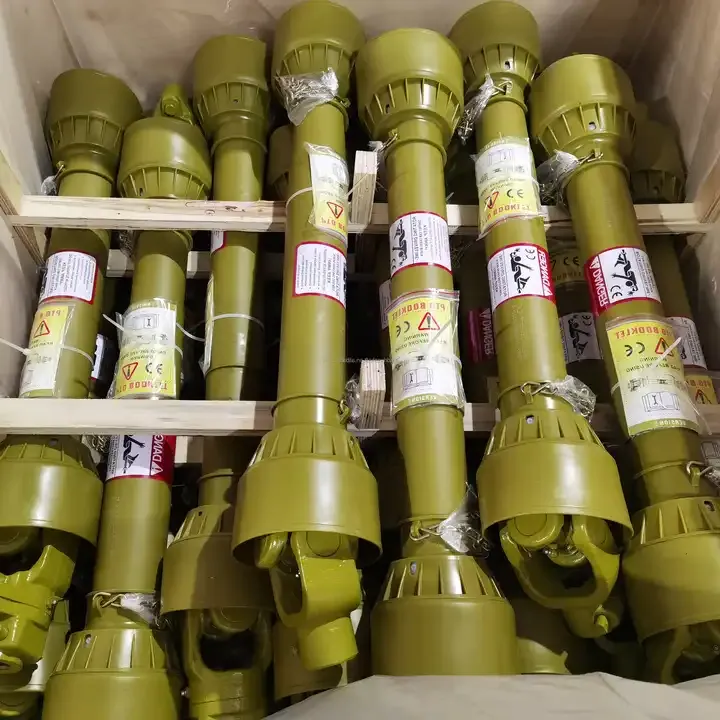
These cases highlight how PTO shafts adapt to regional needs, from Germany’s intensive cropping to neighboring countries’ diverse terrains. When planning to request PTO shaft pricing for fertilizer spreaders, consider local application demands for best fit.
| Safety Feature | Description |
|---|---|
| Guard Material | HDPE Plastic |
| Clutch Type | Friction or Shear |
| Joint Angle Limit | 25 Degrees Max |
| Balance Grade | G6.3 |
| Lubrication Interval | 8 Hours |
Advantages in Precision Agriculture
PTO shafts enhance spreader accuracy by delivering consistent power, crucial for variable rate applications. In Germany, this aligns with digital mapping tools, optimizing fertilizer use and cutting costs by up to 20%. Durable construction withstands frequent use, with heat-treated splines resisting wear. Users benefit from modular designs allowing part replacements without full overhauls.
Energy efficiency stems from low-friction joints, conserving tractor fuel. This supports eco-friendly farming under stringent EU emissions rules. Versatile yoke options fit multiple tractor models, simplifying fleet management. For those exploring PTO shaft varieties for agricultural implements, these advantages translate to higher ROI through reduced repairs.
Noise reduction features make operations quieter, improving operator comfort during long hours. Compatibility with GPS-guided systems ensures precise overlaps, minimizing waste. Overall, these shafts elevate spreader performance, meeting demands for sustainable productivity.
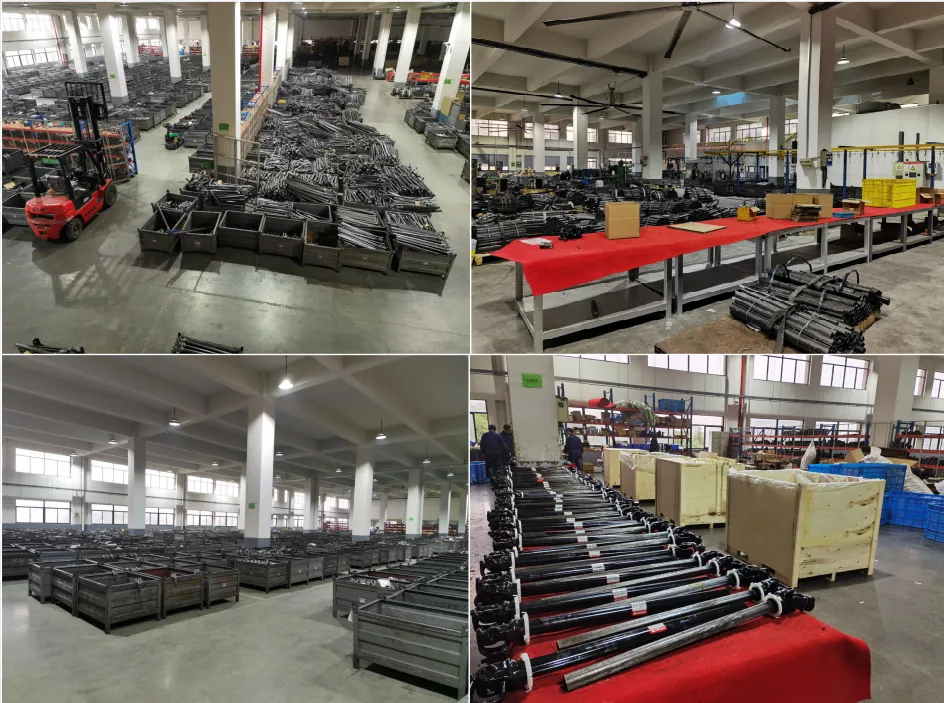
In competitive markets, shafts with extended warranties provide peace of mind. Their role in precision tech underscores value in modern setups.
- Assess torque needs based on spreader size.
- Verify length for proper overlap.
- Check compatibility with existing guards.
Relevant Laws and Regulations
Germany’s Fertilizer Ordinance (Düngemittelverordnung) mandates accurate application to prevent environmental harm, requiring PTO shafts that support calibrated spreading. EU Machinery Directive 2006/42/EC ensures safety features like guards are integral, with certifications needed for market entry. Non-compliance risks fines up to €50,000.
In neighboring Austria, similar rules under the Fertilizer Act emphasize nutrient efficiency, where reliable shafts aid adherence. Poland’s environmental laws, aligned with EU norms, focus on reducing nitrate pollution, making durable PTO components essential. France’s Nitrate Directive requires precise equipment to limit leaching, supported by shafts with overload protection.
The Netherlands enforces strict water quality standards, where efficient power transmission minimizes overuse. Operators must log maintenance to prove compliance during audits. These regulations drive demand for high-quality PTO shafts in fertilizer applications across Europe.
Switzerland, though not EU, mirrors these with its Agricultural Act, prioritizing soil health. Users selecting PTO shafts for spreaders should ensure they meet ISO 5674 for guards. This legal framework promotes safe, effective farming practices.

| Compatibility Brand | Matching Parameters |
|---|---|
| Generic EU Models (for reference only, independent manufacturer) | Spline 1 3/8″ 6, Torque 1200Nm |
| Standard Spreaders (for reference only, independent manufacturer) | Length Adjustable, CV Joint |
| Common Tractor Fits (for reference only, independent manufacturer) | 540rpm, Safety Guard |
| High-Capacity Units (for reference only, independent manufacturer) | 2000Nm, Friction Clutch |
| Precision Ag Tools (for reference only, independent manufacturer) | Sensor Compatible |
Why Choose Our PTO Shafts
Our PTO shafts stand out for their precision engineering, tailored to demanding applications like centrifugal spreaders. Built with premium materials, they offer unmatched durability and performance. Customers value the ease of installation and low maintenance needs. With a focus on safety and efficiency, these components help maximize field output. Explore options that fit your setup perfectly.
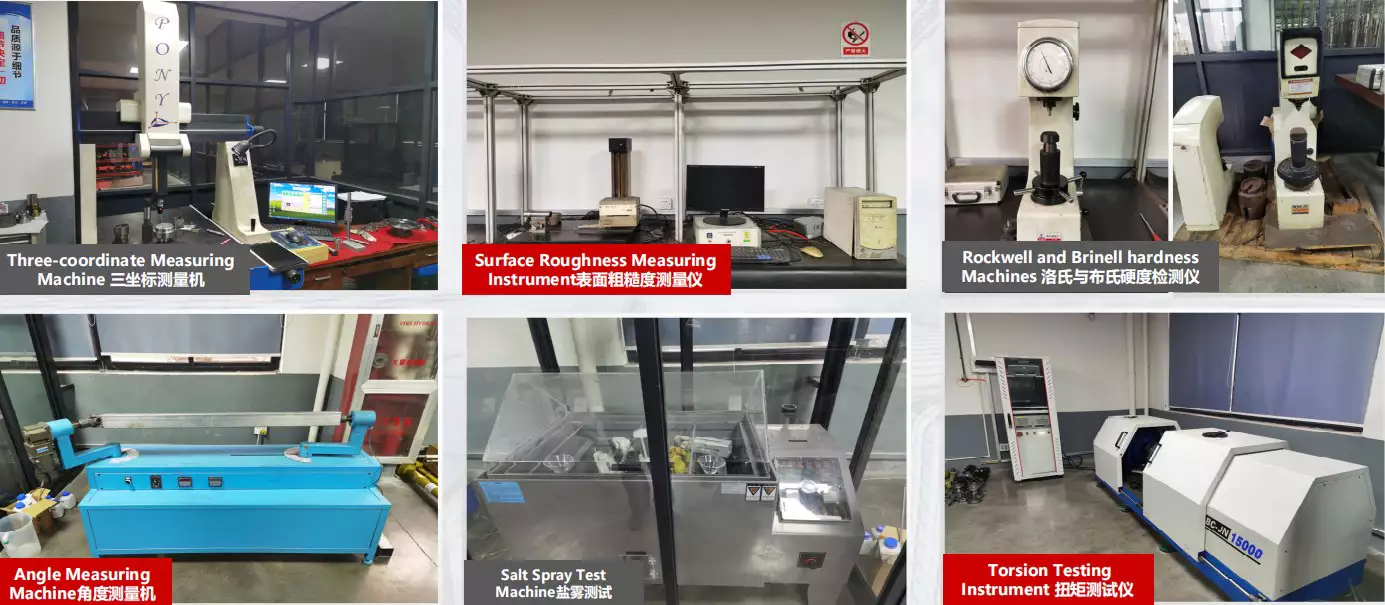
Reliable supply chains ensure quick delivery, minimizing downtime. Backed by rigorous testing, they exceed industry benchmarks. For tailored solutions, inquire about PTO shaft customizations for your spreader.
Frequently Asked Questions
What torque capacity do I need for a 12-meter spreader?
For spreaders covering 12 meters, aim for at least 1000Nm to handle dense materials. Factor in tractor power and terrain; heavier loads may require up to 1500Nm. Always check manufacturer specs for exact matches to avoid underperformance.
How often should I grease the universal joints?
Grease every 8-10 hours of operation or weekly during heavy use. Use lithium-based grease for best results. This prevents seizing and extends lifespan, especially in dusty environments common to fertilizer handling.
Are these shafts compatible with older tractor models?
Yes, many feature standard 1 3/8″ splines fitting legacy equipment. Verify yoke types and lengths for seamless integration. Adapters are available for non-standard fits, ensuring broad usability across generations.
What safety features are included?
Full-length guards, shear bolts, and friction clutches protect against entanglements and overloads. These meet EU safety standards, with easy-access chains for secure attachment. Regular checks ensure ongoing compliance.
How do I measure the correct shaft length?
Measure from tractor PTO to spreader input when both are level and at operating distance. Add 150mm for overlap safety. Telescopic models adjust easily, but fixed lengths require precise calculations to avoid binding.