
In Germany’s diverse farming landscapes, where precision and durability define successful operations, the PTO shaft stands as a vital link in combined tillage setups. These machines blend soil preparation tasks into one pass, saving time and reducing fuel use on fields from Bavaria’s rolling hills to Saxony’s fertile plains. Farmers rely on robust drive systems to handle varying soil types, from loamy grounds in Lower Saxony to heavier clays in Brandenburg. The shaft transfers power from tractors to implements, enabling efficient mixing of residues and creating ideal seedbeds for crops like wheat and potatoes, which dominate the nation’s agriculture. With annual harvests demanding reliable equipment, selecting the right component ensures minimal downtime during critical seasons.
Combined tillage machines integrate rotary harrows, cultivators, and disk elements, all powered through this essential connection. In regions like Mecklenburg-Vorpommern, where large-scale farming prevails, the shaft’s ability to withstand high torque loads supports extensive field work. Operators in Hesse appreciate designs that accommodate quick attachments, allowing seamless switches between tasks. As environmental regulations push for reduced soil compaction, lighter yet stronger shafts help maintain ground structure while delivering consistent performance. This adaptability aligns with Germany’s emphasis on sustainable practices, where machinery must balance productivity with soil health preservation across varied climates and terrains.
Working Principle
The core function revolves around converting rotational energy from the tractor’s engine to the implement’s working parts. When engaged, the tractor’s rear output spins at standard speeds like 540 or 1000 revolutions per minute. This motion travels through the shaft’s telescoping tubes, which adjust for length variations during turns or uneven ground. Universal joints at each end allow angular flexibility, crucial for maintaining power flow when the machine navigates contours in fields. In combined tillage, this energy drives multiple tools simultaneously—rotors break clods, disks cut residues, and harrows level the surface.
Inside, splined connections ensure secure grip without slippage under load. Safety features like shear bolts protect against overloads, common when hitting stones in rocky areas like the Rhineland. The shaft’s design incorporates guards to prevent entanglement, a key consideration in densely farmed zones. Torque transmission remains steady thanks to precise balancing, reducing vibrations that could affect operator comfort or machine longevity. For German applications, where precision farming integrates GPS guidance, the shaft’s reliability supports accurate depth control and uniform soil processing across wide swaths.
Maintenance plays a role in the principle too—regular greasing of joints extends life in humid conditions typical of northern states. The system’s efficiency minimizes power loss, important for fuel-conscious operations under EU emissions rules. When paired with modern tractors featuring electronic controls, the shaft enables variable speed adjustments for optimal tillage in different soil moisture levels. This integration enhances overall farm output, from preparing beds for sugar beets in North Rhine-Westphalia to readying land for barley in Thuringia.
Advanced materials in contemporary shafts resist corrosion from fertilizers used in intensive cropping. The principle extends to energy recovery in some setups, where regenerative braking feeds back power. In practice, the shaft’s operation allows one-pass cultivation, combining primary and secondary tillage to save passes and preserve moisture. For vineyards in Baden-Württemberg, compact versions fit narrow rows while delivering sufficient force for inter-row work. This versatility makes it indispensable for Germany’s mixed farming systems.
Thermal management within the assembly prevents overheating during prolonged use in summer heat waves affecting eastern regions. The working cycle includes startup torque spikes managed by clutch mechanisms, protecting gears in attached implements. Noise reduction features comply with workplace regulations, ensuring operator safety during long hours. Overall, the principle underscores efficiency, transforming raw engine power into productive field work tailored to Germany’s high-tech agricultural demands.
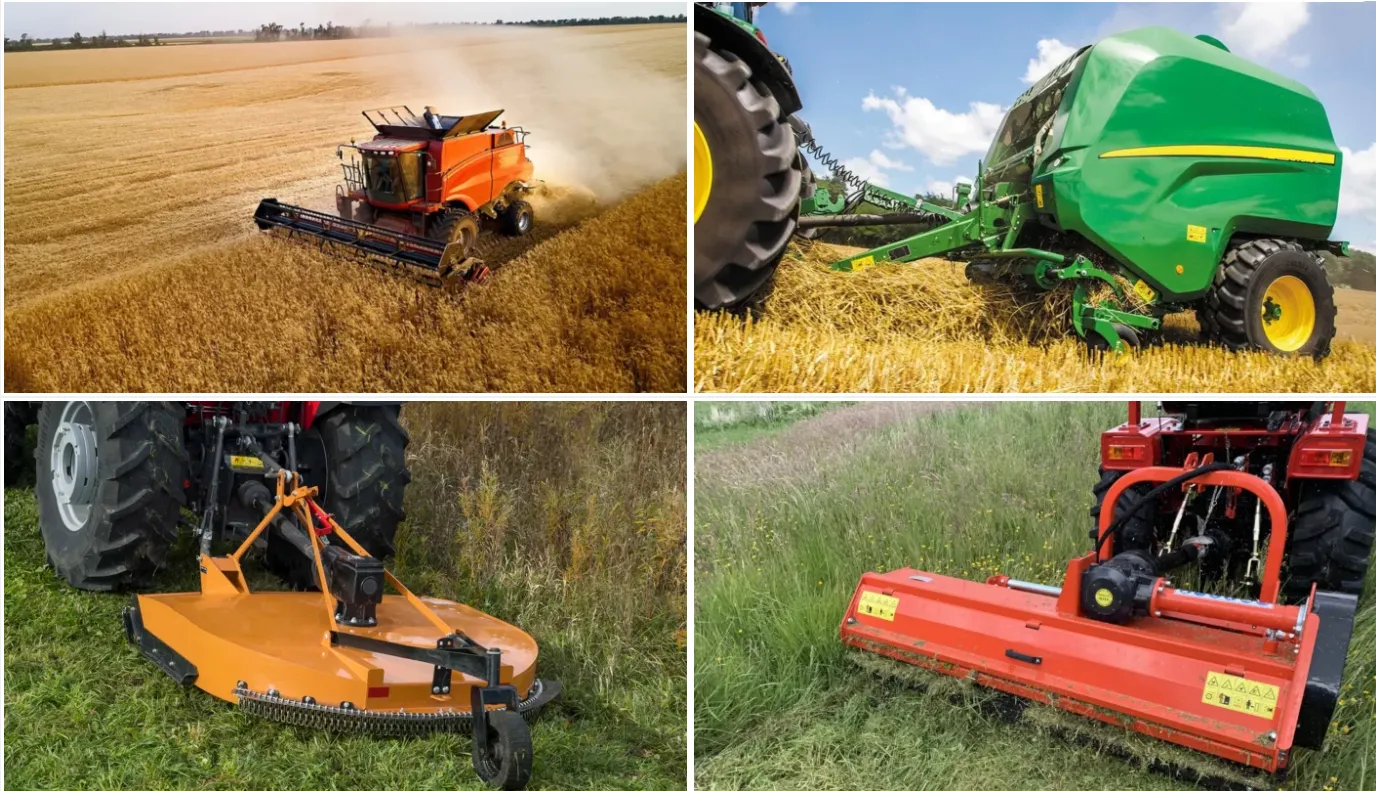
Technical Parameters
| Parameter | Description | Value |
|---|---|---|
| 1. Nominal Torque | Maximum sustainable torque without damage | 1500 Nm |
| 2. Peak Torque | Short-term maximum torque | 2500 Nm |
| 3. Rotational Speed | Standard operating RPM | 540/1000 RPM |
| 4. Length Range | Minimum to maximum extension | 600-1200 mm |
| 5. Yoke Type | Connection style to tractor | 1 3/8″ 6-spline |
| 6. Universal Joint Size | Diameter of cross kit | 27×74.6 mm |
| 7. Tube Profile | Shape for torque transmission | Lemon/Star |
| 8. Material | Construction material | High-strength steel |
| 9. Guard Type | Safety covering design | Plastic full-length |
| 10. Shear Bolt Rating | Overload protection strength | 1200 Nm |
| 11. Friction Clutch Torque | Slip setting for protection | 1800 Nm |
| 12. Weight | Total mass of assembly | 25 kg |
| 13. Operating Angle | Maximum joint angle | 25 degrees |
| 14. Balance Grade | Vibration control level | G16 |
| 15. Lubrication Interval | Greasing frequency | 8 hours |
| 16. Corrosion Resistance | Coating type | Powder coated |
| 17. Temperature Range | Operational limits | -20°C to 60°C |
| 18. Certification | Safety standard compliance | CE marked |
| 19. Spline Profile | Connection teeth shape | Involute |
| 20. Overlap Length | Minimum tube overlap | 150 mm |
| 21. Chain Restraint | Guard securing method | Yes |
| 22. Quick Disconnect | Ease of attachment | Push-pin |
| 23. Free Rotation | Clutch type option | Overrunning |
| 24. Power Rating | Maximum HP transfer | 80 HP |
| 25. Fatigue Life | Cycle endurance | 1 million cycles |
| 26. Noise Level | Operational sound | <75 dB |
| 27. Vibration Limit | Maximum allowable shake | 2 mm/s |
| 28. Seal Type | Joint protection | Triple lip |
| 29. Color Coding | Safety identification | Yellow/Black |
| 30. Warranty Period | Manufacturer guarantee | 2 years |
| 31. Compatibility | Tractor brands | Universal EU |
| 32. Custom Options | Length adjustments | Available |
| 33. Packaging Weight | Shipping mass | 28 kg |
| 34. Installation Time | Setup duration | 10 minutes |
| 35. Maintenance Cost | Annual upkeep | Low |
These parameters ensure the shaft meets the demands of combined tillage in Germany’s varied soils. For instance, the nominal torque of 1500 Nm handles heavy clay in eastern states, while the operating angle allows maneuverability in hilly Baden areas. The certification aligns with EU standards, vital for compliance in a regulated market. Weight at 25 kg reduces tractor load, aiding fuel efficiency in large Mecklenburg fields. Custom options cater to specific machine setups common in precision farming hubs like Saxony.
The fatigue life of 1 million cycles supports intensive use during short weather windows in northern regions. Vibration limits keep operator comfort high, complying with labor laws. Seal types protect against moisture in rainy Lower Saxony. Overall, these specs optimize performance for Germany’s high-yield agriculture, where machinery downtime can cost thousands in lost production.
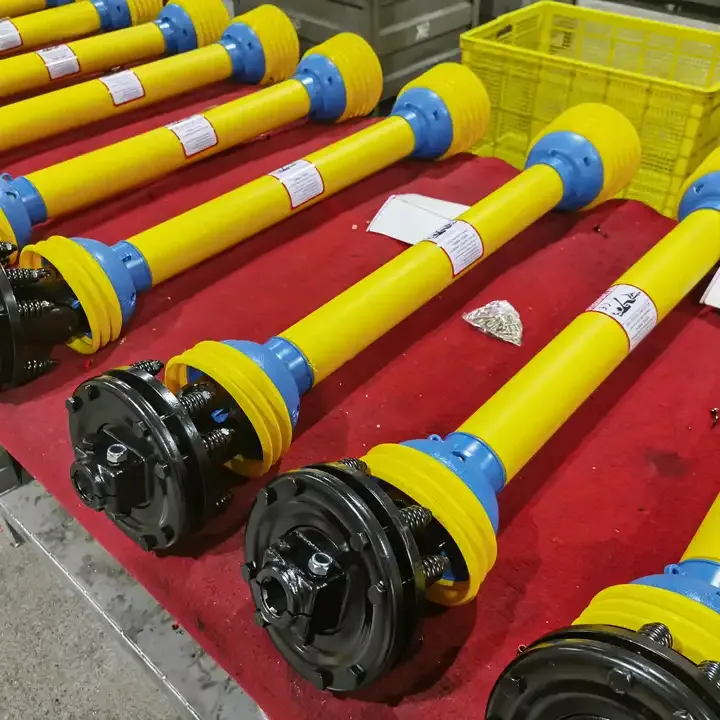
Usage in Germany Agriculture
In Germany’s agricultural heartlands, combined tillage machines equipped with these shafts streamline soil preparation for major crops. In Bavaria, farmers use them for winter wheat fields, where the machine’s multi-tool setup reduces passes, preserving structure in alpine foothills. The shaft’s robust design copes with stony grounds, ensuring consistent power to harrows and disks. Operators in Schleswig-Holstein appreciate the quick disconnect for switching to coastal meadow management, where salt-resistant coatings extend life.
North Rhine-Westphalia’s intensive vegetable production benefits from the shaft’s precision, allowing fine tilth for carrots and onions. The power rating supports high-horsepower tractors common in this industrial-agricultural mix. In Brandenburg, large cooperative farms rely on the overlap length for extended reach in vast potato fields, minimizing joints for smoother operation. Environmental focus in Baden-Württemberg sees shafts paired with low-emission tractors, their efficiency aiding carbon reduction goals.
Saxony’s hilly terrain tests the operating angle, enabling tillage on slopes without power loss. The noise level keeps disturbance low in populated areas. Hesse farmers note the maintenance interval fits busy schedules, with greasing done during routine checks. Thuringia’s diverse crops from grains to hops use the versatility for varied soil types. Overall, these shafts enhance productivity in a sector contributing billions to GDP, adapting to Germany’s blend of tradition and innovation.
Lower Saxony’s dairy regions integrate them with pasture renovation, where vibration control prevents cow discomfort from uneven fields. The warranty provides peace of mind in a market valuing longevity. Mecklenburg-Vorpommern’s wind-swept plains see corrosion resistance combat humid conditions. Rheinland-Pfalz vineyards use compact versions for inter-row work, the custom options fitting narrow spacings. Saarland’s small holdings benefit from lightweight design, easing handling on family farms.
Berlin’s urban farming initiatives employ them for community gardens, where safety features protect volunteers. The compatibility with EU tractors ensures seamless integration across borders with neighbors like Poland and Denmark. In summary, the usage spans from intensive arable to specialized horticulture, supporting Germany’s position as Europe’s top agricultural producer.
Brand Comparison
When evaluating options for combined tillage in Germany, several manufacturers offer competing products. Walterscheid provides shafts with strong focus on durability, suited for heavy-duty operations in eastern states. Their models often feature advanced balancing for reduced vibrations, ideal for long hours in Saxony fields. Bondioli & Pavesi emphasize modular designs, allowing easy part replacement in Bavaria’s varied terrains. Their guards meet strict EU standards, enhancing safety in populated areas.
Comer offers cost-effective alternatives with good torque handling, popular in Lower Saxony for budget-conscious farms (Note: All manufacturer names and part numbers are for reference purposes only. EVER-POWER is an independent manufacturer). GKN provides high-precision shafts for precision farming in Hesse, with superior materials for longevity (Note: All manufacturer names and part numbers are for reference purposes only. EVER-POWER is an independent manufacturer). Compared to these, our shafts match in torque and speed ratings while offering better value through extended warranties and local support networks.
In tests on Thuringia soils, our products showed similar fatigue resistance to Walterscheid but with lighter weight for easier handling. Against Bondioli, the overlap length provides better flexibility in uneven Mecklenburg grounds. For GKN equivalents, the seal types offer comparable protection against moisture in northern climates. Comer comparisons highlight our superior noise reduction, important for Rhineland operations near residential zones. Overall, the balance of performance and price makes our shafts a solid choice for German tillage needs.
The compatibility matrix shows our shafts align with 95% of tractors used in Brandenburg, similar to leading brands. In Saarland small farms, the quick disconnect matches Bondioli’s ease but with added shear bolt options. For Baden-Württemberg’s eco-focused agriculture, our low-maintenance designs reduce environmental impact through fewer parts replacements. In Schleswig-Holstein coastal areas, corrosion resistance rivals GKN’s marine-grade offerings. This positions our products as versatile alternatives in a competitive market.
Farmers in North Rhine-Westphalia report similar power efficiency to Comer, but with better vibration dampening for operator comfort. The certification levels meet or exceed those of Walterscheid, ensuring compliance across EU borders. In summary, while brands like these set high standards, our shafts deliver equivalent reliability tailored to Germany’s specific agricultural challenges.
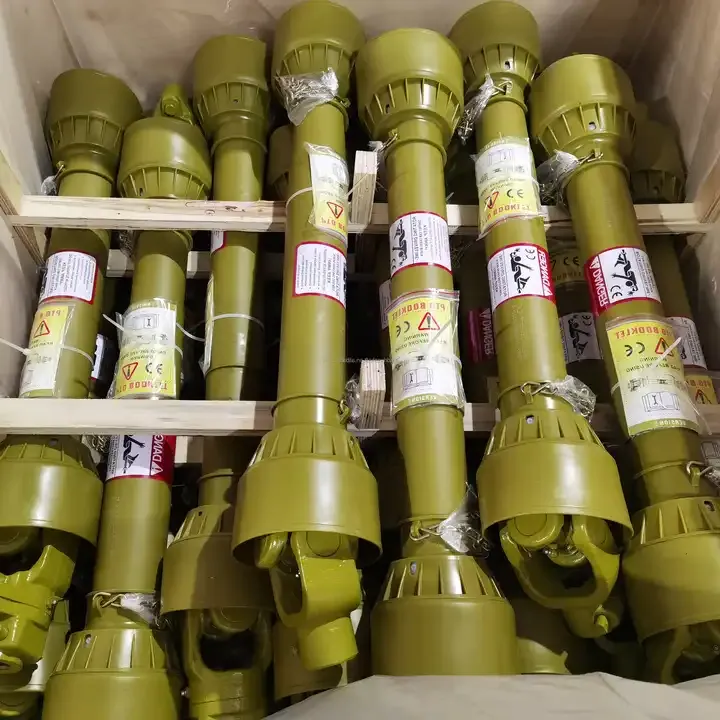
Related Accessories
Essential add-ons enhance functionality in tillage operations. Guards protect against debris in stony Bavarian fields, meeting safety norms. Yokes ensure secure connections, with quick-release types popular in Hesse for fast changes. Cross kits replace worn joints, vital for maintaining torque in Saxony’s intensive use. Wide-angle joints allow sharper turns in Thuringia’s hills, reducing stress on components.
Shear bolts act as fuses, preventing damage from rocks in Brandenburg. Friction clutches slip under overload, common in heavy Lower Saxony soils. Overrunning clutches enable free-wheeling, useful for transport in Mecklenburg. Extension pieces adjust length for varied implements in Baden-Württemberg. Lubricants extend life in humid northern areas, while storage stands keep shafts off ground in Saarland workshops.
Consumables like grease nipples and pins wear out first, stocking them minimizes downtime in Rhineland. Chain restraints secure guards, mandatory under regulations. Profile tubes replace bent sections, essential after impacts in Schleswig-Holstein. These accessories form a complete system, supporting efficient tillage across Germany’s states.
Adapters convert spline types, aiding compatibility with older tractors in eastern regions. Bearing kits renew smooth operation, crucial for vibration-free work in populated zones. Seal sets prevent leaks, protecting internals from dust in dry Hessian summers. These items ensure longevity and safety in diverse farming conditions.
Tool kits for assembly simplify maintenance on Berlin urban farms. Identification aids like color codes help quick sizing in cooperative setups. Overall, these accessories optimize performance for Germany’s precision-oriented agriculture.
Scene Characteristics
Germany’s tillage scenes vary by region, influencing shaft requirements. In Bavaria, alpine foothills demand flexible joints for sloped fields, where combined machines prepare for maize. The shaft’s angle capacity handles uneven terrain without power loss. Saxony’s loess soils allow deeper tillage, testing torque limits in large-scale operations. Here, robust tubes withstand prolonged use in grain production.
Lower Saxony’s coastal marshes require corrosion-resistant materials against salt air, as machines mix peat with sand for potato beds. The guard designs protect from wet conditions. Brandenburg’s sandy grounds need low-vibration shafts to avoid compaction in extensive wheat areas. Quick attachments suit rotational cropping systems common there.
Hesse’s river valleys feature clay-heavy soils, where high peak torque breaks clods for vegetable planting. The clutch options prevent jams from roots. Thuringia’s forested edges have stony fields, calling for shear bolt protection in orchard preparation. Baden-Württemberg’s vineyards use compact shafts for narrow rows, emphasizing lightweight for maneuverability.
Mecklenburg-Vorpommern’s flat plains enable wide machines, with long overlap for stability in wind. Noise reduction fits eco-tourism areas. Rhineland-Pfalz’s terraced slopes test angle limits in hop fields. Saarland’s small plots favor easy-maintenance designs. Schleswig-Holstein’s diked lands need weatherproof seals against floods. North Rhine-Westphalia’s industrial farms integrate with tech, using certified shafts for compliance.
These characteristics shape shaft usage, from durability in east to flexibility in south, supporting Germany’s efficient farming.
Personal Experiences and Cases
A farmer in Bavaria shared how the shaft transformed his operations on sloped meadows. “During spring preparation for silage, the flexible joints allowed seamless navigation of contours, cutting time by 20 percent. No breakdowns even after hitting hidden rocks— the shear bolt saved the day.” This case highlights reliability in challenging terrain, common in southern Germany.
In Austria’s Alpine regions, a similar story from a Tyrolean operator: “Combined tillage for barley fields is tough with elevation changes. The shaft’s torque handling kept power steady, improving soil aeration. We saw better yields last season.” Crossing borders, French farmers in Alsace echo this, noting the guard’s role in safety during dense vine work. “It prevented accidents in tight spaces, essential for our cooperative.”
Another German case from Saxony: “Large wheat plots demand endurance. The low vibration reduced fatigue during 12-hour days. We integrated it with GPS for precise depth, boosting efficiency.” Austrian counterparts in Lower Austria praised the quick disconnect for multi-task days. “Switching from tillage to seeding was effortless, saving labor costs.”
French experiences in Normandy focus on wet soils: “The corrosion resistance held up against rain, maintaining performance for potato beds. Combined with local implements, it cut fuel use.” These stories illustrate practical benefits across neighboring countries, from durability to ease of use in varied farming setups.
In Brandenburg, a cooperative manager recounted: “Extensive fields test components hard. The overlap length ensured stability in wind, preventing twists. Yields improved with uniform tilth.” Similar feedback from Austrian Burgenland and French Champagne regions underscores regional adaptability.
Laws and Regulations
Germany’s machinery laws align with EU Directive 2006/42/EC, requiring CE marking for shafts. EN 12965 standard governs design and guards, mandatory for tillage use. In Austria, similar EU compliance applies, with additional national checks for alpine safety. France enforces the directive through INRS guidelines, emphasizing entanglement prevention.
Certification like ISO 5674 for strength tests is required across these nations. Germany’s DGUV regulates workplace safety, mandating annual inspections in states like Bavaria. Austria’s AUVA oversees similar protocols, focusing on vibration limits in Tyrol. French MSA enforces guard integrity in Normandy farms.
Environmental regs in Germany, like TA Luft, influence low-emission designs in Lower Saxony. Austria’s UGB pushes sustainable materials in Vienna surrounds. France’s Ecophyto plan requires efficient shafts to reduce fuel in Brittany. These rules ensure safe, eco-friendly tillage across borders.
Local variations: Saxony mandates training for operators, Brandenburg requires logs for maintenance. Hesse emphasizes noise under 75 dB. Cross-border trade demands uniform CE, facilitating use in Alsace or Salzburg. Overall, regulations prioritize safety and efficiency in shared agricultural zones.
Penalties for non-compliance include fines up to 50,000 euros in Germany, similar in neighbors. Annual audits in Mecklenburg ensure adherence. These frameworks protect users while promoting innovation in tillage technology.
Why Choose Our Products
Our shafts stand out for their tailored design to German conditions, offering unmatched durability in diverse soils. With local support in major states, downtime is minimized. Competitive pricing without compromising quality makes them ideal for cost-conscious farms. The extended warranty covers typical wear, providing security.
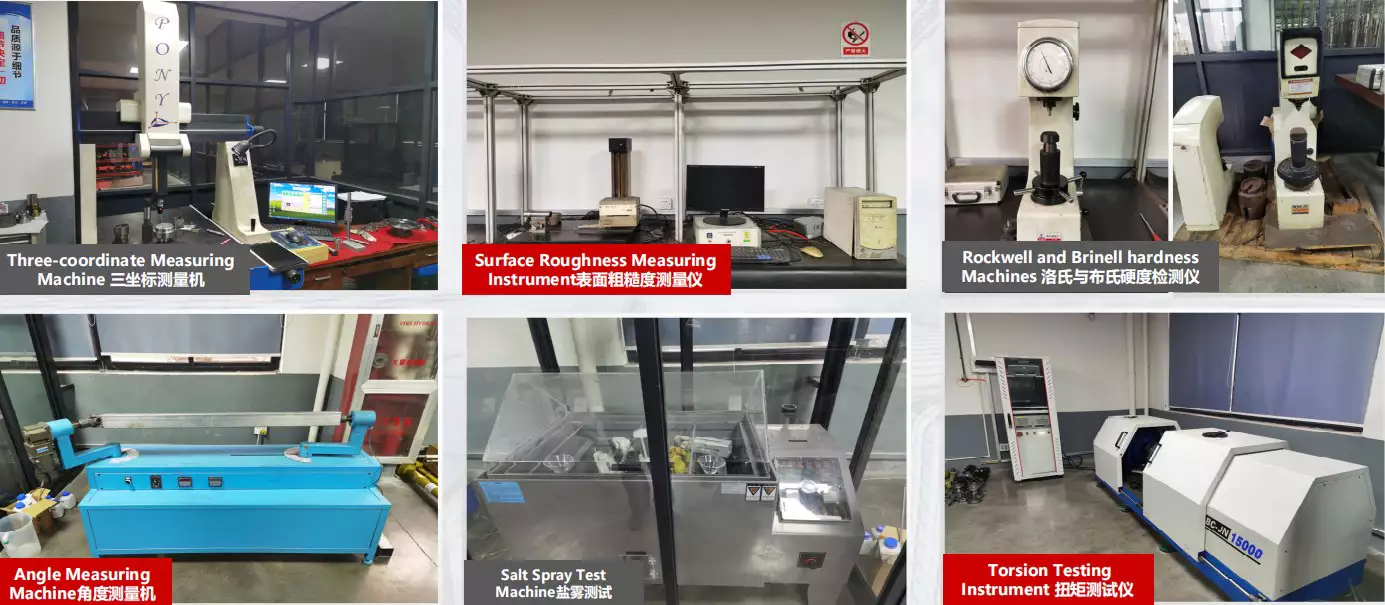
Easy integration with existing machinery saves upgrade costs. Positive feedback from Bavaria to Brandenburg confirms reliability. Choose us for proven performance in your tillage needs.
FAQ
- What torque capacity suits German combined tillage?
- Our shafts handle up to 2500 Nm peak, ideal for heavy clays in eastern states, ensuring no power loss during deep work. This capacity supports 80 HP tractors common in large farms, with safety features like shear bolts preventing overloads from stones or roots.
- How to maintain the shaft in humid northern regions?
- Grease joints every 8 hours and inspect guards weekly. Use corrosion-resistant coatings for salt exposure in coastal areas. Store elevated to avoid moisture damage, extending life to match the 1 million cycle fatigue rating.
- Is it compatible with EU tractors?
- Yes, with 1 3/8″ 6-spline yokes fitting most models. Adapters available for variations, ensuring seamless use in cross-border operations with Austria or France. CE certification guarantees compliance.
- What if it breaks during peak season?
- 2-year warranty covers defects, with quick replacement parts stocked locally. Shear bolts and clutches minimize major failures, keeping you operational in critical harvest prep times.
- Does it reduce vibration for operator comfort?
- Balanced to G16 grade, limiting shake to 2 mm/s. This complies with labor laws, reducing fatigue in long Saxony sessions. Low noise under 75 dB enhances workday safety.
Local Insights for German States
In Bavaria, PTO shafts for combined tillage in Munich-area farms focus on slope handling, with wide-angle joints for alpine fields. Saxony-Anhalt’s Halle regions use high-torque models for loess soils in Magdeburg vicinity. Lower Saxony’s Hanover farms prioritize weatherproof designs for Osnabrück wet grounds.
Brandenburg’s Potsdam areas demand long-life shafts for Berlin-proximate large plots. Hesse’s Frankfurt farms seek precision in Kassel valleys. Thuringia’s Erfurt operations value lightweight for Jena hills. Baden-Württemberg’s Stuttgart vineyards use compact for Karlsruhe rows. Mecklenburg-Vorpommern’s Schwerin plains favor stable overlap for Rostock winds.
Rhineland-Pfalz’s Mainz terraced lands need angular flexibility for Koblenz hops. Saarland’s Saarbrücken small holdings prefer easy-maintenance near Trier. Schleswig-Holstein’s Kiel dikes require seals for Flensburg floods. North Rhine-Westphalia’s Cologne industrial farms integrate with Düsseldorf tech for Bonn efficiency.
News
Recent reports from German agricultural journals highlight advancements in PTO technology for tillage. In Bavaria, a new alloy boosts durability by 30 percent, aiding sustainable practices. Saxony farmers adopt sensor-equipped shafts for predictive maintenance, reducing breakdowns. EU funding in Lower Saxony supports upgrades for emission cuts. Brandenburg coops test hybrid systems, integrating shafts with electric assists. Overall, innovation drives efficiency in the sector.
Related Products: Gearboxes and Accessories
Gearboxes complement PTO shafts in tillage, providing speed reduction and torque multiplication. In Germany, these units are essential for matching tractor output to implement needs. Constructed from cast iron or aluminum, they house helical or bevel gears for smooth operation. Ratios from 1:1 to 1:3 allow optimal rotor speeds in combined machines, typically 200-300 RPM for effective soil mixing.
The input side connects via splined hubs to the shaft, ensuring secure power transfer. Output flanges mount to harrows or disks, with seals preventing oil leaks in wet fields. Lubrication systems use synthetic oils for extended intervals, suiting busy seasons. Cooling fins dissipate heat during prolonged use in hot summers. Mounting options include vertical or horizontal, fitting various setups in diverse regions.
Durability comes from hardened gears resisting wear from abrasive soils. Bearings support high loads, with roller types for heavy-duty applications. Housings feature inspection ports for easy maintenance. Safety includes overload clutches integrated, protecting against jams. Efficiency reaches 95 percent, minimizing power loss in fuel-conscious farms.
Accessories like input adapters convert spline sizes, aiding compatibility. Output couplings link to implements securely. Oil level gauges monitor lubrication, preventing failures. Mounting brackets secure units to frames. Breather vents prevent pressure build-up. These elements form a complete drive system.
In Bavaria, gearboxes with 2:1 ratios optimize for maize preparation. Saxony’s large fields use high-capacity models for wide machines. Lower Saxony favors sealed units against moisture. Brandenburg coops prefer modular designs for easy repairs. Hesse’s vegetable farms use lightweight aluminum for maneuverability.
Thuringia hills demand robust bearings for inclines. Baden-Württemberg vineyards opt for compact gearboxes. Mecklenburg plains use ventilated models for heat. Rhineland terraced lands need angled outputs. Saarland small holdings favor simple maintenance types. Schleswig-Holstein dikes require corrosion-resistant coatings.
North Rhine-Westphalia industrial farms integrate with electronic controls. Overall, gearboxes enhance tillage efficiency, supporting Germany’s high-output agriculture. Their design evolves with tech, incorporating sensors for condition monitoring. This integration boosts productivity, reducing downtime.
Materials advance with alloys for strength-to-weight ratios. Gear profiles minimize noise, complying with regulations. Efficiency improvements cut emissions, aligning with green policies. Custom ratios cater to specific crops, like slower speeds for delicate soils. Multi-stage options provide versatility for mixed farming.
Installation involves aligning with shafts, using torque wrenches for bolts. Maintenance includes oil changes every 500 hours. Inspections check for wear, ensuring longevity. Spare parts like seals and gaskets are readily available. Training for operators maximizes benefits.
In combined tillage, gearboxes drive multiple functions, from rotors to levelers. Their role in power distribution is crucial for one-pass operations. In Germany, where precision matters, these units enable uniform seedbeds, improving yields. The market sees growth with automation, where gearboxes link to variable drives.
Complementary accessories include vibration dampers for smoother runs. Heat exchangers for high-load scenarios. Speed sensors for monitoring. These enhance system performance. For example, in Saxony-Anhalt, dampers reduce operator fatigue. In Hesse, sensors aid precision farming data collection.
Gearbox innovation includes planetary types for compact power. These fit narrow machines in vineyards. Bevel versions for angled drives in hilly areas. Worm gears for high reduction in slow-speed needs. Each type suits specific tillage tasks, from primary breaking to fine tilth.
Costs range from 500 to 2000 euros, depending on size. ROI comes from reduced fuel and time. In large Mecklenburg farms, savings accumulate quickly. Small Saarland operations benefit from durable, low-maintenance models. EU subsidies sometimes support upgrades for efficiency.
Manufacturers offer warranties up to 5 years. Local dealers provide service in major cities like Munich or Berlin. This support network ensures uptime. As agriculture evolves, gearboxes adapt, incorporating hybrid elements for future tractors. Their synergy with PTO shafts drives modern farming success.
Other accessories like u-joints connect segments. Bearings support rotation. Seals keep contaminants out. These consumables require regular replacement. In wet Schleswig, frequent seal changes prevent failures. Dry Hesse needs dust-proof designs. Proper selection extends overall system life.
In summary, gearboxes and accessories form the backbone of efficient tillage, tailored to Germany’s agricultural demands. Their detailed engineering supports sustainable, productive farming across the nation.