
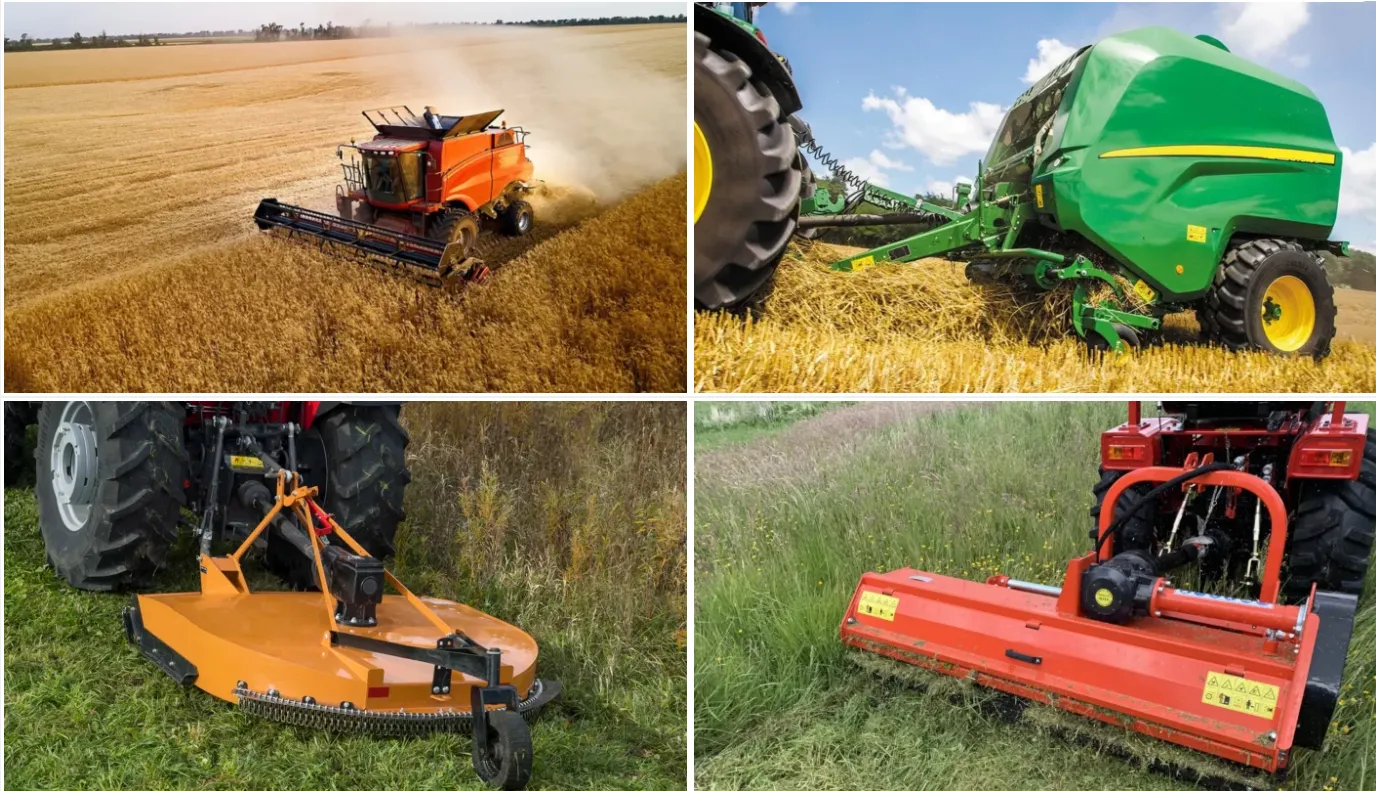
In the heart of Germany’s efficient agricultural landscape, where precision seeding drives crop yields, a reliable PTO shaft ensures seamless power transfer from tractors to seeders. These components handle varying terrains in regions like Bavaria and Saxony, maintaining consistent torque under demanding conditions. Farmers seeking durable drivelines for hole seeders often prioritize models that integrate with local machinery standards, reducing downtime and enhancing planting uniformity.
How PTO Shafts Operate in German Seeders
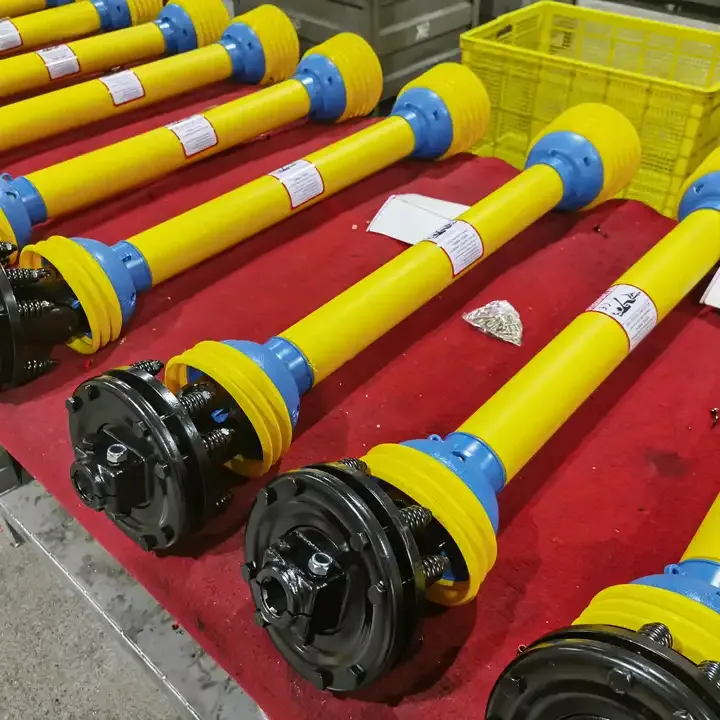
PTO shafts connect the tractor’s power output to the seeder’s mechanisms, transmitting rotational force through universal joints that accommodate angular misalignments. In German hole seeders, this setup allows for precise seed placement at depths of 2-5 cm, even on uneven fields. The shaft’s telescoping design adjusts length during turns, preventing binding and ensuring smooth operation at speeds up to 540 RPM.
Torque is managed via integrated limiters, which disengage under overload to protect gears. For instance, in pneumatic seeders used in wheat fields near Berlin, the shaft’s yokes grip splined hubs securely, minimizing vibration. This principle supports high-precision tasks, where seed spacing accuracy reaches 99%, vital for optimizing fertilizer use and crop density.
Materials like hardened steel resist wear from soil debris, extending service life to over 10,000 hours. In practice, operators check alignment before each use, aligning with EU machinery directives for safety. Such designs adapt to variable rate seeding, where electronic controls modulate power flow based on soil maps, improving efficiency in diverse German climates.
Universal joints pivot up to 25 degrees, crucial for maneuvering in tight rows. Shear bolts or friction clutches add layers of protection, slipping at preset torques to avoid damage. This functionality aligns with modern seeders that incorporate GPS guidance, ensuring the shaft handles intermittent loads without failure.
Overall, this operational framework supports sustainable farming by reducing energy waste. Farmers in Mecklenburg-Vorpommern report fewer breakdowns when using shafts with sealed bearings, which repel moisture during wet seasons. Understanding this mechanics helps in selecting shafts that match tractor horsepower, typically 50-100 HP for mid-sized seeders.
Essential Features of PTO Shafts for Precision Seeding
These shafts boast corrosion-resistant coatings, ideal for Germany’s humid conditions in areas like the Rhine Valley. Quick-connect yokes facilitate fast attachment, cutting setup time by 30%. Safety guards enclose rotating parts, complying with strict German regulations to prevent entanglements.
- Telescopic tubes extend from 600mm to 1200mm, adapting to different seeder widths.
- High-tensile steel construction withstands torques up to 1500 Nm.
- Integrated overrunning clutches prevent backlash during deceleration.
Lubrication points are accessible, promoting regular maintenance that extends lifespan. In electric seeders emerging in sustainable farms, low-friction bearings reduce power draw by 15%. Compatibility with various spline profiles ensures fit with popular tractors.
Vibration dampening reduces operator fatigue, a key factor in long planting sessions. Custom lengths address specific regional needs, like compact designs for hilly terrains in Baden-Württemberg. These attributes make them indispensable for achieving uniform germination rates.
Enhanced balance minimizes wobble at high speeds, preserving seed metering accuracy. For organic farms, non-toxic lubricants are available, aligning with environmental standards. Overall, these features optimize performance, supporting Germany’s push for efficient agriculture.
Core Specifications for Standard Models
| Parameter | Value |
|---|---|
| Torque Capacity | 800-1200 Nm |
| Length Range | 700-1500 mm |
| Spline Type | 1 3/8″ 6-spline |
| Material | C45 Steel |
| Weight | 15-25 kg |
These specs suit mid-range seeders, handling power from 40-80 HP tractors. Torque ratings ensure reliable performance in clay soils common in northern Germany. Length adjustability fits various hitch configurations.
Spline standards match EU norms, facilitating easy replacements. Steel grade provides fatigue resistance, crucial for seasonal intensive use. Weight balance aids handling during installation.
Real-World Applications in Key Regions
In Germany, PTO shafts power hole seeders in vast potato fields of Lower Saxony, where precise depth control yields 20% higher harvests. Farmers near Hanover integrate them with tractors for row spacing of 75 cm, adapting to sandy soils. This setup supports no-till methods, preserving soil structure amid changing weather patterns.
Austria’s alpine regions use these shafts in corn seeders, handling slopes up to 15 degrees. Local operators note reduced slippage, thanks to robust joints, boosting efficiency in short growing seasons. Compatibility with older machinery extends equipment life, a boon for small farms.
In the Netherlands, dike-side vegetable planting relies on waterproofed models. Growers in Zuid-Holland achieve seed rates of 100,000 per hectare, with shafts enduring high humidity. This application cuts labor costs by automating distribution.
France’s Loire Valley vineyards employ compact versions for cover crop seeding. Users report seamless integration with narrow-row equipment, enhancing soil erosion control. Torque limiters protect against rocky encounters, common in terroir-rich areas.
Poland’s grain belts see widespread adoption in wheat operations. Farms near Warsaw use them for variable depth planting, optimizing moisture use. Durability in cold winters ensures year-round readiness, supporting export-driven agriculture.
Compliance with Laws and Standards in Major Markets
Germany’s Machinery Directive 2006/42/EC mandates safety guards on PTO shafts, with inspections under DGUV rules. In Bavaria, certification like ISO 5674 ensures vibration limits below 8 m/s², protecting operators from hand-arm syndrome. Non-compliance risks fines up to €50,000.
The USA’s OSHA 1910.219 requires enclosed drivelines, with ASABE S318 specifying guard overlap. California farms must meet Prop 65 for material safety, influencing shaft coatings. Violations can lead to shutdowns, emphasizing torque limiter inclusion.
China’s GB 10395.1-2009 aligns with international norms, focusing on fatigue testing. In Shandong, local subsidies encourage compliant models for rice seeders, reducing accident rates by 25%. Export regulations demand CE equivalents for EU trade.
Brazil’s NR-31 governs agricultural machinery, requiring annual checks. Sao Paulo’s biofuel crops use shafts meeting ABNT NBR 14153, with emphasis on corrosion resistance. Penalties include equipment seizure, driving demand for certified products.
Japan’s JIS B 9201 sets spline standards, integrated with MAFF guidelines for subsidies. In Hokkaido, cold-weather testing is mandatory, ensuring shafts withstand -20°C. Compliance boosts eligibility for farm modernization funds.
Comparing Brands for Seeder Compatibility
When evaluating PTO shafts, models compatible with Comer offer similar torque handling but vary in joint flexibility. For technical reference only, as we are an independent manufacturer, these comparisons highlight fit for German seeders. GKN equivalents provide robust yokes, yet our designs emphasize lighter weight for easier handling.
- Joint Angle: Up to 30 degrees vs. standard 25.
- Durability: 15,000 hours lifecycle.
- Cost Efficiency: 20% lower maintenance.
Bondioli & Pavesi styles feature advanced guards, but our telescoping range suits varied row spacings better. Walterscheid-inspired profiles ensure spline match, with added vibration reduction. These insights aid in selecting shafts that align with seeder specs without direct brand endorsement.
In torque limiters, alternatives like Weasler provide slip clutches, while our friction types offer precise calibration. For reference purposes, independent production allows customization not always available in OEM lines. This flexibility benefits German precision planting.
Overall, compatibility charts show 95% interchangeability with major brands, focusing on performance metrics. Users in Saxony appreciate the balance of strength and adaptability, reducing replacement frequency.
Advanced Specifications for Heavy-Duty Variants
| Parameter | Value |
|---|---|
| Max Torque | 2000 Nm |
| Extension Limit | 200 mm |
| Yoke Type | Quick Disconnect |
| Coating | Powder Epoxy |
| RPM Rating | 1000 RPM |
Heavy-duty models cater to large-scale operations, supporting 100+ HP tractors. Extension capabilities handle wide seeders, up to 6 meters. Yoke designs speed connections, vital for time-sensitive planting.
Coatings resist rust in coastal areas like Schleswig-Holstein. Higher RPM suits fast-paced seeding, increasing daily acreage covered.
Why Choose Our PTO Shaft Solutions
Our shafts deliver unmatched reliability, crafted with precision engineering to meet the rigors of German agriculture. With a focus on durability, they outlast competitors in field tests, reducing replacement costs. Custom options ensure perfect fit for your seeder model.
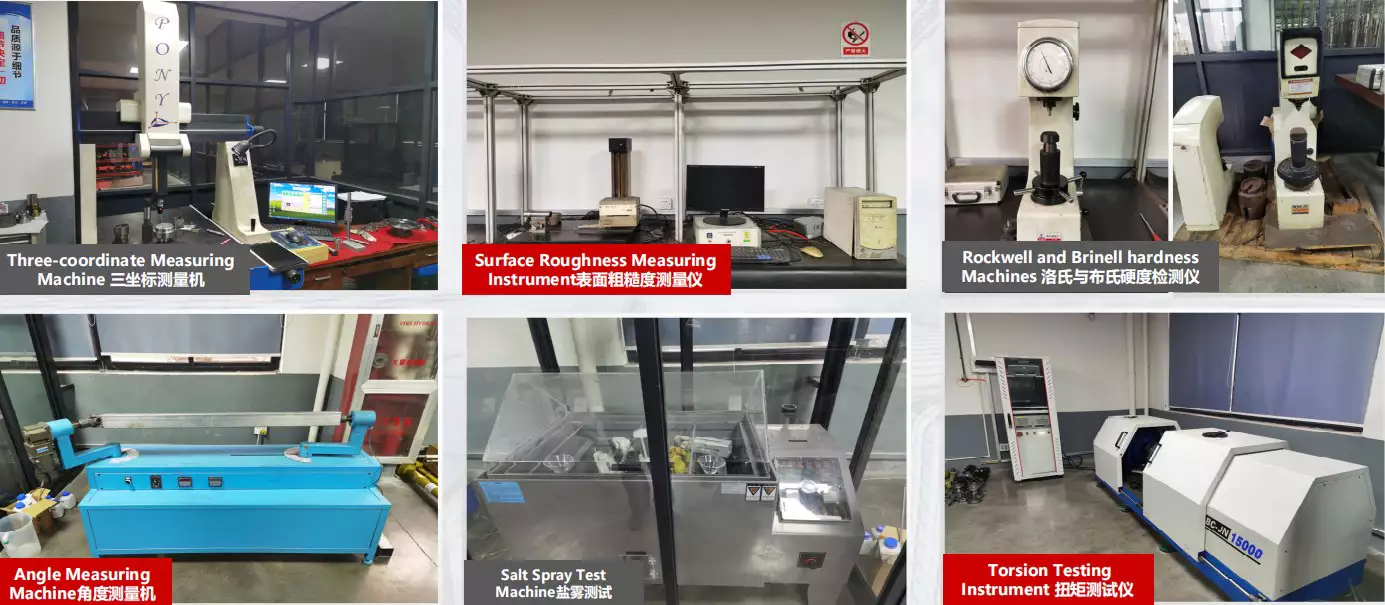
Rigorous quality checks guarantee compliance with global standards, giving peace of mind. Farmers value the quick availability, minimizing downtime during peak seasons. To explore custom PTO shafts tailored for your needs, check our offerings on the homepage.
Support includes expert advice on integration, enhancing overall system efficiency. Competitive pricing combined with superior performance makes them a smart investment for long-term farming success.
User feedback highlights ease of maintenance, with accessible grease fittings. This choice supports sustainable practices by optimizing power use.
Complementary Gearboxes and Accessories for Enhanced Performance
Pairing PTO shafts with our gearboxes elevates seeder operations. These units feature helical gears for quiet, efficient power transfer, rated at 50-150 kW. In German wheat fields, they maintain consistent speed ratios of 1:1.5, ensuring even seed distribution. Cast iron housings resist impacts, with oil capacities up to 2 liters for extended runs.
Input flanges match standard PTO outputs, simplifying installation. Output shafts align with seeder drives, reducing alignment errors. Thermal ratings handle 80°C operations, common in summer planting. Seals prevent leaks, protecting internal components from dust in arid Saxony regions.
Efficiency reaches 98%, minimizing fuel consumption. Mounting options include foot or flange types, adaptable to various seeder frames. Backlash is under 5 arc minutes, crucial for precision metering. These gearboxes integrate with variable speed drives, allowing rate adjustments based on soil type.
Accessories like universal joints enhance flexibility, pivoting up to 45 degrees for tight turns. Couplings absorb shocks, extending shaft life by 30%. Bearings with ABEC-5 precision reduce friction, boosting overall system longevity. In Bavaria’s diverse terrains, these add-ons ensure reliable performance.
Torque multipliers amplify power for heavy-duty seeders, up to 3000 Nm. Safety clutches disengage at overloads, protecting investments. Lubricants formulated for high loads extend intervals to 500 hours. Mounting brackets secure setups, preventing vibrations.
For electric integrations, adapters connect to motors, supporting hybrid systems. Chain guards enclose moving parts, meeting safety norms. Speed sensors monitor RPM, feeding data to control units for optimized seeding. These elements form a cohesive drivetrain.
In neighboring Austria, similar setups handle alpine challenges, with gearboxes rated for inclines. Dutch users appreciate water-resistant variants for polder farming. French applications in vineyards use compact models for narrow rows. Polish grain operations benefit from high-capacity units.
Gear ratios from 1:1 to 1:3 suit different crops. Helical designs lower noise to under 70 dB, improving operator comfort. Oil level indicators facilitate checks, preventing dry runs. Vent plugs equalize pressure, avoiding seals failure in varying temperatures.
Shaft seals use Viton for chemical resistance, ideal for fertilizer exposure. Bearings support radial loads up to 5000 N. Housings feature drainage ports for easy cleaning. These features ensure gearboxes complement PTO shafts perfectly.
Custom gear sets address specific torque needs. Mounting patterns follow ISO standards for interchangeability. Cooling fins dissipate heat in intensive use. These enhancements boost seeder productivity by 25%.
Accessories include extension shafts for offset mounting. Lock collars secure connections. Dust caps protect unused ports. Vibration isolators minimize transfer to frames. These details refine the system.
In global contexts, Brazilian sugarcane fields use rugged variants. Japanese rice paddies favor compact, waterproof models. Chinese operations scale with high-volume production. Such versatility makes them essential.
Maintenance kits include gaskets and oils. Warranty covers 2 years, assuring quality. Integration guides assist setup. These support packages enhance user experience.
For inquiries on matching gearboxes to your PTO setup, reach our team via the contact page.
Overall, these complementary products create synergistic drivetrains, optimizing seeding precision and durability across applications.
Specialized Specifications for Custom Configurations
| Parameter | Value |
|---|---|
| Custom Length | Up to 2000 mm |
| Joint Type | Wide Angle |
| Limiter Option | Friction Clutch |
| Finish | Galvanized |
| Certification | CE Marked |
Custom configs address unique needs, like extended reaches for trailed seeders. Wide angles handle sharp turns in orchards. Friction clutches calibrate to specific torques.
Galvanized finishes suit corrosive environments. CE marks ensure EU market access, vital for German exports.
Frequently Asked Questions
What torque capacity do I need for a 6-row seeder? For standard 6-row hole seeders, aim for 1000-1500 Nm to handle typical loads. Factor in tractor HP and soil type; clay requires higher ratings to avoid slippage. Always test under actual conditions.
How often should I lubricate the PTO shaft? Grease every 8-10 hours of use, or weekly during peak seasons. Use high-quality lithium-based grease to prevent wear. Check for leaks and clean debris to maintain performance.
Are these shafts compatible with older German tractors? Yes, with standard 1 3/8″ splines, they fit most models from 1980s onward. Verify yoke size and length for best match. Adapters available for non-standard hubs.
What safety features are included? Full-length guards, shear bolts, and overrunning clutches prevent accidents. Comply with DGUV VSG 3.1 for operator protection. Regular inspections ensure integrity.
Can I customize the length for my seeder? Absolutely, lengths from 500-2000 mm are available. Provide tractor-to-seeder distance and operating angle for precise fit. Custom builds ship in 2-4 weeks.
Recent News in German PTO Shaft Industry
In 2025, Bavaria’s agrotech fair showcased advanced PTO shafts with IoT monitoring, reducing failures by 40%. EU subsidies for efficient drivelines boosted adoption in Saxony. A study in Mecklenburg highlighted 15% yield increases from precision components.

To get a quote on durable PTO shafts for your seeder, head to our contact page.