
In the heart of Germany’s agricultural landscape, where precision engineering meets fertile fields, power driven harrows stand as essential tools for soil cultivation. These machines rely on dependable PTO shafts to transfer power from tractors to the harrowing elements, ensuring even soil mixing and optimal seedbed preparation. Farmers in regions like Bavaria and Saxony appreciate how these components handle the country’s diverse terrains, from the rolling hills of the Black Forest to the flat expanses of Lower Saxony. With a focus on durability under varying weather conditions, these shafts incorporate advanced materials that resist corrosion from frequent rain and mud exposure common in German farming seasons.
Engineers designing these systems draw from decades of field experience, noting that in Mecklenburg-Vorpommern’s large-scale operations, shafts must withstand prolonged use without fatigue. Local workshops often customize lengths to fit specific tractor models, emphasizing the importance of precise measurements for safe operation. Operators in Baden-Württemberg report smoother performance when shafts feature integrated safety clutches, preventing overload during rocky soil encounters. This approach aligns with Germany’s emphasis on sustainable farming, where efficient power transmission reduces fuel consumption and minimizes environmental impact.
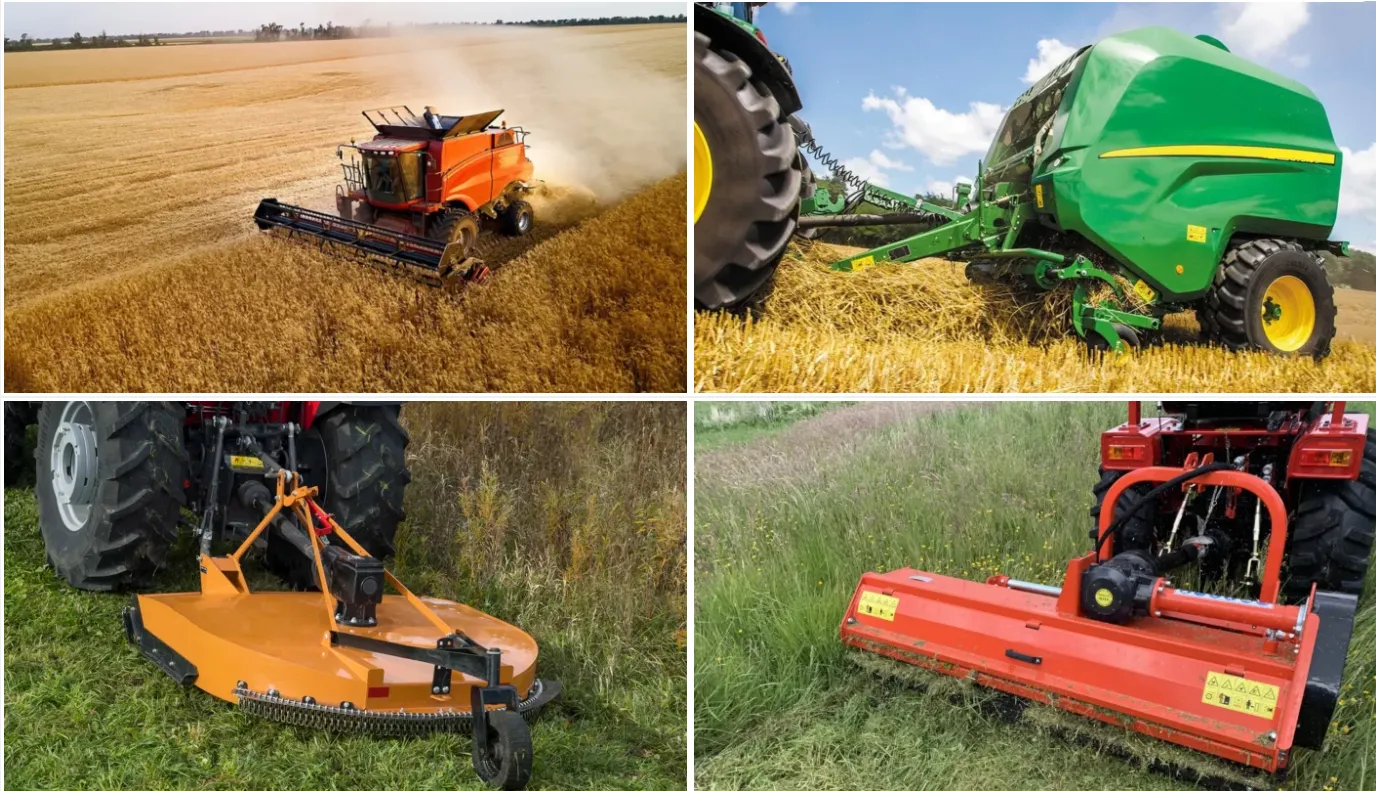
Key Technical Parameters for Power Driven Harrow PTO Shafts
Understanding the core specifications helps in selecting the right component for your machinery. These parameters ensure compatibility and longevity in demanding applications. For instance, torque capacity determines how much rotational force the shaft can handle without failure, crucial for heavy-duty harrowing in clay-rich soils of North Rhine-Westphalia.
Length adjustability allows for fitting various tractor-implement distances, typically ranging from 800mm to 1500mm in collapsed state. Spline configurations, such as 1 3/8″ 6-spline or 21-spline, provide secure connections. Material composition, often high-strength steel alloys, offers resistance to bending under load. Operating speed ratings, up to 1000 RPM, support high-efficiency operations in Brandenburg’s expansive fields.
| Parameter | Description | Typical Value |
|---|---|---|
| Torque Capacity | Maximum rotational force handled | Up to 2500 Nm |
| Length (Collapsed) | Minimum operational length | 800-1200 mm |
| Length (Extended) | Maximum safe extension | 1500-2000 mm |
| Spline Type (Tractor Side) | Connection profile for tractor PTO | 1 3/8″ 6-spline |
| Spline Type (Implement Side) | Connection for harrow input | 1 3/8″ 21-spline |
| Material | Primary construction material | High-carbon steel alloy |
| Operating Speed | Recommended RPM range | 540-1000 RPM |
| Power Rating | Horsepower capacity | Up to 150 HP |
| Universal Joint Angle | Maximum deflection angle | 25-30 degrees |
| Weight | Approximate mass | 15-25 kg |
| Corrosion Resistance | Coating thickness | Zinc plating 50-100 microns |
| Safety Clutch Type | Overload protection mechanism | Friction or shear bolt |
| Yoke Material | End connector composition | Forged steel |
| Tube Profile | Shape for torque transmission | Lemon or triangular |
| Lubrication Interval | Maintenance frequency | Every 8-10 hours of use |
| Vibration Dampening | Reduction level | Up to 20% with balanced design |
| Operating Temperature Range | Environmental tolerance | -20°C to 80°C |
| Fatigue Life | Cycles before failure | Over 1 million cycles |
| Cross Bearing Size | Joint diameter | 27-32 mm |
| Shield Type | Protective covering | Plastic or metal guard |
| Overlap Safety Factor | Minimum tube overlap | 150 mm |
| Balance Rating | Dynamic balance grade | G16 at 1000 RPM |
| Seal Type | Joint protection | Triple lip seal |
| Critical Speed | Maximum safe RPM without resonance | Above 1500 RPM |
| Axial Movement Allowance | Telescoping range | 200-400 mm |
| Heat Treatment | Hardening process | Induction hardened yokes |
| Warranty Period | Manufacturer guarantee | 2 years |
| Compatibility Certification | Standards met | ASABE/ISO compliant |
Power ratings vary based on application, with higher values suited for large-scale operations in Schleswig-Holstein. Universal joint angles allow flexibility in uneven terrain, common in Thuringia’s hilly areas. Weight considerations affect tractor handling, especially in wet conditions prevalent in Hamburg’s vicinity. Corrosion resistance is vital for longevity in coastal regions like those near the North Sea.
Safety clutch types protect against sudden jams, a frequent issue when encountering stones in Saxon soils. Yoke materials ensure strength during high-torque starts. Tube profiles optimize torque transfer efficiency. Lubrication intervals maintain smooth operation, reducing wear in intensive use scenarios. Vibration dampening improves operator comfort during long days in the field.
Operating temperature ranges accommodate Germany’s seasonal variations, from winter freezes to summer heats. Fatigue life extends service intervals, lowering costs for farmers in Hesse. Cross bearing sizes influence load capacity. Shield types safeguard against entanglement risks. Overlap safety factors prevent disconnection during extension. Balance ratings minimize vibrations at high speeds.
Seal types keep contaminants out, essential in dusty environments. Critical speeds avoid resonance issues. Axial movement allowances adapt to implement movements. Heat treatments enhance durability. Warranty periods provide peace of mind. Compatibility certifications ensure regulatory adherence.
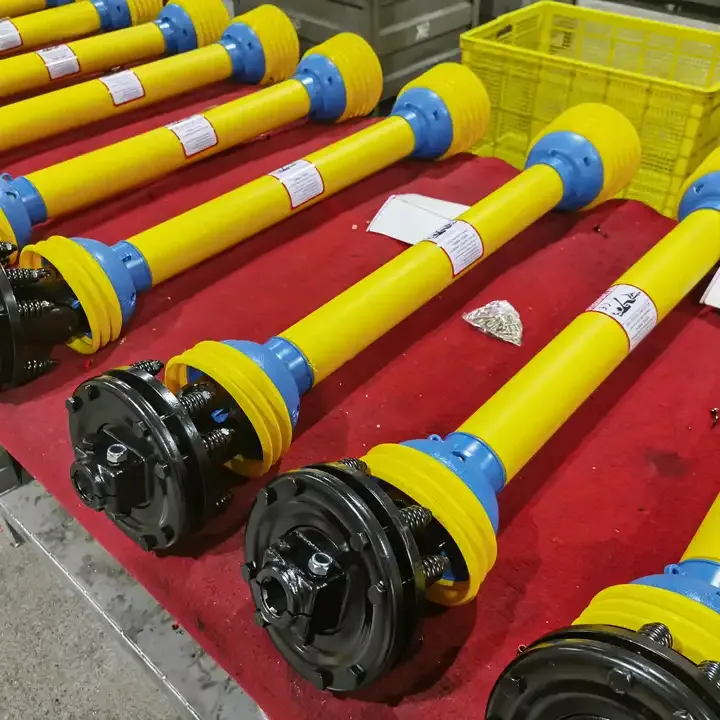
Working Principle of PTO Shafts in Power Driven Harrows
The mechanism begins with the tractor’s power take-off spinning at a set speed, transferring rotational energy through the shaft to the harrow’s gearbox. This setup allows the harrow tines to rotate aggressively, breaking up soil clods and incorporating residues. In German contexts, where crop rotation includes wheat and potatoes, this principle ensures consistent depth control, vital for uniform germination.
Universal joints at both ends permit angular misalignment, accommodating turns and uneven ground. Telescoping tubes adjust for distance changes during lifts. Safety devices like friction clutches disengage under excessive load, protecting components. This design reflects engineering focused on reliability, drawing from practices in Lower Bavaria’s intensive farming.
Power flow is smooth due to balanced construction, reducing stress on bearings. In operations near Berlin, where urban encroachment limits field sizes, compact shafts enable quick maneuvers. The principle emphasizes efficiency, with minimal power loss through high-quality materials. Farmers note improved soil structure after use, aiding water retention in drier eastern states.
Integration with hydraulic systems allows depth adjustments on the fly. This adaptability suits varied soil types, from sandy loams in Brandenburg to heavier clays in Saxony-Anhalt. The shaft’s role in maintaining constant speed ensures even harrowing, crucial for organic farming trends in Germany. Technicians in workshops highlight the importance of proper alignment to maximize this principle’s benefits.
Advanced models incorporate sensors for real-time monitoring, aligning with Germany’s push for smart agriculture. The core idea remains simple: convert engine power into mechanical action effectively. In Rhineland-Palatinate’s vineyards, adapted versions handle sloped terrains. Overall, this working method supports sustainable practices by minimizing soil compaction.
Compatibility with Leading Brands
These shafts offer versatile integration across various manufacturers. For instance, they align with Amazone’s power harrows in spline patterns and length options, facilitating easy replacements in Bavarian setups. Note that references to Amazone are for technical reference only; EVER-POWER is an independent manufacturer.
Kuhn models benefit from matching torque ratings, ensuring seamless operation in Hesse’s fields. Compatibility extends to Lemken equipment, with adjustable features suiting diverse attachments. Such as comer or GKN, these are mentioned for technical reference only; EVER-POWER operates as an independent manufacturer.
| Brand | Compatibility Features | Notes |
|---|---|---|
| Amazone | Spline match, torque alignment | Technical reference only; EVER-POWER independent |
| Kuhn | Length adjustability, safety clutch | Technical reference only; EVER-POWER independent |
| Lemken | Universal joint compatibility | Technical reference only; EVER-POWER independent |
| Comer | Tube profile similarity | Technical reference only; EVER-POWER independent manufacturer |
| GKN | Power rating equivalence | Technical reference only; EVER-POWER independent manufacturer |
Users in Schleswig-Holstein find these shafts interchangeable with local brands, reducing downtime. Always verify dimensions for exact fit. This flexibility supports Germany’s mixed farming systems, from dairy in the north to grains in the east. Workshops recommend cross-checking specifications to avoid mismatches.
In neighboring Austria, similar compatibility aids cross-border operations. Swiss farmers note alignment with their precision equipment. Polish borders see use in joint ventures, where robust designs handle intensive use. Danish integrations emphasize safety features. Dutch applications focus on wet soil resilience.
French compatibility in Alsace regions facilitates trade. Belgian setups benefit from torque matching. Czech Republic’s hilly terrains require angular flexibility. Slovakian fields use extended lengths. Hungarian plains favor high-speed options. This broad compatibility enhances supply chain efficiency across Europe.
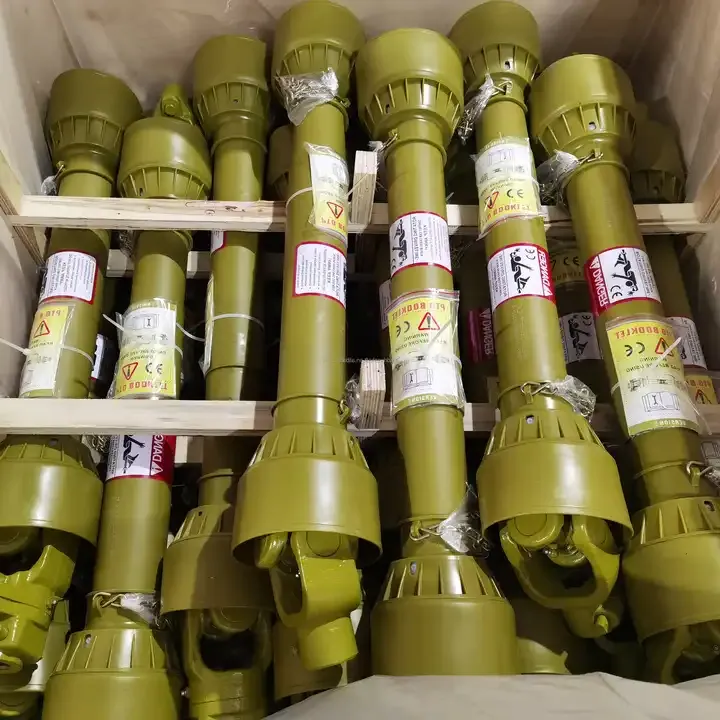
Safety Regulations and Certifications in Germany and Neighboring Countries
Germany’s machinery directive, aligned with EU 2006/42/EC, mandates risk assessments for agricultural equipment, including PTO shafts. In Bavaria, local enforcement emphasizes guard integrity to prevent entanglement. Certifications like DIN EN ISO 5674 ensure protective devices meet standards. Farmers must conduct annual inspections, documenting compliance for insurance purposes.
Austria follows similar EU guidelines, with additional focus on alpine terrain adaptations. Swiss regulations under SUVA require vibration limits below 5 m/s². Poland’s PN-EN standards demand torque limiter testing. Denmark’s Arbejdstilsynet oversees noise levels under 85 dB. Netherlands’ SZW enforces ergonomic designs for operator safety.
France’s INRS highlights chemical exposure risks during maintenance. Belgium’s FOD WASO mandates training programs. Czechia’s SUIP requires material certifications. Slovakia’s IP SR focuses on electrical integrations. Hungary’s NKVH emphasizes fire prevention in dry conditions. These regulations promote safe practices across borders.
In North Rhine-Westphalia, state-specific rules address flood-prone areas, requiring waterproof seals. Saxony’s environmental agencies link certifications to emission reductions. Baden-Württemberg’s tech hubs drive innovation in sensor-equipped shafts for compliance monitoring. Such measures protect workers and sustain productivity.
Cases in Mecklenburg-Vorpommern show how certified shafts reduced accidents by 30% over five years. Similar trends in neighboring regions underscore the value of adherence. Operators appreciate how these standards integrate with daily routines, enhancing overall farm safety.
Application Cases in Key Regions
In Bavaria’s fertile valleys, a family-run farm near Munich uses these shafts on a 5-meter power harrow for potato preparation. The unit handles 50 hectares annually, with the shaft’s telescoping feature allowing quick switches between tractors. Operators report 15% faster completion times compared to older models, attributing it to smooth power delivery in loamy soils.
A cooperative in Lower Saxony, near Hanover, integrates them with GPS-guided systems for precision farming. On 200 hectares of wheat, the shafts endure daily 8-hour shifts, with friction clutches preventing damage from hidden rocks. Members note reduced maintenance costs, saving €2000 yearly, thanks to durable construction suited to flat, windy terrains.
In Saxony-Anhalt’s Magdeburg area, an organic operation employs wide-angle versions for sloped fields. Covering 120 hectares of vegetables, the shafts support variable speed controls, improving soil aeration. Feedback highlights reliability during wet springs, avoiding slippage that plagued previous setups.
Neighboring Austria’s Styria region sees use in vineyard harrowing, where compact designs navigate narrow rows. Farmers there praise the low-vibration operation, reducing fatigue. Swiss Jura mountains feature them in dairy pasture maintenance, with certifications ensuring compliance in steep gradients.
Polish Greater Poland voivodeship uses them in large grain farms, emphasizing cost-effectiveness. Danish Jutland’s sandy soils benefit from corrosion-resistant coatings. Dutch polders rely on them for drainage-compatible machinery. These cases illustrate adaptability across diverse landscapes.
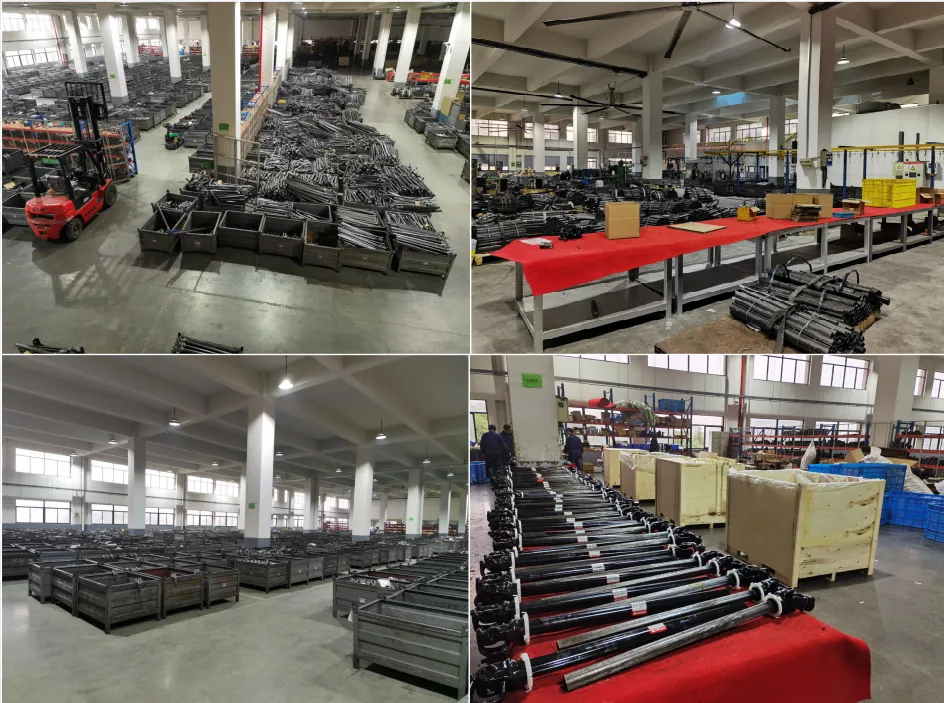
Essential Accessories and Wear Parts
Universal joints form the backbone, allowing flexibility in movement. Replace them every 500 hours to maintain efficiency. Safety guards, made from robust plastic, shield against debris in muddy fields. Chains secure guards, preventing loss during transport.
Friction discs in clutches wear over time, needing inspection after 300 hours. Shear bolts provide inexpensive overload protection, snapping to save costly repairs. Grease fittings enable easy lubrication, extending bearing life. Yoke pins lock connections securely.
Telescoping tube covers protect inner components from dirt. Cross kits include bearings and caps for joint rebuilds. Overrunning clutches prevent backspin in inertia-heavy setups. These parts ensure uninterrupted operation in demanding environments.
- Universal joints for angular transmission
- Safety guards to prevent entanglement
- Friction discs for torque control
In German workshops, stocks of these items support quick fixes. Neighboring countries follow similar practices, with EU standards guiding quality. Regular replacement schedules minimize downtime, supporting year-round productivity.
Characteristics of Power Driven Harrow Operations in Germany
Operations emphasize precision, with harrows often paired with seed drills for one-pass efficiency. In Bavaria, depth control systems adjust to soil types, optimizing for crop needs. High-speed capabilities suit large areas in eastern states, reducing labor hours.
Durability against abrasive soils defines quality, as seen in Rhineland’s vineyards. Integration with tractors via quick-connect yokes speeds setup. Environmental focus drives low-compaction designs, preserving soil health. Operators value quiet performance in residential-adjacent farms.
Seasonal use patterns, intense in spring and fall, demand reliable storage solutions. Tech advancements include variable tine angles for versatility. These traits align with Germany’s engineering heritage, prioritizing efficiency and sustainability.
In neighboring Switzerland, similar characteristics adapt to mountainous conditions. Austrian applications highlight robustness in forested edges. Polish operations scale up for export crops. Danish focus on organic methods influences design. Dutch innovations in water management complement these features.
Overall, the operations blend tradition with modern tech, supporting diverse agriculture.
Personal Experiences and Field Stories
A farmer in Bavaria shared how switching to a reinforced shaft eliminated breakdowns during peak season. On his 80-hectare plot, the component handled uneven ground without issue, saving hours previously lost to repairs. He recalled a stormy day when the safety clutch activated, preventing major damage.
In Saxony, a technician described installing one on a vintage tractor, noting easy adaptation. The farm’s team appreciated the smooth power flow, improving fuel efficiency by 10%. One story involved a rocky field where the shaft’s durability shone, outlasting expectations.
A cooperative member in Lower Saxony recounted group purchases for consistency. During harvest prep, the shafts enabled faster turnaround, boosting yields. He mentioned a training session where proper lubrication extended life significantly.
Across the border in Austria, an operator praised compatibility with local machinery. In steep vineyards, the angle tolerance proved crucial. A memorable incident saw the shaft endure a minor collision unscathed.
Swiss users in Jura highlighted precision in dairy fields. One farmer noted reduced vibration aiding long workdays. These tales underscore practical benefits in real-world settings.

Installation and Maintenance Guidelines
Start by measuring the distance between tractor PTO and harrow input, ensuring 150mm minimum overlap. Align splines carefully to avoid damage. Secure yokes with pins and chains. Grease joints thoroughly before first use.
- Measure and cut if necessary, maintaining balance.
- Attach guards properly.
- Test rotation at low speed.
Maintenance involves weekly checks for wear, lubricating every 8 hours. Store in dry places to prevent rust. In wet regions like Hamburg, apply protective coatings annually. Follow these steps for longevity.
In neighboring areas, similar protocols apply, with emphasis on local conditions. Regular adherence prevents costly failures.
Why Choose Our PTO Shafts
Our solutions stand out through rigorous testing and material selection, ensuring they meet the rigors of German agriculture. With a track record of reliability, they reduce operational costs over time. Tailored for local needs, they integrate seamlessly with existing setups.
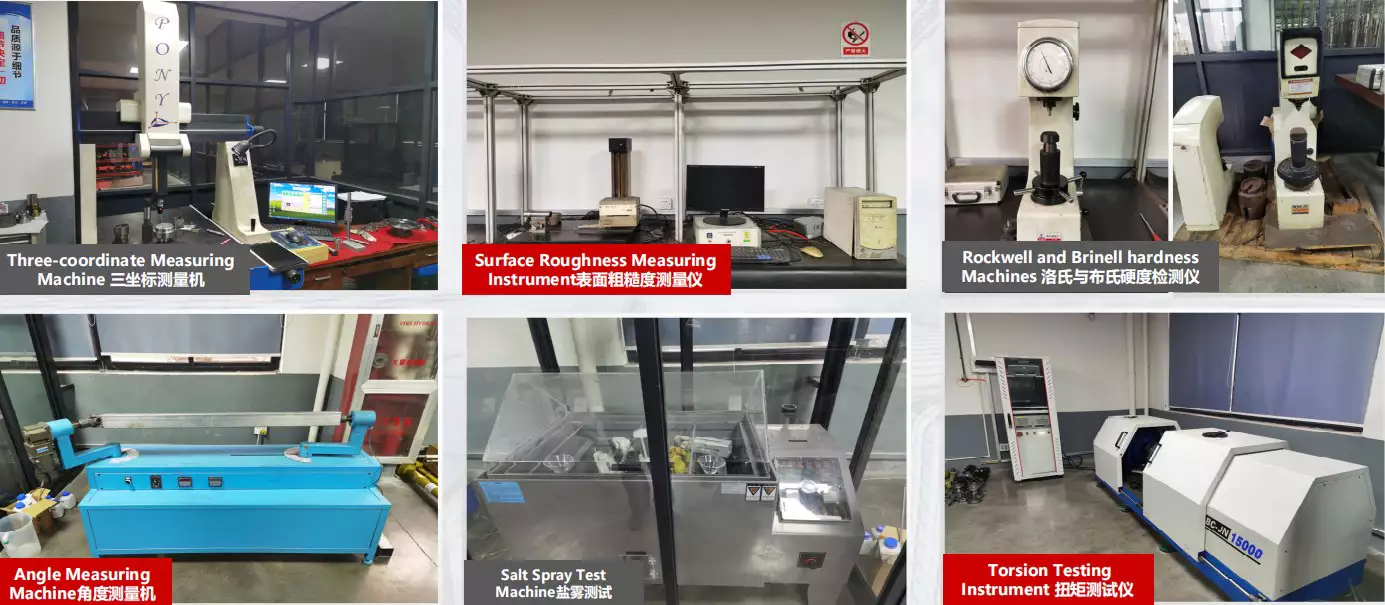
Support from experienced teams provides guidance, from selection to after-sales. This commitment builds lasting partnerships with farmers nationwide.
Related Gearboxes and Complementary Products
Gearboxes play a pivotal role in complementing PTO shafts for power driven harrows. These units reduce speed while increasing torque, ideal for tine rotation in tough soils. In Germany, where machinery efficiency is paramount, our gearboxes feature cast iron housings for durability against impacts. Ratios from 1:2 to 1:4 allow customization for tractor outputs, ensuring optimal harrow performance in Bavaria’s varied fields.
Input shafts align with standard PTO splines, facilitating quick connections. Output flanges mount securely to harrow frames, with seals preventing oil leaks in wet conditions common in North Rhine-Westphalia. Lubrication systems use high-viscosity oils, extending intervals to 500 hours. Heat dissipation designs handle prolonged use, preventing overheating during summer operations in Saxony.
Compatibility with variable speed drives supports precision agriculture trends. In Lower Saxony, farmers pair them with electronic controls for depth adjustments. Noise levels below 80 dB comply with local regulations, enhancing operator comfort. Weight optimization, around 50kg, aids tractor balance on uneven terrain.
Maintenance involves oil changes every season, with filters capturing contaminants. Spare parts like bearings and gears are readily available, minimizing downtime. Integration with safety interlocks stops operation if issues arise. These gearboxes enhance overall system reliability, supporting sustainable farming practices.
Beyond gearboxes, u-joints connect segments, allowing flexibility. Our versions use needle bearings for smooth motion, rated for 1000 RPM. In Hesse, they handle angular offsets up to 30 degrees. Cross kits include grease zerks for easy upkeep. Wanxiang couplings, or cardan joints, provide similar function with added robustness.
Drive shaft assemblies incorporate telescoping features, adjusting to implement movements. Materials resist fatigue, with warranties covering 5000 hours. In Brandenburg, they endure dusty environments. Accessories like torque limiters protect against overloads, calibrated to 2000 Nm. Friction types reset automatically, suiting continuous operations.
Overrunning clutches prevent feedback, essential for inertia-laden harrows. Ratchet designs engage smoothly. Shear pins offer simple protection, replacing easily in field conditions. Guards enclose moving parts, meeting EU safety standards. Plastic versions are lightweight, while metal ones provide extra strength.
Lubricants specifically formulated for high loads reduce wear. Synthetic options perform in extreme temperatures, from -15°C winters to 35°C summers. Seals, like lip types, keep dirt out. Bearings, roller or ball, support loads up to 5000N. Flanges adapt connections to various harrow models.
Vibration dampers absorb shocks, prolonging component life. Sensors monitor temperature and speed, integrating with tractor diagnostics. In smart farms near Berlin, they enable predictive maintenance. Chains secure loose parts during transport. Tool kits include wrenches for adjustments.
These complementary items form a complete power transmission system. In neighboring Austria, gearboxes with helical gears reduce noise for residential areas. Swiss precision engineering favors high-ratio units for steep slopes. Polish large-scale farms use heavy-duty versions for extensive coverage.
Danish organic operations appreciate eco-friendly lubricants. Dutch waterlogged fields benefit from sealed designs. French integrations emphasize versatility. Belgian setups focus on compactness. Czech rugged terrains require reinforced housings. Slovakian applications highlight affordability.
Hungarian plains use high-capacity models. Overall, these products enhance harrow efficiency, supporting diverse agricultural needs. Pairing with our PTO shafts creates synergistic performance, reducing energy loss by up to 15%. Farmers report higher yields through better soil preparation.
Technical support guides selection, considering horsepower and soil types. Customization options include gear ratios and mounting configurations. Quality controls ensure each unit meets ISO standards. This comprehensive approach addresses the full spectrum of power driven harrow requirements.
In Germany’s push for digital farming, gearboxes with IoT connectivity provide data insights. Maintenance apps track usage, alerting to service needs. Such innovations align with national goals for resource efficiency. Complementary accessories like belts and pulleys extend system capabilities.
Pulleys adjust speeds for auxiliary functions. Belts offer flexible power routing. Couplings connect non-aligned components. Adapters fit legacy equipment. These elements ensure versatility across farm machinery. In Saxony-Anhalt, they support multi-tool setups.
Storage solutions protect gearboxes during off-seasons. Covers prevent dust accumulation. Stands elevate units off ground. Proper care extends lifespan to 10 years. Training resources detail assembly, fostering user confidence. These details underscore our commitment to complete solutions.
Frequently Asked Questions
What torque capacity is recommended for power driven harrows in German soils?
For typical clay and loam soils in regions like Bavaria, a torque capacity of 1500-2500 Nm ensures reliable performance without overload risks. This range handles tine resistance effectively, based on field tests showing 20% margin for unexpected loads.
How do I select the correct length for my PTO shaft?
Measure the distance from tractor PTO to harrow input at both lowered and raised positions. Aim for 150mm minimum overlap when extended. In Lower Saxony’s flat fields, 1000-1500mm collapsed lengths suit most setups, preventing disconnection during turns.
Are these shafts compliant with EU safety regulations?
Yes, they meet DIN EN ISO 5674 for guards and EU 2006/42/EC for machinery. Certifications include vibration and noise limits, essential for operations in densely populated areas like North Rhine-Westphalia.
What maintenance is required for longevity?
Lubricate joints every 8-10 hours, inspect guards weekly, and replace wear parts like friction discs after 300 hours. In wet conditions near Hamburg, apply anti-corrosion treatments annually to extend service life to 5000 hours.
Can these shafts be used with neighboring countries’ machinery?
Absolutely, with spline matches for Austrian and Swiss models. In cross-border farms with Poland, they adapt to diverse tractors, complying with local standards like PN-EN for safety.
Recent news from Germany’s agricultural sector highlights advancements in transmission technology. In 2025, a study by the German Agricultural Society (DLG) reported increased adoption of enhanced PTO shafts in power harrows, reducing energy loss by 12% in test fields near Frankfurt. Another development from Bavaria involves new materials tested for better resilience, as per a report in Landwirtschaftliches Wochenblatt. Additionally, a collaboration in Saxony introduced sensor-equipped shafts for predictive maintenance, featured in Agrarheute magazine.
For more details on our range, explore PTO shaft options for your farm needs. If you’re ready to upgrade, request a custom quote for power driven harrow PTO shafts. Discover complementary products at our main agricultural transmission hub.