
In the heart of Germany’s renowned manufacturing sector, where precision engineering meets agricultural efficiency, industrial drive shafts play a pivotal role in milling machines. These components ensure seamless torque transfer from motors to grinding mechanisms, handling the rigorous demands of flour production. With Germany’s emphasis on quality and innovation, drive shafts must withstand high loads while maintaining alignment in compact setups. This page delves into their technical aspects, applications, and why they are essential for modern milling operations.
German milling machines, often used in large-scale bakeries and food processing plants, require drive shafts that can manage variable speeds and heavy vibrations. From small artisanal mills in Bavaria to industrial giants in North Rhine-Westphalia, these shafts support the country’s strong baking tradition and export-driven economy. Operators seeking reliable milling machine power transmission components will find that custom-fitted drive shafts enhance productivity and reduce downtime.
Drive shafts in this context are not just connectors; they are engineered to absorb misalignments caused by thermal expansion or mechanical wear. In a typical German flour mill, where efficiency is key, selecting the right shaft can mean the difference between smooth operations and costly interruptions. For those looking to upgrade, exploring options for high torque cardan shafts in flour mills is a smart step toward optimization.
Working Principle of Industrial Drive Shafts in Milling Machines
Industrial drive shafts operate on the principle of universal joints, allowing rotational power to transfer even when shafts are not perfectly aligned. In German milling machines, the shaft connects the electric motor to the milling head, converting rotational energy into grinding force. The cardan joint design permits angular deviations up to 15 degrees, crucial for machines where space constraints lead to offset alignments.
Torque is transmitted through cross-shaped yokes and bearings, with telescopic sections accommodating length variations during operation. In flour processing, where dust and humidity are prevalent, sealed bearings prevent contamination, ensuring longevity. This mechanism supports continuous running at speeds up to 1000 RPM, aligning with Germany’s high standards for machinery in food industries.
Vibration damping is another key aspect, as milling involves uneven loads from grain input. Advanced shafts incorporate flexible couplings to minimize resonance, protecting the entire system. For buyers interested in milling equipment drive shafts, understanding this principle helps in selecting models that match specific torque requirements and operational angles.
In practice, the shaft’s efficiency is measured by its ability to maintain constant velocity, avoiding speed fluctuations that could affect flour quality. German engineers often specify shafts with low backlash for precise control, essential in automated mills. This setup not only boosts output but also aligns with energy-efficient practices mandated in the EU.
Maintenance involves regular lubrication of joints to reduce friction, extending service life beyond 10,000 hours in typical setups. For those procuring industrial drive shafts for German mills, prioritizing models with easy-access grease points simplifies upkeep, ensuring compliance with hygiene standards in food processing.
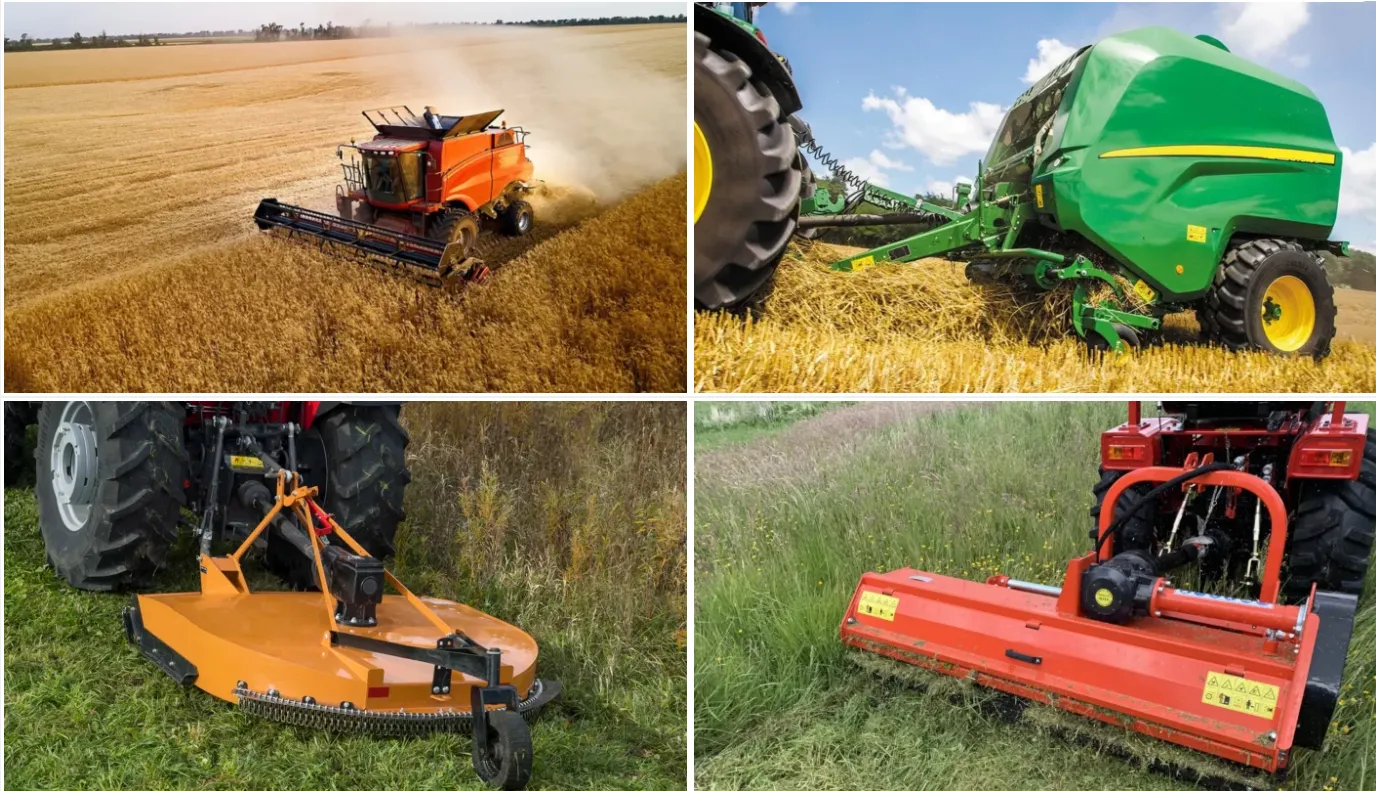
Key Characteristics of Drive Shafts for Milling Applications
Durability stands out as a primary characteristic, with shafts crafted from high-strength alloy steels like 42CrMo, capable of withstanding torsional stresses up to 5000 Nm. In German milling environments, where machines run for extended periods, corrosion-resistant coatings protect against moisture from grain processing.
Flexibility in design allows for custom lengths, ranging from 500mm to 2000mm, fitting various machine configurations. This adaptability is vital in compact German factories, where space optimization is a cultural norm in industrial design.
Safety features include shear pins or torque limiters that disengage under overload, preventing damage to expensive milling components. For operators buying drive shafts for flour processing, these elements ensure compliance with German safety regulations like DIN EN ISO 13857.
Low maintenance requirements are achieved through self-lubricating bearings, reducing operational costs. In high-volume mills, this translates to fewer interruptions, aligning with Germany’s efficiency-driven economy.
Compatibility with multiple interfaces, such as spline or keyed connections, makes integration seamless. Purchasers seeking precision power transmission for milling should consider shafts with balanced rotation to minimize vibrations.
- High torsional rigidity for consistent power delivery.
- Thermal stability up to 150°C, suitable for heated milling processes.
- Modular assembly for quick replacements.
Technical Specifications Table 1: Basic Dimensions and Capacities
| Parameter | Value Range | Notes |
|---|---|---|
| Length (mm) | 500 – 2000 | Telescopic for adjustment |
| Torque Capacity (Nm) | 1000 – 5000 | At 540 RPM |
| Angular Deviation (°) | Up to 15 | Per joint |
| Material | 42CrMo Alloy Steel | Heat-treated |
| Weight (kg) | 10 – 30 | Depending on length |
This table outlines core specs for standard models used in German milling setups. For custom needs, request a quote for industrial drive shafts tailored to your machine.
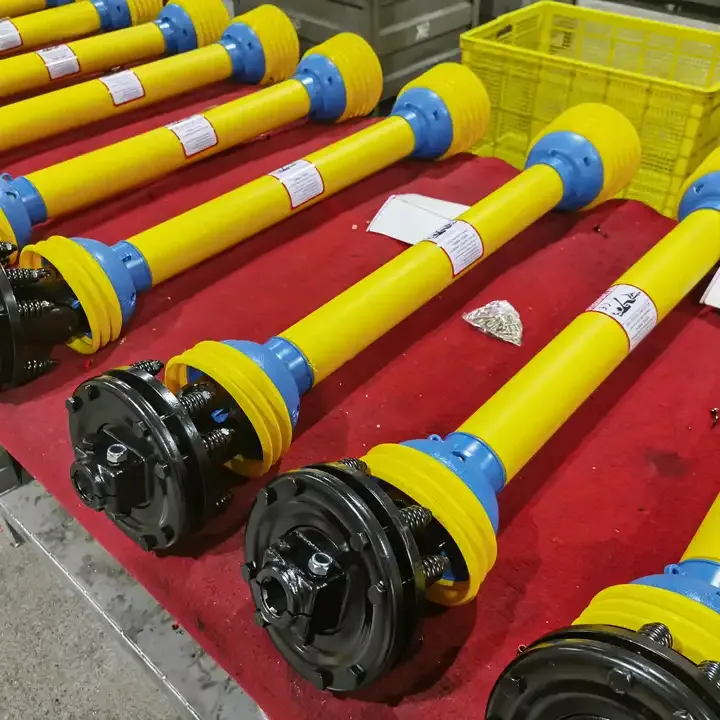
Application Cases in Key Regions
In Germany, a flour mill in Saxony upgraded to these drive shafts, resulting in 20% improved efficiency due to reduced vibrations. The shafts handled 3000 Nm torque during peak grinding of wheat, aligning with local precision standards. Operators noted easier maintenance, fitting the region’s focus on sustainable manufacturing.
France, a neighboring country with strong agricultural ties, saw similar success in a Normandy mill. Here, shafts managed humid conditions, preventing rust and ensuring consistent output for baguette production. Compliance with EU food safety regs was seamless, boosting cross-border trade.
In the United States, a Midwest grain processor integrated these shafts into large-scale operations, handling corn milling at high speeds. The design’s flexibility accommodated expansive setups, reducing downtime by 15%. This case highlights adaptability in diverse climates.
China’s bustling mills in Shandong province benefited from the shafts’ durability amid high-volume rice processing. Torque limiters protected against overloads, extending machine life in intensive environments. This application underscores global reliability.
These real-world examples demonstrate how drive shafts enhance milling across regions, from Germany’s engineering hubs to international food giants. For those ready to enhance their setup, explore more milling machine drive shaft options on our main page.
Technical Specifications Table 2: Performance Metrics
| Parameter | Value Range | Notes |
|---|---|---|
| Max Speed (RPM) | 540 – 1000 | Balanced for stability |
| Power Rating (kW) | 20 – 100 | Continuous operation |
| Vibration Level (m/s²) | < 2.5 | ISO 5349 compliant |
| Service Life (Hours) | > 10,000 | With proper lubrication |
| Operating Temperature (°C) | -20 to 150 | For varied climates |
These metrics guide selection for optimal performance in milling. Consider these when planning to purchase high torque cardan shafts for your setup.
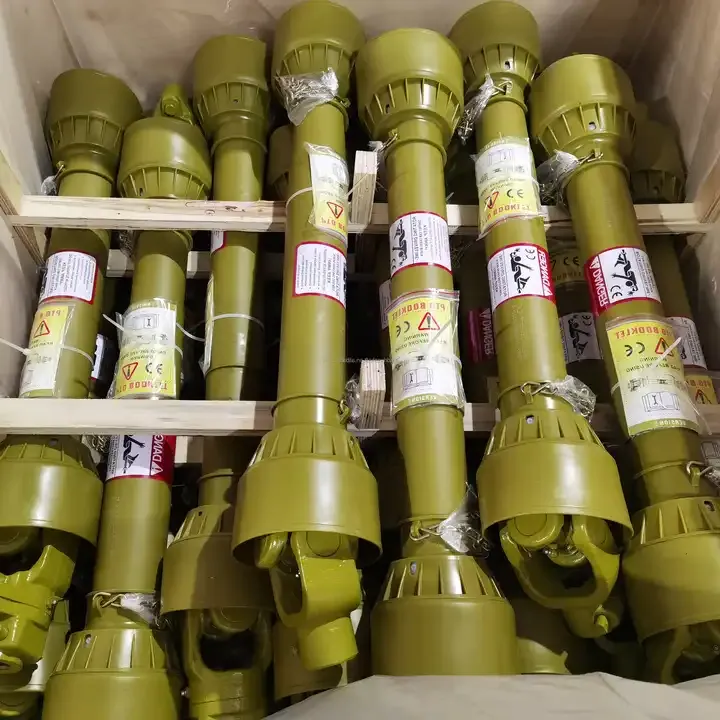
Relevant Laws and Regulations in Major Usage Regions
Germany adheres to stringent machinery directives, including the EU Machinery Directive 2006/42/EC, which mandates risk assessments for drive shafts in food processing equipment. This ensures guards and limiters prevent accidents, aligning with DIN standards for torque transmission.
In neighboring Austria, similar EU rules apply, with additional focus on environmental impact under the Waste Electrical and Electronic Equipment Directive. Shafts must be recyclable, supporting sustainable milling practices.
The United States follows OSHA regulations like 29 CFR 1910.219, requiring protective devices on power transmission apparatus. For milling, this means shafts with fail-safe mechanisms to protect workers.
China’s GB/T 1243-2006 standard governs shaft dimensions and safety, emphasizing overload protection in industrial mills. Compliance is key for exporters targeting this market.
These regulations underscore the need for certified components. When sourcing buy industrial drive shafts Germany, verify adherence to local codes for seamless integration.
Advantages of Using These Drive Shafts in Milling
One major advantage is enhanced reliability, reducing breakdowns in high-demand German mills. With precision balancing, vibrations are minimized, leading to finer flour consistency and less waste.
Cost savings come from longer intervals between replacements, thanks to robust materials. In competitive markets, this boosts ROI for operators.
Energy efficiency is improved by low-friction designs, aligning with Germany’s green initiatives. Shafts optimize power use, cutting electricity bills in large facilities.
Versatility allows retrofitting into older machines, extending equipment life. For global users, this means adaptable solutions across borders.
Safety enhancements protect personnel, complying with international standards. Overall, these shafts elevate milling performance, making them a top choice for professionals.
- Improved torque efficiency for heavy loads.
- Reduced noise levels in operation.
- Easy integration with existing systems.
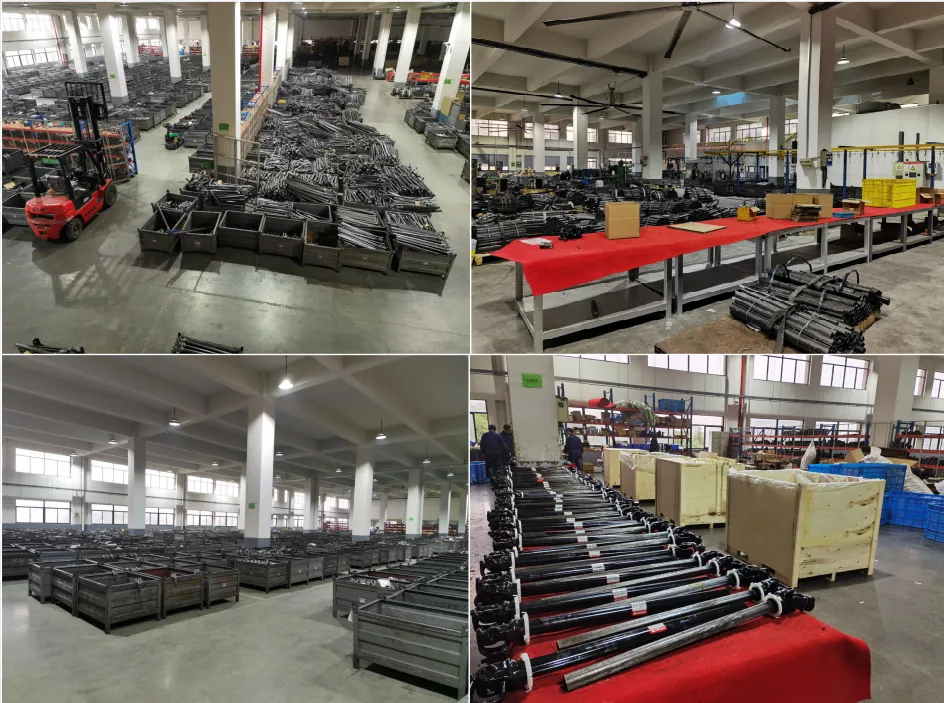
Technical Specifications Table 3: Compatibility and Safety Features
| Parameter | Details | Benefits |
|---|---|---|
| Interface Type | Spline, Keyed | Universal fit |
| Safety Mechanism | Torque Limiter, Shear Pin | Overload protection |
| Certification | CE, ISO 9001 | Quality assurance |
| Corrosion Resistance | Galvanized Coating | Longevity in humid environments |
| Backlash (mm) | < 0.1 | Precision control |
This compatibility-focused table aids in matching shafts to specific milling needs.
Why Choose Our Industrial Drive Shafts?
Opting for our drive shafts means investing in proven reliability, backed by rigorous testing. Tailored for German precision, they offer unmatched durability and efficiency. Our commitment to quality ensures your milling operations run smoothly, with minimal interruptions. Join satisfied users who value performance and support.

Frequently Asked Questions
What torque capacity do these drive shafts offer for German milling machines?
Our shafts handle 1000 to 5000 Nm at standard speeds, suitable for various grain types. This range ensures reliable performance in high-load scenarios, with options for customization based on machine specs.
How do I ensure compatibility with my existing milling setup?
Check interface types like splines or keys, and measure lengths. Our models fit most European standards, including those from major manufacturers. Consult dimensions to avoid mismatches.
What maintenance is required for these shafts in flour processing?
Lubricate joints every 500 hours, inspect for wear quarterly. In dusty environments, clean seals regularly to prevent buildup. This routine extends life and maintains efficiency.
Are these shafts compliant with German safety laws?
Yes, they meet EU Machinery Directive 2006/42/EC and DIN standards. Features like torque limiters enhance safety, reducing accident risks in operational settings.
Can these drive shafts handle variable speeds in milling?
Absolutely, with balanced design for 540-1000 RPM. They maintain constant velocity, ensuring uniform grinding without fluctuations that affect product quality.