
In the demanding environment of greenhouse operations, reliable power transmission is essential for maintaining consistent performance. Industrial drive shafts play a pivotal role in connecting motors to ventilation systems, shading mechanisms, and irrigation pumps, ensuring smooth torque transfer even under variable loads. Designed to handle the humid and temperature-fluctuating conditions typical in German greenhouses, these components offer durability and precision. Whether you’re upgrading existing setups or sourcing for new installations, understanding how these shafts integrate with greenhouse machinery can optimize efficiency and reduce downtime. For those seeking robust solutions, exploring options like heavy-duty cardan shafts for greenhouse ventilation can make a significant difference in operational reliability.
Working Principle of Industrial Drive Shafts in Greenhouse Applications
Industrial drive shafts function by transmitting rotational power from a prime mover, such as an electric motor, to driven equipment in greenhouses. The core mechanism involves universal joints that allow for angular misalignment, accommodating the flexible layouts often found in large-scale horticultural facilities. Torque is conveyed through a tubular shaft, with yokes at each end securing connections. In German greenhouses, where space constraints and environmental controls are critical, these shafts must resist corrosion from moisture and fertilizers. The principle ensures minimal backlash, promoting precise control over systems like automated roof vents or nutrient delivery pumps.
When the motor rotates, the drive shaft converts this motion into linear or rotational force at the output end. Safety features, such as shear pins, prevent overload by breaking under excessive torque, protecting connected machinery. For greenhouse operators dealing with seasonal variations, selecting shafts with adjustable lengths allows for easy adaptation to different equipment configurations. This adaptability is key in regions with strict energy efficiency standards, where minimizing power loss through efficient transmission is paramount. Operators often pair these with torque limiters to enhance longevity in high-cycle operations.
Maintenance involves regular lubrication of joints to reduce wear, especially in dusty or humid settings. By aligning the shaft properly during installation, vibration is minimized, extending the life of bearings and seals. In practice, these principles support seamless integration with automated systems, where sensors monitor torque levels for predictive maintenance. For procurement needs, considering factors like maximum operating angle and material composition ensures compatibility with specific greenhouse demands, such as those in controlled environment agriculture.
Key Features and Advantages
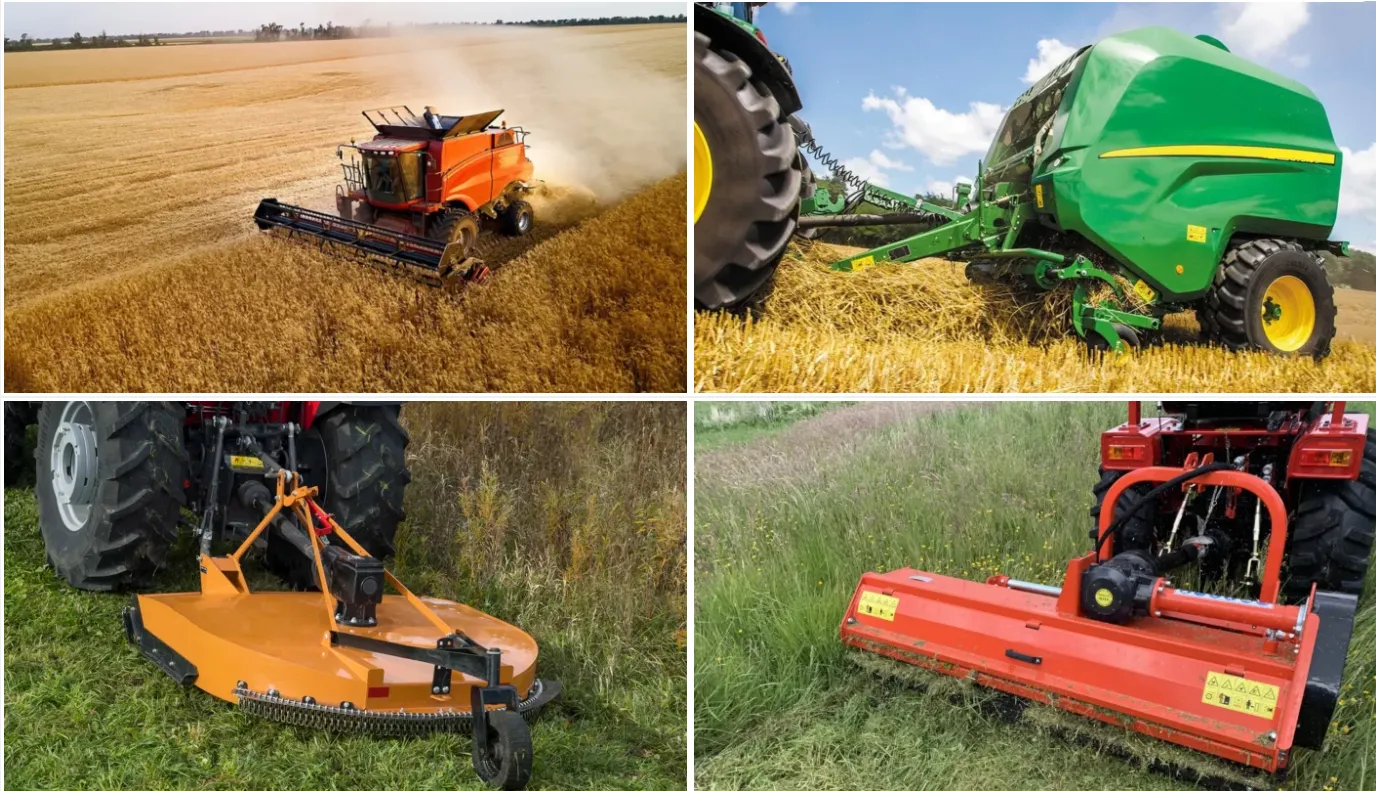
These drive shafts boast high torsional stiffness, crucial for maintaining accuracy in greenhouse automation. Constructed from alloy steel with protective coatings, they withstand corrosive elements like pesticides and high humidity. Advantages include reduced energy consumption due to efficient power transfer, which aligns with sustainable farming practices. In Germany, where precision horticulture is advancing, features like quick-disconnect yokes facilitate rapid maintenance, minimizing production halts.
Another benefit is their modular design, allowing customization for various torque ratings and lengths. This flexibility supports diverse applications, from small family-run greenhouses to large commercial operations. Enhanced safety through integrated guards prevents entanglements, complying with industry standards. For buyers interested in long-term reliability, opting for shafts with sealed bearings extends service intervals, cutting costs over time.
- Corrosion-resistant finishes for prolonged exposure to moist environments.
- Low-maintenance joints that require minimal greasing.
- Compatibility with multiple spline profiles for versatile equipment matching.
Overall, these features translate to higher uptime and lower operational risks, making them a smart choice for greenhouse managers aiming to boost productivity. When sourcing, look for suppliers offering detailed torque curves to match your specific load requirements.
Specifications Table: Basic Dimensions and Capacities
| Parameter | Value Range | Description |
|---|---|---|
| Length (Collapsed) | 800-1500 mm | Adjustable for various greenhouse spans. |
| Torque Capacity | 500-2000 Nm | Handles medium to heavy loads in ventilation systems. |
| Operating Angle | Up to 25° | Allows for misalignment in compact setups. |
| Material | Alloy Steel | With zinc plating for corrosion resistance. |
| Weight | 10-25 kg | Balanced for easy handling during installation. |
Application Cases in Key Regions
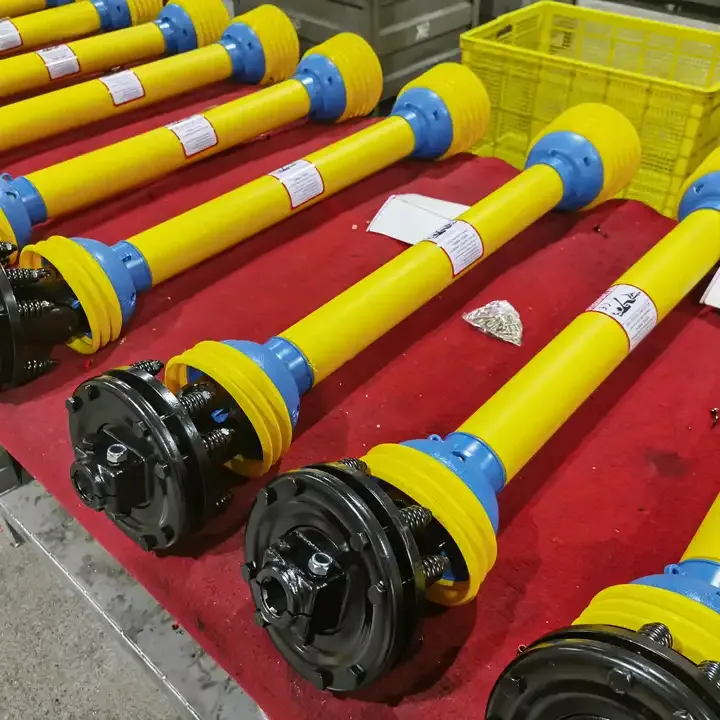
In Germany, industrial drive shafts are integral to modern greenhouse complexes in regions like Saxony and Bavaria. A notable case involves a large tomato cultivation facility near Dresden, where these shafts connect gear motors to rolling screens, enabling precise climate control. The setup reduced energy use by 15% through efficient torque delivery, aligning with Germany’s Energiewende policies for renewable integration. Operators report fewer breakdowns, attributing this to the shafts’ robust design against thermal expansion.
In the Netherlands, adjacent to Germany, these components support tulip greenhouses in the Westland area. A project in Naaldwijk utilized drive shafts for automated irrigation booms, handling continuous cycles without fatigue. This improved water efficiency by 20%, complying with Dutch water management regulations. The flexibility in joint angles allowed for seamless retrofitting into existing structures, enhancing overall system responsiveness.
France, another neighboring country, sees applications in vegetable greenhouses around Paris. In a cucumber farm in Ile-de-France, shafts linked to ventilation fans maintained stable airflow, boosting yield by 10%. The corrosion-resistant features proved vital in high-humidity zones, meeting EU agricultural safety directives. These real-world implementations highlight the shafts’ role in sustainable farming across Europe.
Beyond Europe, in the United States, California greenhouses for herbs employ similar shafts for shading systems. A Salinas operation integrated them with solar-powered motors, achieving reliable performance in arid conditions. This setup adhered to USDA guidelines on equipment safety, demonstrating global adaptability.
Specifications Table: Performance Metrics
| Parameter | Value Range | Description |
|---|---|---|
| Speed Rating | 540-1000 RPM | Suitable for variable speed drives in climate control. |
| Power Handling | Up to 50 kW | Supports medium-powered motors in greenhouses. |
| Service Life | 10,000+ hours | Under normal operating conditions with maintenance. |
| Temperature Range | -20°C to 80°C | Adapts to seasonal greenhouse variations. |
| Vibration Tolerance | Low to medium | Minimizes wear on connected components. |
Relevant Laws and Regulations in Major Usage Areas
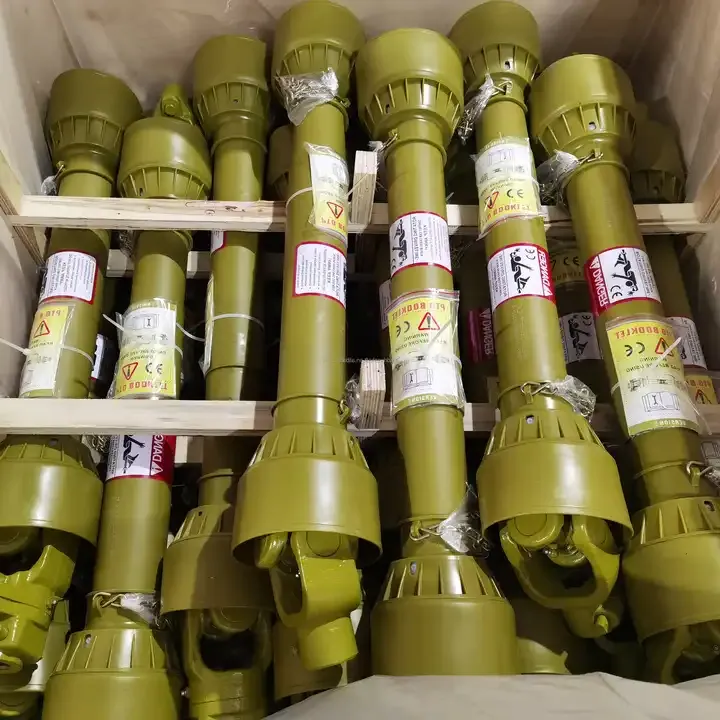
In Germany, the Machinery Directive 2006/42/EC governs equipment safety, requiring drive shafts to meet EN ISO 5674 standards for guards and torque limits. This ensures protection against entanglements in agricultural settings, with regular inspections mandated under the German Occupational Safety Act (ArbSchG). Non-compliance can lead to fines, emphasizing the need for certified components in greenhouses.
Neighboring Netherlands follows similar EU directives, supplemented by the Dutch Commodities Act for environmental safety. Shafts must comply with noise and vibration limits to protect workers, as per the Working Conditions Decree. In high-density greenhouse areas, adherence prevents operational shutdowns.
France enforces the same EU framework, with additional focus on the Labor Code for ergonomic designs. Regulations like NF EN 12965 specify shielding requirements, crucial for safe use in ventilated greenhouses. In the U.S., OSHA standards (29 CFR 1910.219) mandate guards, while California adds air quality rules affecting powered equipment.
These laws promote safe, efficient operations, encouraging buyers to verify certifications when procuring drive shafts for greenhouse machinery.
Specifications Table: Compatibility and Accessories
| Parameter | Value Range | Description |
|---|---|---|
| Spline Type | 6-21 teeth | Matches common motor outputs. |
| Guard Type | Plastic or metal | For safety compliance. |
| Accessories | Torque limiters, yokes | Enhance protection and fit. |
| Compatibility | Various brands (for reference only, independent manufacturer) | Fits multiple greenhouse systems. |
| Certification | CE, ISO | Meets EU standards. |
Why Choose Us for Your Greenhouse Drive Shaft Needs
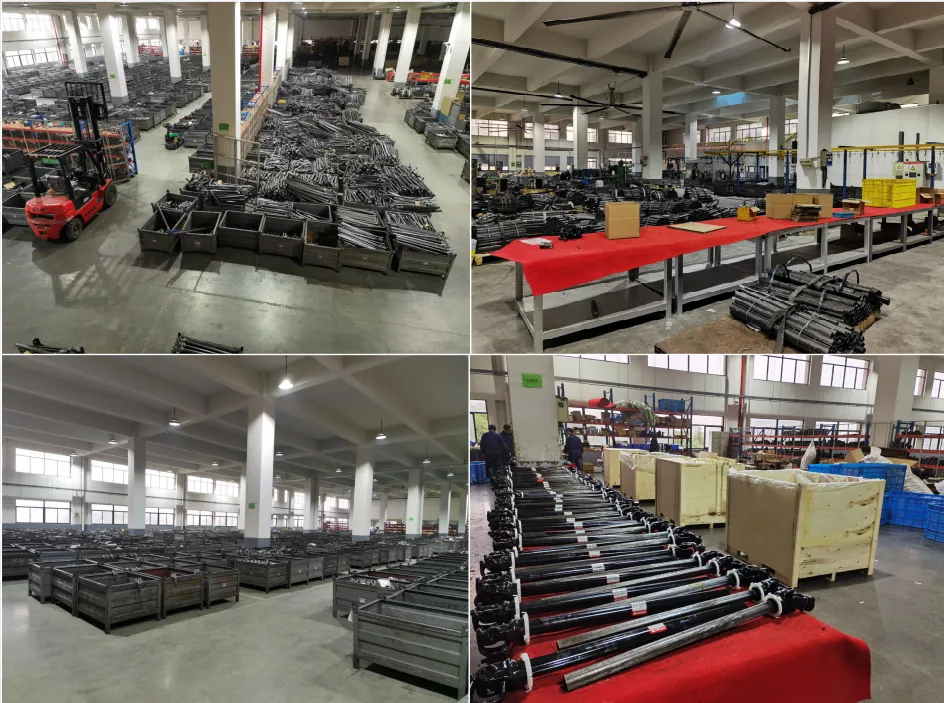
Selecting the right supplier means prioritizing quality, support, and value. Our drive shafts are engineered for the rigors of greenhouse environments, offering unmatched durability and performance. With a focus on precision manufacturing, we ensure each component meets stringent standards, reducing failures and enhancing efficiency. Discover more about our range of industrial drive shafts tailored for demanding applications.
We provide expert guidance on selection and installation, backed by years of industry experience. Competitive pricing without compromising on materials makes us a preferred choice. For custom requirements or bulk orders, our team is ready to assist. If you’re ready to enhance your setup, get in touch today to request a quote on greenhouse-compatible drive shafts.
Our commitment extends to after-sales support, including maintenance tips and spare parts availability. This holistic approach ensures long-term satisfaction for greenhouse operators across Europe and beyond.

Frequently Asked Questions
- What torque capacity should I select for my greenhouse ventilation system?
- Choose based on motor output and load; typically 800-1500 Nm covers most medium-scale setups. Factor in peak demands during high winds or heavy shading operations to avoid overloads. Consult load charts for precise matching, ensuring safety margins of at least 20%.
- How do I ensure compliance with German safety regulations?
- Verify CE marking and adherence to EN ISO 5674 for guards. Regular inspections under ArbSchG are required; incorporate shear bolts for overload protection. Documentation from suppliers should confirm material standards and testing protocols.
- Can these drive shafts be customized for length?
- Yes, telescopic designs allow adjustments from 800 mm collapsed to extended positions. Measure your equipment span accurately, maintaining at least 1/3 overlap for stability. Custom cuts are available, but professional installation is recommended to preserve balance.
- What maintenance is needed in humid greenhouse environments?
- Lubricate joints every 50 hours, inspect for corrosion quarterly. Clean debris from guards and check alignments to prevent vibrations. In high-humidity areas, opt for sealed units to extend intervals up to 100 hours.
- Are they compatible with non-German brands? (For technical reference only, independent manufacturer)
- Standard spline profiles ensure fit with various systems like those from Comer or GKN equivalents. Verify yoke dimensions and torque ratings for seamless integration. Always test under load to confirm performance without modifications.