
Grape harvesting machines rely on robust power transmission components to handle demanding vineyard conditions. In Germany, where vineyards span regions like Mosel and Rheingau, selecting the right PTO shaft ensures smooth operation during peak seasons. These shafts connect tractors to harvesters, transferring power efficiently while accommodating angles and vibrations typical in uneven terrain. Operators often seek durable options that minimize downtime, especially with strict harvest windows. If you’re looking to upgrade your equipment, exploring reliable PTO shaft options can boost productivity.
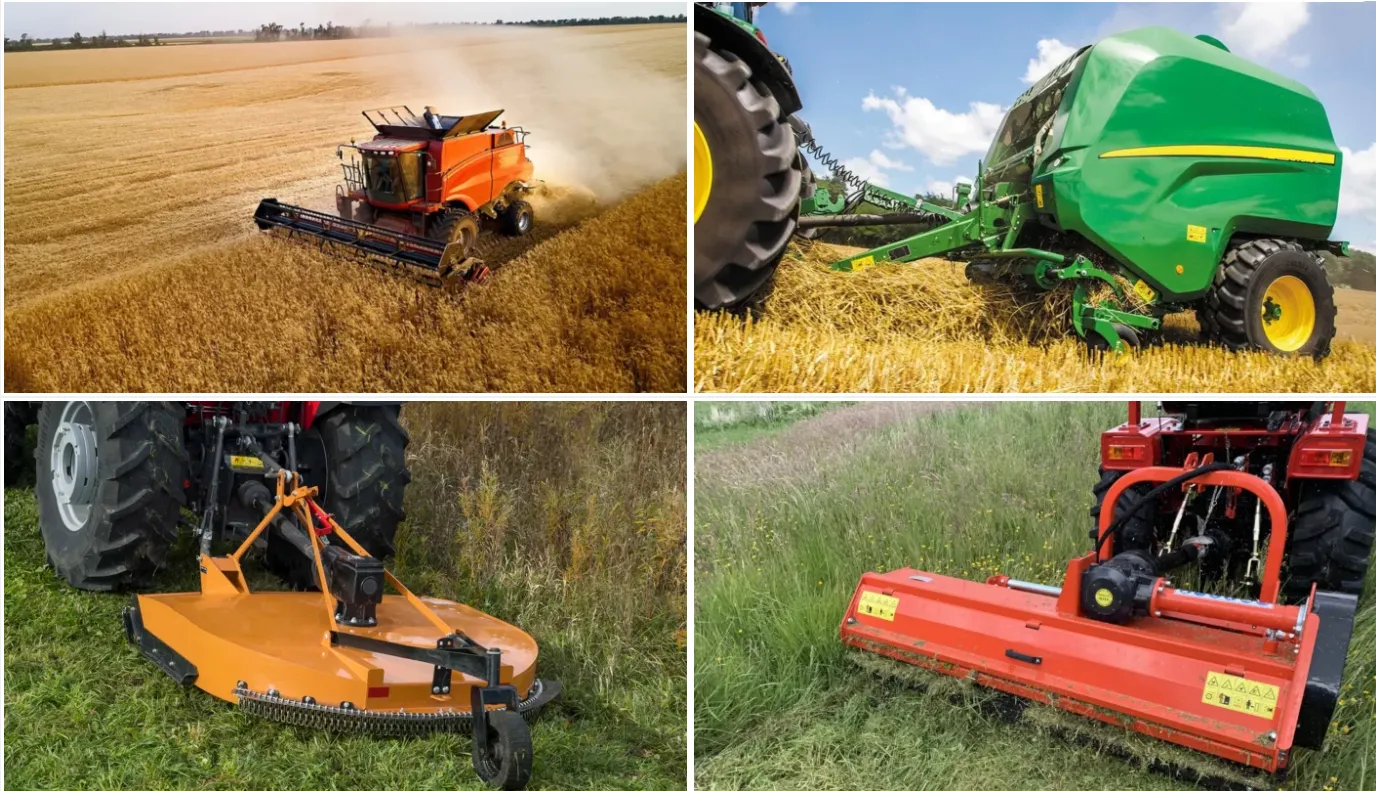
Key Features of PTO Shafts for Grape Harvesters
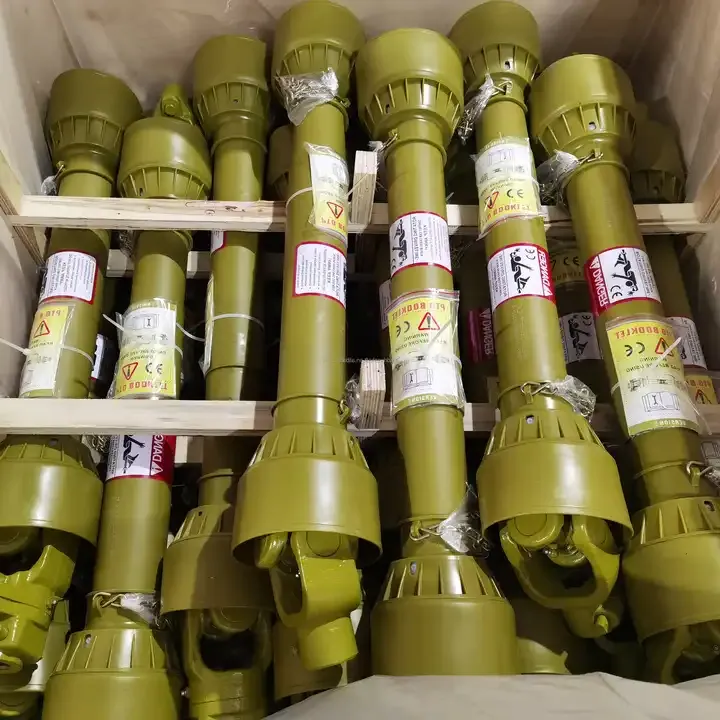
These shafts are engineered for flexibility and strength, crucial in grape harvesting where machines navigate tight rows. Materials like high-grade steel resist corrosion from moist vineyard environments, extending service life. Quick-connect yokes simplify attachment, saving time during setup. Safety guards prevent entanglement, aligning with operational needs in busy fields.
Torque limiters protect against overloads, common when harvesters encounter dense vines. Vibration damping reduces wear on connected machinery, ensuring consistent performance. Custom lengths adapt to various tractor models, making them versatile for different setups. Maintenance is straightforward with grease fittings for regular lubrication.
In regions with hilly terrain, wide-angle joints allow for sharper turns without power loss. Heat-treated components withstand prolonged use under sunny conditions. These attributes make them ideal for professional viticulturists aiming for efficiency.
- Corrosion-resistant coatings for longevity in damp climates.
- Balanced design to minimize vibrations during high-speed operations.
- Compatible with multiple spline types for easy integration.
Overall, these features address common challenges in grape harvesting, from power delivery to equipment protection. Operators in Germany appreciate how they enhance machine reliability, reducing unexpected repairs.
Technical Specifications Overview
| Parameter | Value |
|---|---|
| Torque Capacity | Up to 1500 Nm |
| Length Range | 800-1500 mm |
| Spline Type | 1 3/8″ 6-spline |
| Material | High-strength alloy steel |
| Operating Angle | Up to 25 degrees |
| Weight | 15-25 kg |
These specs cater to standard grape harvesters, ensuring compatibility with common tractors. Torque ratings handle heavy loads from fruit collection, while length options fit various machine sizes.
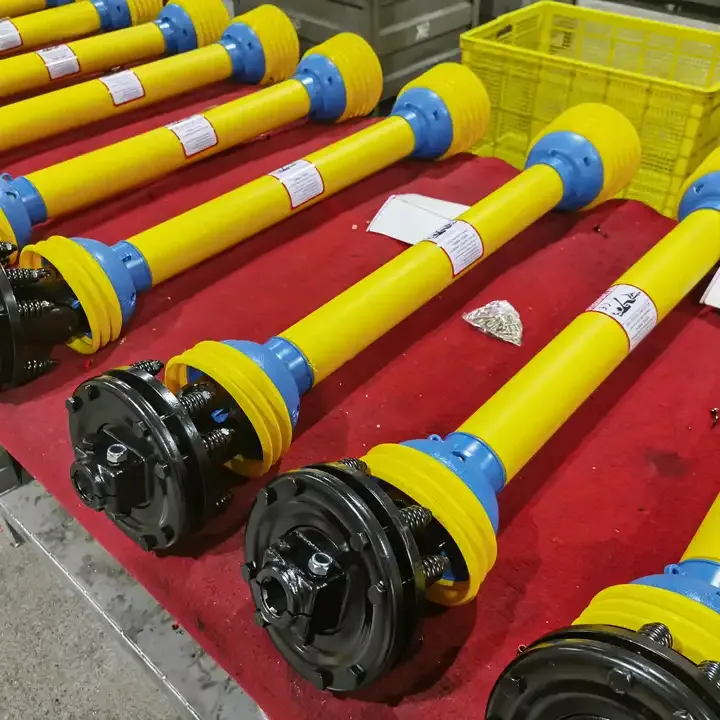
Working Principle and Design
The shaft transfers rotational power from the tractor’s engine to the harvester’s mechanisms. Universal joints at each end allow flexibility, compensating for misalignment during movement. Telescopic sections adjust length, accommodating turns in vineyard rows.
Power flows through the inner tube to the outer, with splines ensuring secure grip. Limiters disengage under excessive torque, safeguarding components. This design supports continuous operation in variable conditions.
In practice, the system maintains constant velocity, vital for even harvesting. Engineers focus on balance to reduce stress on bearings. Such principles ensure reliable performance across seasons.
- Connect shaft to tractor PTO output.
- Engage power, monitoring for smooth rotation.
- Disengage if unusual noise occurs.
This approach minimizes energy loss, optimizing fuel use in extensive vineyards. Users value the straightforward mechanics for quick field adjustments.
Advanced Performance Specifications
| Parameter | Value |
|---|---|
| Max RPM | 540-1000 |
| Joint Type | Wide-angle CV |
| Limiter Type | Friction clutch |
| Guard Material | Reinforced plastic |
| Corrosion Resistance | Galvanized coating |
| Durability Rating | Over 10,000 hours |
Higher RPM capabilities suit modern harvesters, while CV joints provide steady power. Friction clutches offer adjustable protection levels.
Application Cases in Key Regions
In Germany, vineyards along the Rhine use these shafts in self-propelled harvesters, handling steep slopes effectively. One operation in Baden-Württemberg reported 20% fewer breakdowns after switching, attributing it to better torque management during long hours.
France’s Bordeaux region employs them in tractor-towed units, where wet soils demand reliable power transfer. A cooperative noted improved efficiency in collecting Pinot Noir, with shafts enduring mud without slippage.
In Italy’s Tuscany, Chianti producers integrate them into compact machines for narrow rows. Feedback highlights reduced vibration, aiding precise fruit shaking and minimizing damage to vines.
Spain’s Rioja area benefits from their adaptability in hot climates, with one farm extending harvest sessions by hours due to heat-resistant designs. These real-world uses demonstrate versatility across European wine-growing zones.
Regulatory Compliance in Major Markets
Germany enforces DIN standards for agricultural machinery, requiring shafts to meet vibration and safety thresholds. EU Directive 2006/42/EC mandates guards and limiters, ensuring operator protection in vineyards.
In France, AFNOR norms align with these, emphasizing durability testing. Italy follows UNI regulations, focusing on environmental impact during harvests.
Spain adheres to UNE standards, incorporating noise limits. Compliance aids in seamless operations, avoiding fines and enhancing safety.
Detailed Compatibility Specifications
| Parameter | Value |
|---|---|
| Yoke Type | Quick disconnect |
| Tube Profile | Lemon or triangular |
| Cross Kit Size | 27×74.6 mm |
| Lubrication Interval | Every 8 hours |
| Warranty Period | 1 year |
| Certification | CE marked |
Quick disconnect yokes speed up connections, while profiles ensure torque transfer. CE certification confirms adherence to European safety rules.
Advantages in Vineyard Operations
Enhanced durability cuts replacement costs, vital for seasonal work. Efficient power use lowers fuel consumption, benefiting large estates.
Easy maintenance keeps machines running, maximizing harvest yields. Compatibility with various brands simplifies fleet management.
Safety features reduce accident risks, promoting worker confidence. These benefits align with modern farming demands for reliability and cost savings.

Why Choose Our PTO Shafts
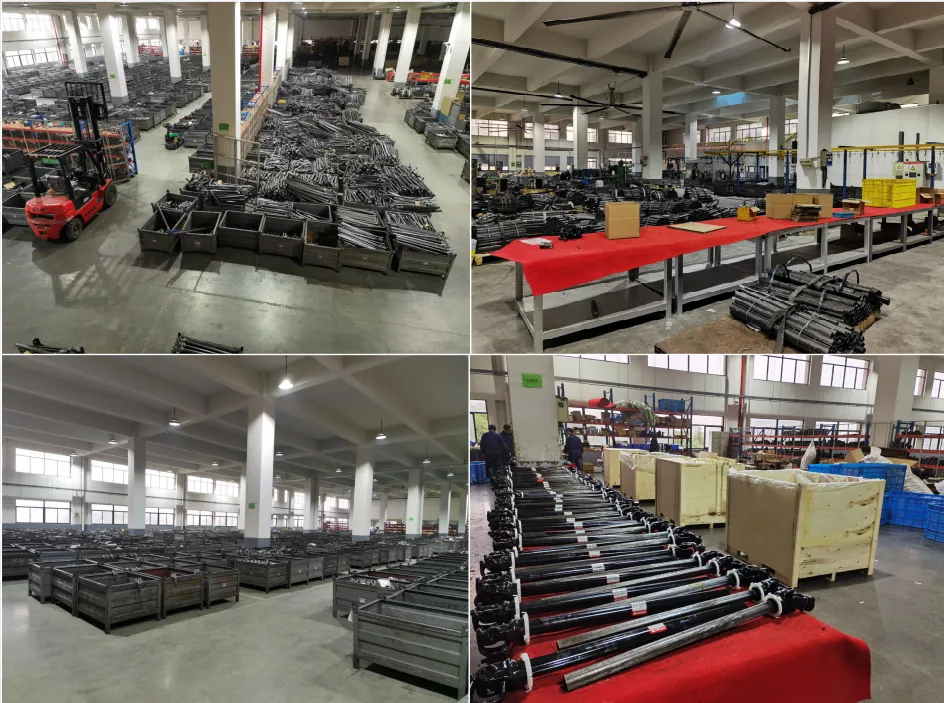
Our shafts stand out for their precision engineering and field-tested performance. We prioritize quality materials that endure harsh conditions, ensuring your harvester operates without interruptions. With a focus on user needs, we offer options that fit seamlessly into existing setups. Get in touch for custom PTO shaft solutions tailored to your vineyard.
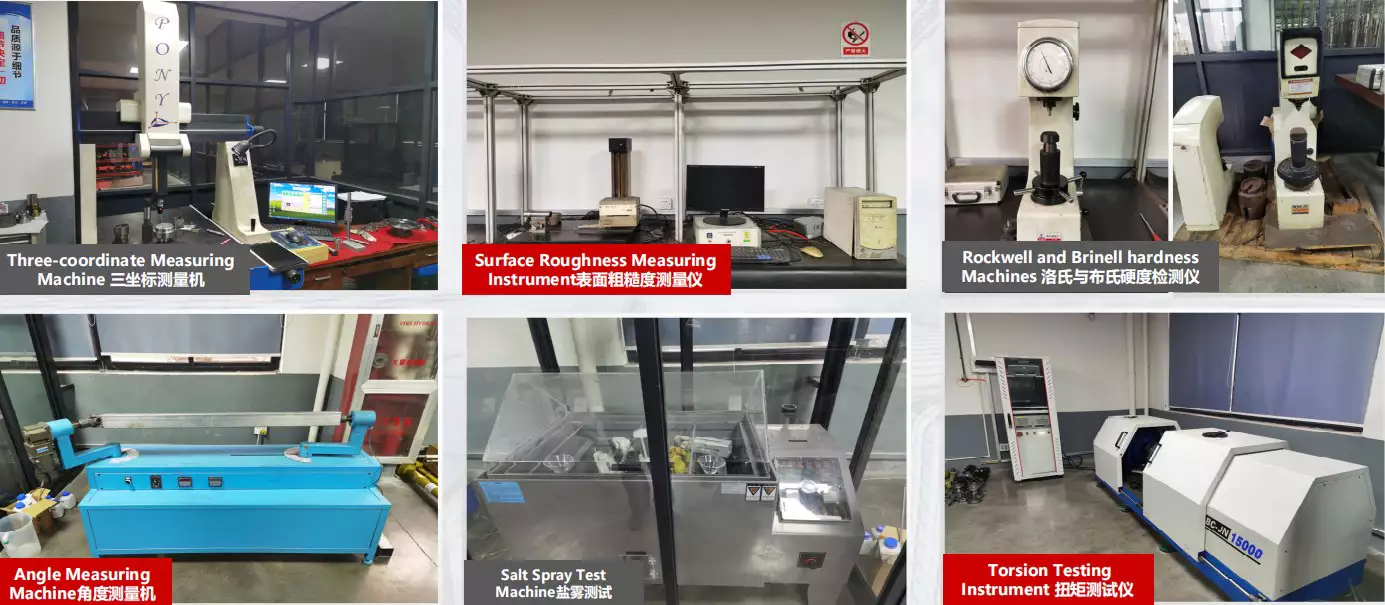
Competitive pricing without compromising standards makes us a preferred choice. Explore more on our main page for PTO shaft varieties suited for grape harvesting machines.
Frequently Asked Questions
What torque capacity is recommended for grape harvesters?
For standard models, aim for 1200-1500 Nm to handle dense vines and uneven ground. This range prevents overloads during peak loads, extending component life. Check your machine’s manual for exact matches, and consider environmental factors like soil type.
How do I maintain a PTO shaft in humid vineyard conditions?
Regular greasing every 8 hours prevents rust buildup. Inspect guards for cracks after each use, and store indoors during off-seasons. In areas with high moisture, apply anti-corrosion sprays. This routine keeps operations smooth and avoids costly downtime.
Are these shafts compatible with older German harvester models?
Yes, with standard spline sizes like 1 3/8″ 6-spline, they fit many legacy machines. Verify yoke types before purchase. Upgrading enhances efficiency without full overhauls, suitable for mixed fleets in traditional vineyards.
What safety regulations apply in Germany for these shafts?
DIN EN ISO 5674 requires integral guards and torque limiters. Compliance ensures safe handling, reducing entanglement risks. Annual inspections align with EU machinery directives, promoting secure harvests.
How does a wide-angle joint benefit grape harvesting?
It allows up to 25-degree turns without power interruption, ideal for narrow rows. This feature improves maneuverability on slopes, boosting overall productivity. Operators report fewer stops, leading to higher daily yields.