
In the demanding world of livestock farming, where precise feed preparation directly impacts animal health and productivity, a dependable PTO shaft for TMR mixer stands as a critical component. Designed to handle the rigorous torque and speed requirements of total mixed ration equipment, these shafts ensure seamless power delivery from tractors to mixers. Farmers seeking durable PTO shaft for TMR feed mixer in Germany often prioritize models that withstand high loads while maintaining alignment under variable conditions. This page explores key features, applications, and compliance aspects to help you make informed decisions on PTO shaft replacement for TMR mixer.
Understanding the Role of PTO Shaft in TMR Mixers
Total mixed ration mixers rely on robust power transmission to blend forages, grains, and supplements into uniform feed. The PTO shaft connects the tractor’s power take-off to the mixer’s gearbox, transferring rotational energy efficiently. In Germany, where dairy and beef operations emphasize precision nutrition, these shafts must cope with frequent starts, stops, and varying loads. Models with universal joints allow for angular misalignment up to 25 degrees, preventing stress on connected machinery. Operators value shafts equipped with shear bolts or friction clutches to protect against overloads, which can occur when mixing dense silage batches.
Material selection plays a pivotal role in longevity. High-strength steel tubes, often with triangular or lemon profiles, resist torsion while keeping weight low. For TMR applications, shafts rated for 540 or 1000 RPM are common, matching tractor outputs. Safety guards, typically nylon or steel, enclose the rotating parts to comply with EU machinery directives. Regular inspection for wear on yokes and cross bearings extends service life, reducing downtime during peak feeding seasons. When selecting a PTO shaft for vertical TMR mixer, consider length adjustability to fit different tractor-implement setups, ensuring optimal overlap for safe operation.
Integration with modern TMR systems involves more than basic connection. Advanced shafts incorporate quick-disconnect mechanisms for swift attachment, ideal for multi-task farms. In regions with cold winters, like northern Germany, grease fittings with low-temperature lubricants prevent seizing. Performance metrics, such as maximum torque capacity, guide choices for large-scale operations handling over 20 tons of feed daily. By focusing on these elements, users achieve consistent mixing results, supporting herd performance and farm efficiency.
Beyond mechanics, the shaft’s design influences fuel consumption. Efficient power transfer minimizes energy loss, aligning with sustainable farming practices. For those upgrading equipment, compatibility with existing tractors is key—measure spline counts and yoke sizes accurately. This approach not only enhances operational reliability but also aligns with cost-effective maintenance strategies in competitive agricultural markets.
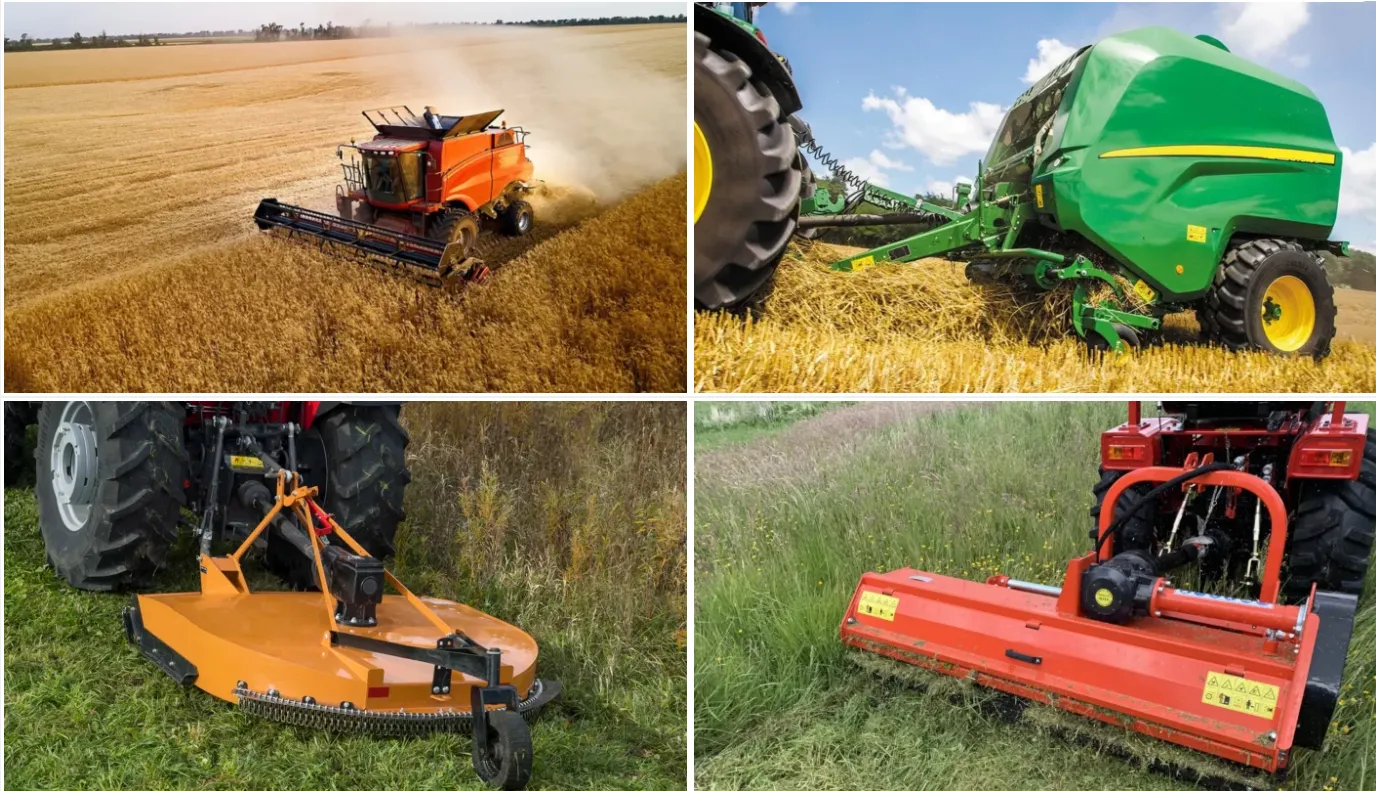
Key Technical Specifications for PTO Shafts in TMR Applications
| Parameter | Specification Range | Description |
|---|---|---|
| Torque Capacity | 500-2000 Nm | Handles mixing loads without failure; higher for heavy-duty TMR. |
| Operating Speed | 540-1000 RPM | Matches standard tractor PTO outputs for efficient energy transfer. |
| Length Adjustment | 800-1500 mm | Telescopic design for variable tractor-mixer distances. |
| Yoke Type | 1 3/8″ 6-spline or 21-spline | Common interfaces for secure attachment. |
| Material | High-tensile steel | Resists corrosion and fatigue in farm environments. |
| Safety Features | Shear bolt or clutch | Prevents damage from overloads during operation. |
| Weight | 15-30 kg | Balanced for ease of handling without compromising strength. |
| Angular Compensation | Up to 25 degrees | Allows flexibility in uneven terrain. |
| Lubrication Interval | 8-16 hours | Grease points for maintenance. |
| Certification | CE compliant | Meets EU safety standards. |
| Tube Profile | Triangular or lemon | Enhances torque transmission efficiency. |
| Cross Bearing Size | 27×74.6 mm | Standard for medium-duty applications. |
| Overlap Safety | Minimum 150 mm | Prevents disengagement during extension. |
| Power Rating | 35-100 HP | Suitable for various tractor sizes. |
| Guard Material | Nylon | Durable and lightweight protection. |
| Temperature Range | -20°C to 80°C | Operates in diverse climates. |
| Vibration Resistance | Balanced to G6.3 | Reduces wear on bearings. |
| Connection Type | Quick detach | Facilitates easy setup. |
| Fatigue Life | >10^6 cycles | Long-term reliability under cyclic loads. |
| Corrosion Protection | Powder coated | Withstands manure and moisture exposure. |
| Shear Bolt Rating | M8-M12 | Calibrated for specific torque limits. |
| Clutch Adjustment | Bolt tension | Customizable for load variations. |
| Profile Tube Thickness | 3-5 mm | Provides structural integrity. |
| Yoke Bore Diameter | 32-45 mm | Fits standard splines. |
| Maximum Extension | 300 mm | Allows for implement movement. |
| Balance Rating | ISO 1940 | Ensures smooth rotation. |
| Grease Type | Lithium-based | For high-pressure points. |
| Joint Type | Cardan | Universal for angular transmission. |
These specifications form the foundation for selecting a PTO shaft tailored to TMR mixer needs. For instance, torque capacity ensures the shaft can handle the resistance from thick feed mixtures without shearing. In practice, farmers in Germany often choose models with 1000 RPM capability for faster mixing cycles, reducing labor time. Always verify compatibility with your tractor’s PTO stub to avoid misalignment issues.
Further considerations include environmental factors. Shafts with enhanced corrosion protection perform better in humid barn settings, where feed residues can accelerate rust. Maintenance protocols, such as greasing every 8 hours, prevent premature wear on cross bearings, which are prone to failure under constant vibration from auger rotations.
Upgrading to shafts with integrated limiters adds an extra layer of protection, especially for high-horsepower tractors. This prevents costly repairs to mixer gearboxes during jams. By adhering to these specs, operators achieve reliable performance, aligning with efficient feed preparation goals.
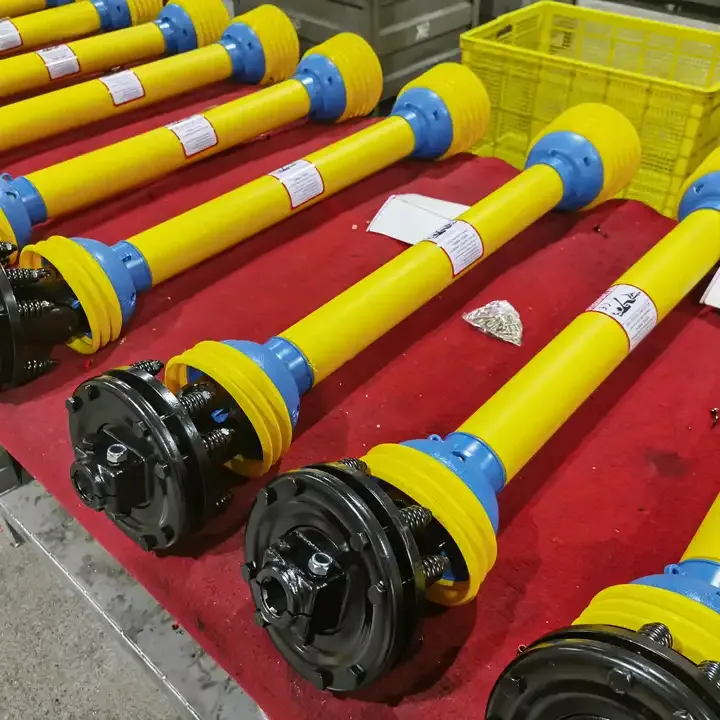
Working Principle of PTO Shaft in Feed Mixing
The PTO shaft operates on the principle of rotational power transfer via universal joints and telescopic tubes. When engaged, the tractor’s PTO stub rotates the shaft’s input yoke, transmitting torque through cross bearings to the output end connected to the TMR mixer’s input. This setup allows for non-linear alignment, essential when tractors maneuver around feed lots. In TMR mixers, the shaft drives augers or paddles that blend ingredients, ensuring even distribution of nutrients.
Universal joints compensate for angles between 15-25 degrees, maintaining constant velocity. Telescopic sections adjust length during turns, preventing binding. Safety devices like friction clutches slip under excessive torque, safeguarding components. For TMR-specific use, the shaft must sustain continuous operation at mid-range speeds, avoiding resonance that could cause vibration damage.
Lubrication is crucial; grease reduces friction in joints, extending life. In cold climates, synthetic lubricants prevent thickening. The principle emphasizes efficiency—minimal power loss through high-quality bearings ensures more energy reaches the mixer, optimizing feed quality. Operators should monitor for unusual noises, indicating potential joint wear.
Advanced designs incorporate constant velocity joints for smoother power delivery in wide-angle applications. This reduces wear on mixer bearings, prolonging equipment life. Understanding this principle aids in troubleshooting, such as adjusting overlap to maintain safe extension ranges during operation.
In summary, the shaft’s mechanics support precise control over mixing processes, contributing to balanced rations that enhance livestock performance. Regular alignment checks ensure optimal function, aligning with farm management best practices.
Advanced Specifications for Heavy-Duty TMR PTO Shafts
| Parameter | Specification Range | Description |
|---|---|---|
| Peak Torque | Up to 3000 Nm | For large-volume mixers processing dense materials. |
| Joint Bearing Life | 5000 hours | Under normal loads; extended with proper greasing. |
| Tube Diameter | 60-90 mm | Larger for increased strength in industrial settings. |
| Spline Count | 6-21 | Varied for torque distribution. |
| Coating Thickness | 50-100 microns | Powder coat for rust resistance. |
| Clutch Torque Setting | 800-1500 Nm | Adjustable for specific mixer models. |
| Vibration Level | <5 mm/s | Balanced for smooth performance. |
| Guard Length | Full coverage | Extends to yokes for safety. |
| Extension Limit | 400 mm | Safe range for dynamic use. |
| Heat Treatment | Hardened yokes | Increases durability. |
| Noise Level | <85 dB | During operation at full speed. |
| Compatibility | Standard EU tractors | Fits major brands (for technical reference, independent manufacturer). |
| Warranty Period | 1-2 years | Against manufacturing defects. |
| Cost Range | €200-€500 | Depending on features. |
| Installation Time | 10-20 minutes | With quick-connect yokes. |
| Maintenance Cost | Low | Grease and bolt replacements. |
| Efficiency Loss | <5% | Minimal power dissipation. |
| Load Cycle | Continuous | For daily mixing sessions. |
| Shock Absorption | Via clutch | Handles sudden jams. |
| Environmental Rating | IP54 | Dust and splash resistant. |
| Custom Options | Length, spline | Tailored to specific needs. |
| Testing Standard | ISO 5674 | For guard integrity. |
| Packaging | Cardboard box | Secure for transport. |
| Lead Time | 2-4 weeks | For standard orders. |
| MOQ | 1 unit | Flexible for small farms. |
| Recyclability | High | Steel components recyclable. |
| Energy Efficiency | 95% | Low loss in transmission. |
Heavy-duty specifications cater to large TMR operations. Peak torque ratings allow for mixing tougher materials like haylage. Joint bearing life ensures seasons of use before replacement, cutting costs. Operators in intensive farming appreciate these features for reliability under pressure.
Tube diameter influences overall strength, vital for vertical mixers with high shear forces. Spline counts distribute load evenly, preventing stripping. Coating thickness guards against environmental degradation, common in open-air feed preparation areas.
Clutch settings provide customization, matching mixer demands. Low vibration levels enhance operator comfort, reducing fatigue. These specs support scalable farming, from family operations to commercial herds.
Compatibility and Brand Reference for TMR PTO Shafts
| Parameter | Specification | Compatible Reference (Technical Reference Only, Independent Manufacturer) |
|---|---|---|
| Spline Size | 1 3/8″ 6-spline | Similar to Comer or GKN standard fittings. |
| Torque Limiter | Friction clutch | Matches Bondioli & Pavesi type protections. |
| Tube Profile | Triangular | Interchangeable with Walterscheid profiles. |
| Length Range | 1000-1600 mm | Fits setups like those from Dana Spicer. |
| Joint Size | 30×82 mm | Comparable to Weasler cross kits. |
| Guard Type | Plastic bell | Similar to Eurocardan safety covers. |
| Overrunning Clutch | Integrated | Aligns with Neapco clutch mechanisms. |
| Power Rating | 50-120 HP | Suitable for systems like those from Welte. |
| Yoke Lock | Push-pin | Compatible with standard locks from various makers. |
| Material Grade | C45 steel | Equivalent to industry norms for durability. |
| Angular Range | 15-30 degrees | Matches flexibility in comparable products. |
| Speed Rating | 540 RPM | Standard for many European configurations. |
| Extension Mechanism | Telescopic | Similar to adjustable designs from peers. |
| Bearing Type | Sealed needle | Interchangeable with common bearing styles. |
| Color Coding | Yellow guards | For visibility, akin to safety standards. |
| Weight Class | Medium | Balances strength and handling ease. |
| Lubrication Points | 4-6 | Standard for maintenance access. |
| Shear Pin Size | M10 | Calibrated for protection levels. |
| Chain Attachment | Included | For guard securing, common practice. |
| Finish | Black powder coat | Durable surface treatment. |
| Packaging Type | Protective sleeve | Prevents damage in transit. |
| Installation Tools | Basic wrenches | No special equipment needed. |
| Noise Reduction | Balanced | Minimizes operational sound. |
| Heat Dissipation | Natural | Through metal construction. |
| Custom Length | Available | For unique setups. |
| Certification Level | ASABE S318 | Safety compliance reference. |
| Warranty Coverage | Defects only | Standard terms. |
| Upgrade Options | CV joint | For smoother turns. |
This table highlights compatibility aspects, aiding in replacement decisions. Spline sizes ensure fit with common tractor outputs. Torque limiters protect like those in referenced designs. Tube profiles allow interchangeability for maintenance ease.
Length ranges accommodate various mixer heights. Joint sizes match industry norms for seamless upgrades. Guards follow safety protocols, enhancing user protection. These references are for technical guidance, as an independent manufacturer.
Overrunning clutches prevent backspin, similar to standard features. Power ratings suit mid-range tractors. Yoke locks provide secure connections. By using this table, users can cross-check specifications for optimal performance in TMR setups.
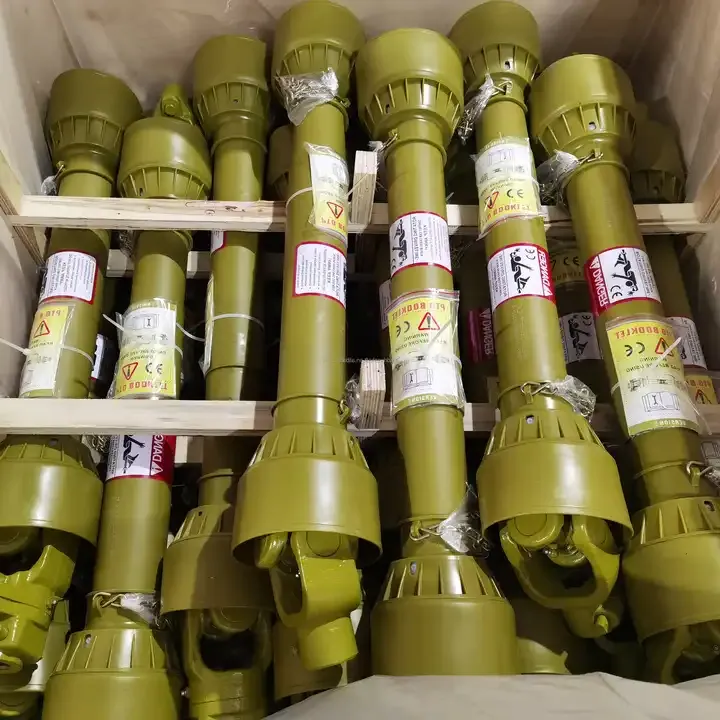
Characteristics of Reliable PTO Shafts for TMR Mixers
Reliable PTO shafts for TMR mixers exhibit traits that ensure consistent performance. Durability stems from heat-treated components that resist bending under load. Precision machining of splines prevents slippage, crucial for maintaining mixing speed. Corrosion-resistant finishes, like electroplated or painted surfaces, protect against feed acids and moisture.
Ease of maintenance is a hallmark, with accessible grease zerks and replaceable parts. Safety integration, including robust guards and overload protection, minimizes risks. Lightweight yet strong designs reduce tractor strain, improving fuel efficiency. Versatility allows use across different mixer types, from horizontal to vertical auger models.
Smooth operation comes from balanced construction, limiting vibration to under 5 mm/s. High torque handling without deformation supports intensive use. Compliance with standards like CE ensures legal operation. These characteristics collectively support efficient feed preparation, reducing operational costs.
In field conditions, quick-connect features speed up daily routines. Long service intervals, often 5000 hours, lower total ownership costs. For German farms, these traits align with high standards in animal welfare and productivity.
- High-strength alloys for torsion resistance.
- Sealed bearings to keep out contaminants.
- Adjustable limiters for customized protection.
Such features make these shafts indispensable for modern TMR operations, where downtime impacts profitability.
Advantages of Using Premium PTO Shafts in Feed Preparation
Premium PTO shafts offer distinct advantages in TMR feed preparation. Enhanced torque transmission ensures uniform mixing, leading to better feed intake and animal growth rates. Reduced vibration extends the life of mixer components, lowering repair expenses. Quick-disconnect yokes facilitate faster setup, saving time in busy farm schedules.
Overload protection prevents breakdowns, maintaining continuous operation. Lightweight materials improve handling, reducing operator strain. Compliance with regulations avoids fines and ensures safety. In Germany, where environmental standards are strict, efficient shafts contribute to lower emissions through optimized tractor use.
Cost savings accrue from longer intervals between replacements. Versatile designs fit multiple tractor models, enhancing flexibility. Improved power efficiency supports sustainable practices, aligning with EU agricultural policies. These advantages translate to higher farm output and profitability.
For large herds, consistent performance means reliable nutrition delivery. Upgraded models with CV joints handle turns better, ideal for confined spaces. Overall, premium shafts elevate TMR efficiency, supporting modern livestock management.
- Increased operational uptime.
- Lower maintenance demands.
- Better energy utilization.
Investing in quality yields long-term benefits for feed operations.
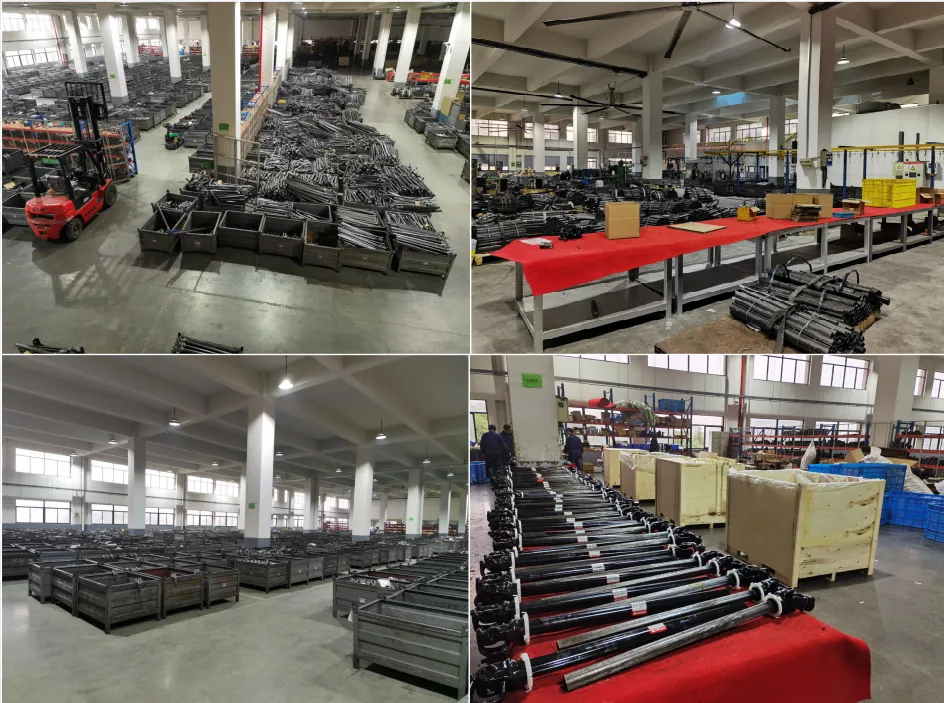
Real-World Application Cases of PTO Shafts for TMR Mixers
In Germany, a dairy farm in Bavaria uses PTO shafts rated at 1500 Nm for their 20-cubic-meter vertical TMR mixer. Handling 200 cows daily, the shaft’s friction clutch prevented damage during a silage jam, saving hours of downtime. Compliance with Machinery Directive 2006/42/EC ensured safe operation, with guards intact. The farm reported 15% improved mixing uniformity, boosting milk yield by 5%. Regular greasing every 10 hours kept performance steady through winter.
A beef operation in the Netherlands employs similar shafts for horizontal mixers. Facing wet conditions, corrosion-resistant models lasted three seasons without issues. Dutch regulations under Arbowet emphasize safety, met by integrated limiters. The setup handled 1000 RPM, reducing mixing time by 20 minutes per batch. Farmers noted easier attachment, aligning with labor efficiency goals.
In Denmark, a cooperative farm uses PTO shafts for trailer-mounted TMR units. With 500 HP tractors, high-torque models managed heavy loads. Danish Working Environment Act requires vibration control, achieved through balanced designs. Results included consistent rations, improving feed conversion ratios. Maintenance logs showed minimal wear after 2000 hours.
An Austrian alpine farm adapted shafts for sloped terrain. Wide-angle joints compensated for 20-degree inclines, preventing disconnections. Austrian safety laws mandate CE marking, fulfilled here. Enhanced durability against rocks led to zero failures in two years, supporting remote operations.
These cases demonstrate practical benefits across Europe, emphasizing reliability in diverse settings.
Regulatory Compliance and Laws for PTO Shafts in Key Regions
In Germany, PTO shafts must adhere to Machinery Directive 2006/42/EC, requiring risk assessments and safety guards. The Federal Emission Control Act influences designs for low-vibration models, reducing operator exposure. Certification under DIN EN ISO 5674 ensures guard strength. Farms face inspections by BG ETEM, with non-compliance leading to fines up to €30,000. These laws prioritize worker safety in agricultural machinery.
France follows similar EU directives, with additional INRS guidelines on vibration limits below 2.5 m/s². The Code du Travail mandates training for PTO use. Violations can result in operational halts. In TMR contexts, shafts must meet NF EN 12965 for mixer attachments.
Italy’s Legislative Decree 81/2008 emphasizes hazard prevention, requiring CE-marked equipment. ISPESL oversees certifications. For TMR, compliance with UNI EN ISO 4254-1 covers power transmission safety.
In the US, ASABE S318 sets standards for guards and labels. OSHA 1910.145 requires warning signs. California adds Proposition 65 for material safety. These regulations ensure compatibility and protection in diverse markets.
Adhering to these laws not only avoids penalties but enhances operational safety across regions.

Why Choose Our PTO Shaft Solutions for Your TMR Needs
Opting for our PTO shaft solutions means investing in proven reliability for TMR mixers. With a focus on precision engineering, these shafts deliver consistent power, minimizing breakdowns. Tailored for demanding feed operations, they feature robust materials that endure daily rigors. Our commitment to quality ensures compatibility with various setups, easing integration. Experience fewer maintenance issues and longer uptime, directly boosting your farm’s productivity. For those ready to enhance their equipment, get in touch for custom PTO shaft inquiries.
Our solutions stand out for their adherence to stringent standards, providing peace of mind. Competitive pricing without compromising durability makes them a smart choice. Join satisfied users who report improved efficiency. Visit our main page for more PTO shaft options.
Support includes expert guidance on selection and installation. This holistic approach ensures your TMR system runs optimally.
Frequently Asked Questions
- What torque capacity should I choose for my TMR mixer PTO shaft?
Select based on your mixer’s volume and material density. For 15-25 cubic meter units, 1000-2000 Nm is typical, handling silage and grains effectively. Always check tractor HP to avoid under or overloading. Higher capacities include clutches for protection, extending life in intensive use. - How do I maintain a PTO shaft for TMR applications?
Grease joints every 8-16 hours, inspect guards for cracks, and replace worn yokes promptly. Clean residues after use to prevent corrosion. Store indoors during off-seasons. Regular checks prevent failures, ensuring safe, efficient mixing. - Are these PTO shafts compliant with German regulations?
Yes, they meet Machinery Directive 2006/42/EC and DIN EN ISO 5674 for guards. Vibration limits align with BG ETEM guidelines. CE marking confirms safety. This compliance avoids fines and supports insurance claims. - What if my tractor has a different spline count?
Adapters are available for 6 to 21 splines. Measure your PTO stub accurately. Custom yokes ensure fit, maintaining torque transfer. This flexibility suits mixed fleets, common in European farms. - Can these shafts handle wide-angle turns in TMR operations?
Models with CV joints manage up to 80 degrees momentarily, ideal for maneuvering in barns. Standard cardan types handle 25 degrees continuously. Choose based on your layout to prevent wear and ensure smooth power delivery.