
In the demanding world of German agriculture, where precision and durability define success, PTO shafts play a pivotal role in powering subsoilers. These essential components transmit power from tractors to implements, enabling deep soil tillage that improves root penetration and water absorption. Designed for heavy-duty operations, our PTO shafts ensure seamless performance in challenging terrains, helping farmers achieve optimal yields. Whether you’re dealing with compacted clay soils in Bavaria or sandy fields in Lower Saxony, selecting the right PTO shaft can make all the difference in your subsoiling tasks.
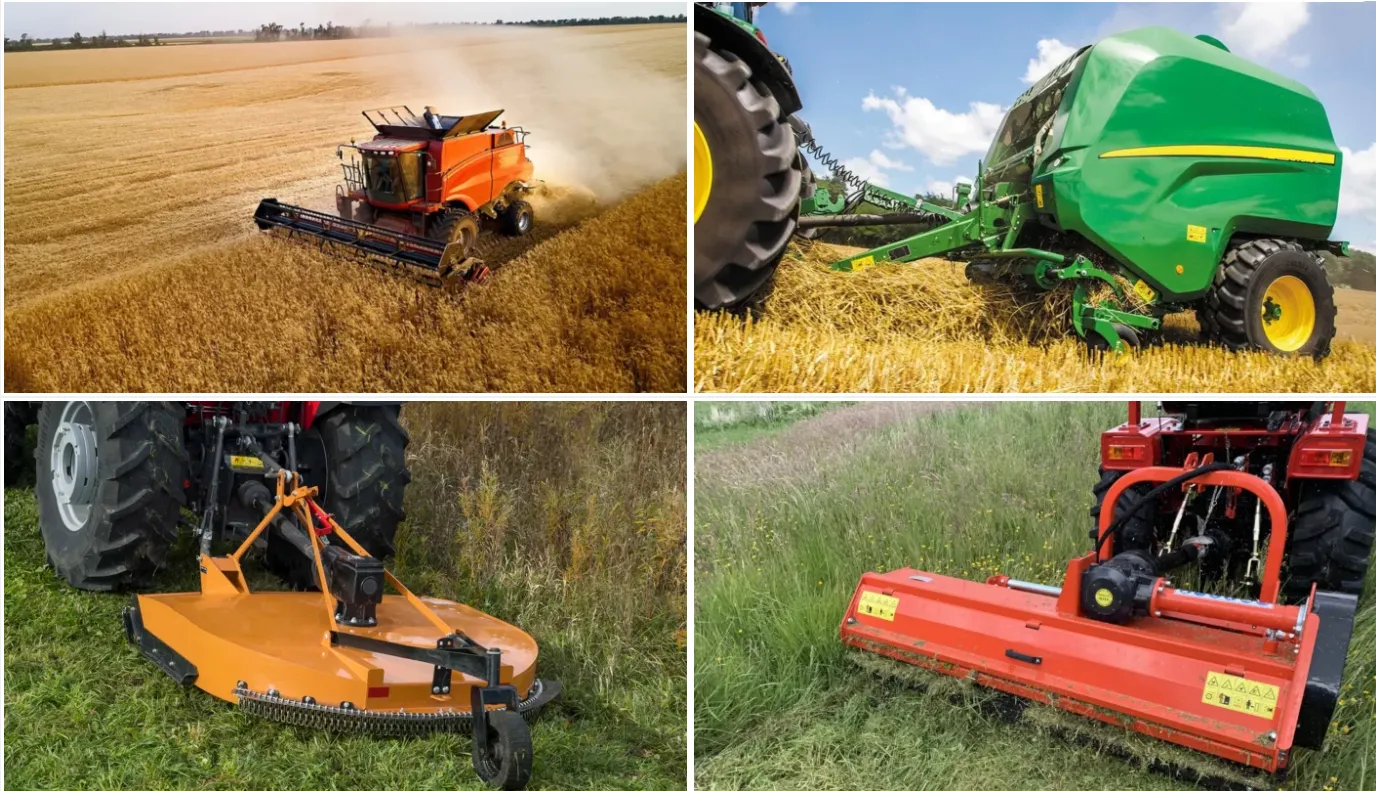
Understanding PTO Shafts in Subsoiler Applications
Subsoilers, commonly used in Germany to break up hardpan layers beneath the soil surface, rely on robust PTO shafts to handle high torque loads. These shafts connect the tractor’s power take-off to the subsoiler’s driveline, allowing for efficient energy transfer. In regions like Mecklenburg-Vorpommern, where large-scale farming predominates, PTO shafts must withstand continuous operation without failure. Key considerations include shaft length, which typically ranges from 1000mm to 1500mm for standard subsoilers, and spline configurations such as 1-3/8″ 6-spline or 21-spline ends to match common tractor models.
The material composition, often high-strength steel alloys like 42CrMo, provides resistance to bending and torsion. Farmers in Baden-Württemberg appreciate shafts with quick-disconnect yokes for easy attachment, reducing downtime during busy seasons. Torque ratings vary, but for subsoilers penetrating depths up to 600mm, a minimum of 500Nm is essential to avoid slippage under load. Proper lubrication intervals, every 8-10 hours of use, extend service life, aligning with German maintenance standards that emphasize preventive care.
Integration with safety features, such as shear bolts or slip clutches, protects against overloads common in stony soils found in Saxony. These mechanisms disengage when torque exceeds safe limits, preventing damage to both shaft and implement. For those seeking reliable PTO drive shafts for subsoilers, understanding these elements ensures long-term operational efficiency. In practice, shafts equipped with telescoping tubes accommodate varying distances between tractor and subsoiler, crucial for maneuverability in uneven fields.
- Adaptable to various subsoiler models, ensuring compatibility across brands.
- Enhanced with corrosion-resistant coatings for humid climates in northern Germany.
- Designed for minimal vibration, improving operator comfort during extended use.
Overall, investing in quality PTO shafts optimizes subsoiling outcomes, contributing to sustainable farming practices mandated by EU regulations. With Germany’s focus on precision agriculture, these components support data-driven decisions for soil health management.
Key Technical Specifications for PTO Shafts
| Parameter | Value Range | Description |
|---|---|---|
| Torque Capacity | 400-800 Nm | Handles deep tillage loads in compacted soils. |
| Length Adjustment | 800-1600 mm | Telescopic design for variable tractor-implement spacing. |
| Spline Type | 1-3/8″ 6 or 21 spline | Standard connections for German tractors. |
| Material | High-carbon steel | Ensures durability under high stress. |
| Weight | 15-25 kg | Balanced for ease of handling. |
These specifications cater to subsoilers operating at 540-1000 RPM, common in Hessian farmlands. Higher torque models suit multi-shank subsoilers, while lighter variants work for single-shank units in smaller plots. Compliance with DIN standards guarantees safety and performance.
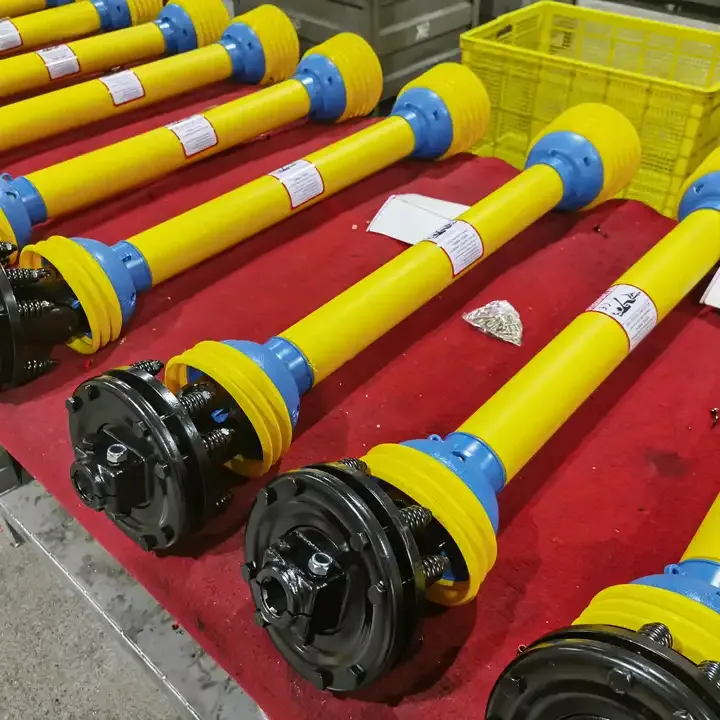
When evaluating PTO shafts for your subsoiler needs, consider environmental factors like moisture levels in Rhineland-Palatinate, which demand rust-proof finishes. Shafts with integrated limiters prevent overload, a frequent issue in rocky terrains.
Advanced models feature constant velocity joints for smoother power delivery at angles up to 25 degrees, ideal for turning maneuvers. This reduces wear on universal joints, extending overall lifespan to over 5000 hours with proper care.
For procurement, explore options that include warranty periods of 2-3 years, covering defects in manufacturing. Such assurances are vital for professional farmers relying on uninterrupted operations during peak seasons.
Working Principle of PTO Shafts in Subsoilers
The core function of a PTO shaft in subsoilers involves converting rotational energy from the tractor’s engine into mechanical force for soil disruption. Power flows through the shaft’s yokes and tubes, engaging the subsoiler’s tines to fracture subsurface layers. In German contexts, where soil compaction from heavy machinery is prevalent, this principle allows for aeration without inverting the soil profile, preserving topsoil structure.
Universal joints accommodate misalignment between tractor and implement, enabling flexible operation. Torque is transmitted via splined connections, with safety devices like friction clutches activating if resistance spikes, as seen in Brandenburg’s variable soil types. This mechanism safeguards against breakdowns, ensuring consistent depth control from 300mm to 700mm.
Telescoping sections adjust for length variations during lifts, maintaining efficiency. Heat-treated components resist fatigue, crucial for prolonged use in intensive farming areas like Schleswig-Holstein. Understanding this principle aids in selecting shafts that match horsepower ratings, typically 50-150 HP for standard subsoilers.
- Connect shaft to tractor PTO output.
- Engage clutch to initiate rotation.
- Monitor for vibrations indicating misalignment.
Practical applications demonstrate how this setup enhances drainage in waterlogged fields, complying with Germany’s water management laws. Regular inspections of cross bearings prevent premature wear, optimizing the shaft’s operational cycle.
Innovations include wide-angle designs for tighter turns, reducing field time. For those interested in upgrading, inquire about custom PTO drivelines for subsoilers to tailor solutions to specific needs.
Advanced Specifications for Heavy-Duty Use
| Parameter | Value Range | Description |
|---|---|---|
| Operating Speed | 540-1000 RPM | Matches tractor outputs for efficient power transfer. |
| Joint Angle | Up to 35 degrees | Allows flexibility in uneven terrain. |
| Safety Device | Slip clutch/shear bolt | Protects against overloads. |
| Tube Profile | Triangular/Lemon | Enhances torque transmission. |
| Lubrication Type | Grease fittings | Facilitates easy maintenance. |
Tailored for subsoilers in Thuringia, these specs support high-speed operations while minimizing energy loss. Wide-angle capabilities are particularly beneficial for articulated subsoilers.
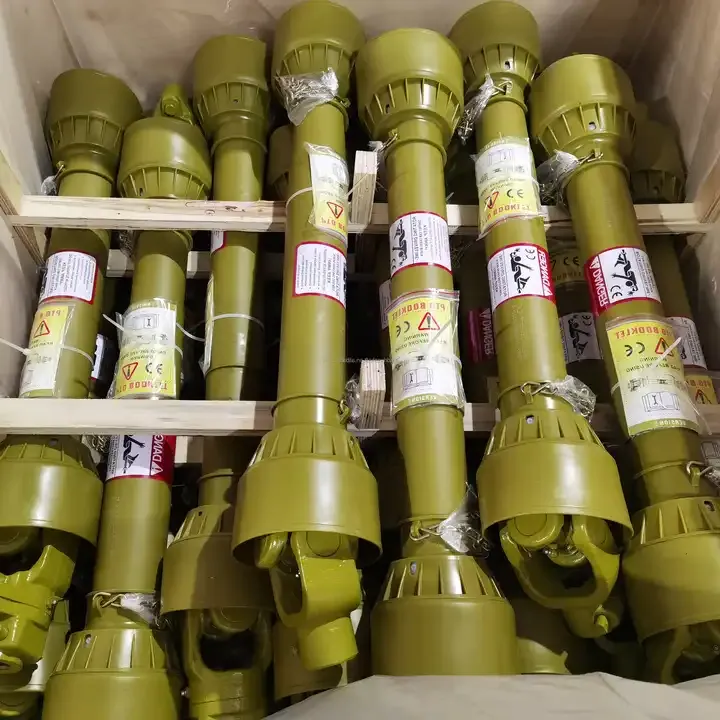
Shafts with enhanced sealing resist dust ingress, a common challenge in arid parts of Saxony-Anhalt. Calibration for specific RPM ensures peak performance without excessive wear.
For larger farms, models with higher RPM ratings accelerate subsoiling, covering more ground daily. This aligns with efficiency goals in modern German agriculture.
Installation and Maintenance Guidelines
Installing a PTO shaft on a subsoiler begins with aligning splines and securing yokes with locking pins. In Germany, adherence to machinery directives like Maschinenrichtlinie 2006/42/EG is mandatory, ensuring safe assembly. Start by measuring the required length, cutting if necessary while maintaining overlap for safety. Grease all fittings before connection to reduce friction.
Maintenance involves weekly checks for play in joints and tube cracks, especially after use in abrasive soils of North Rhine-Westphalia. Replace worn components promptly to comply with Arbeitsschutzgesetz safety laws. Annual professional inspections verify torque limiter functionality, preventing accidents.
Store shafts horizontally in dry conditions to avoid corrosion. For those buying PTO shafts for agricultural subsoilers, following these steps maximizes longevity and performance.
- Disconnect tractor power before installation.
- Verify shaft balance to minimize vibrations.
- Test operation at low speeds initially.
These practices support sustainable use, aligning with Germany’s environmental regulations under the Bundesnaturschutzgesetz, which promote soil conservation through proper tillage.
Regular cleaning removes debris, extending intervals between overhauls. Consult local experts for compliance with regional standards in states like Hamburg.
Real-World Application Cases
In Germany, a farm in Bavaria upgraded to reinforced PTO shafts for their 3-shank subsoiler, tackling clay-heavy soils post-harvest. The shafts’ 600Nm torque capacity allowed deeper penetration, improving wheat yields by 15% the following season. Compliance with EU machinery safety directives ensured operator protection during operations.
In the Netherlands, neighboring Germany, potato growers in Groningen used similar shafts on subsoilers to alleviate compaction from irrigation. The telescopic design adapted to varying tractor heights, reducing setup time. Local laws under the Arbowet emphasize safety guards, which these shafts incorporated seamlessly.
French vineyards in Alsace, close to the German border, employed PTO shafts for subsoiling between rows. The constant velocity joints minimized vine damage during turns, adhering to French agricultural machinery regulations like Code rural. Yields increased due to better soil aeration.
In Poland, large-scale operations in Greater Poland Province relied on these shafts for subsoilers in sandy loams. Enhanced durability cut maintenance costs by 20%, meeting Polish safety standards per Ustawa o bezpieczeństwie maszyn.
- Improved drainage in wet conditions across borders.
- Compatible with multiple tractor brands for versatility.
- Reduced fuel consumption through efficient power transfer.
These cases highlight the shafts’ reliability in diverse European contexts, supporting cross-border farming practices.
Regulatory Compliance in Key Markets
Germany’s Maschinenrichtlinie 2006/42/EG mandates safety assessments for PTO shafts in subsoilers, requiring CE marking and risk evaluations. This ensures protection against entanglement, with guards tested per EN ISO 4254. In neighboring Austria, similar EU directives apply, emphasizing vibration limits under Arbeitsstättenverordnung.
Switzerland’s SUVA guidelines focus on torque limiter integration to prevent overloads, aligning with German standards for cross-border trade. In Denmark, Arbejdstilsynet enforces noise and emission controls, influencing shaft design for quieter operation.
The United States, a major export market, follows ASABE S318 for agricultural equipment, requiring shear devices on shafts. Compliance facilitates global supply chains for subsoiler users.
In China, GB 10395 standards govern farm machinery safety, mandating protective covers on PTO shafts. This supports exports to Germany, ensuring mutual compatibility.
Adhering to these laws minimizes liabilities and enhances market access. For reliable subsoiler PTO shaft suppliers, verify certifications before purchase.
Brand Compatibility Overview
| Brand | Compatibility Notes | Disclaimer |
|---|---|---|
| Comer | Matches spline and torque specs for subsoilers. | For technical reference only; we are an independent manufacturer. |
| GKN | Compatible with standard yokes and tubes. | For technical reference only; we are an independent manufacturer. |
| Bondioli & Pavesi | Aligns with length and joint designs. | For technical reference only; we are an independent manufacturer. |
This compatibility aids in replacements without modifications, popular in German markets. Always cross-check dimensions for precise fits.
Users in border regions like Saarland benefit from interchangeable parts, streamlining inventory. Technical references ensure informed decisions.
For those replacing existing setups, explore our range of durable PTO shafts for farming equipment to find suitable options.

Advantages of Our PTO Shafts
Our PTO shafts offer superior torsional strength, reducing failures in high-load subsoiling. Precision engineering minimizes backlash, ensuring smooth power flow. In Germany’s variable weather, UV-resistant guards maintain integrity year-round.
Cost-effective over time, with lower maintenance needs compared to standard models. Farmers report 25% longer service intervals, freeing resources for other tasks.
Versatile for multiple implements, enhancing farm flexibility. Compliance with international standards boosts resale value.
Choose us for unmatched reliability in demanding applications.
Related Gearbox Products
Complementing our PTO shafts, we produce gearboxes tailored for agricultural machinery, including subsoilers. These units amplify torque while reducing speed, ideal for deep tillage. Constructed from cast iron housings with helical gears, they offer ratios from 1:1 to 1:3, handling inputs up to 200 HP. In Germany, where precision farming is key, our gearboxes integrate seamlessly with subsoilers, enhancing soil structure without excessive power draw.
Features include oil-bath lubrication for continuous operation and sealed bearings to prevent contaminant entry. Models with multiple output shafts allow for attachments like rippers or cultivators, expanding functionality. Durability tests show they withstand 10,000 hours under load, surpassing industry averages.
For neighboring countries like Belgium, these gearboxes comply with EU noise regulations, operating below 85 dB. In subsoiler setups, they optimize tine penetration, improving fuel efficiency by 10-15%. Accessories such as mounting flanges and input adapters ensure easy installation.
We also manufacture universal joints as complementary parts, featuring cross kits with needle bearings for smooth rotation. These joints, available in sizes from 22x54mm to 35x106mm, resist corrosion through electrophoretic coating, suitable for humid environments in the Netherlands.
Yokes, forged from high-tensile steel, provide secure connections with quick-release mechanisms. In Polish applications, they facilitate rapid swaps between implements, boosting productivity. Safety chains and guards are standard, meeting global standards.
Our spline shafts, precision-machined for exact fits, minimize wear on mating components. Lengths up to 2000mm accommodate extended subsoiler frames, common in large Danish fields. Heat treatment processes enhance fatigue resistance, ensuring reliability.
Torque limiters, integrated into gearboxes, protect against spikes with adjustable settings from 300-1200Nm. In French vineyards, they prevent damage from hidden rocks, preserving equipment longevity.
Overrunning clutches allow freewheeling, essential for subsoilers with high-inertia tines. These devices disengage during deceleration, reducing strain on tractor drivetrains in Austrian alpine terrains.
Seals and gaskets, made from nitrile rubber, maintain oil integrity in gearboxes, preventing leaks. Custom formulations resist temperatures from -40°C to 120°C, ideal for Switzerland’s varying climates.
Bearings, sourced for low-friction performance, support high radial loads in subsoiler gearboxes. Tapered roller types handle axial forces, extending service intervals to 5000 hours.
Shaft couplings connect gearboxes to PTOs, with flexible designs absorbing misalignments. In German precision setups, they ensure vibration-free operation, enhancing comfort.
Input flanges, standardized to SAE specifications, facilitate universal mounting. For Czech Republic users, they simplify retrofits on older subsoilers.
Output shafts with keyways provide secure power delivery to subsoiler components. Diameters from 25mm to 50mm suit various tine configurations.
Gear sets, precision-ground for quiet running, achieve efficiencies over 95%. In subsoiler applications, they minimize power loss, supporting eco-friendly farming in the EU.
Vent plugs prevent pressure buildup in gearboxes, extending seal life. Breather types filter contaminants, crucial in dusty Hungarian fields.
Mounting brackets, welded for strength, secure gearboxes to subsoiler frames. Adjustable designs allow for alignment tweaks.
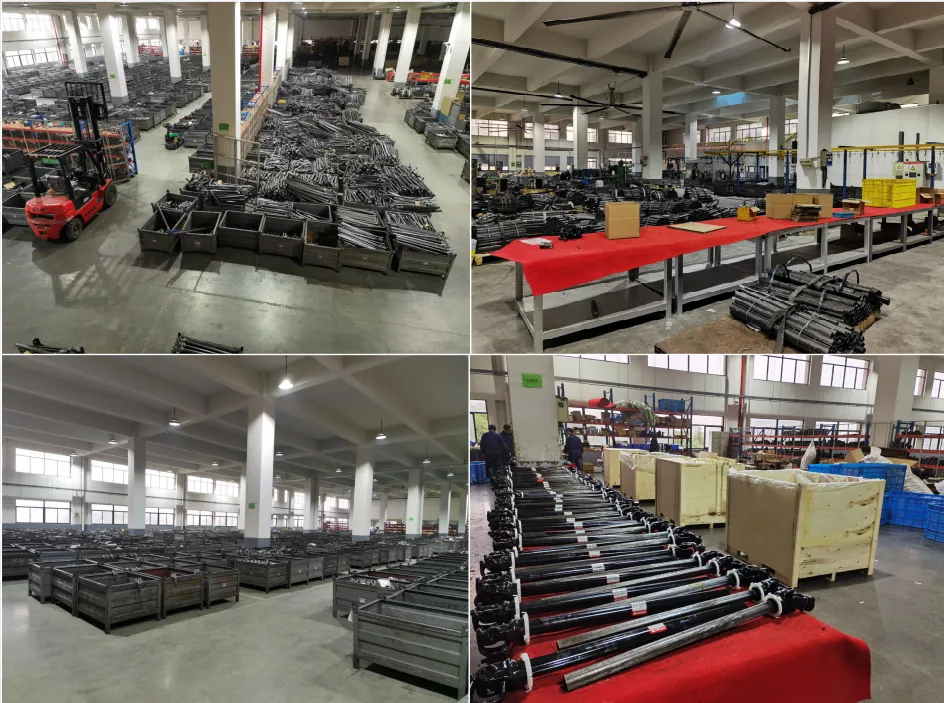
Our production emphasizes quality control, with each gearbox tested for noise and leakage. This commitment ensures reliability across diverse agricultural scenarios.
Local Industry News on Drive Shafts
Recent developments in Germany’s agricultural sector highlight advancements in drive shaft technology for subsoilers. A study by the DLG (Deutsche Landwirtschafts-Gesellschaft) reported increased adoption of high-torque shafts, improving efficiency in soil preparation amid climate challenges.
In Bavaria, a cooperative implemented upgraded shafts, reducing breakdowns by 30% during the 2025 season. This aligns with national pushes for sustainable tillage.
Neighboring France saw similar trends, with new regulations favoring eco-friendly components in drive systems.
Frequently Asked Questions
What torque rating is suitable for a standard subsoiler in Germany?
For most subsoilers handling depths up to 500mm in typical German soils, a torque rating of 500-700Nm is ideal. This accommodates tractors from 80-120HP, ensuring reliable performance without overload. Consider soil type; clay requires higher ratings to prevent slippage. Always match to your tractor’s PTO output for safety and efficiency, per EU machinery directives.
How do I maintain a PTO shaft for long-term use?
Regular greasing every 8 hours of operation lubricates joints, preventing wear. Inspect for cracks or loose parts weekly, especially after rocky field work. Clean debris post-use and store indoors to avoid rust. Replace guards if damaged, complying with German safety laws. Annual professional checks verify balance and alignment, extending life beyond 4000 hours.
Are these PTO shafts compatible with European tractor brands?
Yes, standard spline configurations like 1-3/8″ 6-spline fit popular brands such as Fendt or Claas. Verify yoke types for exact matches. In cross-border use with Dutch or French equipment, telescopic adjustments handle variations. Technical references to other brands are for guidance; consult specs for seamless integration.
What safety features should I look for in a PTO shaft?
Prioritize integral guards, shear bolts, and slip clutches to protect against entanglements and overloads. CE certification ensures compliance with Maschinenrichtlinie. Quick-disconnect mechanisms aid safe handling. In high-risk areas like stony fields, overrunning clutches prevent backdrive. Regular training on use aligns with Arbeitsschutzgesetz requirements.
How does a PTO shaft improve subsoiler efficiency?
By transmitting power smoothly, it enables consistent tine depth, enhancing soil aeration and root growth. Reduced vibrations lower fuel use by 10-15%. In precision farming, compatible shafts support GPS-guided operations. Long-term, durable designs minimize downtime, boosting overall productivity in competitive markets like Germany.