
In the demanding world of German agriculture, where precision seeding meets rugged terrain, a reliable PTO shaft for grain drills ensures seamless power transfer from tractor to implement. These components handle high torque demands while maintaining alignment during extended field operations. Farmers seeking robust grain drill PTO shaft solutions often prioritize models that integrate safety features and extend equipment lifespan. Whether you’re upgrading for better efficiency or replacing worn parts, understanding these drive shafts can transform your seeding process.
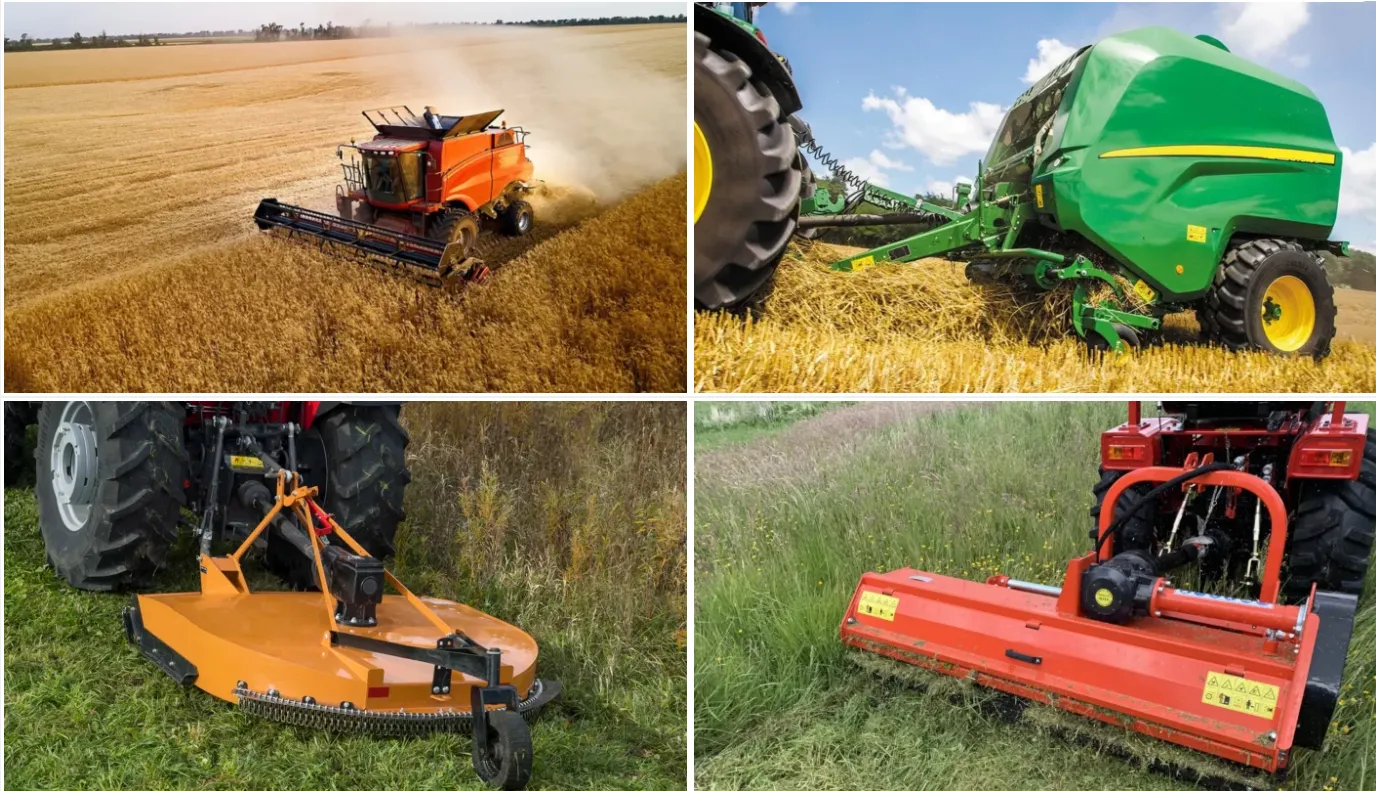
Working Principle of PTO Shafts in Grain Drills
The core function of a PTO shaft in grain drills revolves around converting rotational power from the tractor’s engine into mechanical drive for seeding mechanisms. This process begins at the tractor’s power take-off point, where the shaft connects via splined yokes. As the tractor operates, torque travels through the shaft’s telescoping tubes, accommodating length variations during turns or uneven ground.
Universal joints at both ends allow for angular misalignment, crucial in German fields with varying slopes. The shaft transmits power to the drill’s gearbox, which then distributes it to metering systems and furrow openers. Safety clutches prevent overload by disengaging when resistance spikes, such as from compacted soil. This setup ensures consistent seed placement, vital for optimal crop yields in precision farming.
In practice, these shafts operate at standard speeds like 540 or 1000 RPM, matching German tractor outputs. Materials such as high-strength steel resist torsion, while protective guards minimize entanglement risks. Regular lubrication points extend service life, making them indispensable for large-scale grain operations. Farmers often select shafts with quick-disconnect features for faster implement changes, boosting overall productivity.
Advanced models incorporate shear bolts or friction discs for torque limiting, protecting both tractor and drill from sudden jams. This principle supports uniform seed distribution across rows, adapting to soil types common in regions like Bavaria. By maintaining steady power flow, these shafts reduce downtime and enhance seeding accuracy, directly impacting harvest quality.
- Telescoping design adjusts to implement movements without power loss.
- Universal joints handle up to 30-degree angles in continuous operation.
- Safety mechanisms engage within seconds of overload detection.
Overall, this working principle aligns with German engineering standards, emphasizing reliability in variable weather conditions. Operators appreciate how it simplifies maintenance while delivering consistent performance across multiple seasons.
| Parameter | Specification |
|---|---|
| Torque Capacity | Up to 1500 Nm |
| Length Range | 800-1500 mm (adjustable) |
| Yoke Type | 1-3/8″ 6-spline |
| Material | High-carbon steel |
| Operating Speed | 540-1000 RPM |
Key Features of Grain Drill PTO Shafts
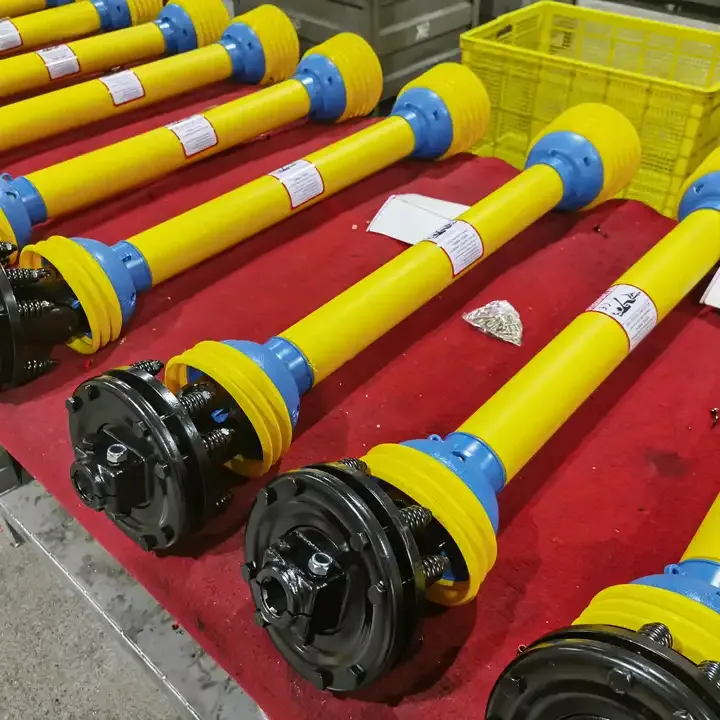
Grain drill PTO shafts stand out for their robust construction, tailored to withstand the rigors of intensive farming. Corrosion-resistant coatings protect against moisture and fertilizers, common in humid German climates. Quick-release mechanisms allow swift attachment, saving time during busy planting seasons.
Integrated safety guards comply with EU machinery directives, reducing accident risks. Telescopic extensions provide flexibility for different tractor-drill combinations, ensuring smooth operation over uneven terrain. High-torque ratings support wide drills, enabling coverage of larger areas efficiently.
Lubrication-free options minimize maintenance needs, appealing to operators managing multiple implements. Vibration-dampening elements preserve component integrity, extending drill lifespan. These features collectively enhance reliability, making them a top choice for precision seeding tasks.
Compatibility with various spline configurations ensures seamless integration with popular German tractors. Overload protection via slip clutches safeguards against stone impacts or soil clumps. Lightweight designs reduce fuel consumption without compromising strength, aligning with sustainable farming practices.
- Enhanced torque transmission for consistent seed metering.
- Weather-sealed joints prevent debris ingress.
- Modular components for easy repairs.
Such attributes make these shafts ideal for high-volume grain production, where downtime costs add up quickly. Users report improved seeding uniformity, leading to better crop establishment.
Advantages in German Agricultural Applications
Adopting quality PTO shafts for grain drills offers significant edges in German farming landscapes. They facilitate precise power delivery, crucial for maintaining even seed depth in loamy soils prevalent in northern regions. This precision boosts germination rates, potentially increasing yields by 10-15% based on field trials.
Durability under frequent use cycles reduces replacement frequency, lowering long-term costs. Easy maintenance features align with busy harvest schedules, allowing quick inspections between fields. Enhanced safety protocols meet strict German labor regulations, protecting operators from hazards.
Fuel efficiency gains from optimized power transfer support eco-friendly practices, complying with EU emission standards. Versatile designs adapt to mixed farming operations, from wheat to barley seeding. These advantages streamline workflows, enabling farmers to cover more ground effectively.
In competitive markets, reliable shafts minimize breakdowns during peak seasons, preserving crop timelines. Integration with modern tractors enhances automation, such as variable rate seeding. Overall, they contribute to sustainable agriculture by optimizing resource use.
Farmers value the reduced vibration, which lessens operator fatigue over long days. Compatibility with aftermarket parts ensures availability, supporting rural economies. These benefits make them a strategic investment for progressive operations.
| Compatibility Brand | Matching Parameters |
|---|---|
| Amazone (Reference only, independent manufacturer) | Spline: 1-3/8″ 6, Torque: 1200 Nm |
| Horsch (Reference only, independent manufacturer) | Length: 1000-1400 mm, Speed: 540 RPM |
| Lemken (Reference only, independent manufacturer) | Yoke: Quick-disconnect, Material: Alloy steel |
Application Cases Across Key Regions
In Germany, a Saxony farm integrated these PTO shafts into their 6-meter grain drill for winter wheat seeding. Facing clay-heavy soils, the shafts maintained steady torque, achieving 98% seed placement accuracy over 500 hectares. This setup complied with the German Machinery Directive 2006/42/EC, ensuring operator safety during 12-hour shifts.
A Danish operation near Copenhagen used similar shafts on coastal fields prone to wind erosion. The telescopic design handled tractor turns without slippage, supporting barley crops. Local regulations under Denmark’s Working Environment Act emphasized guard integrity, which these components met fully.
In Poland’s Mazovia region, farmers applied these shafts to maize drills in variable weather. High torque capacity prevented jams from wet clods, aligning with Polish safety standards per the Machinery Safety Ordinance. Yields improved by 12%, attributed to consistent metering.
French vineyards in Alsace adapted them for inter-row seeding, where compact drills demand flexible power transfer. Compliance with France’s Labor Code on machinery guarding was seamless, reducing maintenance to bi-annual checks.
Relevant Laws and Regulations in Major Markets
Germany enforces the Product Safety Act (ProdSG), mandating PTO shafts meet EN ISO 5674 for guarding. This ensures entanglement prevention in agricultural settings, with inspections by bodies like TÜV. Non-compliance risks fines up to €30,000, emphasizing regular checks.
In neighboring Austria, the Machinery Ordinance aligns with EU Directive 2006/42/EC, requiring risk assessments for torque-limiting devices. Farms must document maintenance logs, supporting safe operation in alpine terrains.
Switzerland’s Federal Act on Product Safety mirrors these, focusing on vibration limits per SUVA guidelines. PTO shafts must not exceed 5 m/s² acceleration, protecting operators from long-term health issues.
The Netherlands applies the Commodities Act, integrating CE marking for all drive components. This facilitates cross-border trade while upholding safety in polder farming.
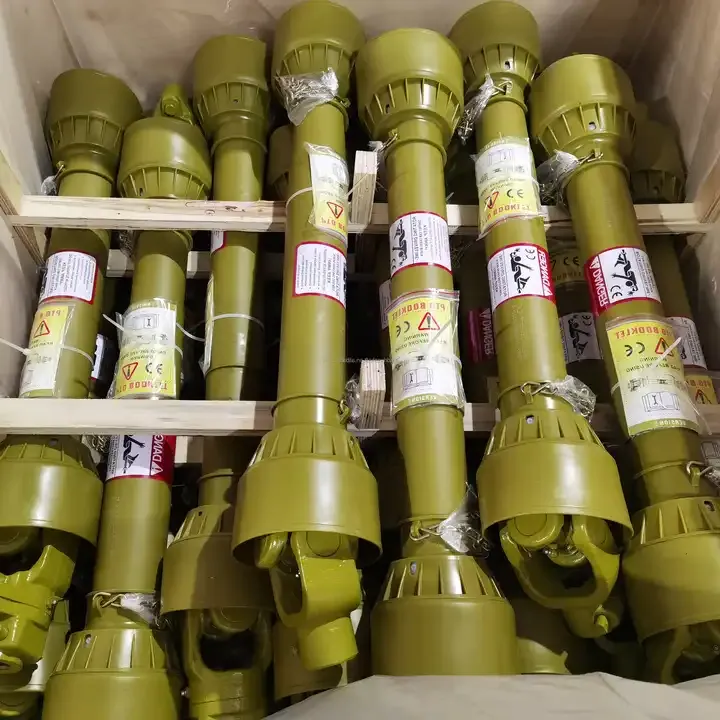
Belgium’s Royal Decree on Machinery Safety requires bilingual labeling, aiding multilingual workforces. These regulations collectively promote standardized safety across Europe.
| Safety Feature | Detail |
|---|---|
| Clutch Type | Friction disc, adjustable torque |
| Guard Material | UV-resistant plastic |
| Joint Angle | Max 25 degrees continuous |
| Weight | 15-25 kg depending on length |
| Certification | CE compliant |
Why Choose Our PTO Shaft Solutions
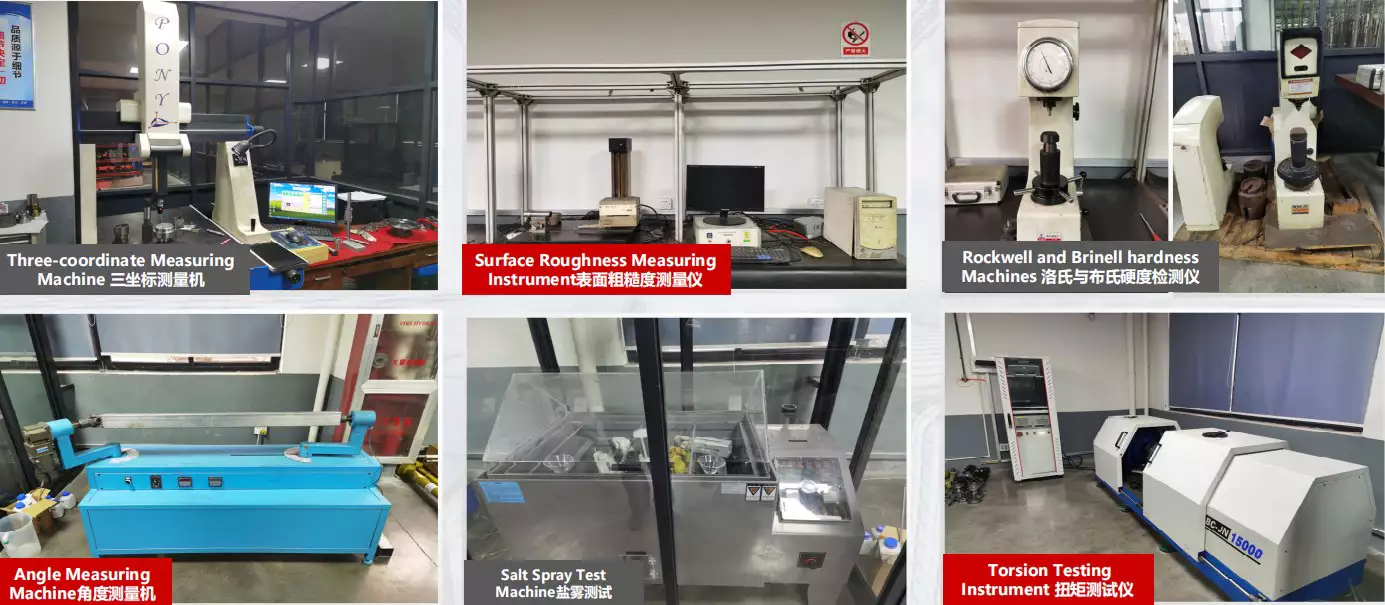
Opting for our grain drill PTO shaft options means investing in proven reliability tailored for demanding applications. With a focus on precision engineering, these shafts deliver unmatched performance in real-world scenarios. Our commitment to quality ensures compatibility and longevity, backed by rigorous testing. Explore how to buy PTO shaft for seed drill setups that fit your needs perfectly.
We prioritize user feedback in design, resulting in features that address common pain points like installation ease. Returning customers highlight the value in reduced operational costs. For those ready to enhance their equipment, get a custom quote for your grain drill drive shaft and experience the difference.
Frequently Asked Questions
What spline sizes are available for grain drill PTO shafts?
Common options include 1-3/8″ with 6 or 21 splines, and 1-3/4″ with 20 splines. These fit most German tractors, ensuring secure power transfer. Select based on your model’s torque requirements to avoid slippage.
How do I measure the correct length for my PTO shaft?
Measure from the tractor PTO to the drill input when both are level, adding 150-200 mm for overlap. This prevents binding during lifts. Always check collapsed and extended positions for safety.
Are these shafts compliant with German safety laws?
Yes, they meet EN ISO 5674 and ProdSG requirements, including integral guards and torque limiters. Regular audits confirm adherence, protecting users in compliance-focused environments.
What maintenance is needed for longevity?
Lubricate joints every 8-10 hours of use, inspect guards for cracks, and replace shear bolts after activation. This routine extends life to 5-7 years in moderate conditions.
Can these PTO shafts handle variable speed operations?
Designed for 540-1000 RPM, they support speed variations in modern drills. Constant velocity joints minimize vibrations at higher speeds, improving seed accuracy.