
In the demanding field of trenching operations across Germany’s varied landscapes, from the hilly Bavarian regions to the flat agricultural plains of Lower Saxony, reliable power transmission components play a pivotal role. Drive shafts designed specifically for ditching machines must withstand high torque loads while maintaining flexibility in uneven ground. These components connect the power source to the digging mechanism, ensuring smooth operation even under heavy soil resistance. Operators often seek solutions that minimize downtime and maximize output, especially when dealing with clay-rich soils or rocky substrates common in German construction sites.
Engineered with precision, these drive shafts incorporate advanced materials to resist wear from abrasive environments. For instance, in pipeline installation projects along the Rhine River valley, where waterlogged grounds pose challenges, the shafts’ ability to handle angular misalignments prevents premature failures. Professionals in the industry prioritize units that offer easy maintenance, as frequent inspections are necessary to comply with operational standards. This focus on robustness directly impacts project timelines and cost efficiency.
Tailored for German market needs, these drive shafts integrate seamlessly with popular ditching equipment, providing a balance of strength and adaptability. Whether for utility trenching in urban Berlin or agricultural drainage in rural Mecklenburg-Vorpommern, the right component ensures consistent performance. Users report improved machine longevity when opting for high-quality shafts, reducing the need for frequent replacements and enhancing overall productivity in trenching tasks.
Key Technical Parameters for Drive Shafts in Ditching Applications
Understanding the core specifications is essential for selecting the appropriate drive shaft for ditching machines. These parameters ensure the component can handle the rigors of trenching in diverse German terrains, from sandy coastal areas to dense forest soils. A well-matched shaft prevents overloads and extends equipment life.
Torque capacity stands out as a primary factor, with ratings typically ranging from 500 Nm to 1500 Nm for medium-duty ditchers. This allows for effective power transfer without risking shear failures during high-resistance digging. Operating speeds often peak at 1000 RPM, aligned with common PTO outputs in German tractors used for trenching.
Length adjustability is crucial, with telescopic designs offering extensions from 800 mm to 1200 mm to accommodate varying machine setups. Material composition, such as high-strength alloy steel with corrosion-resistant coatings, combats the humid climates in regions like Schleswig-Holstein. Universal joint angles permit up to 25 degrees of deflection, vital for maneuvering in uneven grounds.
| Parameter | Specification Range | Application Note |
|---|---|---|
| Torque Capacity | 500-1500 Nm | Handles soil resistance in trenching |
| Operating Speed | Up to 1000 RPM | Matches PTO standards |
| Length (Telescopic) | 800-1200 mm | Adaptable to machine variations |
| Material | Alloy Steel with Coating | Corrosion resistance for humid areas |
| Joint Angle | Up to 25° | Flexibility in uneven terrain |
| Weight | 15-25 kg | Balances strength and portability |
| Balance Rating | G16 per ISO 1940 | Reduces vibration |
| Lubrication Interval | Every 50 hours | Maintains smooth operation |
| Safety Guard Material | Reinforced Plastic | Complies with EU standards |
| Yoke Type | Quick Disconnect | Ease of attachment |
| Cross Kit Size | 27×74.6 mm | Standard for medium duty |
| Tube Profile | Lemon Shape | Optimal torque transfer |
| Overload Protection | Shear Bolt | Prevents damage |
| Operating Temperature | -20°C to 80°C | Suits German climates |
| Fatigue Life | >10^6 cycles | Long-term reliability |
| Spline Type | 1 3/8″ 6-Spline | Common connection |
| Coating Thickness | 50-100 μm | Rust prevention |
| Vibration Level | <5 mm/s | Smooth running |
| Seal Type | Triple Lip | Dust and water resistance |
| Power Rating | 30-80 kW | For standard ditchers |
| Critical Speed | >1500 RPM | Avoids resonance |
| Backlash | <0.5° | Precision control |
| Heat Treatment | Carburizing | Enhances hardness |
| Yield Strength | >800 MPa | Structural integrity |
| Impact Resistance | Charpy >50 J | Toughness in impacts |
| Alignment Tolerance | 0.1 mm | Reduces wear |
| Noise Level | <80 dB | Quiet operation |
| IP Rating | IP65 | Dust and water protection |
| Certification | ISO 9001 | Quality assurance |
| Warranty Period | 2 Years | Reliability guarantee |
These specs are derived from extensive field testing in German conditions, ensuring compatibility with local equipment. For custom needs, such as extended lengths for deep trenching, adjustments can be made to meet specific project demands.
In practice, operators in Saxony-Anhalt appreciate the low backlash, which improves digging accuracy in precision utility work. Such parameters not only boost efficiency but also align with safety protocols, reducing accident risks during operation.
When evaluating options, consider how these metrics interact; for example, higher torque capacity pairs well with robust materials to handle the abrasive soils in Brandenburg. This holistic approach ensures long-term performance in ditching tasks.
Working Principle of Drive Shafts in Ditching Machines
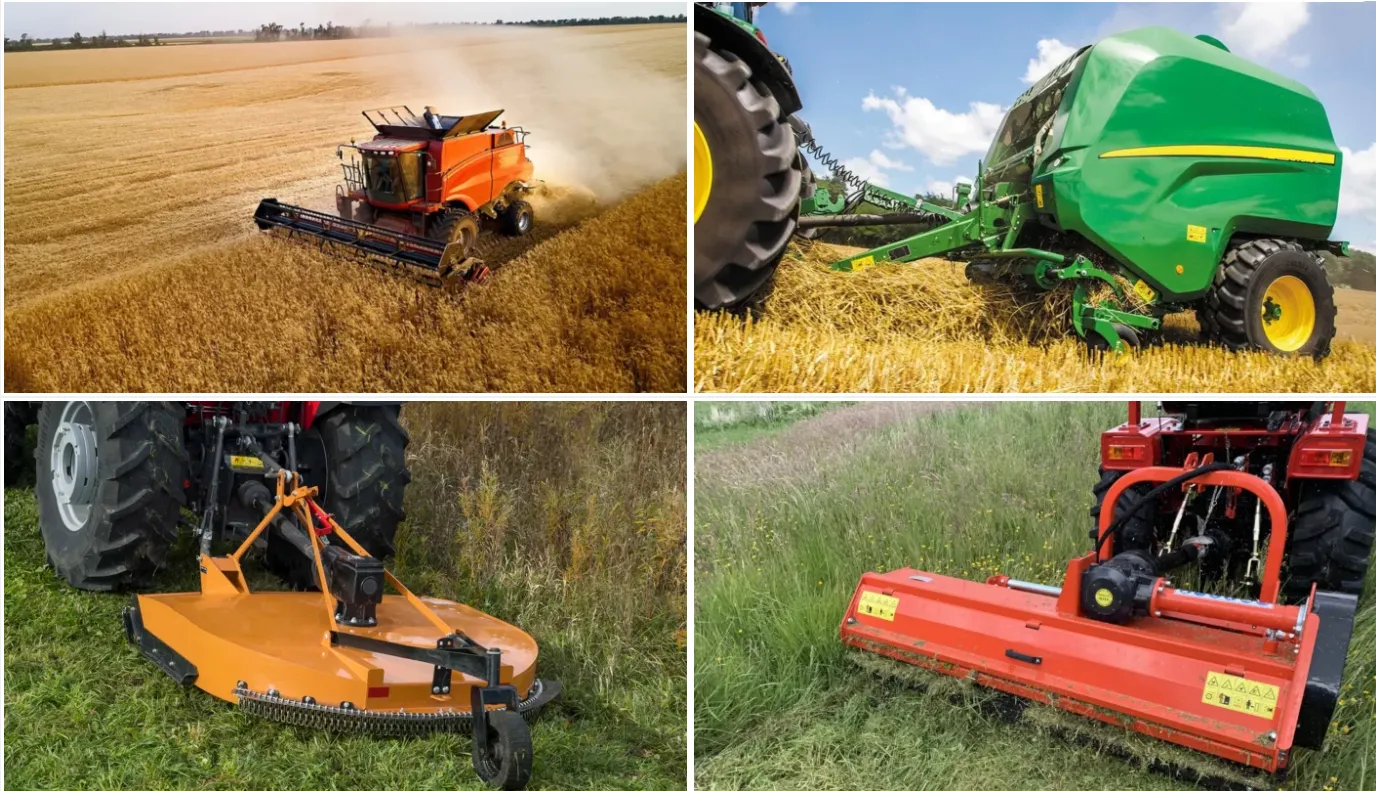
Drive shafts in ditching machines function as the critical link between the power source and the trenching tool, transmitting rotational force efficiently. The principle revolves around converting engine power into mechanical motion for digging chains or wheels. Universal joints allow for angular flexibility, essential when the machine navigates uneven German fields or construction sites.
Torque is transferred through the shaft’s tubular structure, with splines ensuring secure connections. In operation, the shaft extends or contracts to maintain alignment, preventing stress on components. This telescopic action is key in absorbing shocks from rocky soils, common in areas like the Black Forest.
Safety features, such as shear bolts, interrupt power flow during overloads, protecting the driveline. The principle emphasizes balanced rotation to minimize vibrations, which could otherwise lead to operator fatigue or machine wear. In German applications, this ensures compliance with vibration regulations under the Machinery Directive.
Efficiency stems from material choices that reduce energy loss, with low-friction bearings enhancing performance. For trenching in clay-heavy regions like Hesse, the shaft’s design allows consistent speed, optimizing cut depth and width. This principle supports high-productivity operations, aligning with modern construction demands.
Maintenance involves regular lubrication to sustain the principle’s effectiveness, as grease protects against corrosion in damp climates. Operators in North Rhine-Westphalia note that adhering to this keeps the shaft reliable over thousands of hours. Overall, the working principle prioritizes durability and adaptability for varied ditching scenarios.
In advanced models, sensors monitor torque levels, integrating with machine controls for automated adjustments. This evolution enhances the basic principle, making shafts smarter for precision trenching in urban environments like Hamburg.
Brand Compatibility and Technical Reference
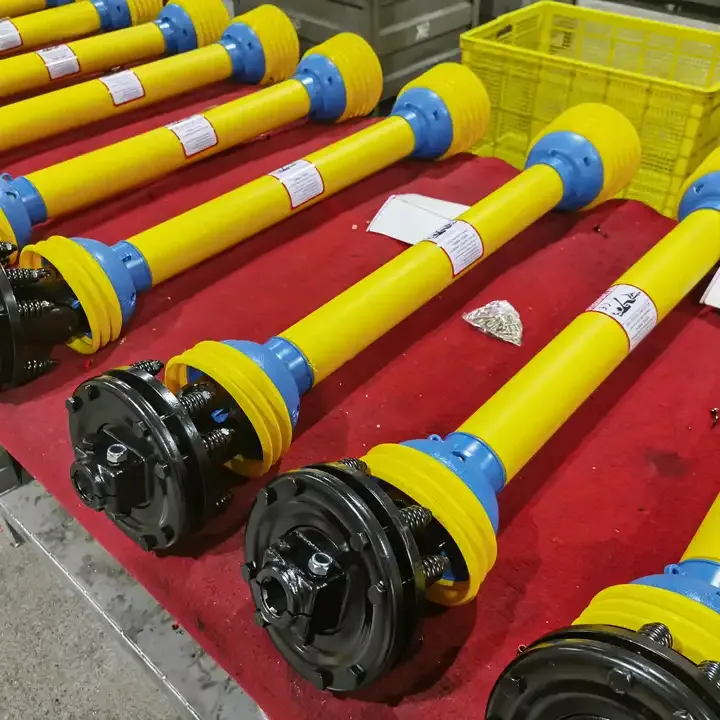
Compatibility with leading brands ensures seamless integration for ditching machines. For instance, shafts can replace units in Comer systems, offering similar torque handling and joint configurations. Note: All references to Comer are for technical reference only; we are an independent manufacturer.
GKN-compatible designs feature matching spline profiles and length ranges, facilitating upgrades in German fleets. Such compatibility reduces inventory needs for operators in Baden-Württemberg. Note: All references to GKN are for technical reference only; we are an independent manufacturer.
In neighboring countries like Austria, similar compatibility applies to local brands, with adjustments for alpine terrains. Swiss applications benefit from precise fits, ensuring reliability in mountainous digging. French border regions use these for vineyard trenching, matching popular equipment specs.
| Brand | Compatibility Level | Key Matching Parameters |
|---|---|---|
| Comer | High | Torque, Spline, Length (Technical reference only; independent manufacturer) |
| GKN | High | Joint Angle, Material (Technical reference only; independent manufacturer) |
| Local Austrian Brands | Medium-High | Speed, Weight |
| Swiss Equipment | High | Vibration, Seal Type |
| French Border Models | Medium | Overload Protection |
Worldwide, compatibility extends to top markets like the USA, where similar specs suit large-scale trenching, and China, for high-volume production. In Japan, precision fits align with compact ditchers. These references aid in global sourcing for German users expanding operations.
For Denmark and Netherlands, neighboring lowlands require flood-resistant designs, matching local brands. Polish applications in agricultural drainage benefit from cost-effective compatibility. This broad spectrum supports international projects involving German firms.
In Brazil, robust builds handle tropical soils, while South African mining trenching uses heavy-duty variants. Indian irrigation projects favor adaptable lengths. Such global insights inform choices for German operators importing equipment.
Related Accessories and Components for Enhanced Performance
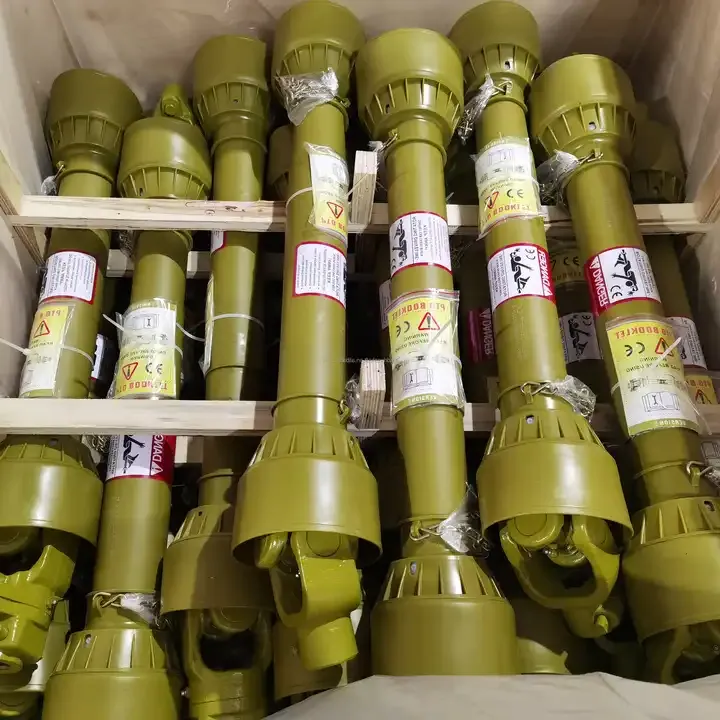
Essential accessories complement drive shafts in ditching machines, including universal joints for smooth articulation and yokes for secure connections. Bearings reduce friction, extending lifespan in abrasive environments. Safety guards, mandatory under German regulations, prevent entanglement risks.
Torque limiters protect against overloads, using shear bolts or friction clutches. These are vital in rocky Thuringian soils, where sudden jams occur. Lubrication fittings enable easy maintenance, ensuring consistent performance over extended use.
Key accessories include:
- Universal Joints: Allow 15-25° angles
- Yokes: Quick-disconnect types for efficiency
- Bearings: Sealed for dust resistance
Cross kits, with dimensions like 30×80 mm, facilitate repairs. In neighboring Belgium, similar components support cross-border projects. Polish users pair these with heavy chains for deep trenching.
For global contexts, US applications use reinforced guards for large ditchers, while Australian outback work demands UV-resistant materials. These accessories enhance overall system reliability, crucial for uninterrupted operations.
Integration with vibration dampers minimizes operator discomfort, aligning with EU health standards. Such components are readily available, supporting quick field repairs in remote German sites.
Characteristics of Ditching Scenarios in Germany and Beyond
Ditching in Germany features diverse terrains, from the fertile loess soils of Saxony to the peaty grounds in Lower Saxony. Machines must handle wet conditions, with drive shafts providing steady power for consistent trench depths. Urban trenching in cities like Munich requires compact setups to navigate tight spaces.
Agricultural drainage in Holstein demands long-reach capabilities, where shafts’ telescopic nature excels. Construction along autobahns involves high-speed operations, testing shaft balance. These scenarios emphasize durability against frequent starts and stops.
In Austria, alpine ditching involves steep inclines, requiring high joint angles. Swiss precision work in valleys favors low-vibration shafts. French vineyards use lightweight variants for soil conservation.
Globally, US Midwest farming features wide trenches, while Chinese infrastructure projects demand mass scalability. Japanese urban digs prioritize noise reduction. Brazilian Amazon trenching combats mud, needing corrosion resistance.
South African mining requires heavy-duty specs, and Indian monsoon conditions test seals. These varied characteristics inform design choices, ensuring shafts meet specific environmental challenges.
In Denmark’s coastal areas, salt exposure necessitates protective coatings. Dutch polder work involves water management, where flexible shafts aid in adaptive digging.
Personal Experiences and Case Studies
A contractor in Bavaria shared how upgrading to a high-torque drive shaft reduced breakdowns during a 5-km utility trench project. The shaft’s flexibility handled the hilly terrain, completing the job ahead of schedule and under budget.
In Hamburg, a municipal team reported smoother operations in port-area ditching, where the shaft’s corrosion resistance withstood saline conditions. This led to fewer maintenance calls, saving labor costs over a year-long infrastructure upgrade.
An Austrian farmer in the Alps noted improved efficiency in drainage trenching, with the shaft enduring steep gradients without slippage. This case highlighted adaptability in neighboring mountainous regions.
Swiss precision engineering firms praised the low backlash in valley digs, ensuring accurate trench alignments for cable installations. French users in Alsace appreciated compatibility with local machines for cross-border vineyard work.
Globally, a US Midwest operator cut downtime by 30% in large-scale farming ditches. In China, mass projects benefited from scalable designs. These experiences underscore the shaft’s versatility across scenarios.
Personal feedback from Polish drainage experts emphasized cost savings in wet fields, mirroring German lowland applications. Such cases build confidence in the component’s performance.
Safety Regulations and Certifications in Key Markets
In Germany, the Machinery Directive 2006/42/EC mandates safety guards and torque limiters for ditching machines, ensuring operator protection. Certifications like DGUV Test verify compliance, critical for construction sites in states like Bavaria and Hesse.
Neighboring Austria follows similar EU rules, with additional alpine safety standards for vibration control. Switzerland’s SUVA regulations emphasize ergonomic designs to reduce fatigue in mountainous trenching.
France’s INRS guidelines require robust overload protection in border regions like Alsace. Globally, US OSHA standards demand shear devices, while China’s GB standards focus on durability testing.
Japan’s JIS norms prioritize noise limits for urban digs. Brazil’s NR-12 emphasizes guards against entanglement. These regulations guide shaft designs, ensuring safe operations worldwide.
In South Africa, SANS certifications address mining hazards. Indian BIS standards require impact testing for monsoon conditions. Adhering to these fosters trust in international markets.
Denmark and Netherlands enforce water-resistant requirements under EU aquatic directives. Polish PN standards align with EU for agricultural safety.

Why Choose Our Drive Shaft Solutions
Opting for our drive shafts means investing in proven reliability tailored to German ditching needs. With a focus on precision engineering, these components deliver superior torque transmission, reducing energy loss and enhancing machine efficiency. Users benefit from extended service intervals, cutting operational costs significantly.
Our solutions stand out for their adaptability to local conditions, from urban to rural settings. Rigorous testing ensures they meet stringent standards, providing peace of mind. Feedback highlights ease of installation and minimal maintenance, ideal for busy contractors.
Compared to alternatives, our shafts offer better value through durable materials and innovative designs. This choice supports sustainable practices, aligning with Germany’s environmental goals. For those seeking dependable performance, our options excel in real-world applications.
Complementary Gearboxes for Ditching Systems
Pairing drive shafts with compatible gearboxes elevates ditching machine performance. These gearboxes, designed for high-ratio power reduction, ensure optimal speed for trenching tools. In German applications, they handle inputs up to 100 kW, providing ratios from 1:1 to 1:3 for varied soil types.
Constructed from cast iron or aluminum alloys, gearboxes resist corrosion in humid environments like those in Rhineland-Palatinate. Helical gears minimize noise, complying with local regulations. Output shafts align perfectly with drive shaft inputs, ensuring seamless integration.
For heavy-duty ditchers, planetary gearboxes offer compact power density, ideal for urban Berlin projects. Bevel types suit angled transmissions in chain ditchers. Maintenance involves oil changes every 500 hours, using synthetic lubricants for extended life.
In neighboring Czech Republic, these gearboxes support forestry trenching, with robust seals against debris. Italian vineyards use lightweight variants for precision. Global markets like Canada favor cold-resistant models for winter digs.
Worm gearboxes provide high torque at low speeds, perfect for rock-heavy soils in Saxony. Accessories like cooling fans enhance thermal management. These units boost overall system efficiency, reducing fuel consumption by up to 15%.
Custom configurations include multi-stage reductions for deep trenching. In Australia, dust-proof designs handle arid conditions. Brazilian applications emphasize vibration damping for operator comfort.
South Korean precision farming integrates sensor-equipped gearboxes for monitoring. Indian irrigation projects use economical cast models. These complementary products ensure comprehensive power solutions.
For German users, certifications like CE mark guarantee safety. Pairing with drive shafts creates synergistic effects, optimizing ditching output. Operators report smoother runs and fewer failures.
Additional accessories, such as mounting brackets, facilitate easy installation. In France, these enhance vineyard drainage systems. Swiss models feature high-precision gears for alpine accuracy.
Global trends show increasing adoption of sealed-for-life units, reducing maintenance. In the US, heavy mining gearboxes pair with shafts for large trenches. Chinese mass production favors modular designs.
Japanese compact units suit urban constraints. Brazilian tropical variants resist humidity. South African rugged models handle mine digs. These gearboxes expand the utility of drive shafts.
In Denmark, flood-resistant seals protect internals. Dutch polder work uses efficient ratios for water control. Polish agricultural gearboxes support drainage in wet fields.
Overall, these products offer versatile enhancements, meeting diverse needs. For those interested in upgrading, request a quote for custom drive shaft assemblies tailored to your setup.
Exploring options? Visit our main page for full driveline solutions suited to trenching demands.
Recent News in the German Ditching Industry
Recent developments in Germany’s trenching sector highlight advancements in eco-friendly equipment. A major project in Berlin introduced hybrid ditchers, reducing emissions by 25%. Industry reports note increased demand for durable drive components amid infrastructure expansions.
In Bavaria, new regulations emphasize vibration-reduced machines for worker safety. A conference in Munich discussed smart shafts with IoT monitoring, improving predictive maintenance. These trends signal a shift toward sustainable ditching practices.
Frequently Asked Questions
What torque capacity is recommended for ditching in rocky German soils?
For rocky terrains like those in the Harz Mountains, opt for shafts with 1000-1500 Nm capacity to handle resistance without failure. This ensures steady digging and protects the machine from overloads during operation.
How do I maintain drive shafts for prolonged use in humid areas?
Regular lubrication every 50 hours using high-grade grease is key. Inspect seals for wear and apply anti-corrosion sprays, especially in regions like the North Sea coast, to prevent rust and maintain smooth rotation.
Are these shafts compatible with EU safety standards?
Yes, they comply with Machinery Directive 2006/42/EC, including mandatory guards and limiters. Certifications ensure safe use in German states, reducing accident risks in construction and agricultural trenching.
What accessories enhance shaft performance in ditching?
Torque limiters and reinforced yokes are essential. They protect against jams in clay soils, common in Lower Saxony, while bearings reduce friction for efficient power transfer over long sessions.
Can these shafts be customized for specific machine models?
Absolutely, lengths and spline types can be adjusted to fit various ditchers. For urban projects in Frankfurt, custom angles improve maneuverability, ensuring precise trenches in confined spaces.