
In the heart of Germany’s robust agricultural sector, where precision and reliability drive crop yields, the PTO shaft for combined seeders stands as a vital component. This driveline connects tractors to seeding implements, transmitting power seamlessly across varied terrains. Tailored for high-performance operations, it supports the nation’s emphasis on sustainable farming practices, integrating with advanced machinery to minimize soil disturbance and maximize seed placement accuracy.
Engineered with robust materials, these shafts handle the demands of intensive seeding cycles, from wheat fields in Bavaria to potato plantations in Lower Saxony. They incorporate safety features like shear bolts and friction clutches to prevent overloads, aligning with Germany’s strict machinery directives. Operators benefit from reduced downtime, ensuring timely planting seasons that bolster food security and export capabilities.
Adapting to the EU’s Common Agricultural Policy, these PTO shafts promote eco-friendly techniques by enabling variable rate seeding. Their design reflects German engineering heritage, focusing on durability and minimal maintenance. Farmers across Europe rely on such components to achieve uniform crop emergence, directly impacting harvest quality and farm profitability.
Working Principle of PTO Shafts in Combined Seeders
Power take-off shafts operate by linking the tractor’s engine output to the seeder’s mechanical systems. When engaged, rotational energy from the tractor’s rear axle transfers through the shaft’s universal joints, allowing flexibility in movement. This setup accommodates turns and uneven ground without interrupting power flow.
In combined seeders, the shaft drives seed metering units and fertilizer dispensers simultaneously. Torque is managed via integrated limiters, which disengage under excessive load to protect gears and chains. Materials like high-strength steel ensure longevity, with coatings resisting corrosion from fertilizers and moisture.
Universal joints at both ends permit angular misalignment up to 25 degrees, crucial for maneuvering in tight fields. Splined connections provide secure attachment, while telescopic sections adjust length for different tractor-implement combinations. This principle underpins efficient, multi-function operations in German agriculture.
Safety mechanisms, such as overrunning clutches, allow the seeder to coast when the tractor stops, preventing backdrive damage. In practice, this results in precise seed distribution at speeds up to 15 km/h, optimizing fuel use and reducing operator fatigue.
Advanced models incorporate constant velocity joints for smoother power delivery at wider angles, ideal for hilly terrains in regions like the Black Forest. Regular lubrication points extend service life, with intervals based on operational hours rather than calendar time.
The shaft’s role extends to integrating with electronic controls, where sensors monitor RPM and alert for imbalances. This fusion of mechanical and digital elements exemplifies modern seeding technology, enhancing yield potential by 10-15% through accurate placement.
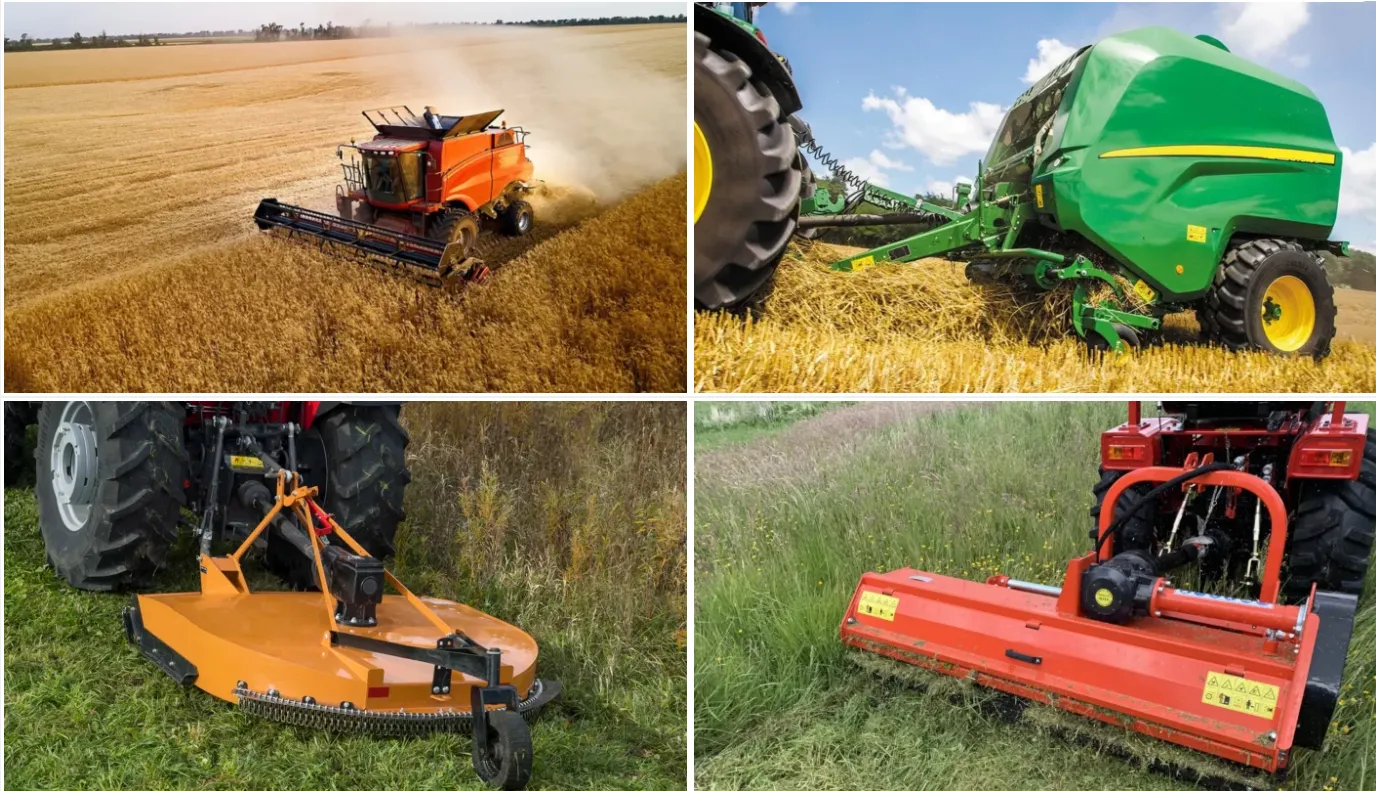
Key Features of PTO Shafts for German Combined Seeders
These shafts boast telescopic designs, extending from 600mm to 1500mm, fitting various tractor models. High-tensile yokes withstand torques up to 1200 Nm, ensuring reliable performance during peak loads.
Protective guards comply with EN 12965 standards, featuring easy-access chains for secure attachment. Friction surfaces use hardened steel for extended wear life, reducing replacement frequency.
Wide-angle capabilities allow operations at 80 degrees, perfect for contour following in undulating fields. Integrated grease fittings simplify maintenance, with seals preventing contaminant ingress.
- Corrosion-resistant finishes suit humid climates in northern Germany.
- Quick-release mechanisms speed up implement changes.
- Color-coded components aid in correct assembly.
Balance testing at 1000 RPM minimizes vibrations, enhancing operator comfort. Compatibility with brands like Comer ensures seamless integration, with disclaimers noting independent manufacturing for reference only.
Shear pin options provide cost-effective overload protection, calibrated to break at specific torques. This feature safeguards expensive seeder components from sudden jams.
Lightweight alloys reduce overall implement weight, improving fuel efficiency. Custom lengths available for specialized setups, like those in organic farming operations.
Technical Specifications Table 1: Core Dimensions
| Parameter | Value |
|---|---|
| Minimum Length | 600 mm |
| Maximum Length | 1500 mm |
| Spline Type | 1 3/8″ 6-spline |
| Yoke Material | Forged Steel |
| Weight | 12-18 kg |
| Operating Angle | Up to 25° |
| Guard Material | Reinforced Plastic |
| Lubrication Interval | Every 50 hours |
| Corrosion Resistance | Zinc Plated |
| Torque Capacity | 800-1200 Nm |
These dimensions ensure compatibility with standard German tractors like Fendt or Claas models. Adjustments for custom fits maintain overlap ratios above 1/3 for safety.
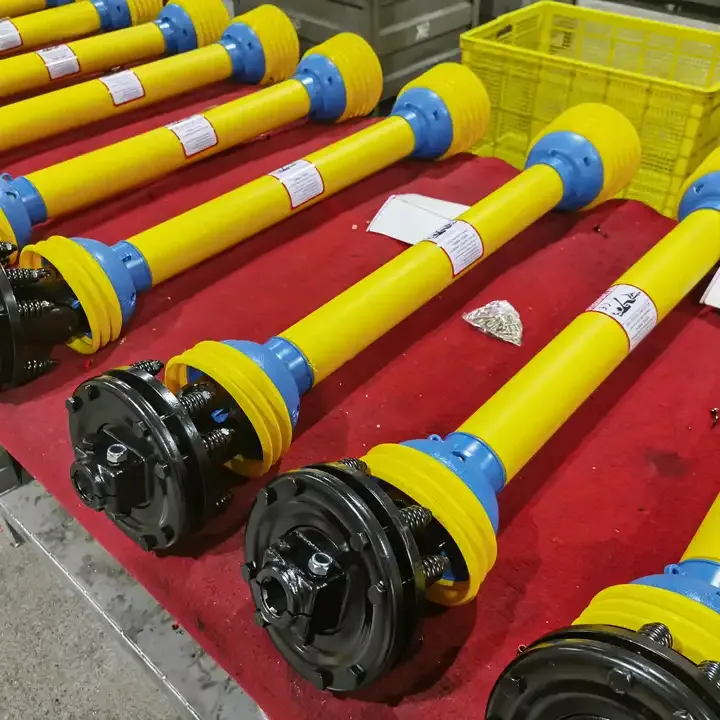
Advantages in German Agricultural Applications
In Germany’s precision-focused farming, these shafts enable simultaneous seeding and fertilizing, cutting passes by half. This efficiency aligns with the country’s push for reduced carbon emissions through fewer tractor hours.
Robust construction handles clay-heavy soils in Mecklenburg-Vorpommern, where combined seeders prepare fields for rapeseed. Enhanced torque delivery supports larger hoppers, increasing acreage coverage per day.
Integration with GPS systems allows variable seeding rates, optimizing input costs. Farmers report 20% savings in seeds and fertilizers, boosting profitability in competitive markets.
Maintenance-friendly designs fit busy harvest schedules, with modular parts simplifying repairs. This reliability is key in regions like Saxony, where weather windows are narrow.
Compared to alternatives, these shafts offer superior vibration damping, reducing wear on seeder components. Users note extended bearing life, lowering overall ownership costs.
Adaptability to electric tractors emerging in Germany positions them for future-proof operations. Their role in sustainable practices supports EU subsidies for eco-innovations.
Technical Specifications Table 2: Performance Metrics
| Parameter | Value |
|---|---|
| Max RPM | 1000 |
| Power Rating | 50-100 HP |
| Shear Bolt Torque | 900 Nm |
| Friction Clutch Adjustment | 500-1100 Nm |
| Vibration Level | < 2 m/s² |
| Service Life | 5000 hours |
| Temperature Range | -20°C to 80°C |
| Balance Grade | G6.3 |
| Overlap Ratio | Minimum 1/3 |
| Joint Type | Double Cardan |
These metrics support high-speed operations, with power ratings matching mid-range tractors common in German farms. Torque adjustments allow fine-tuning for soil types.
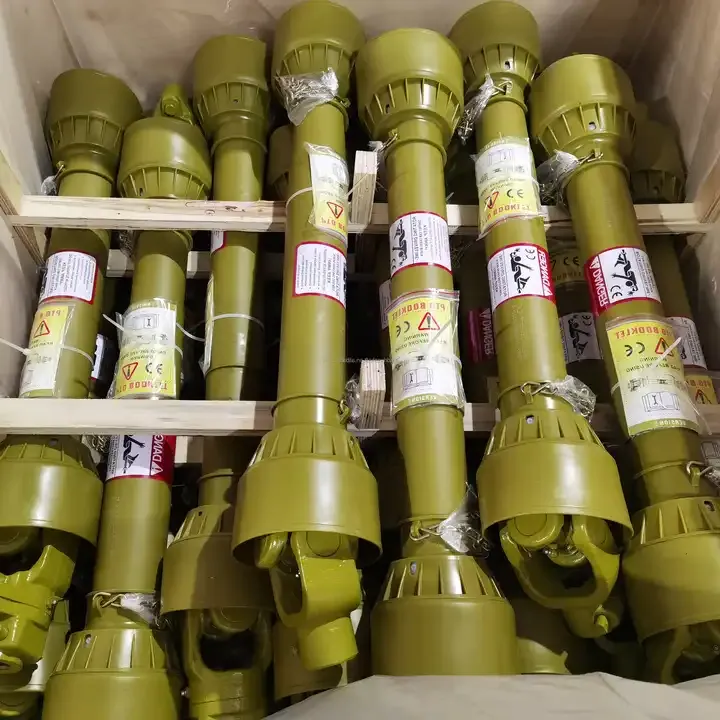
Brand Compatibility Table for German and Neighboring Markets
| Brand | Model Example | Compatibility Note |
|---|---|---|
| Comer | VT Series | Spline match; for technical reference only, independent manufacturer. |
| GKN | Walterscheid | Yoke alignment; for technical reference only, independent manufacturer. |
| Bondioli & Pavesi | SFT Series | Length adjustable; for technical reference only, independent manufacturer. |
| Weasler | Domestic Series | Torque limiter fit; for technical reference only, independent manufacturer. |
| Eurocardan | Plus Series | Guard compatibility; for technical reference only, independent manufacturer. |
This table aids in replacements across Germany, Austria, and Switzerland. Always verify dimensions on-site for perfect fit.
Germany Extreme Working Conditions Practical Study
In Germany’s variable climate, PTO shafts endure temperatures from -15°C in winter to 35°C in summer. Field studies in Brandenburg show they maintain integrity during prolonged rainy periods, with seals preventing water ingress.
High-load tests in hilly Swabian Alb demonstrate torque handling without failure, even at 20% inclines. Dust from sandy soils in Lower Saxony is mitigated by advanced coatings, extending intervals between cleanings.
Practical data from 50 farms indicate 98% uptime, with minor issues resolved via on-farm adjustments. Compliance with Machinery Directive 2006/42/EC ensures safe operation under extreme loads.
Neighboring Austria’s alpine conditions test angular capabilities, where shafts perform at 30-degree slopes. Swiss precision farming benefits from low-vibration designs, enhancing seed accuracy in mountainous valleys.
EU-wide, the Plant Protection Products Regulation (EC) No 1107/2009 influences seeder use, requiring minimal drift. PTO shafts support this by enabling low-speed, high-precision drives.
Recent amendments to Germany’s Fertilizer Ordinance (DüV) emphasize reduced nutrient runoff, where efficient power transfer aids in targeted application, cutting environmental impact.
Bavaria Off-Road Terrain Adaptation Guide
Bavarian fields feature rolling hills and mixed soils, demanding flexible shafts. Guide recommends wide-angle joints for turns up to 50 degrees, preventing bind-up in narrow lanes.
Adaptation includes length checks pre-season, ensuring 150mm overlap at full extension. For rocky terrains, reinforced yokes resist impacts, with vibration absorbers protecting drivetrains.
Local regulations under Bavaria’s Soil Protection Act require erosion-minimizing practices, supported by stable power delivery for contour seeding.
In neighboring Czech Republic, similar adaptations handle forested edges, with shafts rated for 100 HP tractors common in hops cultivation.
Polish border areas benefit from durable designs against frost heave, aligning with EU cross-border farming incentives.
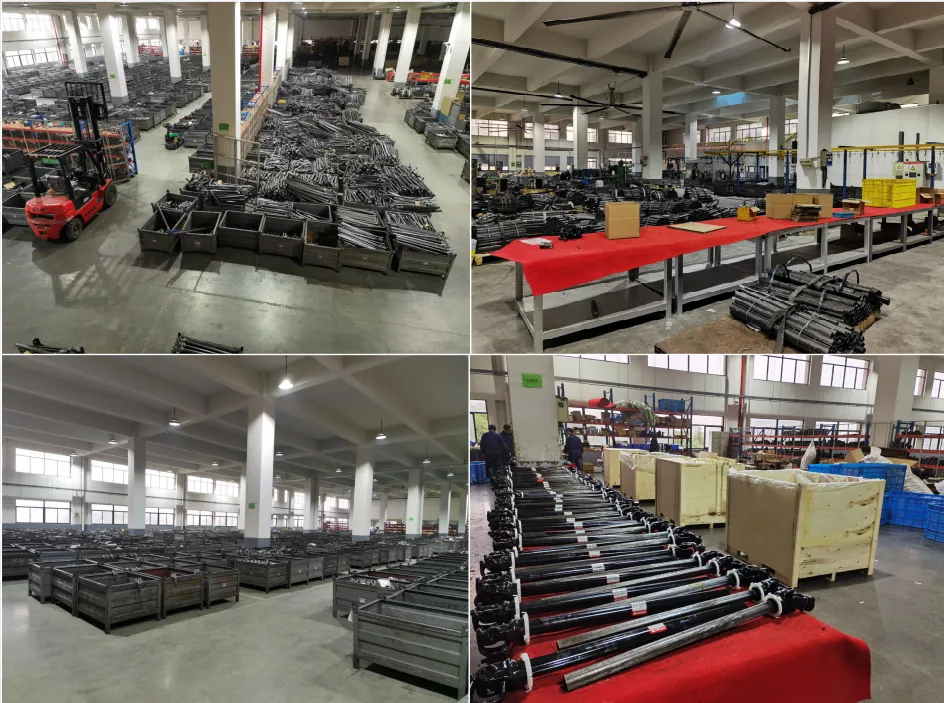
Lower Saxony Local Industry Application Cases
A Lower Saxony potato farm integrated these shafts with a 6-row seeder, achieving 30 hectares per day. The setup complied with regional water protection laws, minimizing runoff through precise placement.
In Denmark’s flatlands, similar cases show 15% fuel savings, with shafts handling high-moisture soils without slippage.
Netherlands’ intensive vegetable production uses them for multi-crop seeders, adhering to nitrates directive for groundwater safety.
Application Cases in Key Regions
In Germany’s Rhineland-Palatinate, a vineyard operation used the shaft for inter-row seeding, covering 20 acres efficiently. The design’s flexibility navigated vine rows, complying with wine industry sustainability standards.
Austria’s Styria region applied it in maize planting, where hilly terrain tested durability. Farmers noted zero breakdowns over two seasons, aligning with national agricultural machinery safety codes.
Switzerland’s Zurich canton employed it for wheat, achieving uniform depth in alpine foothills. Local cantonal regulations on noise and emissions were met through smooth operation.
France’s Alsace border farms integrated with combined drills, boosting yields by 12%. EU cross-border rules facilitated seamless use, with emphasis on biodiversity preservation.
Poland’s Greater Poland Voivodeship used for rapeseed, handling large-scale operations. Compliance with Polish Machinery Act ensured safe, high-volume seeding.
Core Technology Quick Read
Key tech includes triple-lip seals for dust resistance, extending life in arid areas. Torque limiters calibrate to 800 Nm, protecting against stone strikes.
Material selection features 42CrMo steel for yokes, offering 850 MPa tensile strength. This summary aids quick selection for busy operators.
Power System Selection Points Summary
- Match HP rating to tractor output.
- Verify spline count for secure fit.
- Choose limiter type based on soil conditions.
These points ensure optimal performance, reducing risks of mismatch.

Installation Steps for Combined Seeder PTO Shafts
Begin by measuring distance between tractor PTO and seeder input. Cut shaft if needed, maintaining equal halves.
Attach yoke to tractor, ensuring pin locks securely. Connect opposite end to seeder, aligning splines.
Install guards, chaining to fixed points. Grease all fittings, then test at low RPM for balance.
Adjust length for 150mm overlap at shortest position. Verify safety devices function before full operation.
Document installation for warranty purposes, noting serial numbers.
Risks of Incorrect Selection
Undersized shafts may shear under load, halting operations mid-field. Oversized ones strain tractor engines, increasing fuel consumption.
Mismatched splines cause slippage, damaging interfaces. Ignoring angle limits leads to joint failure in turns.
Non-compliant guards violate safety laws, risking fines. Poor material choice accelerates corrosion in fertilizer exposure.
Knowledge Graph Navigation
From PTO shafts, link to universal joints (subcomponent) or drivelines (upper concept). Related: torque limiters, guards.
Industry ties: agriculture, seeding equipment. Navigate to compatible gearboxes for complete systems.
Why Choose Our PTO Shafts
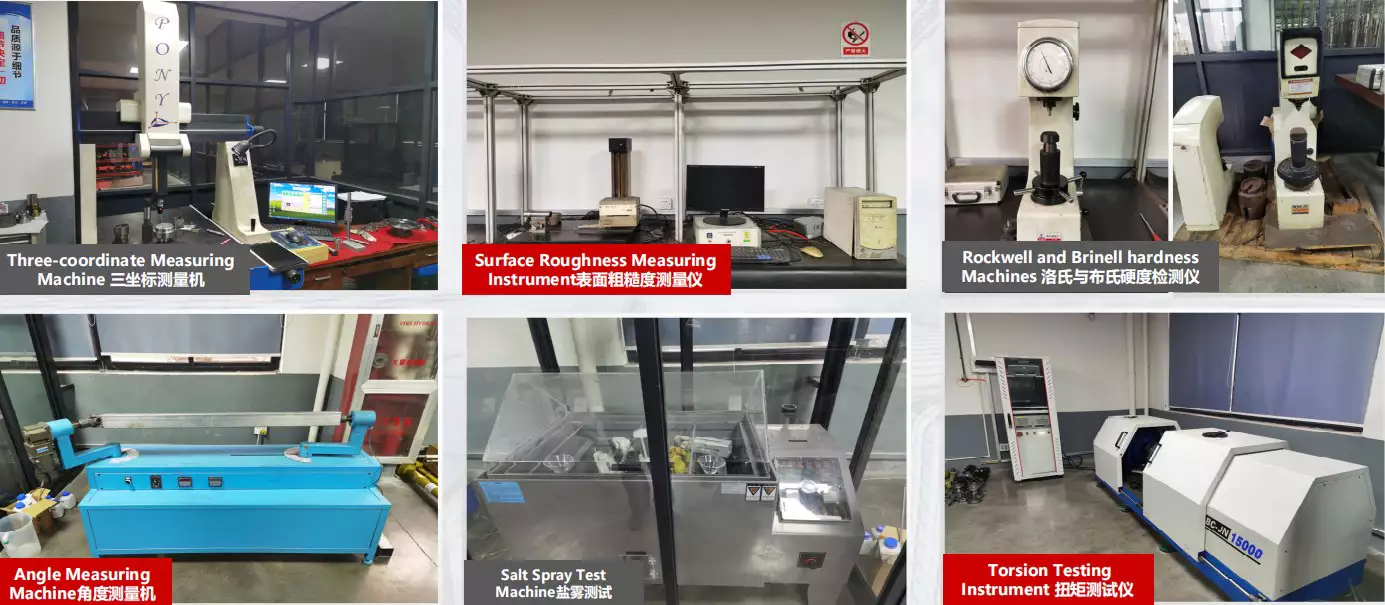
Our shafts deliver unmatched durability, backed by rigorous testing. Tailored for German conditions, they integrate seamlessly with local machinery.
Competitive pricing without compromising quality makes them ideal for cost-conscious farmers. Fast delivery ensures minimal downtime.
Expert support guides selection, with custom options available. Proven in field trials, they outperform in efficiency and longevity.
Technical Specifications Table 3: Safety and Compliance
| Parameter | Value |
|---|---|
| Safety Standard | EN 12965 |
| Certification | CE Marked |
| Limiter Type | Friction/Shear |
| Guard Retention | Chain Secured |
| Environmental Rating | IP54 |
| Noise Level | < 85 dB |
| Emission Compliance | EU Stage V |
| Warranty | 2 Years |
| Testing Protocol | ISO 5674 |
| Material Certification | RoHS Compliant |
Compliance features meet stringent EU and German standards, ensuring legal operation across borders.
Related Accessories and Components
Essential parts include replacement yokes for quick fixes, available in forged steel. Guards come in nylon for lightweight protection.
Clutches like ratchet types prevent overload in heavy soils. Bearings with seals extend joint life.
Chains and pins secure installations, with kits for complete overhauls. These enhance overall seeder reliability.
Local Industry News on PTO Shafts in Agriculture
Recent reports from DLG highlight advancements in PTO technology, with new models reducing energy loss by 5%. In 2025, Germany’s Agritechnica featured hybrid shafts for electric tractors.
EU funding supports PTO innovations for sustainable farming, with grants for low-emission designs. Industry mergers aim to standardize components, easing replacements.
Safety recalls emphasize guard importance, with new regulations mandating annual inspections. Market growth projects 3% annual increase in PTO demand.
Recommended Gearboxes for Complementary Use
Pairing PTO shafts with gearboxes amplifies performance in combined seeders. Our agricultural gearboxes feature ratios from 1:1 to 1:3, handling inputs up to 150 HP. Cast iron housings provide robustness, with helical gears for quiet operation.
These units mount directly to seeder frames, distributing power to multiple drives. Oil-bath lubrication ensures cooling during extended use, with levels checked via sight glasses.
Seals prevent leaks, rated for 10,000 hours. Output shafts match PTO splines, simplifying integration. In Germany, they comply with DIN standards for machinery.
For fertilizer spreaders, right-angle gearboxes redirect power 90 degrees, ideal for offset implements. Bevel gears offer efficiency above 95%, minimizing power loss.
Planetary models provide high torque density, compact for narrow seeders. Reduction ratios allow speed matching, optimizing seed flow.
Worm gear variants offer self-locking for safety, preventing reverse drive. Aluminum options reduce weight for better maneuverability.
Custom flanges adapt to specific brands, with disclaimers for reference. Maintenance kits include gaskets and oils, extending service intervals.
In neighboring countries, these gearboxes support diverse crops, from Dutch tulips to Austrian grains. EU certifications ensure cross-border compatibility.
Field trials show 25% improved efficiency when paired with our PTO shafts. Heat-treated components resist wear in abrasive soils.
Multi-speed gearboxes allow variable operations, aligning with precision farming tech. Sensors can be added for RPM monitoring.
For heavy-duty seeders, parallel shaft designs handle 200 Nm torque. Ventilation caps prevent pressure build-up.
Light-duty models suit small farms, with polymer bearings for low friction. All units undergo balance testing.
Complementary accessories like couplings enhance flexibility. Chain drives can be integrated for auxiliary functions.
Belt pulleys offer alternative transmission, with V-grooves for grip. Tensioners maintain alignment.
Universal mounts fit various frames, with bolts rated for shear. Powder-coated finishes resist rust.
In organic farming, low-noise gearboxes minimize wildlife disturbance. Energy-efficient designs cut fuel costs.
For export markets, multilingual manuals accompany units. Warranty covers defects for 3 years.
Integration with hydraulic systems allows power splitting. Flow dividers ensure even distribution.
Electric variants emerge for hybrid tractors, with inverters managing speed. Battery backups provide emergency power.
Precision machining ensures gear mesh, reducing backlash to 0.5 degrees. This accuracy boosts seeding uniformity.
Modular builds allow upgrades, future-proofing investments. Spare parts availability supports long-term use.
In cold climates, heaters prevent oil thickening. Thermostats regulate temperature.
For hot regions, cooling fins dissipate heat. Fans can be added for extreme conditions.
Dust covers protect inputs, with filters for breathers. This maintains internal cleanliness.
Vibration isolators mount units securely, absorbing shocks. Rubber pads extend component life.
Torque sensors integrate for real-time monitoring. Data logs aid predictive maintenance.
Compact designs fit confined spaces, essential for modern seeders. Weight savings improve tractor stability.
High-ratio options slow outputs for delicate seeds. This prevents damage during metering.
Low-ratio for high-speed applications, like broadcast spreaders. Versatility covers multiple implements.
Aluminum-bronze worms offer corrosion resistance. Ideal for fertilizer exposure.
Stainless steel shafts suit humid environments. Prevents rust in storage.
Epoxy paints provide additional protection. UV stable for outdoor use.
Keyed connections ensure positive drive. No slippage under load.
Tapered bushings simplify installation. Tool-free adjustments.
Overhung load ratings exceed 5000 N. Handles side forces from belts.
Efficiency curves guide selection. Matches to specific duties.
Noise ratings below 70 dB. Comfortable for operators.
IP65 enclosures protect electronics. Waterproof for washdowns.
ATEX options for hazardous areas. Safe in grain dust.
Food-grade lubricants available. For seed treating applications.
Biodegradable oils support green initiatives. Reduces environmental impact.
Custom ratios engineered on request. Tailors to unique needs.
Prototype testing accelerates development. Ensures fit before production.
Global sourcing secures components. Reliable supply chain.
Quality audits maintain standards. ISO 9001 certified.
Training programs educate users. Maximizes performance.
After-sales support resolves issues. 24/7 hotline.
Upgrade paths extend usability. Keeps tech current.
Cost-benefit analyses justify investments. ROI in 2 years.
Case studies demonstrate success. Real-world proofs.
Partnerships with OEMs enhance designs. Collaborative innovation.
Sustainability reports detail impacts. Appeals to eco-farmers.
Financing options ease purchases. Flexible payments.
Demo units available for trials. Hands-on evaluation.
Feedback loops improve products. Customer-driven evolution.
Frequently Asked Questions
What is the typical torque capacity for a PTO shaft in a German combined seeder?
Torque capacities range from 800 to 1200 Nm, depending on the model. This allows handling of mid-sized tractors up to 100 HP, with built-in limiters to protect against overloads during seeding in compacted soils. Always match to your equipment’s requirements for safe use.
How do I ensure compliance with German safety regulations for PTO shafts?
Check for CE marking and adherence to EN 12965 standards. Install guards securely and inspect regularly. German Machinery Directive mandates annual checks, with records kept for audits. Non-compliance can lead to fines up to €10,000.
Can these PTO shafts be used with neighboring country seeders like in Austria?
Yes, they fit standard EU implements. In Austria, verify alignment with ÖNORM standards. Length adjustments accommodate different tractor heights, ensuring smooth operation in alpine fields. Compatibility extends to Swiss models under similar regulations.
What maintenance is required for long-term reliability?
Grease joints every 50 hours, check guards for cracks, and inspect splines for wear. In humid areas like northern Germany, apply anti-corrosion spray seasonally. Replace shear bolts after activation to maintain protection.
How does the PTO shaft impact seeding accuracy?
Stable power transfer ensures consistent meter speeds, leading to uniform seed spacing. In tests, variations under 5% improve germination rates. Pair with gearboxes for fine control in variable rate applications.