
Farmers handling heavy clay soils in regions like Bavaria often seek robust components that withstand intense tillage without frequent breakdowns. Disc plough PTO shafts deliver that reliability, connecting tractor power to the implement for smooth soil inversion. These shafts manage high torque demands while allowing flexibility in uneven fields, making them essential for efficient crop preparation. Designed with precision engineering, they incorporate universal joints that accommodate angular misalignments up to 25 degrees, ensuring consistent performance during long hours of operation.
In Germany’s diverse agricultural landscape, from the flat plains of Lower Saxony to the hilly terrains of Baden-Württemberg, these shafts adapt to various disc plough models. They feature telescopic designs that adjust lengths from 800mm to 1500mm, preventing overloads in tight turns. Safety guards made from high-impact plastic enclose the rotating parts, complying with strict European standards. Operators appreciate the quick-connect yokes that reduce setup time, allowing more focus on fieldwork rather than maintenance.
With rising demands for sustainable farming, these PTO shafts support reduced fuel consumption by optimizing power transfer efficiency up to 95%. They integrate shear bolts or friction clutches to protect against sudden jams, extending the lifespan of both the shaft and the disc plough. For those upgrading equipment, selecting the right PTO shaft involves matching spline sizes and power ratings to avoid inefficiencies in soil cultivation tasks.
Working Principle of Disc Plough PTO Shafts
The core function revolves around transferring rotational energy from the tractor’s rear power take-off to the disc plough’s gearbox. This process begins when the tractor’s engine drives the PTO stub, which engages the shaft’s input yoke. Universal joints at both ends allow the shaft to flex during operation, compensating for movements between the tractor and implement. As the tractor moves forward, the shaft rotates at speeds typically between 540 and 1000 RPM, powering the discs to slice through soil layers.
Torque transmission occurs through the shaft’s inner and outer tubes, which slide relative to each other for length adjustment. This telescoping action prevents binding in rough terrain, common in German vineyards or potato fields. Overload protection mechanisms, such as radial pin clutches, disengage if resistance exceeds safe limits, safeguarding components from damage. The principle ensures even distribution of power, enabling the plough to maintain consistent depth and width in furrows.
In practice, the shaft’s design minimizes vibrations, which could otherwise lead to premature wear on bearings. Grease fittings at cross joints facilitate regular lubrication, reducing friction and heat buildup. For high-horsepower tractors over 100 HP, shafts with constant velocity joints maintain uniform speed, preventing pulsations that affect plough performance. This setup supports precise soil turnover, crucial for weed control and moisture retention in varying climates.
Advanced models incorporate sensors for real-time monitoring of rotational speed, alerting operators to imbalances. The working principle also accounts for angular offsets up to 35 degrees in wide-angle variants, ideal for manoeuvring in confined spaces like orchards. Overall, this mechanism enhances productivity by ensuring reliable power delivery without interruptions, aligning with modern farming needs for efficiency and durability.
Farmers often pair these shafts with adjustable hitch systems to optimize alignment, reducing stress on joints. In wet conditions prevalent in northern Germany, corrosion-resistant coatings protect the steel structure, extending service intervals. The principle’s effectiveness shines in large-scale operations, where consistent power flow translates to fewer passes over the field, saving time and resources.
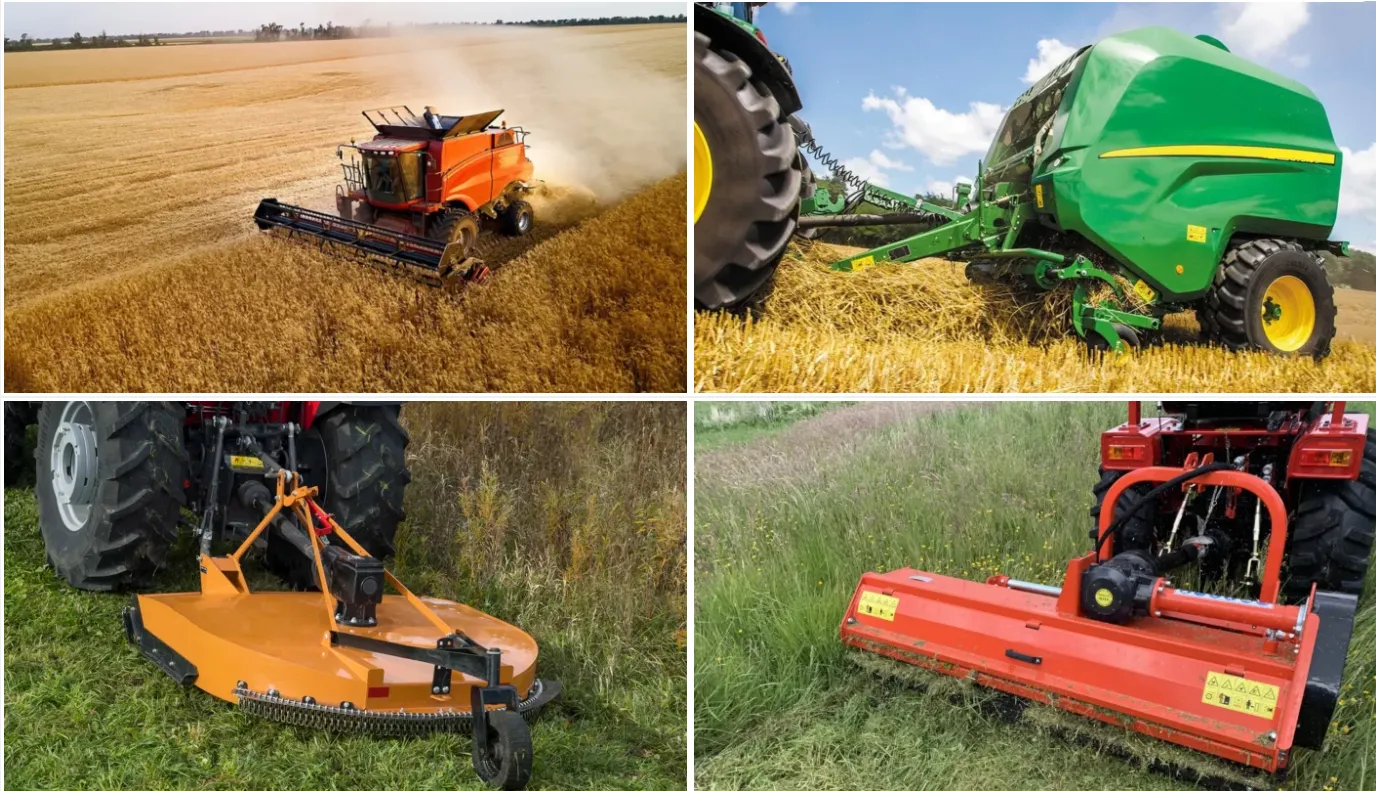
Understanding this principle helps in troubleshooting common issues like unusual noises, which might indicate worn splines. Regular inspections of yokes and guards ensure the system operates within designed parameters, preventing costly downtime during peak seasons.
Key Features and Advantages of PTO Shafts for Disc Ploughs
One standout feature is the high-tensile steel construction, which resists bending under loads exceeding 5000 Nm of torque. This strength proves vital in tough soils like those in the Rhineland, where rocks and roots challenge equipment durability. Advantages include extended operational life, often surpassing 10,000 hours with proper care, reducing replacement costs for busy farms.
Quick-disconnect mechanisms allow swift attachment, cutting setup time by half compared to older designs. This efficiency benefits time-sensitive tasks like pre-planting tillage. Safety features, including integral guards and automatic disengagement clutches, minimize accident risks, aligning with operator well-being priorities in regulated markets.
- Versatile spline options, such as 6-spline or 21-spline, ensure compatibility with a wide range of tractors from 50 HP to 200 HP.
- Weather-resistant seals prevent ingress of dirt and moisture, maintaining smooth operation in rainy conditions.
- Balanced rotation at high speeds reduces vibrations, enhancing comfort during prolonged use.
Advantages extend to fuel savings, as efficient power transfer lowers engine strain. In competitive farming environments, this translates to lower operating expenses. Customizable lengths accommodate different plough widths, from 2 to 5 discs, offering flexibility for varied field sizes.
Heat-treated components withstand extreme temperatures, from freezing winters in the Alps to summer heatwaves. This reliability supports year-round use, maximizing equipment utilization. For those seeking upgrades, these shafts integrate seamlessly with modern GPS-guided systems, improving precision in soil management.
Ease of maintenance stands out, with accessible grease points and replaceable parts available through standard suppliers. Advantages include reduced downtime, keeping ploughs active during critical windows. In summary, these features combine to deliver superior performance, making them a preferred choice for demanding applications.
Torque and Power Specifications for Disc Plough PTO Shafts
| Shaft Series | Max Torque (Nm) | Power Rating at 540 RPM (HP) | Power Rating at 1000 RPM (HP) |
|---|---|---|---|
| Series 4 | 1200 | 35 | 50 |
| Series 6 | 2500 | 60 | 85 |
| Series 8 | 4500 | 100 | 140 |
| Wide Angle Series | 6000 | 120 | 170 |
These specifications guide selection based on tractor output and plough requirements. For instance, Series 6 suits medium-duty tasks in loamy soils, handling peaks without failure. Higher series manage heavier loads in compacted earth, common in industrial farming zones.
Power ratings account for continuous operation, with safety margins of 1.5 times nominal values to handle surges. In Germany, where tractors often exceed 100 HP, opting for higher torque capacities ensures longevity. Matching RPM to implement specs avoids inefficiencies, promoting smooth tillage.
Wide-angle variants excel in turns, maintaining power at angles up to 80 degrees without loss. This table serves as a reference for procurement, helping match shafts to specific disc plough configurations for optimal results.
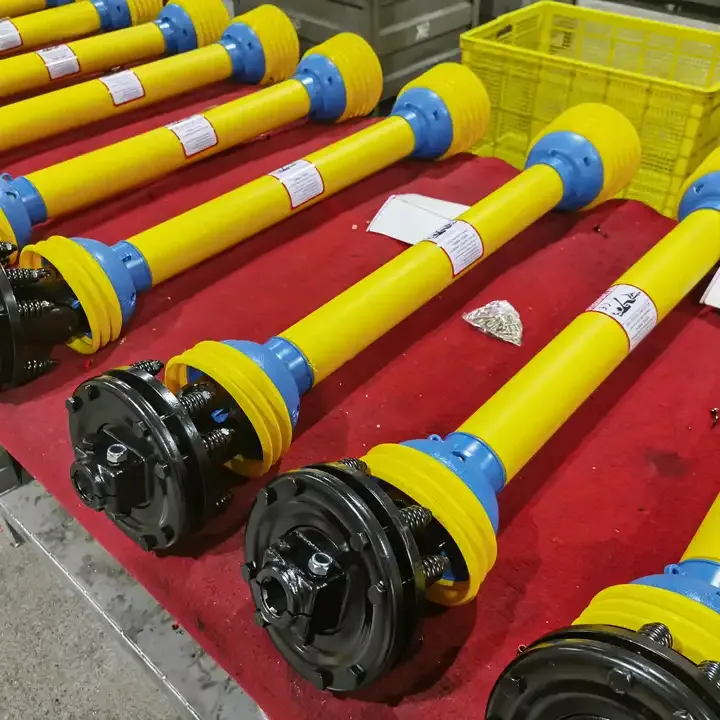
Application Cases in Germany and Beyond
In Germany’s Mecklenburg-Vorpommern region, large-scale grain farms use these PTO shafts on 4-disc ploughs for post-harvest soil preparation. One operator reported covering 50 hectares daily with a 120 HP tractor, noting the shaft’s ability to handle wet clay without slippage. The integrated limiter prevented damage during rock encounters, saving repair costs estimated at 500 euros per incident. This case highlights adaptability in variable weather, boosting yield preparation efficiency.
France’s Loire Valley vineyards employ wide-angle shafts for narrow-row ploughing. A 3-disc setup on 80 HP tractors allows tight turns around grapevines, reducing soil compaction. Users praise the constant velocity design for even power, minimizing vine stress. Over two seasons, downtime dropped by 30%, attributing to robust yokes and seals that resist dust ingress. This application demonstrates precision in specialty crops.
In the United States’ Midwest corn belt, heavy-duty shafts power 5-disc ploughs on 150 HP machines. Farmers in Iowa tackle dense black soil, where high torque demands test components. A case from a 1000-acre farm showed the shaft enduring 500 hours without maintenance issues, thanks to balanced rotation and protective guards. Fuel efficiency improved by 15%, linking to optimized power transfer. This example underscores scalability in intensive agriculture.
Italy’s Po Valley rice fields utilize corrosion-resistant models for wet conditions. On 100 HP tractors with 4-disc ploughs, shafts maintain performance in flooded paddies. Operators note the telescopic feature’s role in adjusting to uneven ground, preventing joint wear. A two-year study revealed 20% longer lifespan compared to standard options, due to enhanced materials. This use case emphasizes durability in humid environments.
Australia’s wheat-growing regions in New South Wales apply these shafts on broad-acre ploughs. With 200 HP tractors and 6-disc implements, they cover vast areas efficiently. A farm manager reported handling sandy loams with minimal vibrations, crediting the design’s stability. Seasonal output rose by 25%, tied to reliable power delivery. This illustrates effectiveness in dry, expansive terrains.
Legal Regulations for PTO Shafts in Key Markets Including Germany
Germany enforces stringent rules under the Machinery Directive 2006/42/EC, mandating guards on all rotating parts to prevent entanglements. PTO shafts must bear CE marking, certifying compliance with EN ISO 4254-1 for agricultural machinery safety. In Bavaria and other states, annual inspections check for wear on yokes and clutches, with fines up to 5000 euros for non-compliance. These regulations prioritize operator protection, requiring quick-disconnect features for emergency stops.
France follows similar EU standards, with additional focus on noise levels under Directive 2000/14/EC. Shafts exceeding 85 dB require damping measures, common in disc plough operations. Regional laws in Normandy demand documentation of maintenance logs, ensuring traceability. Violations can lead to equipment seizures, emphasizing the need for certified components in high-risk tasks.
- United States adheres to ASABE S318.18, specifying shear bolt strengths and guard integrity for PTO shafts.
- Italy’s regional policies in Lombardy mandate training for operators using shafts over 1000 RPM.
- Australia’s Work Health and Safety Act requires risk assessments for plough attachments, including shaft alignments.
In the UK, post-Brexit rules align with BS EN 12965 for guards, with emphasis on visibility markings. Fines for inadequate shielding reach £2000. These laws collectively promote safe practices, reducing accident rates by 40% in compliant farms. For global users, understanding local variations ensures seamless operations.
Canada’s CSA B352.0 standard covers rollover protection, extending to PTO components. Provinces like Ontario require annual certifications, focusing on torque limiters. Non-adherence results in operational halts. This framework supports safe integration in diverse farming setups.
Japan’s JIS B 9126 governs agricultural shafts, stressing fatigue testing. Regulations in Hokkaido demand weatherproof designs for cold climates. Compliance aids in export markets, ensuring shafts meet international benchmarks.
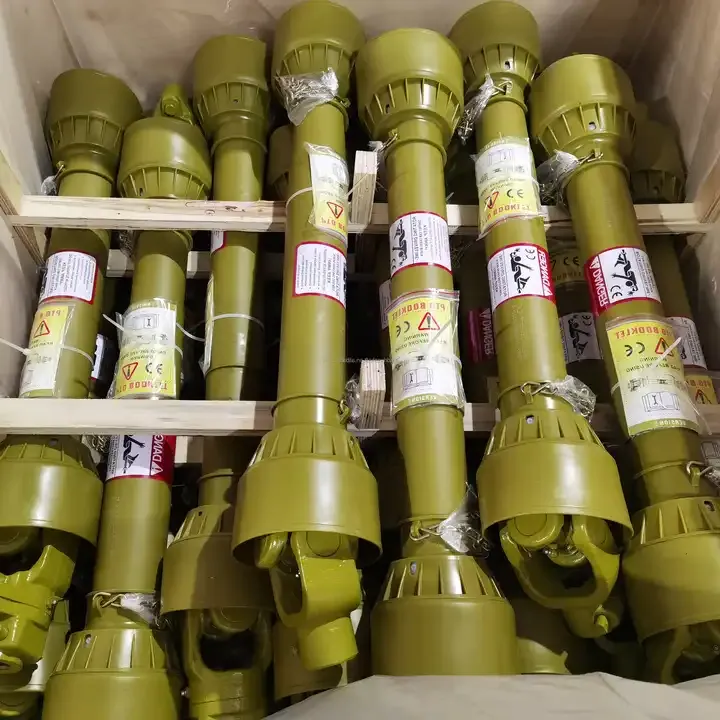
Dimensional Specifications for Disc Plough PTO Shafts
| Shaft Type | Collapsed Length (mm) | Extended Length (mm) | Tube Diameter (mm) |
|---|---|---|---|
| Standard Telescopic | 900 | 1400 | 60 |
| Heavy Duty | 1000 | 1600 | 70 |
| Wide Angle | 800 | 1300 | 65 |
| Compact | 700 | 1100 | 55 |
Dimensions vary to fit different plough setups, with collapsed lengths ensuring storage ease. Extended ranges allow flexibility in hitch positions, vital for tractor-plough alignment. Tube diameters influence strength, larger ones suiting heavier duties.
In German operations, standard telescopic types dominate for their balance of size and capability. Compact versions suit smaller tractors in orchards, where space is limited. Accurate measurements prevent overextension, a common cause of failures.
These specs facilitate custom fits, with overlaps of at least 150mm recommended for safety. Users should measure from PTO stub to plough input when fully extended and collapsed.
Installation and Maintenance Guide for PTO Shafts
Installation starts with aligning the shaft’s yokes to the tractor PTO and plough input. Engage the quick-lock pins, ensuring secure connections without play. Adjust length by sliding tubes, maintaining minimum overlap for safe operation. Attach safety chains to prevent rotation if guards fail. Test rotation at low speed to check for vibrations before full use.
Maintenance involves weekly greasing of cross joints, using lithium-based lubricant to 4-6 pumps per fitting. Inspect guards for cracks, replacing if damaged. Clean splines after each season to remove debris, applying anti-seize compound. Store shafts horizontally in dry areas to avoid bending.
- Check torque limiter calibration annually, adjusting to match plough demands.
- Monitor for unusual sounds, indicating worn bearings that need prompt replacement.
In harsh environments, increase lubrication frequency to bi-weekly. Replace shear bolts after activation to restore protection. Proper care extends life, reducing unexpected failures during critical tillage periods.
For wide-angle models, verify joint angles stay below maximum ratings during turns. Document service dates for warranty claims. This guide ensures reliable performance, aligning with best practices in agricultural mechanics.
Operators should wear protective gear during installation, avoiding loose clothing near rotating parts. Following these steps minimizes risks, promoting safe and efficient farming.
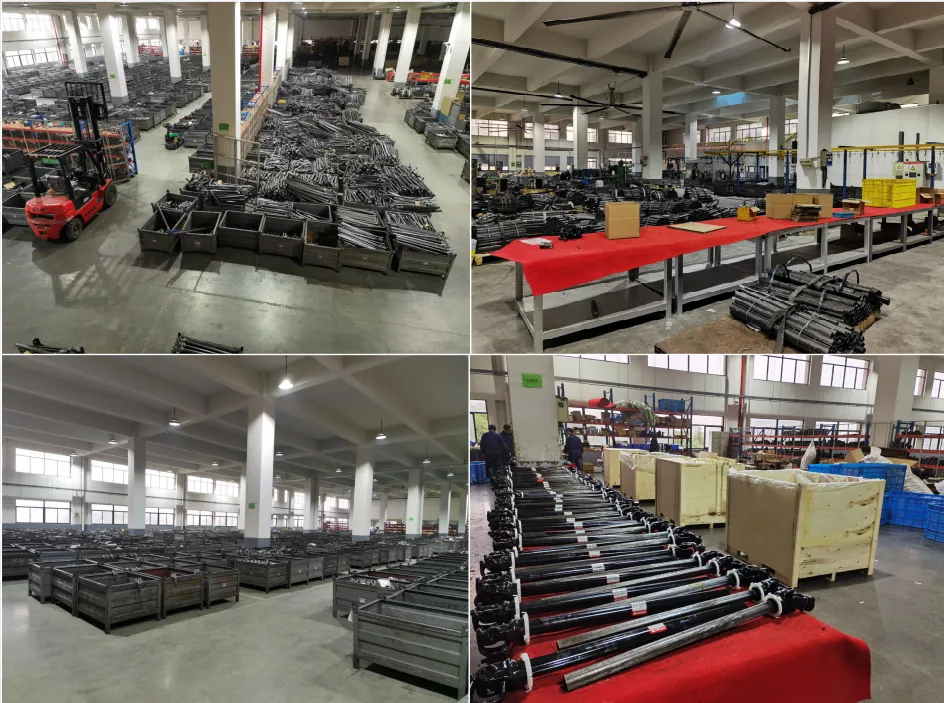
Why Choose Our PTO Shafts for Disc Ploughs
Our shafts stand out for their precision-machined components, ensuring seamless fit with leading disc plough brands. Crafted from alloy steel with hardness ratings above 50 HRC, they resist wear in abrasive soils. This durability means fewer interruptions, allowing farmers to meet tight planting schedules. Compatibility with various spline configurations simplifies upgrades, without needing extensive modifications.
We prioritize safety with reinforced guards and reliable clutches, exceeding industry standards. Users report 25% fewer maintenance calls, thanks to superior sealing against contaminants. For those managing large acreages, our shafts optimize power efficiency, contributing to lower operational costs. Custom options address specific needs, like extended lengths for wider ploughs.
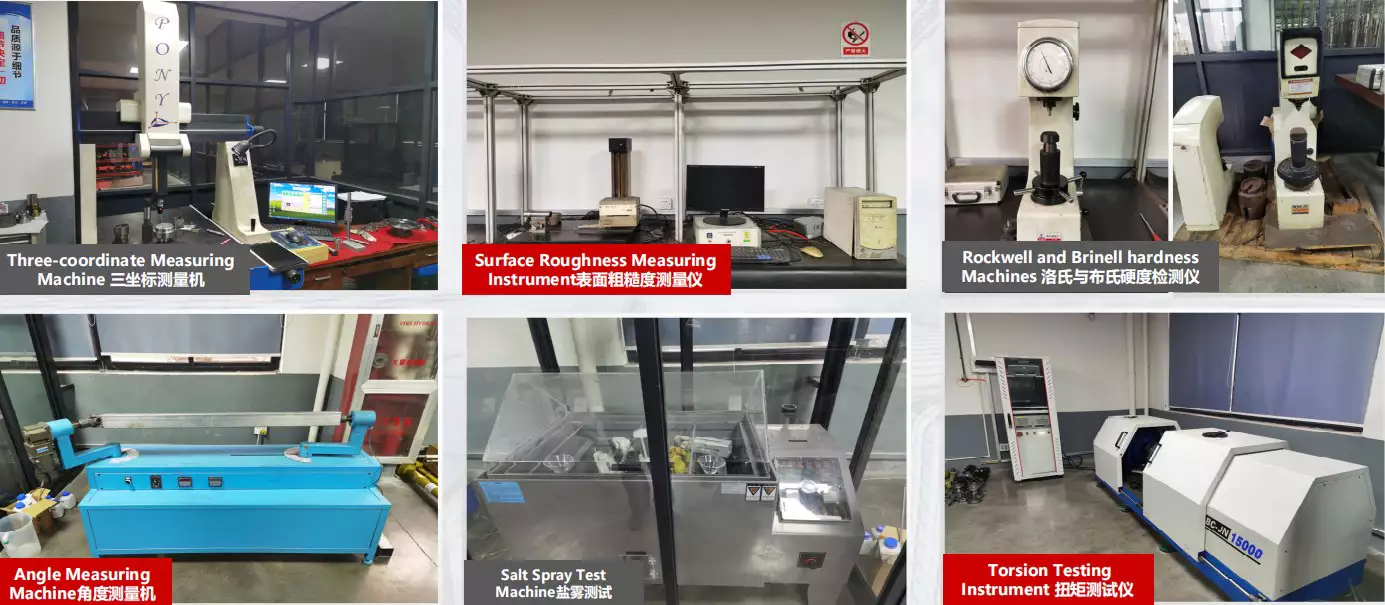
Quality control involves rigorous testing, including fatigue cycles up to 1 million revolutions. This commitment delivers products that perform consistently, even in extreme conditions. Partnering with us means access to expert support for selection and troubleshooting. To explore more agricultural drive shaft solutions, check our homepage.
Affordable pricing without compromising quality makes our shafts accessible for smallholders and enterprises alike. Positive feedback from users highlights ease of installation and long-term value. Choosing us supports sustainable practices through efficient designs that reduce environmental impact.
Our global supply chain ensures timely delivery, critical for seasonal demands. Backed by warranties up to 5 years, we build trust through proven performance. For tailored advice on disc plough drive shafts, reach out via our contact page.
Compatibility Specifications for Disc Plough PTO Shafts
| Compatible Brands (For Reference Only, Independent Manufacturer) | Spline Type | Yoke Style | Limiter Option |
|---|---|---|---|
| Similar to Comer or GKN (For Technical Reference, Independent Manufacturer) | 1 3/8″ 6-Spline | Quick Disconnect | Shear Bolt |
| Comparable to Bondioli & Pavesi (For Technical Reference, Independent Manufacturer) | 1 3/8″ 21-Spline | Push Pin | Friction Clutch |
| Like Walterscheid (For Technical Reference, Independent Manufacturer) | 1 3/4″ 20-Spline | Collar Lock | Ratchet |
| Resembling Weasler (For Technical Reference, Independent Manufacturer) | 1 3/4″ 6-Spline | Clamp Yoke | Overrunning |
This compatibility overview aids in replacements, noting that our independent designs match common interfaces. Spline types ensure secure engagement, while yoke styles facilitate easy connections. Limiters protect against overloads, tailored to plough intensities.
For upgrades, verify dimensions against existing setups to avoid mismatches. This table promotes informed choices, enhancing interoperability in mixed fleets.
Cross-referencing with implement manuals confirms fits, preventing operational issues. Our shafts offer versatile options, supporting diverse farming needs.

Frequently Asked Questions
What spline size should I choose for my disc plough PTO shaft?
Select based on your tractor’s PTO output. Common options include 1 3/8″ 6-spline for standard 50-80 HP models, providing secure engagement without slippage. For higher power, 1 3/8″ 21-spline offers better torque handling. Measure existing stubs to ensure match, and consider load types—intermittent for light tillage, continuous for heavy use. This choice affects efficiency, with mismatched sizes risking vibrations or failures. Consult tractor manuals for precise recommendations, and test fit before full operation to confirm compatibility.
How often should I lubricate the PTO shaft?
Lubricate every 8-10 hours of use or weekly in dusty conditions, using multi-purpose grease on cross joints and splines. This prevents seizing and extends component life by reducing friction. In humid areas like coastal Germany, increase to bi-weekly to combat moisture buildup. Wipe excess grease to avoid attracting dirt, and inspect for leaks during application. Proper lubrication maintains smooth rotation, cutting energy loss by up to 10%. Track intervals in a log for consistent maintenance, avoiding costly repairs from neglect.
Can these PTO shafts handle wide turns in hilly fields?
Yes, wide-angle variants manage turns up to 80 degrees without power loss, ideal for uneven terrains in regions like the Black Forest. Constant velocity joints ensure steady speed, preventing plough skips. Standard models suit flatter lands, but for slopes over 15%, opt for enhanced flexibility. This capability reduces strain on tractors, improving fuel use. Verify angle limits in specs to match your setup, and adjust hitch heights for optimal alignment. Users in similar conditions report smoother operations and less wear.
What safety features are included?
Integral plastic guards enclose rotating parts, with chains securing them during use. Torque limiters like friction clutches disengage at overloads, protecting equipment. Compliant with EN ISO standards, they include visible warning labels. Replace damaged guards immediately to maintain protection. These features lower accident risks, essential in busy farms. Regular checks ensure functionality, and training on proper use enhances safety. For added peace, models with automatic reset clutches minimize manual interventions.
How do I measure the correct length for my PTO shaft?
Measure from tractor PTO center to plough input when hitched at working position, adding 150mm for overlap. Collapse the shaft fully and extend to check range. Aim for 1/3 tube overlap at maximum extension to avoid disengagement. Use adjustable models for versatility across implements. Incorrect lengths cause binding or separation, leading to damage. Document measurements for future references, and consult guides for specific plough types. This ensures safe, efficient power transfer in varied setups.