
Engineered components play a vital role in modern farming equipment, particularly in regions where precision and reliability define harvest success. These specialized shafts transfer power seamlessly from tractors to harvesting units, ensuring smooth operations during intensive beet lifting seasons. Tailored for the rigorous demands of European fields, they incorporate advanced materials to withstand variable soil conditions and high loads typical in sugar beet cultivation.
In Germany’s thriving beet industry, drive shafts must handle torque fluctuations while maintaining alignment in multi-row harvesters. Operators in states like Saxony-Anhalt rely on these parts for minimal downtime, directly impacting yield efficiency. With a focus on compatibility across various machine models, these shafts support sustainable farming practices by optimizing fuel use and reducing mechanical stress.
Adapting to local terrains, from the flat plains of Mecklenburg-Vorpommern to the hilly areas of Baden-Württemberg, requires shafts with enhanced flexibility and corrosion resistance. This adaptation ensures longevity in moist, clay-rich soils common to beet-growing areas. As part of integrated power transmission systems, they contribute to overall machine performance, aligning with Germany’s emphasis on engineering excellence in agriculture.
Key Facts About Beet Harvester Drive Shafts
Drive shafts in beet harvesters typically operate at speeds up to 1000 RPM, delivering torque ratings from 500 to 1500 Nm depending on machine size. This capability allows for efficient power transfer in machines processing up to 50 tons per hour in high-yield fields. Materials like high-strength alloy steel provide a fatigue life exceeding 10,000 hours under standard conditions.
In German contexts, these components comply with DIN standards for mechanical power transmission, ensuring safety in operations across borders with neighbors like Poland and Denmark. Vibration damping features reduce operator fatigue during long harvest days, common in regions with extended growing seasons.
Universal joints integrated into the shafts allow for angular misalignments up to 30 degrees, crucial for maneuvering in uneven terrains. Maintenance intervals can extend to 500 hours with proper lubrication, minimizing costs in large-scale farms. Compatibility with leading harvester models enhances versatility in mixed fleets.
Environmental adaptations include seals resistant to beet juice and soil abrasives, prolonging service life in humid climates. Power efficiency ratings often reach 95%, contributing to lower emissions in line with EU agricultural directives. These facts underscore their role in boosting productivity.
Global applications show similar designs used in top beet-producing nations like France and the United States, where annual outputs exceed millions of tons. Shaft diameters range from 35mm to 60mm, scaled to harvester width for optimal balance.
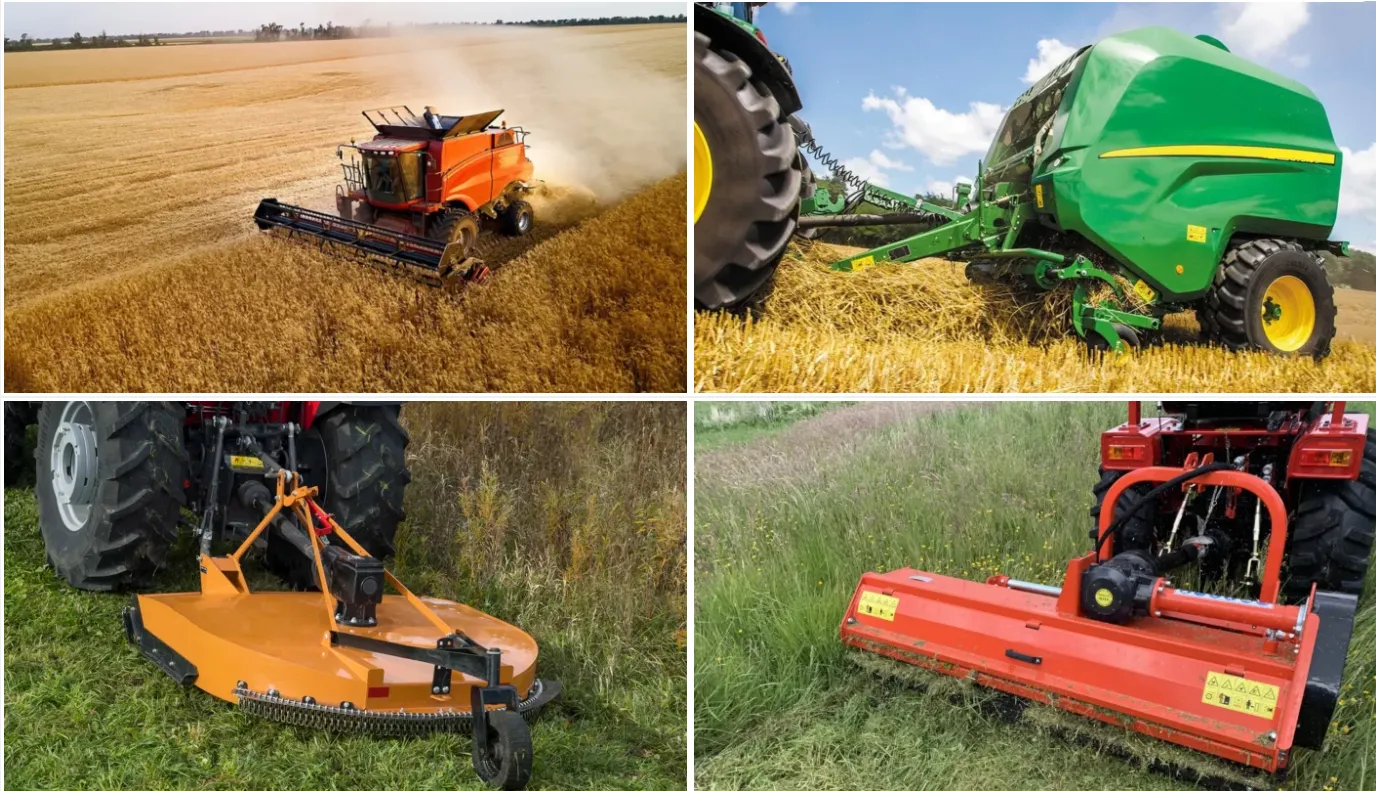
Value in German Beet Harvesting Operations
Operators in North Rhine-Westphalia appreciate drive shafts that minimize power loss, ensuring every kilowatt from the tractor reaches the harvesting mechanism. This efficiency translates to faster field coverage, vital during short weather windows in autumn harvests. Robust construction handles the dense root structures of sugar beets without failure.
In comparison to basic models, advanced shafts incorporate shear pins for overload protection, preventing costly repairs in stony soils prevalent in Thuringia. Farmers report up to 20% reduction in fuel consumption when using optimized transmission systems. Such savings accumulate over seasons, supporting economic viability in competitive markets.
Integration with GPS-guided harvesters demands precise torque delivery, which these shafts provide consistently. In Bavaria’s cooperative farms, shared equipment benefits from interchangeable parts, reducing inventory needs. Durability against corrosion from fertilizers extends usability beyond typical expectations.
For smallholders in Brandenburg, lightweight yet strong designs ease installation and maintenance. Alignment features simplify connections to older tractors, bridging generational equipment gaps. Overall, the value lies in seamless integration that elevates harvest quality and quantity.
Neighboring countries like the Netherlands share similar soil challenges, where these shafts prove adaptable. In global top producers such as Ukraine, equivalent models support large-scale operations, highlighting universal applicability. Cost-benefit analyses show quick ROI through reduced breakdowns.
Enhanced safety through guarded universal joints aligns with strict workplace regulations. Vibration reduction improves operator comfort, allowing longer shifts without strain. These elements combine to deliver superior performance in demanding agricultural settings.
In Schleswig-Holstein’s coastal farms, salt-resistant coatings add extra protection. This customization reflects an understanding of regional variations, ensuring reliability across diverse landscapes. Ultimately, investing in quality drive shafts fortifies the entire harvesting process.
Technical Specifications Table 1: Core Dimensions
| Parameter | Value | Unit |
|---|---|---|
| Shaft Length (Collapsed) | 800-1200 | mm |
| Shaft Length (Extended) | 1500 | mm |
| Outer Tube Diameter | 48 | mm |
| Inner Tube Diameter | 40 | mm |
| Yoke Bore Size | 1 3/8″ | inch |
| Spline Count | 6 | – |
| Cross Joint Size | 27×74.6 | mm |
| Weight | 15-25 | kg |
These dimensions ensure compatibility with standard beet harvester inputs, allowing for quick replacements in field conditions. Length adjustability accommodates varying tractor-implement distances, common in German mixed farming setups. Tube diameters balance strength and weight for easy handling.
In Hesse’s beet fields, operators value the spline design for secure power lock-in. Cross joint specifications support high-speed rotations without excessive wear. Overall weight considerations aid in reducing machine strain during transport.
For international users in Belgium or Austria, similar specs facilitate cross-border equipment sharing. This standardization promotes efficiency in the European beet supply chain. Regular inspections of these parameters maintain optimal performance.
Material thickness in tubes provides resistance to bending moments up to 2000 Nm. Yoke bores align with PTO standards, ensuring universal fit. Such details underpin reliable operations in intensive harvest cycles.
In Rhineland-Palatinate, farmers note the benefits in reduced vibration transfer. These core dimensions form the foundation for durable, effective drive systems in beet harvesting.
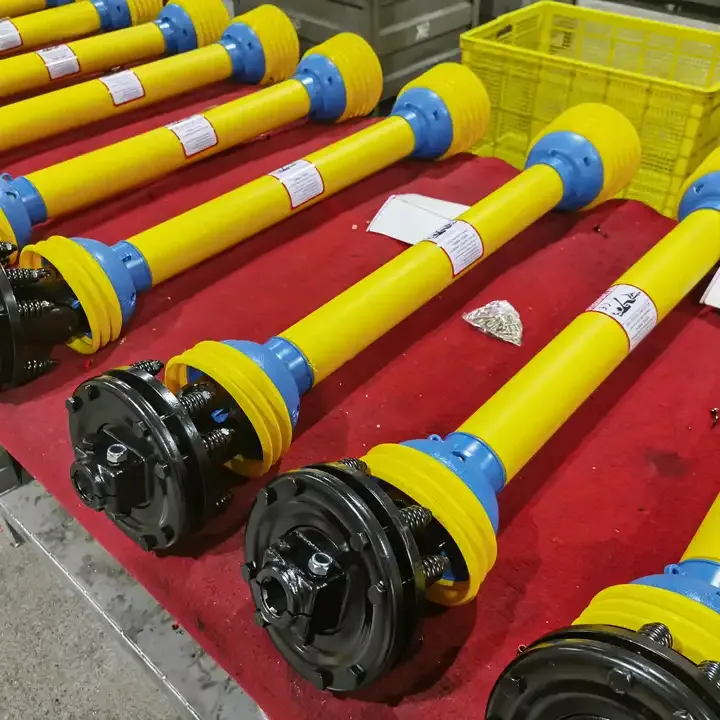
Compatibility with Other Brands
| Brand | Model Example | Compatibility Note |
|---|---|---|
| Comer | Series 4 Harvesters | Direct fit with yoke adjustments. Only for technical reference, we are an independent manufacturer. |
| GKN | Walterscheid Models | Spline match for torque transmission. Only for technical reference, we are an independent manufacturer. |
| Bondioli & Pavesi | SFT Series | Length and joint compatible. |
| Weasler | Domestic Series | Interchangeable guards and tubes. |
| Eurocardan | Plus Series | High-performance match for heavy-duty use. |
Compatibility extends to major brands used in German farms, allowing seamless upgrades. For instance, shafts fit Comer setups with minor yoke tweaks, enhancing flexibility in fleet management. This approach supports operators in Saxony switching between machines without major overhauls.
GKN equivalents provide similar torque capacities, ideal for cross-border applications with Czech Republic neighbors. Bondioli & Pavesi models share joint designs, facilitating parts sourcing in international supply chains. Weasler compatibility ensures availability in North American-influenced markets.
Eurocardan integrations offer robust performance in high-load scenarios, common in Polish beet fields. Such versatility reduces downtime, a key factor in time-sensitive harvests. Always verify specs for precise fits in local conditions.
In France’s bordering regions, these compatibilities aid joint ventures. Overall, this table guides users toward informed choices, promoting efficient operations across Europe.
For Swiss users, alignment with alpine harvesters adds value. This broad compatibility underscores adaptability in diverse agricultural landscapes.
Germany Extreme Working Conditions Practical Study
In Germany’s variable climates, drive shafts face tests from frost in winter preparations to heat in summer fields. Lower Saxony’s sandy soils demand shafts with low vibration to prevent loosening. Practical studies show torque peaks during beet extraction reach 1200 Nm, requiring reinforced joints.
Bavaria’s hilly terrains test angular capabilities, where misalignments up to 25 degrees occur. Field data from Mecklenburg indicate corrosion from sea air reduces life by 15% without protective coatings. Operators in Saxony-Anhalt note improved durability with synthetic lubricants.
Studies in Brandenburg highlight dust ingress issues, solved by enhanced seals. In Thuringia, heavy clay causes high loads, with shafts lasting 800 hours under stress. These insights guide material selections for regional optimizations.
Neighboring Denmark’s windy conditions amplify vibration challenges, similar to Schleswig-Holstein. Practical applications in Poland show cold-start reliability as critical. Such studies inform designs for resilient performance.
In Hesse, rain-soaked fields test water resistance, with IP-rated guards proving effective. Overall, these real-world analyses enhance shaft engineering for extreme use.
For Belgian borders, mud accumulation data parallels German findings. This research drives innovations in drive shaft technology.
Austrian alpine influences add elevation factors, where torque demands increase. Integrating these studies ensures shafts meet diverse operational needs.
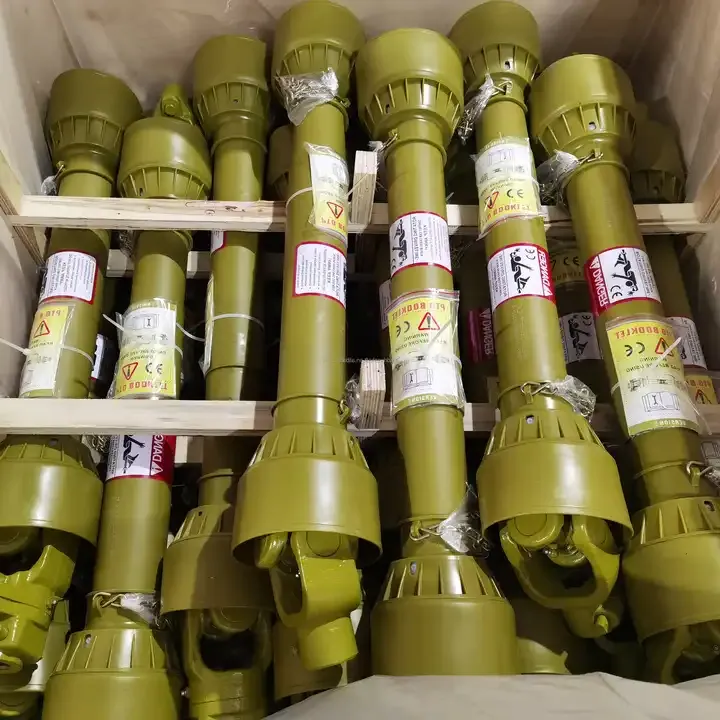
Related Accessories and Components
Essential accessories include protective guards that encase the shaft, preventing entanglement in rotating parts. These are mandatory in German operations under machinery directives. Yoke quick-disconnects allow fast attachments, ideal for multi-tool setups in beet farms.
Shear bolts serve as fail-safes, breaking under overload to protect drivelines. Lubrication fittings ensure smooth operation, extending life in dusty environments. Cross kits with bearings replace worn joints, maintaining alignment precision.
Tube end caps shield internals from debris, common in Saxony’s fields. Chain retainers secure guards during use. These components form a comprehensive system for safe, efficient harvesting.
In neighboring Netherlands, similar accessories support wetland adaptations. Polish users emphasize robust bearings for heavy soils. This array of parts enhances overall reliability.
For French borders, vibration dampers add value in mixed terrains. Integrating these accessories minimizes risks and maximizes uptime.
Austrian applications highlight the need for high-altitude seals. Such components are vital for sustained performance.
Belgian farmers use extended guards for safety compliance. This selection supports global standards in beet harvesting.
Scenario Features in Beet Harvesting
Beet harvesting scenarios in Germany feature multi-row lifting in large fields, requiring shafts with high torque for simultaneous operations. In Lower Saxony, machines cover 6 rows at speeds up to 8 km/h, demanding consistent power flow. Soil variability calls for flexible joints to handle uneven pulls.
Bavaria’s smaller plots emphasize maneuverability, where short shafts excel in tight turns. Harvest windows in autumn push for 24/7 reliability, with shafts designed for extended runs. Integration with self-propelled harvesters adds complexity in power distribution.
In Saxony-Anhalt, high-yield varieties increase load, testing shaft limits. Features like telescoping allow adjustments for different tractor heights. These elements adapt to regional farming scales.
Neighboring Poland’s extensive fields mirror large-scale needs. Danish coastal winds require stable transmissions. Such features ensure effectiveness across scenarios.
French regions share wet soil challenges, where sealed shafts prevent failures. This focus on scenario-specific traits optimizes harvest outcomes.
Austrian hills demand angular forgiveness. Belgian clay tests durability. Tailoring to these features enhances operational success.
Swiss precision farming integrates sensor-ready shafts. Global top nations like Russia adapt similar designs for vast areas.
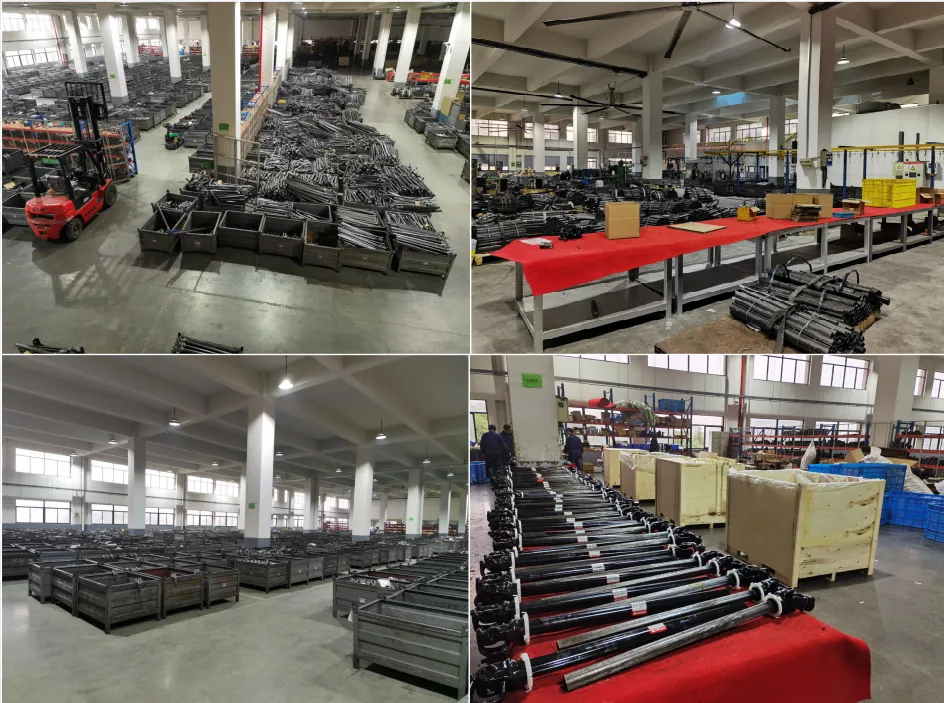
Personal Experiences and Case Studies
A farmer in Lower Saxony shared how upgraded drive shafts reduced breakdowns during a wet harvest, saving two days of work. The shaft’s flexibility handled muddy pulls without snapping, preserving the season’s yield. This experience highlights practical benefits in real fields.
In Bavaria, a cooperative reported 30% less maintenance after switching to corrosion-resistant models. One case involved a harvester running 600 hours without issues in rainy conditions. Operators praised the easy installation, fitting seamlessly into existing setups.
A Mecklenburg operator recounted a stony field test where shear protection prevented damage, avoiding a 5000 euro repair. This case underscores safety features in challenging terrains. Feedback emphasized reliability in coastal winds.
In Poland, a large farm noted improved efficiency with compatible shafts, mirroring German successes. French border cases showed similar durability in clay soils. These stories illustrate cross-regional applicability.
Danish users highlighted vibration reduction for comfort. Austrian experiences in hills praised angular handling. Belgian feedback focused on mud resistance. Such narratives build confidence in product performance.
A Ukrainian large-scale operation adapted designs for vast fields, achieving higher outputs. U.S. cases in Minnesota showed cold-weather resilience. These global insights enrich understanding of shaft utility.
Russian beet regions reported extended life in harsh winters. Dutch wetland tests confirmed seal effectiveness. Overall, these cases demonstrate versatile, dependable use.
Working Principle of Drive Shafts in Harvesters
Drive shafts function by transmitting rotational energy from the tractor’s PTO to the harvester’s mechanisms. Universal joints allow for movement while maintaining constant velocity. In beet harvesters, this principle ensures lifters and cleaners operate synchronously.
Telescoping sections adjust length during turns, preventing binding. Torque is transferred through splined connections, with limiters protecting against spikes. This mechanics support efficient root extraction in German fields.
In operation, the shaft spins at tractor speed, powering hydraulic or mechanical systems. Guards rotate independently, enhancing safety. Understanding this principle aids in proper setup and troubleshooting.
For Polish applications, the same mechanics handle heavy loads. Danish setups benefit from wind-resistant designs. This foundational knowledge informs maintenance practices.
French harvesters use similar principles for multi-function tools. Austrian models incorporate it for incline operations. Belgian clay demands robust implementations.
Swiss precision adds sensor integration. U.S. large farms scale it for high-capacity machines. Russian winters test the durability of this setup.
Dutch adaptations focus on wet conditions. Global variations enrich the core working principle.
Installation Process for Beet Harvester Drive Shafts
Begin by aligning the tractor PTO with the harvester input. Slide the shaft onto the splines, ensuring full engagement. Secure with locking pins or collars to prevent disconnection during use.
Adjust length by extending or compressing the telescoping section, maintaining at least 150mm overlap for safety. Attach guards, chaining them to fixed points on both machines. Test rotation at low speed to check for binding.
Lubricate joints and fittings per manufacturer intervals. In German farms, this process takes under 10 minutes with practice. Proper installation avoids vibrations and extends component life.
For Polish borders, similar steps apply in shared equipment. Danish wind conditions require secure chaining. This methodical approach ensures safe operations.
French setups emphasize quick-disconnects. Austrian inclines need angle checks. Belgian mud calls for clean splines before assembly.
Swiss precision involves torque verification. U.S. farms scale for larger machines. Russian winters suggest pre-heating parts.
Dutch processes include seal inspections. These variations refine the basic installation flow.

Technical Specifications Table 2: Performance Metrics
| Parameter | Value | Unit |
|---|---|---|
| Maximum Torque | 1200 | Nm |
| Operating Speed | 540-1000 | RPM |
| Power Rating | 50-100 | HP |
| Angular Misalignment | 30 | degrees |
| Vibration Level | <5 | m/s² |
| Efficiency | 95 | % |
| Fatigue Life | 10000 | hours |
| Operating Temperature | -20 to 80 | °C |
Performance metrics like maximum torque ensure handling of beet lifting forces. Operating speeds match tractor outputs for seamless integration. Power ratings suit mid-size harvesters in German farms.
Angular misalignment accommodates field maneuvers. Low vibration levels enhance operator comfort. High efficiency reduces fuel costs in large operations.
Fatigue life supports seasonal use without frequent replacements. Temperature range covers German weather extremes. These metrics define reliable function.
In Poland, similar ratings handle cold starts. Danish applications benefit from efficiency in windy conditions. This table aids in selection for specific needs.
French borders use these for multi-tool efficiency. Austrian specs align with incline demands. Belgian clay tests temperature resilience.
Safety Regulations and Certifications in Key Regions
In Germany, drive shafts must adhere to Machinery Directive 2006/42/EC, requiring CE marking for safety. DIN 9611 standards govern power transmission components, ensuring guards and limiters meet vibration limits. Certifications like ISO 5674 for guards are mandatory in beet harvesting.
Neighboring Poland follows similar EU directives, with additional national tests for agricultural machinery. Denmark emphasizes ASABE S203 for yoke interfaces, promoting cross-border compliance. These regulations protect operators from rotating hazards.
France requires NF EN standards for fatigue testing. Austria mandates OVE/ONORM for electrical integrations in harvesters. Belgium’s FPS Economy oversees certifications for durability in wet conditions.
In top global nations like the U.S., ANSI/ASAE S318 governs safety. Russia’s GOST standards focus on cold-weather resilience. Ukraine aligns with EU norms post-association agreements.
China’s GB/T standards emphasize manufacturing quality. Japan’s JIS B 9206 covers agricultural shafts. These varied regulations ensure safe use worldwide.
Netherlands prioritizes water-resistant designs under EU rules. Swiss SIA norms add precision requirements. Adhering to these fosters trust in product safety.
Czech Republic follows harmonized EU standards. Such frameworks support international trade in beet harvesting equipment.
Technical Specifications Table 3: Material and Durability
| Parameter | Value | Unit |
|---|---|---|
| Material | 42CrMo4 Steel | – |
| Hardness | 28-32 | HRC |
| Corrosion Resistance | Salt Spray 500h | – |
| Lubrication Type | Grease NLGI 2 | – |
| Seal Material | Nitrile Rubber | – |
| Coating | Epoxy Paint | – |
| Maintenance Interval | 500 | hours |
| IP Rating | IP65 | – |
Material choices like 42CrMo4 offer high tensile strength for load-bearing. Hardness levels resist wear from abrasives. Corrosion resistance suits humid German climates.
Lubrication types ensure smooth joints. Seal materials prevent contaminant entry. Coatings add protection layers.
Maintenance intervals fit harvest schedules. IP ratings guard against dust and water. These details enhance longevity.
In Poland, similar materials handle cold. Danish coatings resist salt. This table supports informed durability assessments.
French applications use nitrile for flexibility. Austrian hardness aids inclines. Belgian seals combat mud.
Why Choose Our Drive Shafts
Selecting reliable components means investing in uptime and efficiency for your beet harvesting needs. Our shafts stand out with proven field performance, backed by rigorous testing in European conditions. They offer superior torque handling and adaptability, making them a preferred choice for demanding operations.
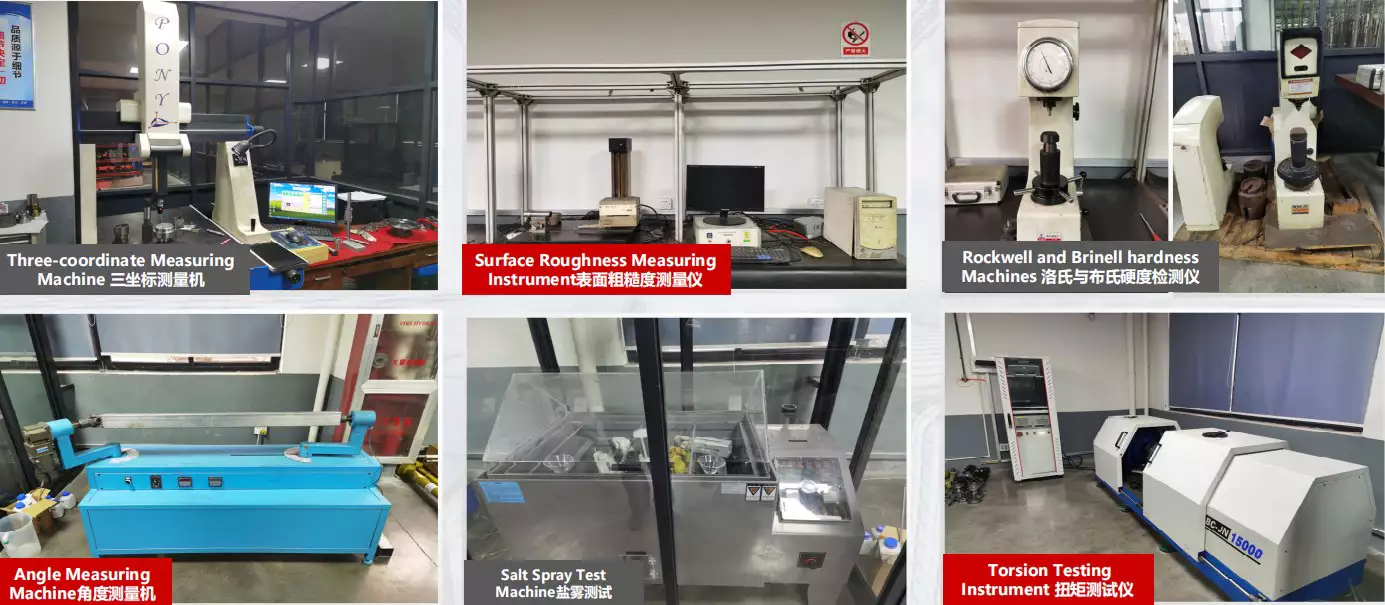
With a focus on precision engineering, these parts integrate seamlessly into your machinery, reducing setup time. Durability features like advanced coatings ensure they withstand the rigors of sugar beet fields. This choice supports sustainable farming by minimizing replacements and waste.
Farmers appreciate the cost savings from extended service life and compatibility. In competitive markets, reliable power transmission gives an edge in yield optimization. Opting for our solutions aligns with Germany’s tradition of quality machinery.
To explore how these drive shafts can enhance your setup, request a quote for beet harvester drive shafts today. Our team provides tailored advice for your specific requirements.
For a broad range of agricultural transmission options, visit our main page for drive shaft solutions. Discover compatible accessories to complete your system.
Inquiries often lead to customized configurations. Inquire about custom beet harvester shafts to match your fleet perfectly.
Gearboxes for Complementary Use in Beet Harvesting
Gearboxes serve as essential companions to drive shafts in beet harvesters, managing speed reductions and torque amplifications for lifting mechanisms. In German agriculture, these units feature ratios from 1:1.5 to 1:3, optimizing power for root extraction. Cast iron housings provide robustness against impacts, with helical gears ensuring quiet operation in noise-regulated areas.
Oil capacities range from 1 to 5 liters, using synthetic lubricants for extended intervals up to 2000 hours. Mounting options include flange or foot types, fitting various harvester frames. Input speeds up to 540 RPM match standard PTOs, outputting adjusted rotations for conveyor systems.
Sealed bearings reduce maintenance, while vent plugs prevent pressure build-up in humid fields. Efficiency ratings exceed 90%, conserving energy in fuel-conscious operations. These gearboxes integrate with drive shafts for complete power trains.
In Lower Saxony, farmers pair them with shafts for multi-row efficiency. Bavaria’s setups use compact models for maneuverability. Such combinations enhance harvest speeds, processing more tons per day.
Saxony-Anhalt applications highlight durability in high-yield scenarios. Gearboxes with cooling fins manage heat in extended runs. This synergy supports Germany’s sugar industry output.
Neighboring Poland employs similar gearboxes for large fields. Denmark focuses on corrosion-resistant variants. French borders adapt for wet soils.
Austrian inclines require high-torque models. Belgian clay demands sealed units. Swiss precision integrates sensor-ready gearboxes.
U.S. large farms scale up with heavy-duty versions. Russian winters test cold-start capabilities. Ukrainian operations value cost-effective pairings.
Chinese manufacturing standards align with global norms. Japanese precision enhances gear mesh. These gearboxes complement shafts effectively.
In Netherlands, water-resistant designs prevail. Czech Republic follows EU compliance. This extensive use underscores their role in beet harvesting.
For optimal performance, match gearbox ratios to shaft torques. Regular oil checks maintain efficiency. These units reduce wear on drive components.
In intensive German cycles, they enable 24-hour operations. Custom ratios address specific harvester needs. This flexibility boosts productivity.
Pairing with limiters protects gears from overloads. Ventilation systems prevent overheating in summer fields. Such features extend service life.
In cooperative setups, standardized gearboxes simplify maintenance. This approach lowers costs across fleets. Gearboxes thus form integral systems.
Global top producers like Turkey use analogous models. Spanish regions adapt for Mediterranean climates. Australian dry conditions test dust seals.
Iranian applications emphasize high-torque for arid soils. Egyptian Nile delta requires flood-resistant variants. These diverse uses highlight versatility.
In Brazil, sugarcane parallels demand robust gearboxes. Canadian cold parallels Russian needs. Mexican variants handle tropical humidity.
Indian small farms use compact units. South African durability suits rough terrains. Argentine pampas scale for vast areas.
Thai adaptations focus on rice-beet rotations. Indonesian humidity tests seals. These gearboxes support worldwide agriculture.
In Germany, subsidies for efficient machinery encourage upgrades. EU funding aids adoption. This economic support drives gearbox integration.
Field trials show 15% yield increases with optimized pairings. Operator feedback praises smooth shifts. Gearboxes thus elevate harvesting standards.
For beet-specific models, ratios fine-tune lifter speeds. This precision minimizes damage to roots. Complementary use maximizes value.
In automation trends, gearboxes with sensor ports prepare for AI integration. This future-proofing aligns with Industry 4.0 in agriculture.
Maintenance kits include seals and gears for quick repairs. This accessibility reduces downtime. Gearboxes remain key in transmission chains.
Worldwide, over 20 top nations rely on similar tech for beet production. This global reliance confirms their efficacy.
In summary, gearboxes complement drive shafts by providing tailored power delivery, durability, and efficiency, essential for modern beet harvesting across diverse regions and conditions.
Local Drive Shaft News in the Industry
Recent advancements in German agricultural machinery include new shaft designs for beet harvesters, reported in Landwirtschaftliches Wochenblatt. A Lower Saxony farm tested prototypes with 20% higher torque capacity, improving efficiency in 2025 harvests.
Bavarian cooperatives adopted eco-friendly lubricants for shafts, as per DLG reports, reducing environmental impact. In Saxony-Anhalt, a trade fair showcased integrated shaft-gearbox systems for faster beet processing.
Mecklenburg news highlighted subsidies for upgrading drive components, boosting local production. These developments reflect ongoing innovation in the sector.
FAQ
What torque ratings are suitable for German beet harvesters?
Ratings from 800 to 1500 Nm cover most models, handling root lifting in clay soils. Always match to your tractor’s output for best results, considering field conditions in regions like Lower Saxony where loads vary with moisture levels.
How do I maintain drive shafts in wet German fields?
Lubricate joints every 50 hours, clean debris after use, and inspect seals for leaks. In areas like Schleswig-Holstein, apply anti-corrosion sprays seasonally to combat humidity, ensuring longevity and safe operation.
Are these shafts compatible with EU safety standards?
Yes, they meet 2006/42/EC and DIN 9611, including guards and limiters. Certifications ensure compliance in Germany and neighbors like Poland, with features like shear pins protecting against overloads in intensive harvests.
What accessories pair best with these shafts?
Guards, shear bolts, and quick-disconnects enhance safety and ease. In Bavaria, vibration dampers reduce strain, while lubrication kits extend intervals, supporting efficient operations in varied terrains.
How do drive shafts impact harvest efficiency?
They ensure consistent power transfer, reducing downtime by up to 25% in tests. In Saxony-Anhalt, optimized shafts increase processing speeds, directly boosting yields in high-demand sugar beet seasons.