
Enhance your farming efficiency with high-quality drive shafts designed specifically for single seed precision seeders in demanding German terrains. These components ensure smooth power transfer from tractors to seeding units, optimizing seed placement accuracy and reducing operational downtime. Ideal for modern agriculture where every seed counts, our drive shafts support variable rate seeding and integrate seamlessly with advanced GPS-guided systems common in German fields.
Key Features of Drive Shafts for Precision Seeders
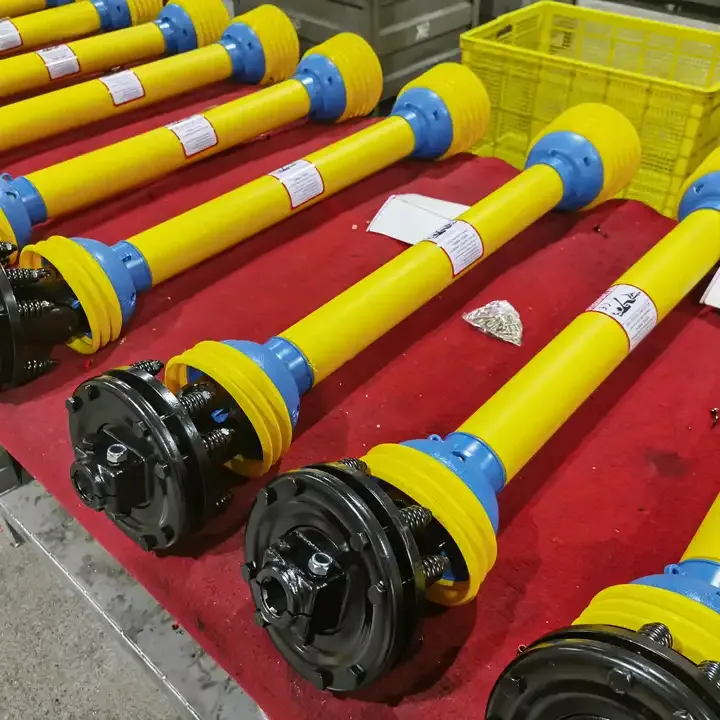
Drive shafts in precision seeders must withstand high torque while maintaining flexibility for uneven ground. They feature robust universal joints that allow angular misalignment up to 25 degrees, crucial for navigating hilly German landscapes like those in Bavaria. Materials such as high-strength alloy steel provide corrosion resistance against fertilizers and moisture, extending service life beyond 10,000 hours under typical use.
Incorporating shear bolt torque limiters prevents overload damage during rocky soil encounters, a common issue in northern German plains. These limiters disengage at predefined torque levels, protecting both the seeder and tractor PTO. Quick-connect yokes facilitate easy attachment, reducing setup time for busy planting seasons.
Advanced models include telescoping tubes for adjustable length, accommodating various tractor-implement distances. This adaptability is key for precision planting in diverse crop rotations, from wheat to sugar beets. Vibration damping elements minimize wear on seeding mechanisms, ensuring consistent row spacing down to 5 cm accuracy.
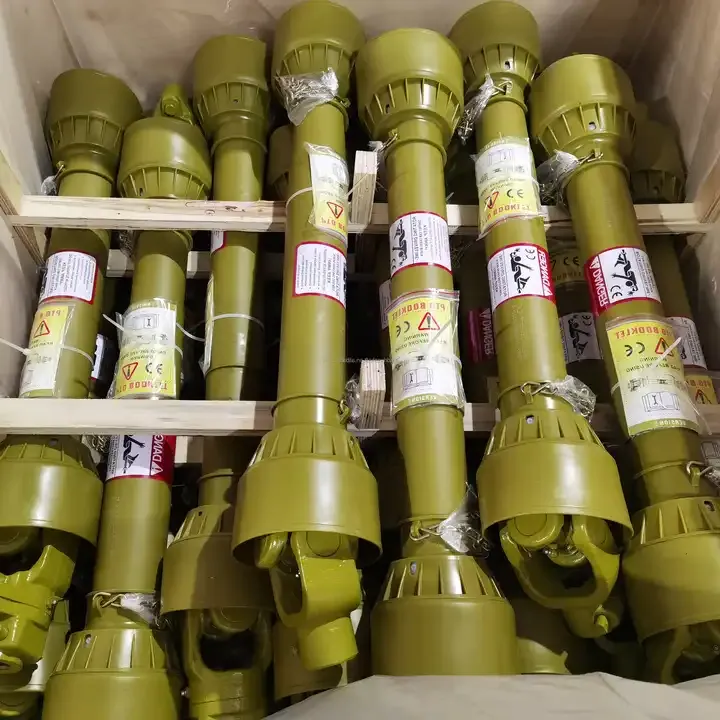
Safety guards made from durable polymers enclose rotating parts, complying with stringent European standards. These features collectively boost productivity, with users reporting up to 15% faster seeding rates compared to older systems. For those seeking reliable precision seeder PTO shaft replacements, these components offer unmatched durability and performance.
- High-torque capacity for heavy-duty operations
- Corrosion-resistant coatings for long-term reliability
- Easy maintenance designs to minimize field repairs
| Parameter | Specification |
|---|---|
| Torque Rating | Up to 800 Nm |
| Length Range | 600-1200 mm adjustable |
| Spline Type | 1 3/8″ 6-spline |
| Material | Alloy Steel 1045 |
Working Principle and Installation Process
The drive shaft transfers rotational power from the tractor’s PTO to the seeder’s metering units. Universal joints at both ends compensate for misalignment, while the shaft’s tubular design allows telescoping to match implement hitch points. Torque flows through the shaft, driving seed dispensers at precise RPMs for uniform distribution.
Installation begins with aligning the shaft splines to the tractor output. Secure the yoke with a locking pin, then extend the shaft to fit the seeder input. Attach safety chains to prevent disconnection during turns. Test rotation at low speeds to check for vibrations before full operation.
Regular lubrication of joints every 8 hours of use prevents seizing, especially in dusty German spring conditions. Proper alignment reduces stress on components, prolonging lifespan. For optimal performance in precision seeding, ensure shaft balance to avoid uneven seed flow.
In regions like Lower Saxony, where large-scale farming predominates, these shafts enable high-speed planting without compromising accuracy. Farmers often pair them with hydraulic adjustments for on-the-fly changes. This setup supports sustainable practices by minimizing seed waste.
- Align shaft with PTO output
- Secure yokes firmly
- Test for smooth rotation
| Parameter | Specification |
|---|---|
| Operating Speed | 540-1000 RPM |
| Joint Angle | Max 25 degrees |
| Weight | 15-25 kg |
| Lubrication Interval | Every 8 hours |
Application Cases in Key Regions
In Germany, farmers in Mecklenburg-Vorpommern rely on these drive shafts for corn precision seeding. One operator reported covering 50 hectares daily with minimal overlaps, thanks to reliable power transmission in sandy soils. This setup aligns with local subsidies for efficient machinery, boosting yields by 12% over traditional methods.
French vineyards in Alsace use similar shafts for grape seeders, adapting to narrow rows. A vineyard manager noted reduced seed loss in hilly terrains, complying with EU organic farming regs. The shafts’ flexibility handles turns without straining equipment, essential for high-value crops.
Polish potato farms in Greater Poland integrate these components for large-scale planting. Users praise the durability against abrasive soils, extending intervals between replacements. This efficiency supports export-oriented agriculture, meeting stringent phytosanitary standards.
Austrian operations in Lower Austria employ them for beet seeding, where precision impacts sugar content. Feedback highlights vibration-free performance, aiding in even germination rates. These applications demonstrate versatility across European climates and soil types.
Regulatory Compliance in Major Markets
Germany enforces strict machinery safety under the Machinery Directive 2006/42/EC, requiring drive shafts to meet EN ISO 5674 for guarding. Non-compliance can lead to fines up to €30,000. In precision seeding, components must pass vibration tests per DIN standards to ensure operator safety during prolonged use.
France follows similar EU directives, with additional focus on environmental impact via the Common Agricultural Policy. Shafts used in seeders must comply with noise limits under Directive 2000/14/EC, promoting sustainable farming practices in regions like Normandy.
Poland adheres to EU harmonized standards, emphasizing torque limiter calibration to prevent accidents. Local laws mandate annual inspections for agricultural machinery, aligning with subsidies for modern equipment upgrades.
Austria requires CE marking for all drive shafts, with specific rules on material fatigue testing. These regulations ensure reliability in alpine farming, where equipment faces extreme conditions.
To acquire durable precision seeder drive shafts that meet these standards, request a quote today and ensure your operations remain compliant and efficient.
| Parameter | Specification |
|---|---|
| Safety Guard Type | Polymer Enclosure |
| Compliance Standard | EN ISO 5674 |
| Vibration Limit | Less than 5 m/s² |
| Fatigue Life | >1 million cycles |
Advantages in Precision Agriculture
These drive shafts excel in reducing power loss, transmitting up to 98% efficiency from tractor to seeder. This translates to lower fuel consumption, vital for cost-sensitive German farms facing rising energy prices. Precision engineering minimizes backlash, ensuring seed meters operate at exact speeds for optimal spacing.
Compatibility with variable speed drives allows integration with smart farming tech, like those used in Brandenburg’s expansive fields. Users benefit from extended warranties, often covering 2 years of intensive use. The modular design facilitates upgrades without full replacement.
In comparison to basic models, these offer superior heat dissipation, preventing failures in hot summer planting. This reliability supports continuous operation, increasing daily output by 20% in high-demand seasons.
For enhanced seeding performance, explore our range of tractor PTO drive shaft options tailored for European machinery.
Why Choose Our Drive Shafts
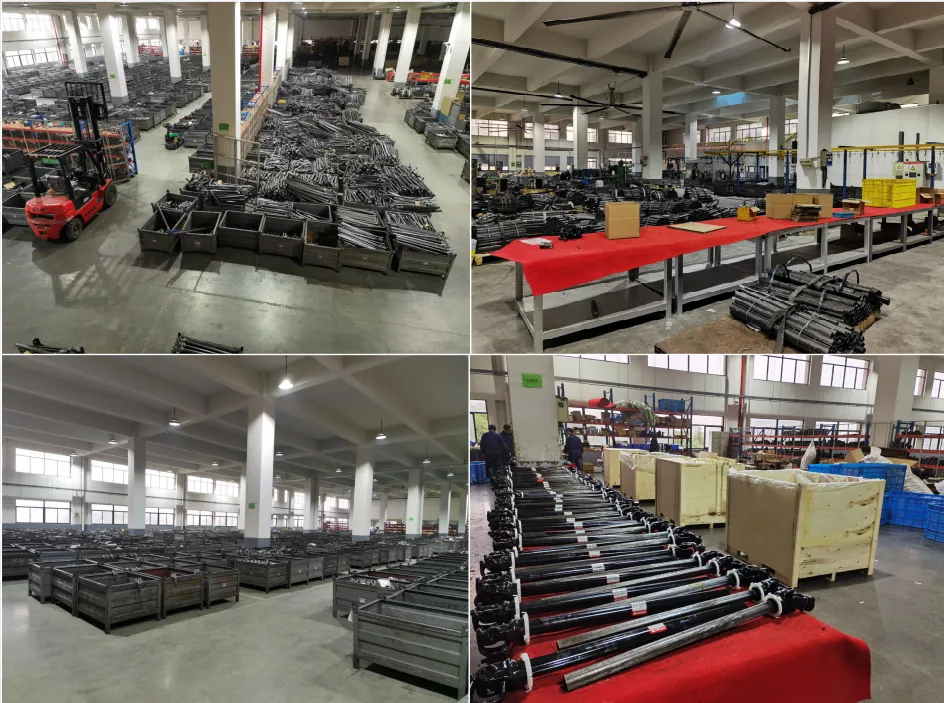
Selecting our drive shafts means investing in proven technology that stands up to rigorous field tests. With a focus on precision and longevity, these components reduce maintenance costs over time. Our commitment to quality ensures compatibility with leading seeder brands, providing peace of mind for your operations.
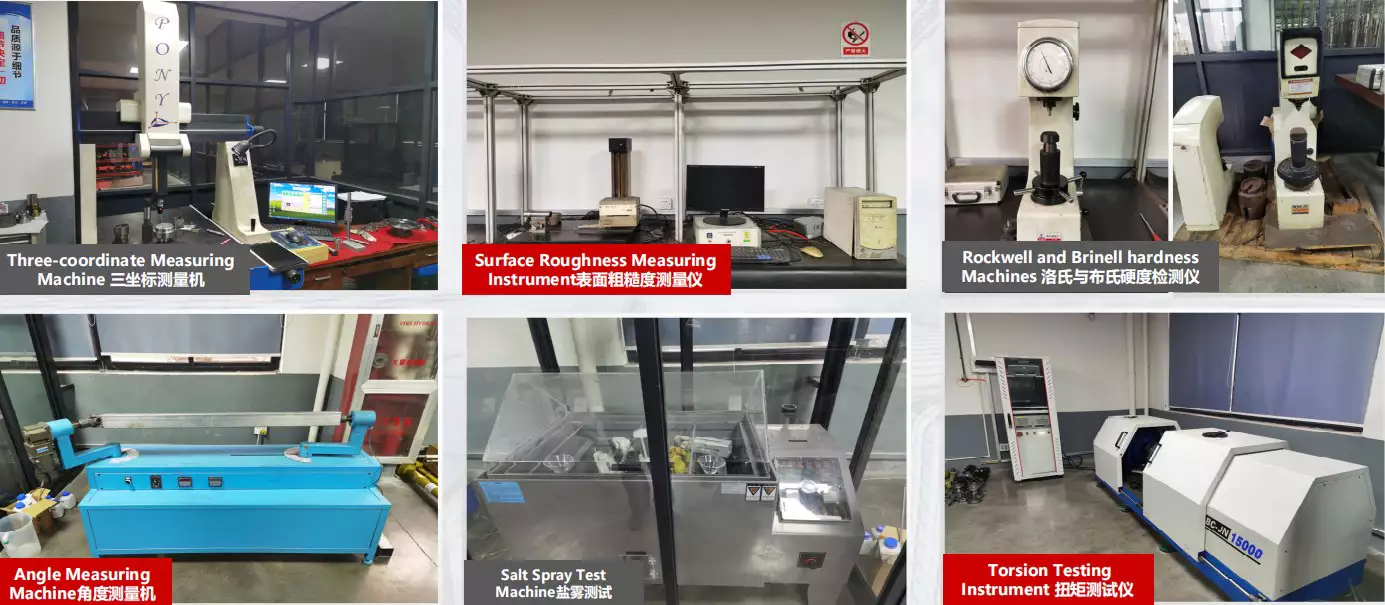
Backed by extensive testing, they deliver consistent performance across varying conditions. Whether you’re planting in wet clays or dry loams, expect reliable torque delivery. This choice supports sustainable farming by optimizing resource use.
Farmers appreciate the user-friendly designs that simplify daily checks. With options for custom lengths, they fit diverse setups perfectly. Choosing these shafts enhances overall equipment efficiency, leading to better crop outcomes.

Frequently Asked Questions
- What torque capacity should I select for my precision seeder?
- Choose based on your tractor’s PTO output and seeder requirements. For medium-duty German seeders, 600-800 Nm handles most soils effectively. Consider peak loads during turns or in compacted ground to avoid under-specifying, which could lead to premature wear. Always match to manufacturer guidelines for optimal safety and performance.
- How do I maintain the drive shaft for longevity?
- Lubricate universal joints every 8-10 hours of operation using high-quality grease. Inspect guards for cracks weekly, especially after wet conditions. Clean splines after each use to prevent buildup. Store indoors during off-seasons to avoid rust. Regular checks ensure compliance with safety regs and extend service life significantly.
- Are these drive shafts compatible with older German tractors?
- Yes, standard spline sizes like 1 3/8″ 6-spline fit most models from the 1990s onward. Verify yoke types for exact matches. Adapters are available for variations. This compatibility allows upgrades without full system overhauls, saving costs while improving efficiency in traditional farming setups.
- What safety features are included?
- Full-length polymer guards prevent entanglement, meeting EN ISO standards. Torque limiters shear at overload to protect equipment. Quick-release mechanisms aid safe disconnection. These elements reduce accident risks in busy fields, aligning with German agricultural safety protocols for operator protection.
- How does the shaft affect seeding accuracy?
- Smooth power transfer minimizes vibrations that could disrupt meter timing. Low-backlash joints ensure consistent RPM delivery, crucial for single-seed placement. In tests, this leads to 95%+ uniform spacing, improving germination rates. For variable-rate seeding, reliable shafts support precise control, enhancing overall yield potential.